Whole-Transcriptome Sequencing and Differential Expression Analysis of the Epididymis in Junggar Bactrian Camels Before and After Sexual Maturity
Jiahao Liu, Xinkui Yao, Jun Meng, Jianwen Wang, Yaqi Zeng, Linling Li, Wanlu Ren

TL;DR
This study identifies genetic changes in the epididymis of Bactrian camels during sexual maturity, offering insights into reproduction and potential improvements in breeding.
Contribution
The study provides the first comprehensive transcriptome analysis of epididymal development in Bactrian camels, revealing novel genes and pathways.
Findings
Identified 683 differentially expressed mRNAs, including genes like TPM2 and FASN, involved in sperm transport and hormone signaling.
Discovered 260 differentially expressed long non-coding RNAs and 11 microRNAs linked to epididymal development.
Key pathways include Cell Adhesion Molecules and Phospholipase D signaling, impacting reproductive function.
Abstract
This study explored the genetic changes that occur in the epididymis of Bactrian camels as they mature sexually. By comparing camels before (3 years old) and after (5 years old) puberty, researchers discovered thousands of differences in gene activity, including, mRNA, protein-coding genes, long non-coding RNAs (LncRNAs), and microRNAs (miRNAs)—many of which were previously unknown. These genes play an important role in sperm storage, sperm transport, and hormone signaling. The key pathways involved in epididymal development were also identified, such as cell recognition, cell activation and signal transduction, cell proliferation and differentiation, cell stretching and movement, and other key signaling pathways. The findings provide new insights into camel reproduction and may help improve breeding programs for this economically important species. The Junggar Bactrian camel, a…
Genes, proteins, chemicals, diseases, species, mutations and cell lines named across the full text — each resolved to its canonical identifier and authoritative record.
Click any figure to enlarge with its caption.
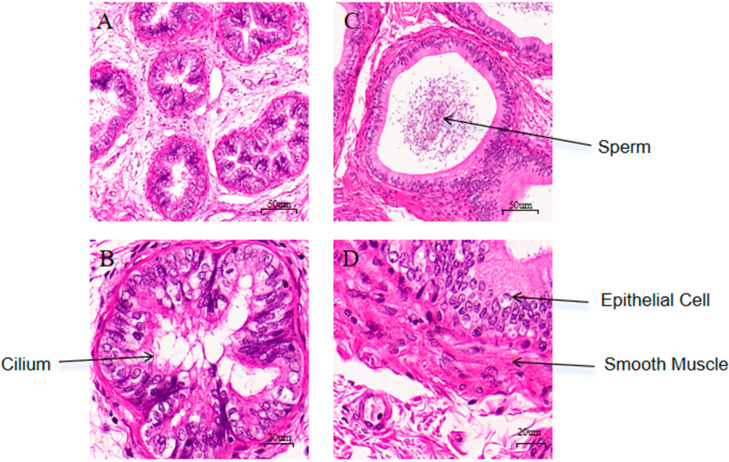 Figure 1
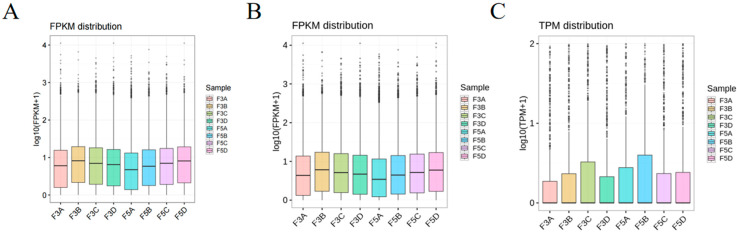 Figure 2
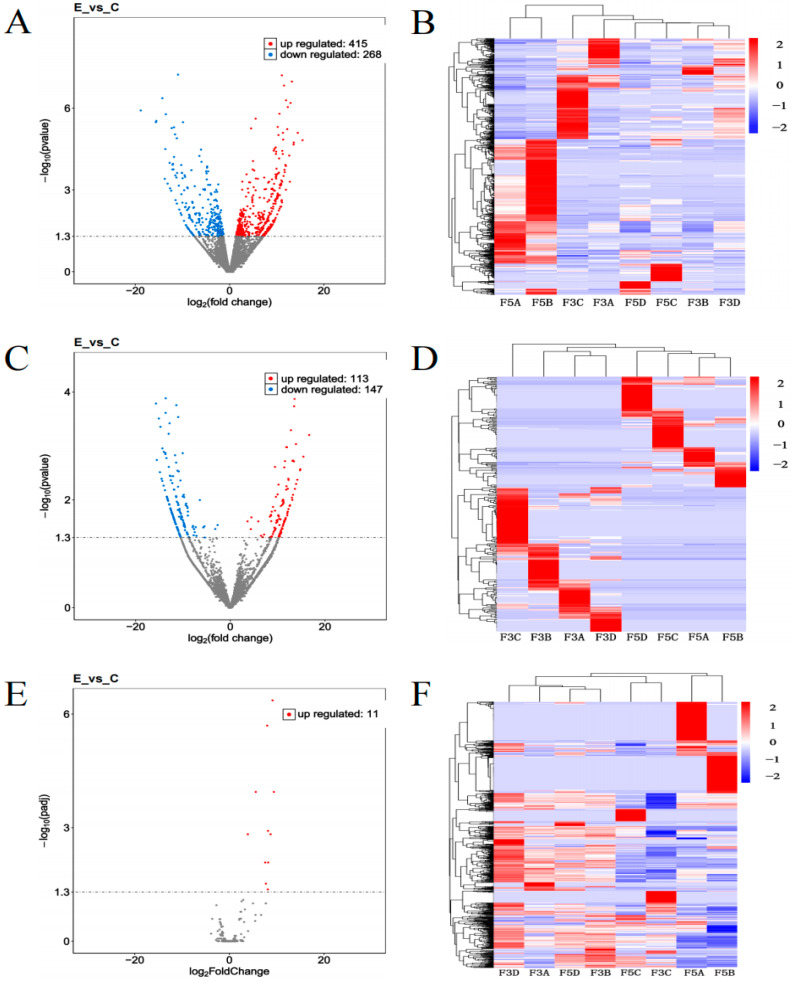 Figure 3
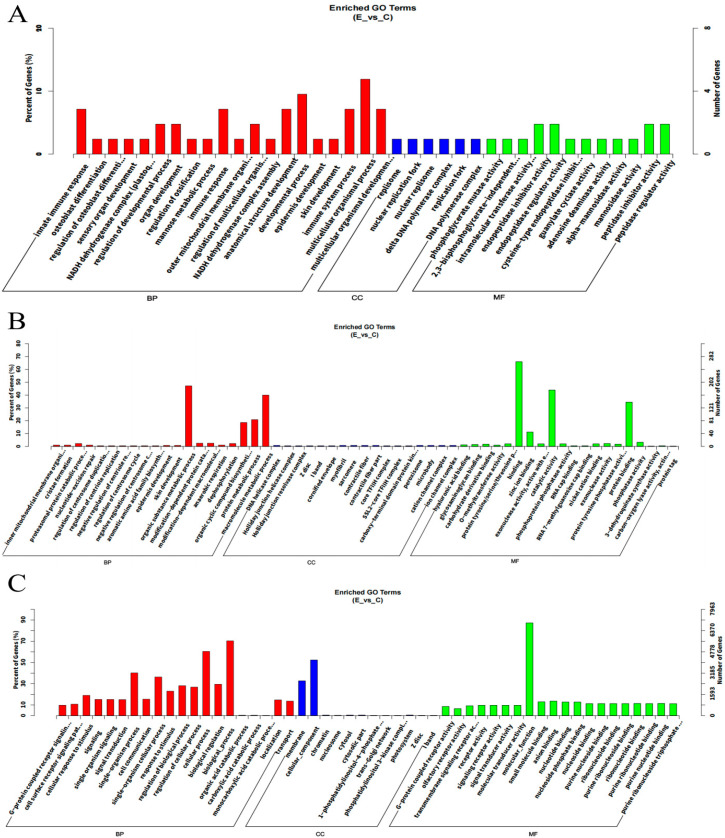 Figure 4
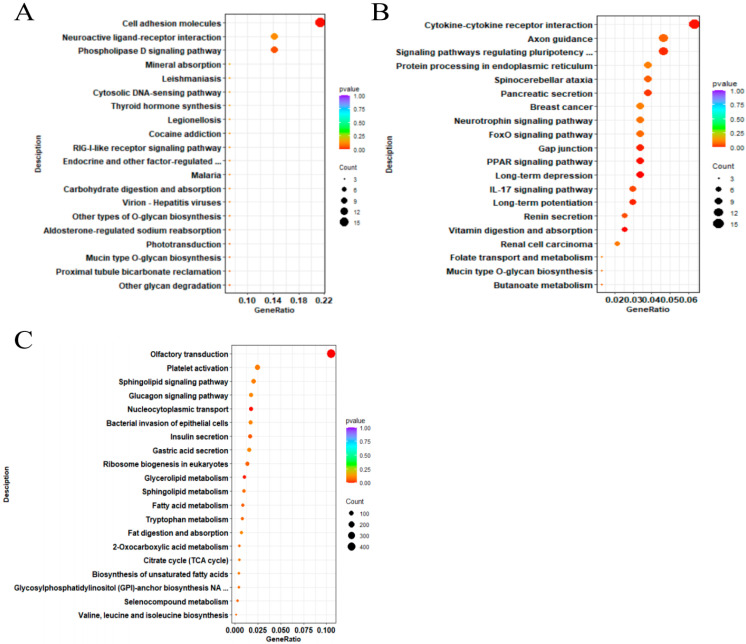 Figure 5
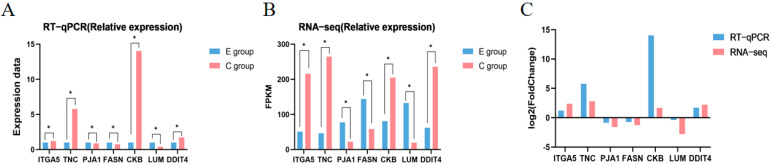 Figure 6
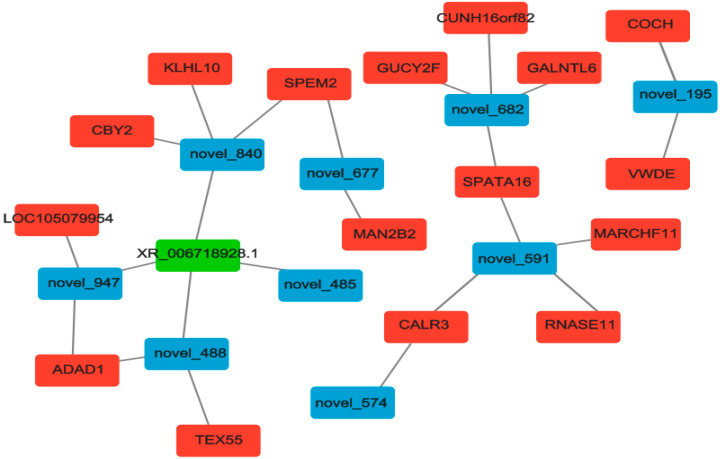 Figure 7
Peer Reviews
No public reviews on file for this paper yet. If you reviewed it on a platform where reviews are public (OpenReview, ICLR, NeurIPS, ICML), you can paste yours below so the community can read it here.
Videos
No videos yet. Explain this paper in a talk, walkthrough, or lecture? Add one.
Taxonomy
TopicsAnimal Diversity and Health Studies · Genetic and phenotypic traits in livestock · Rangeland Management and Livestock Ecology