Circulating Antimicrobial Peptides as Biomarkers of Inflammation and Airway Dysfunction After Marathon Running
Marie-Therese Lingitz, Hannes Kühtreiber, Lisa Auer, Michael Mildner, Claus G. Krenn, Clemens Aigner, Bernhard Moser, Christine Bekos, Hendrik Jan Ankersmit

TL;DR
Marathon running can temporarily increase immune peptides in blood, which may be linked to breathing issues and could help identify at-risk athletes.
Contribution
The study identifies specific antimicrobial peptides as potential biomarkers for airway dysfunction after endurance exercise.
Findings
Levels of hBD-2 and S100A8/A9 increased after marathon running and returned to baseline during recovery.
S100A8 levels remained elevated in runners with exercise-induced bronchoconstriction.
S100A8 levels correlated negatively with lung function parameters like forced expiratory volume.
Abstract
Endurance sports such as marathon running are becoming increasingly popular, but they exert intense strain on the body. This physical stress can temporarily weaken the immune system and affect the lungs, occasionally causing breathing problems after exercise. Our study investigated whether specific substances circulating in the blood—antimicrobial peptides, which help the body fight off infections—change after endurance exercise and if they are linked to breathing issues occurring thereafter. We measured these markers in long-distance runners before, immediately after, and several days after a race. We also compared these levels with those of people who do not regularly perform endurance exercise. We found that several of these markers increased after running, particularly in runners who showed signs of airway narrowing, which can make breathing harder. These changes mostly returned to…
Genes, proteins, chemicals, diseases, species, mutations and cell lines named across the full text — each resolved to its canonical identifier and authoritative record.
Click any figure to enlarge with its caption.
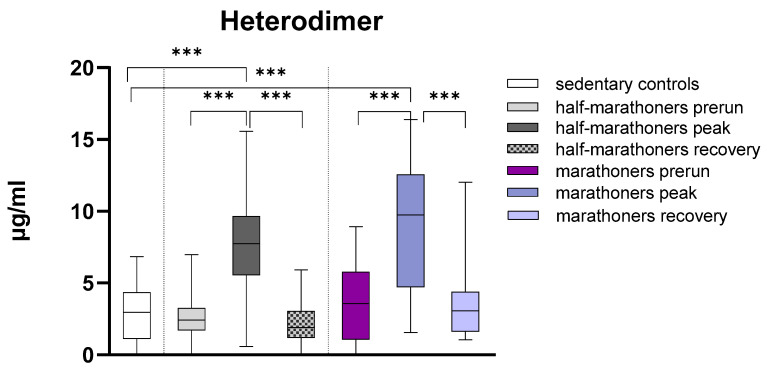 Figure 1
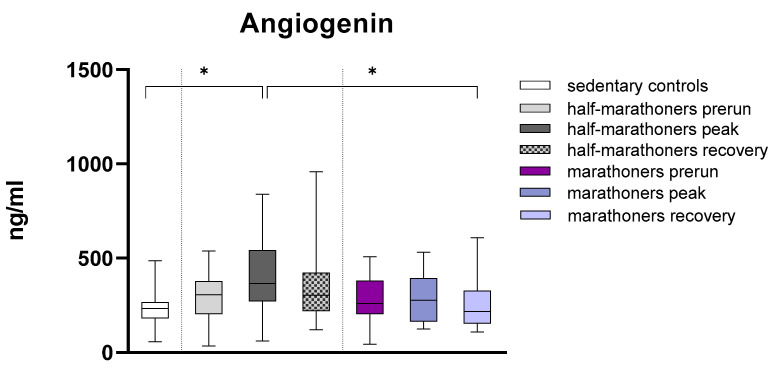 Figure 2
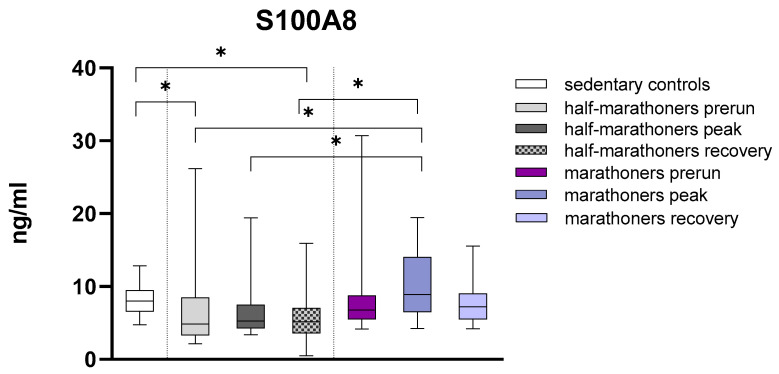 Figure 3
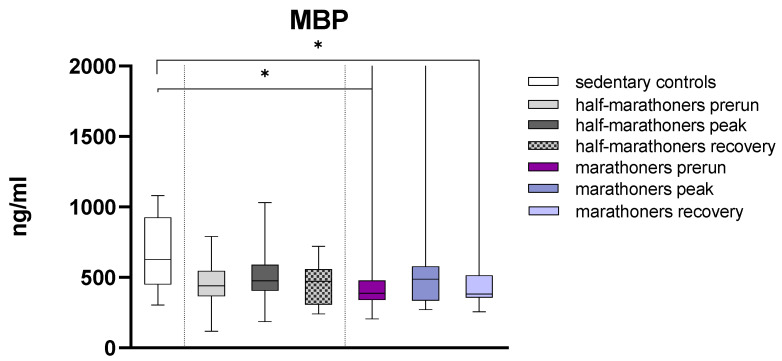 Figure 4
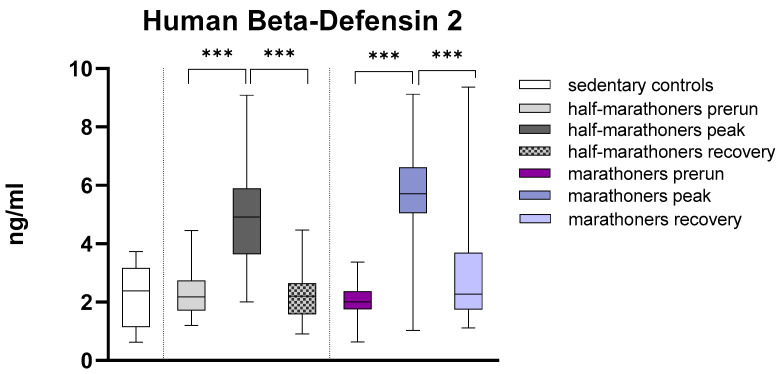 Figure 5
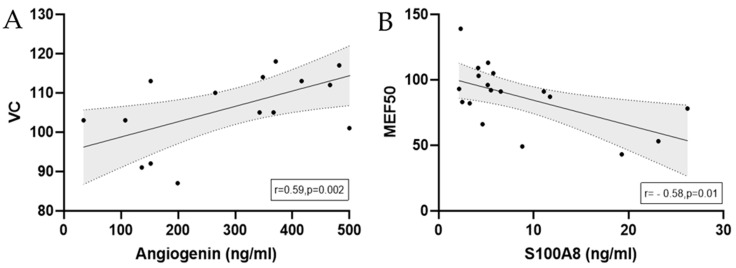 Figure 6
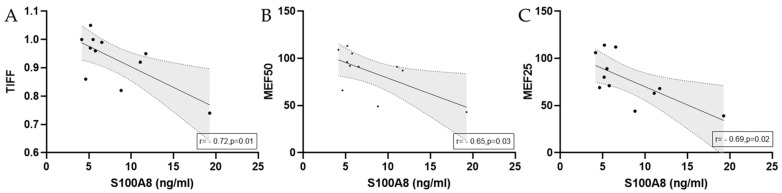 Figure 7
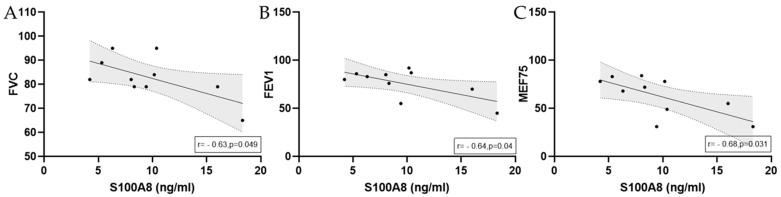 Figure 8
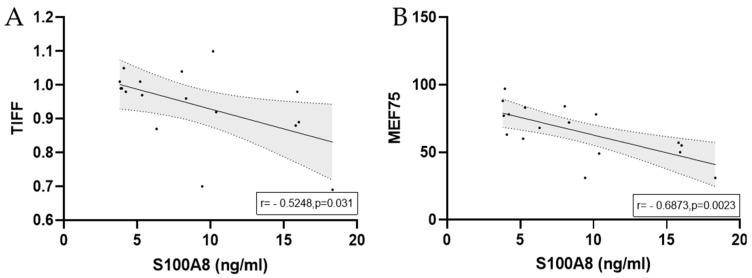 Figure 9
Peer Reviews
No public reviews on file for this paper yet. If you reviewed it on a platform where reviews are public (OpenReview, ICLR, NeurIPS, ICML), you can paste yours below so the community can read it here.
Videos
No videos yet. Explain this paper in a talk, walkthrough, or lecture? Add one.
Taxonomy
TopicsChronic Obstructive Pulmonary Disease (COPD) Research · Exercise and Physiological Responses · S100 Proteins and Annexins