Unraveling the Role of Spicules in Shaping Sponge Body Structure: Evidence from the Early Cambrian Shuijingtuo Formation
Xinyi Ren, Yazhou Hu, Luke C. Strotz, Mei Luo, Caibin Zhang, Zhifei Zhang

TL;DR
This study examines ancient sponge fossils and spicules to understand how spicule types and arrangements contribute to sponge body structure.
Contribution
The paper provides the first systematic analysis linking isolated spicules to the sponge body plan in early Cambrian fossils.
Findings
Pentactine spicules form the framework of parietal gaps in sponge fossils.
Monaxon spicules support the overall sponge body structure.
Smaller spicules stabilize the sponge framework.
Abstract
Complete fossils of sponges are typically only found in Konservat-Lagerstätten, with most fossil sponge remains instead consisting of discrete spicules. This study focuses on grid-like skeletal sponge fossils and associated discrete spicules from the black shales of the Shuijingtuo Formation (South China Yangtze Platform) to reconstruct the function and spatial arrangement of the different spicule types that make up the sponge skeleton. Morphological and functional analysis confirms the examined sponge material belongs to the Hexactinellids, with pentacines and stauractine spicules the dominant spicule types. The taxonomic affinity between macroscopic sponge specimens and isolated spicules is demonstrated in this paper. The spicule system exhibits clear functional zonation: monaxon spicules support the sponge body, pentactines construct the framework of the parietal gaps, and smaller…
Genes, proteins, chemicals, diseases, species, mutations and cell lines named across the full text — each resolved to its canonical identifier and authoritative record.
Click any figure to enlarge with its caption.
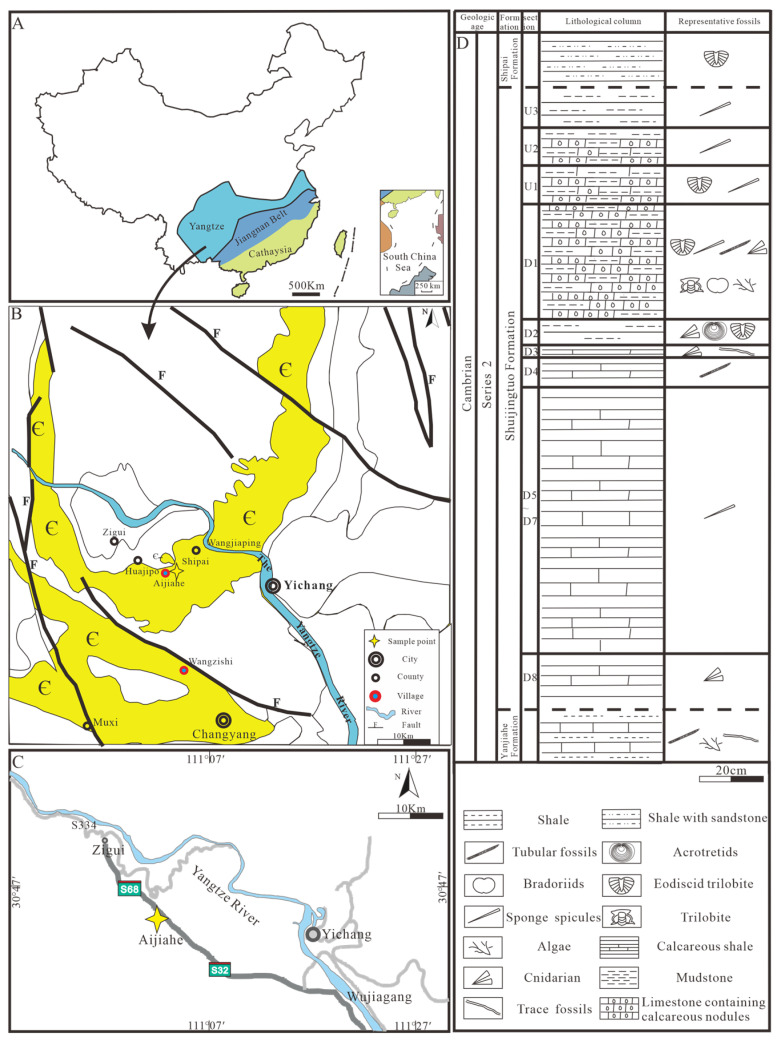 Figure 1
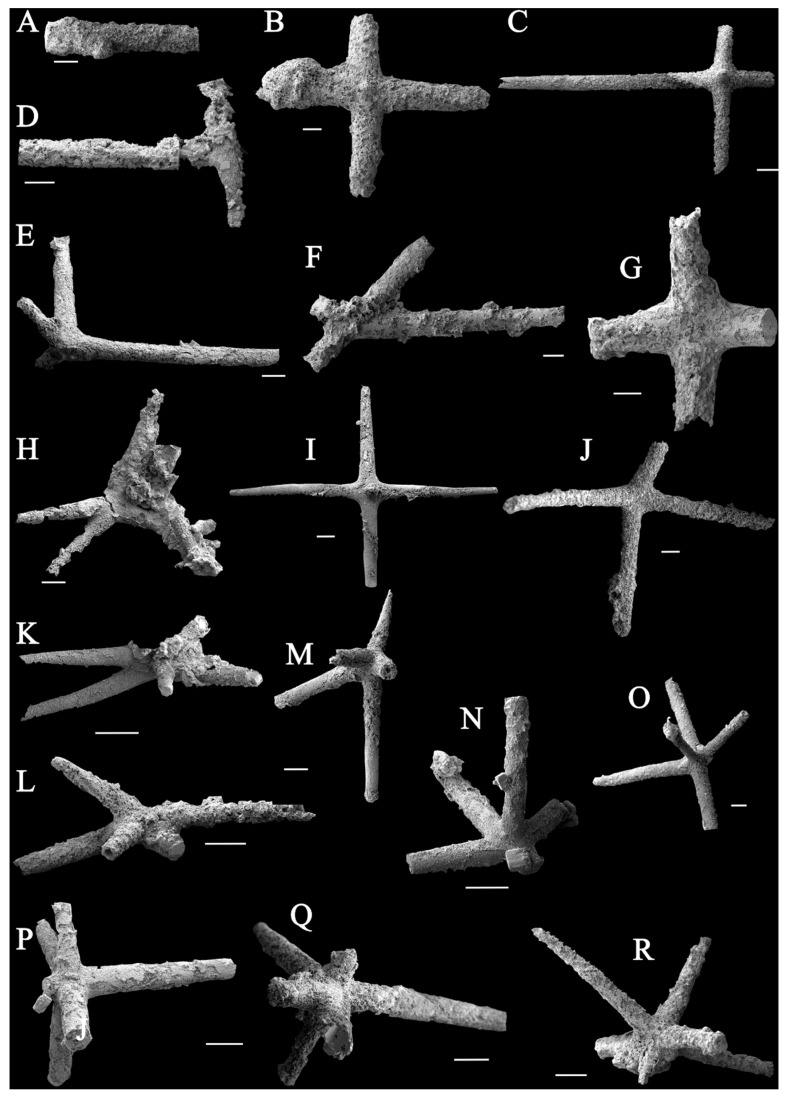 Figure 2
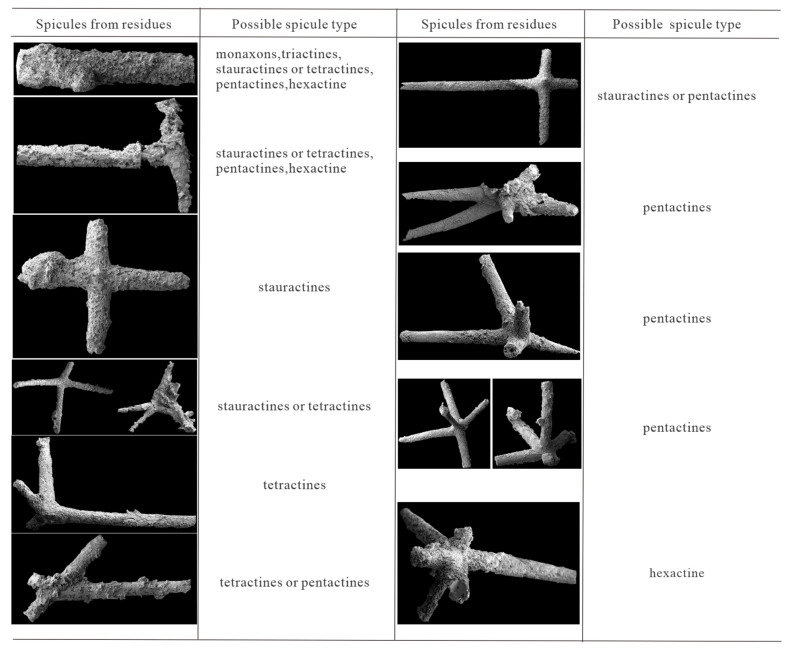 Figure 3
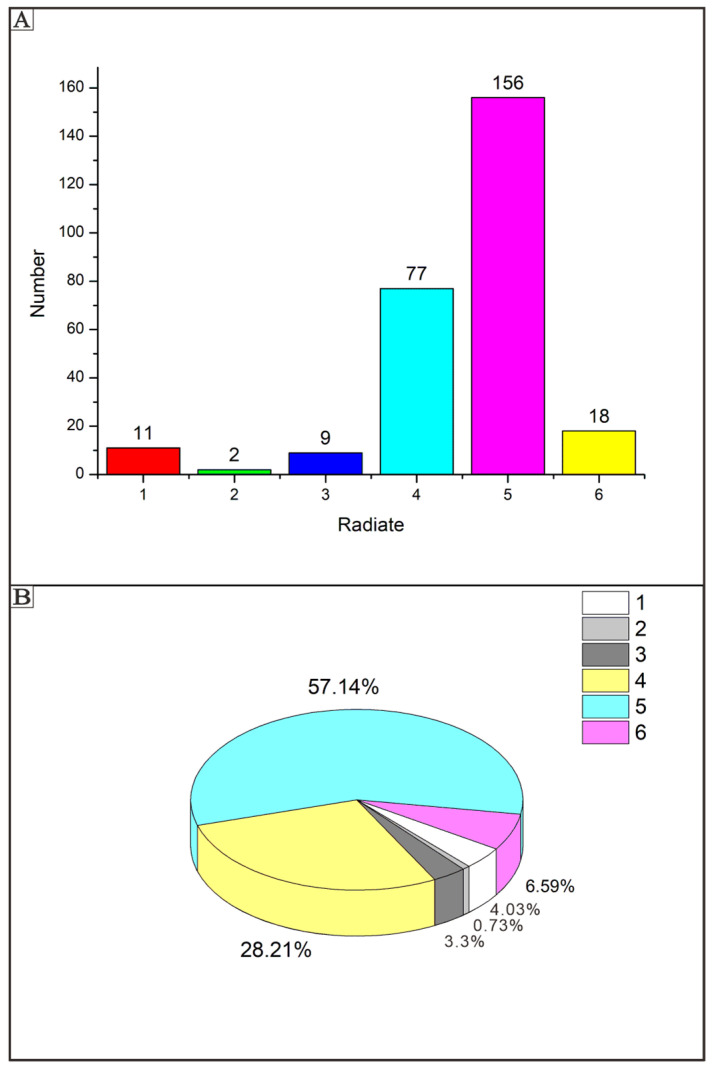 Figure 4
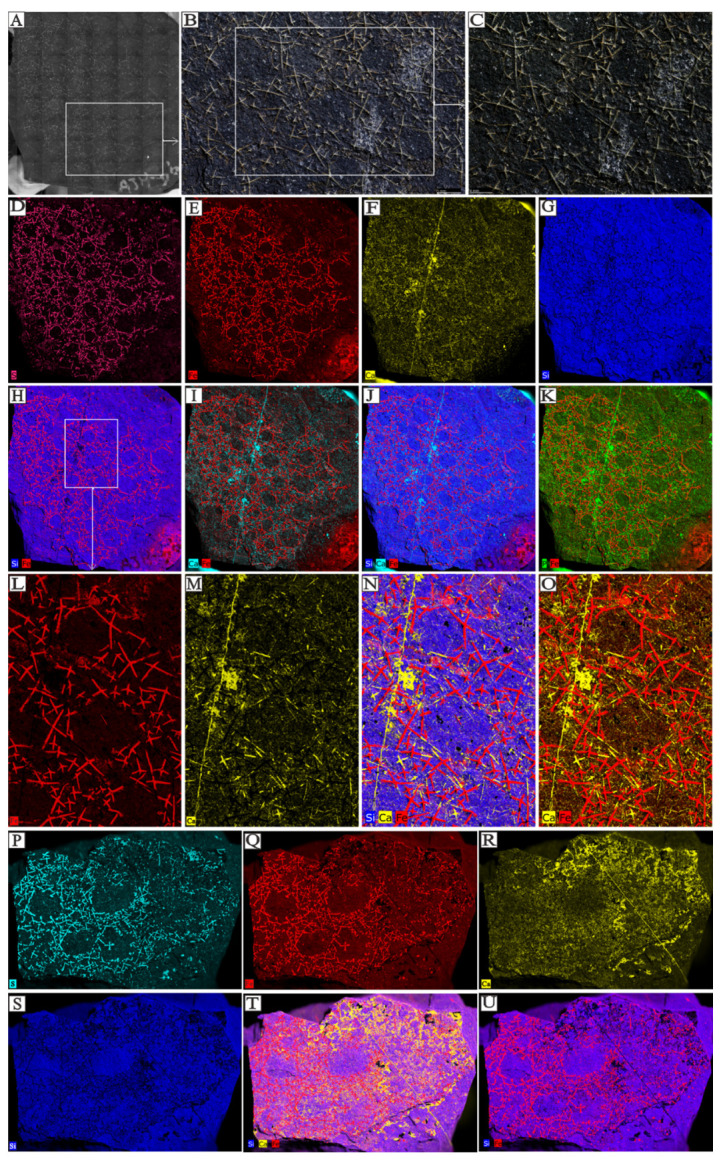 Figure 5
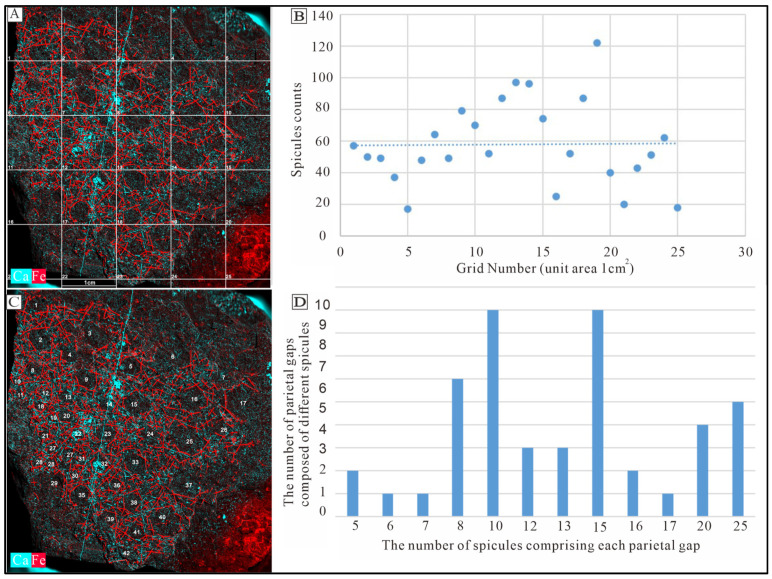 Figure 6
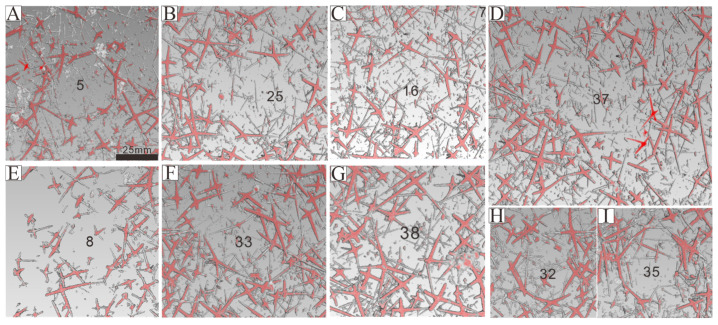 Figure 7
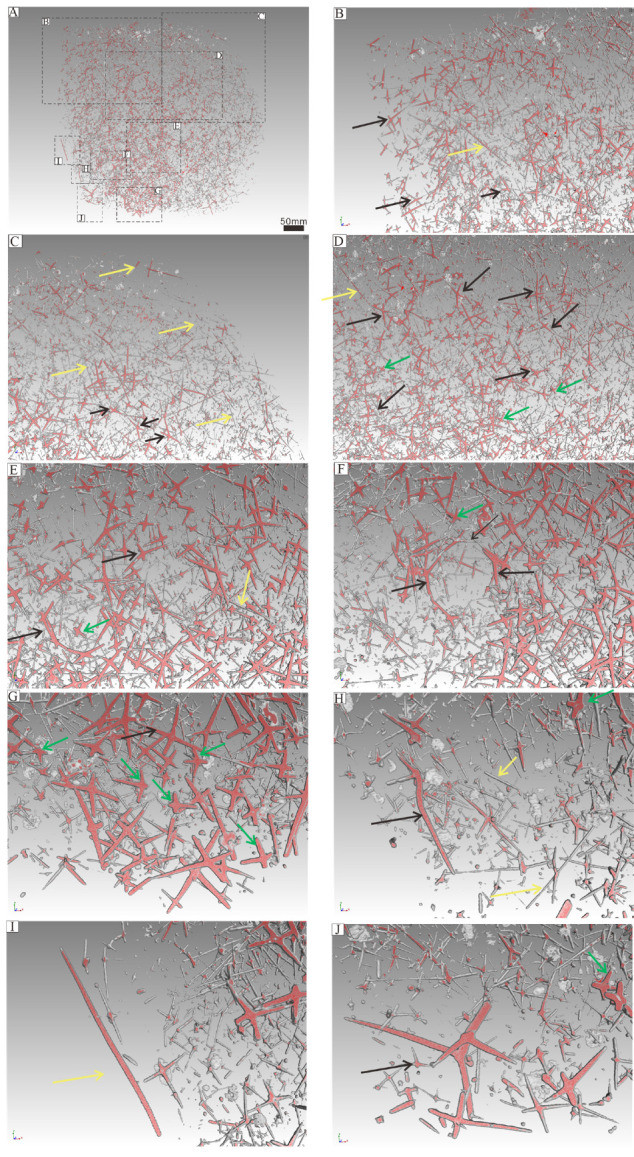 Figure 8
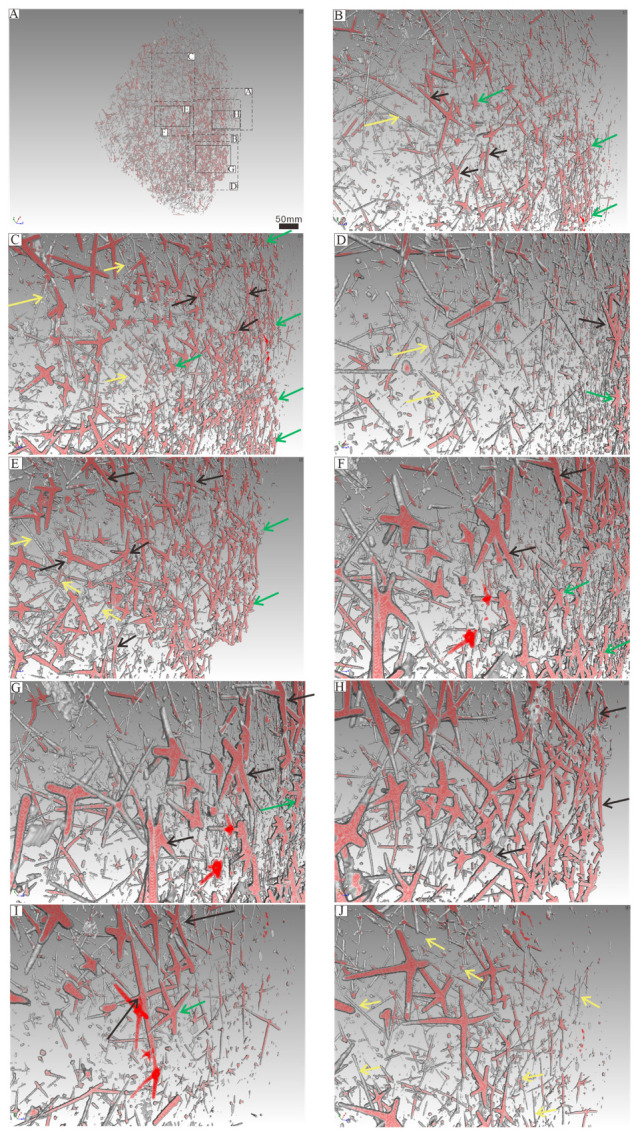 Figure 9
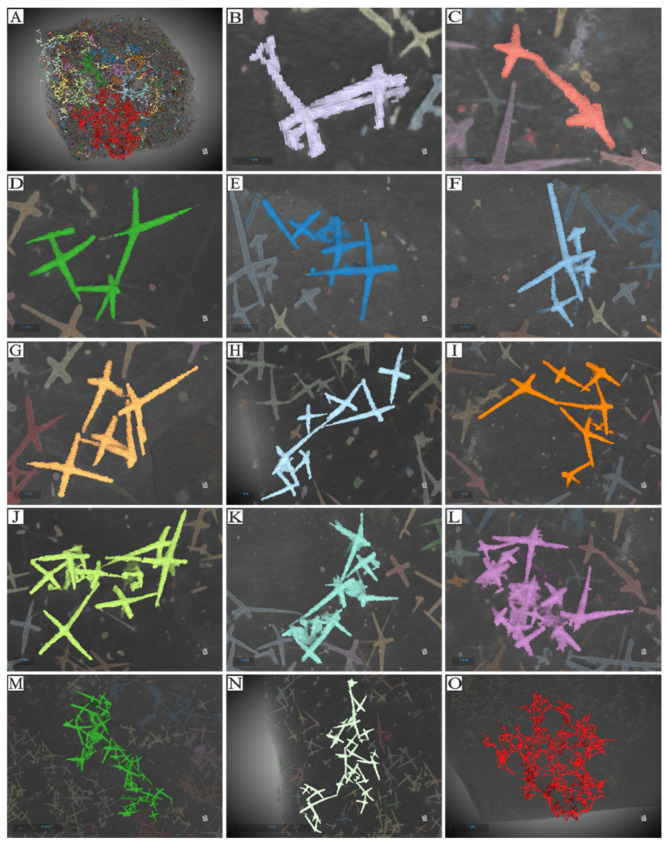 Figure 10
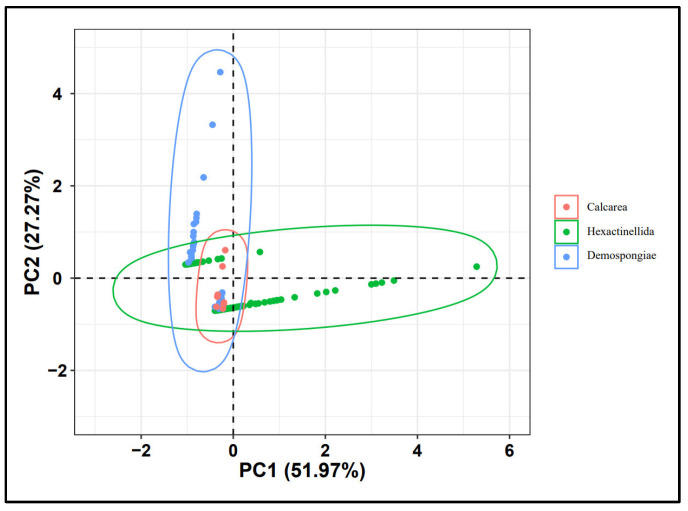 Figure 11
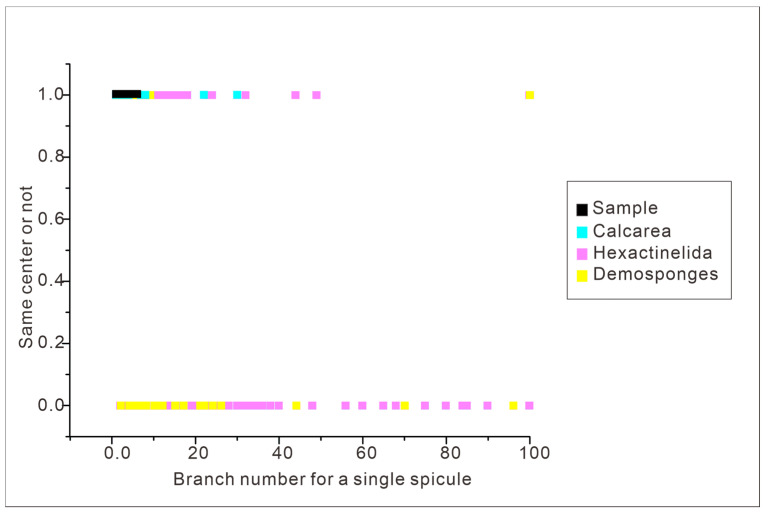 Figure 12
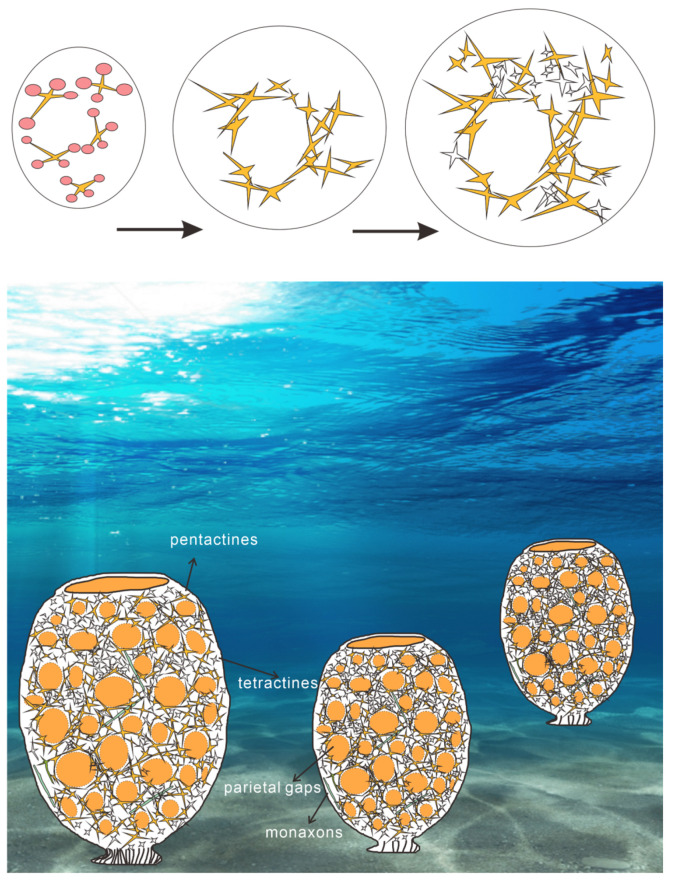 Figure 13
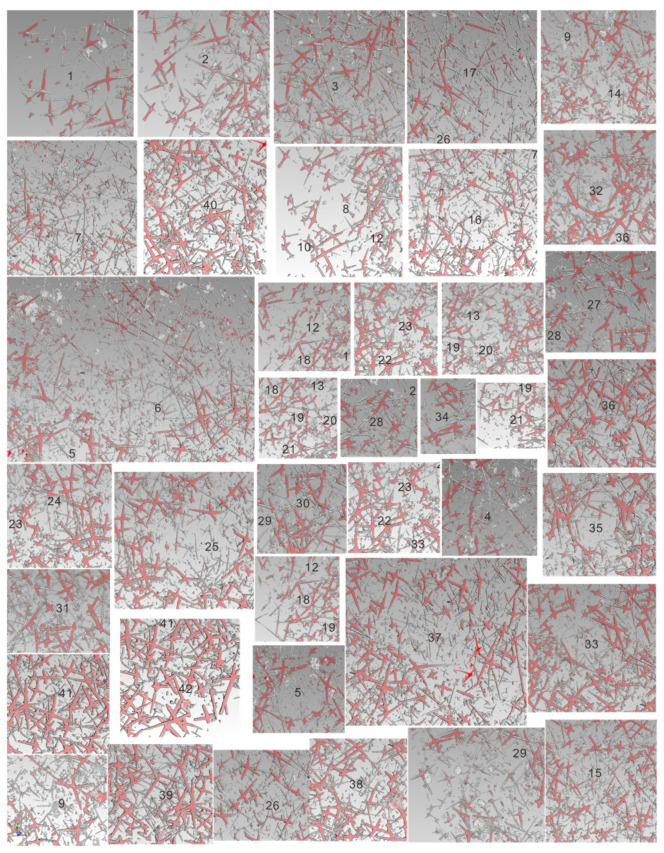 Figure 14
Peer Reviews
No public reviews on file for this paper yet. If you reviewed it on a platform where reviews are public (OpenReview, ICLR, NeurIPS, ICML), you can paste yours below so the community can read it here.
Videos
No videos yet. Explain this paper in a talk, walkthrough, or lecture? Add one.
Taxonomy
TopicsPaleontology and Stratigraphy of Fossils · Geological formations and processes · Paleontology and Evolutionary Biology