Biomimetic Full-Thickness Artificial Skin Using Stromal Vascular Fraction Cells and Autologous Keratinocytes in a Single Scaffold for Wound Healing
Jung Huh, Seong-Ho Jeong, Eun-Sang Dhong, Seung-Kyu Han, Kyung-Chul Moon

TL;DR
Researchers created artificial skin using SVF cells and keratinocytes in a collagen scaffold, which could help heal wounds more effectively.
Contribution
A novel full-thickness artificial skin design using SVF cells and keratinocytes in a single scaffold with a gradient pore-density structure.
Findings
Collagen-elastin scaffolds retained higher structural integrity and showed greater tensile strength (4.2 N) compared to collagen-only scaffolds (2.2 N).
Cell viability for both keratinocytes and SVF cells remained high over seven days, reaching up to 97%.
The artificial skin design combines dermal and epidermal layers in a single scaffold for potential wound healing applications.
Abstract
We developed biomimetic full-thickness artificial skin using stromal vascular fraction (SVF) cells and autologous keratinocytes for the dermal and epidermal layers of skin, respectively. Full-thickness artificial skin scaffolds were fabricated using 4% porcine collagen and/or elastin in a low-temperature three-dimensional printer. Two types of scaffolds with collagen-to-elastin ratios of 100:0 and 100:4 were printed and compared. The scaffolds were analyzed for collagenase degradation, tensile strength, and structural features using scanning electron microscopy. By 24 h, the collagen-only scaffolds showed gradual degradation, and the collagen-elastin scaffolds retained the highest structural integrity but were not degraded. In the tensile strength tests, the collagen-only scaffolds exhibited a tensile strength of 2.2 N, while the collagen-elastin scaffolds showed a tensile strength of…
Genes, proteins, chemicals, diseases, species, mutations and cell lines named across the full text — each resolved to its canonical identifier and authoritative record.
Click any figure to enlarge with its caption.
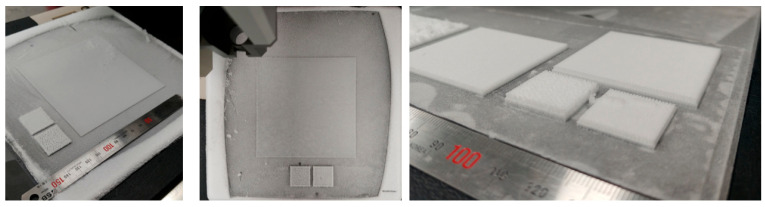 Figure 1
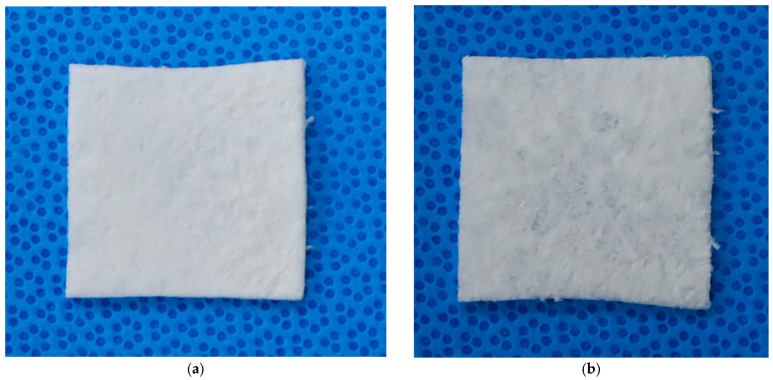 Figure 2
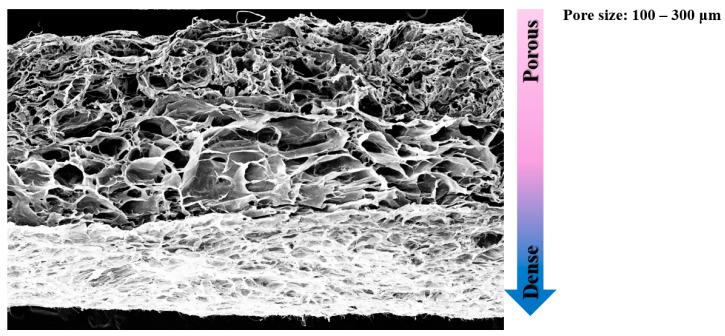 Figure 3
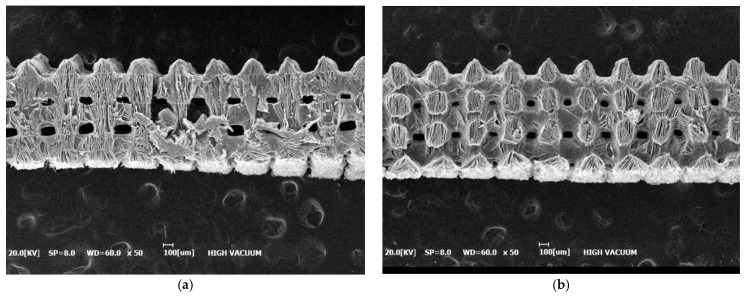 Figure 4
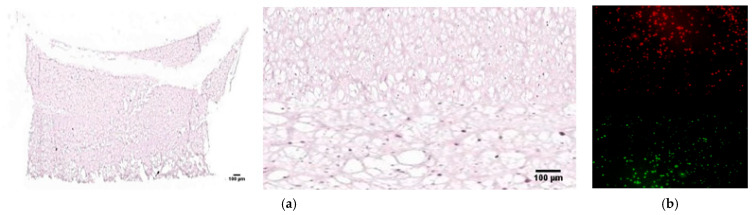 Figure 5
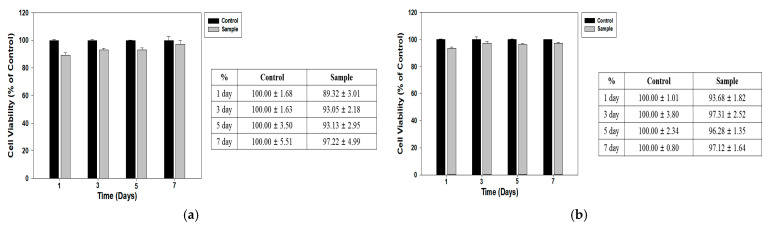 Figure 6
Peer Reviews
No public reviews on file for this paper yet. If you reviewed it on a platform where reviews are public (OpenReview, ICLR, NeurIPS, ICML), you can paste yours below so the community can read it here.
Videos
No videos yet. Explain this paper in a talk, walkthrough, or lecture? Add one.
Taxonomy
TopicsWound Healing and Treatments · Electrospun Nanofibers in Biomedical Applications · 3D Printing in Biomedical Research