Regeneration of Insulin-Producing β Cells, Reduction in Inflammation and Oxidation Stress, and Improvement in Lipid Profile in a Type 1 Diabetes Rat Model by Intraperitoneal Injection of the Growth Factors-Rich Catfish Skin-Derived Fraction-B: An Introductory Report
Jassim M. Al-Hassan, Waleed M. Renno, Sosamma Oommen, Divya Nair, Bincy Maniyalil Paul, Bincy Mathew, Jijin Kumar, Afna Ummerkutty, Cecil Pace-Asciak

TL;DR
A catfish skin-derived treatment helped regenerate insulin-producing cells in diabetic rats, reducing inflammation and improving health without side effects.
Contribution
This study introduces a novel catfish skin-derived fraction that regenerates β-cells in a T1D rat model without immunosuppressants.
Findings
FB treatment reduced blood glucose and increased insulin and C-peptide levels in diabetic rats.
Histopathological analysis confirmed regeneration of functional β-cells in pancreatic islets.
FB improved lipid profiles and reduced inflammation and oxidative stress without toxicity.
Abstract
Type 1 diabetes (T1D) results from the autoimmune destruction of insulin-producing β-cells. The regeneration of durable insulin-producing β-cells remains a critical challenge. This study investigated the regenerative potential of Fraction-B (FB), a catfish skin-derived preparation rich in growth factors, in a T1D rat model to regenerate active β-cells. Sprague Dawley rats with T1D caused by streptozotocin injection received daily intraperitoneal injections of FB for 8 weeks. FB treatment significantly reduced blood glucose to a level close to that of normal control animals, increased serum insulin and C-peptide, and restored pancreatic insulin content. Histopathological and immunohistochemical analyses confirmed the regeneration of insulin-producing β-cells in pancreatic islets. FB treatment also improved diabetes-related health issues through a reduction in inflammation and oxidative…
Genes, proteins, chemicals, diseases, species, mutations and cell lines named across the full text — each resolved to its canonical identifier and authoritative record.
Click any figure to enlarge with its caption.
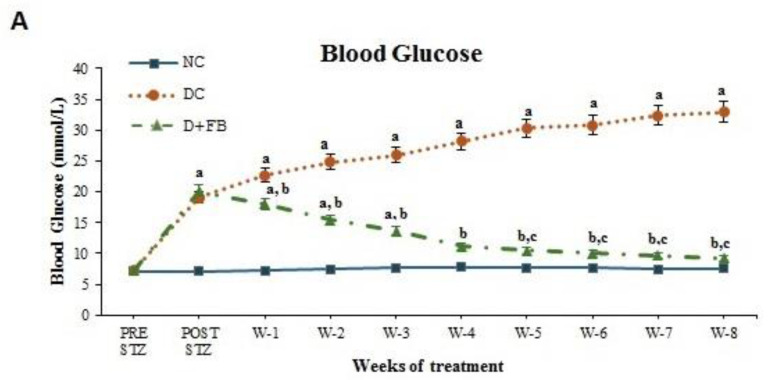 Figure 1
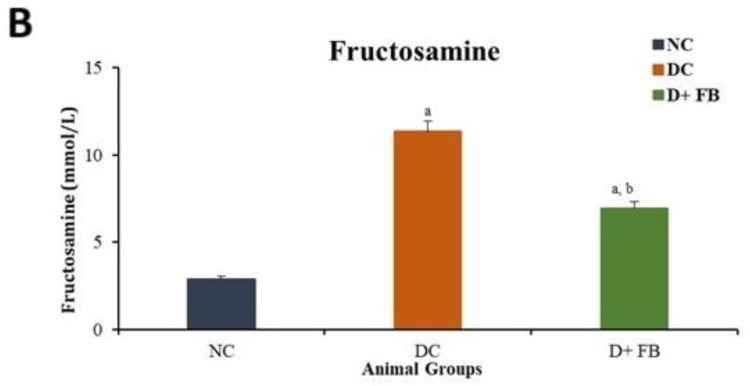 Figure 2
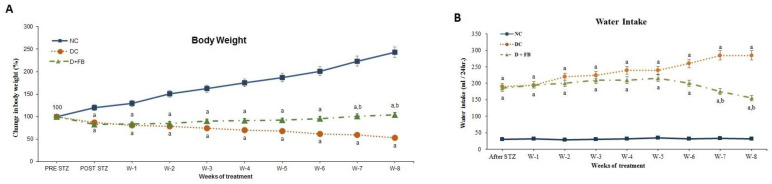 Figure 3
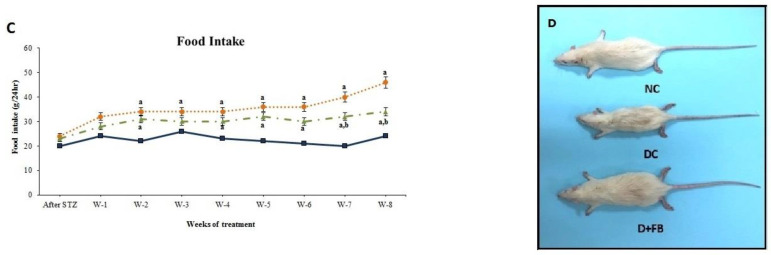 Figure 4
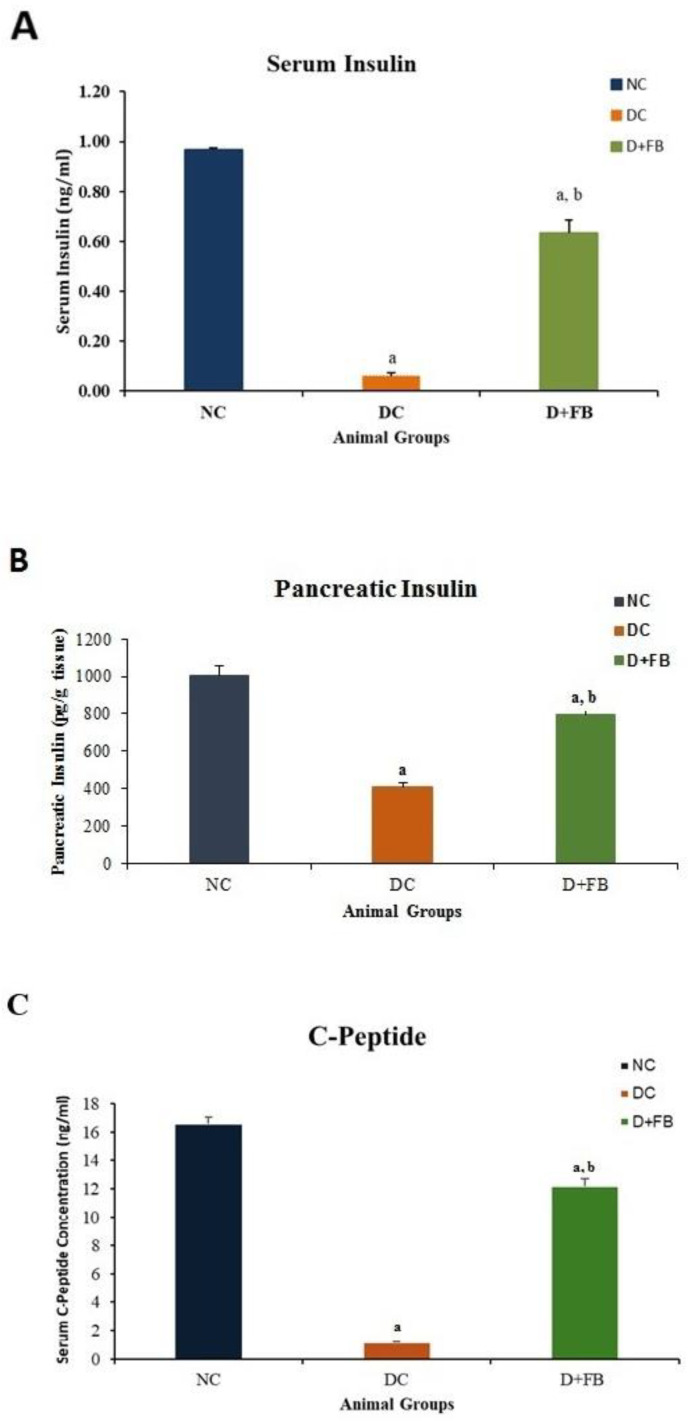 Figure 5
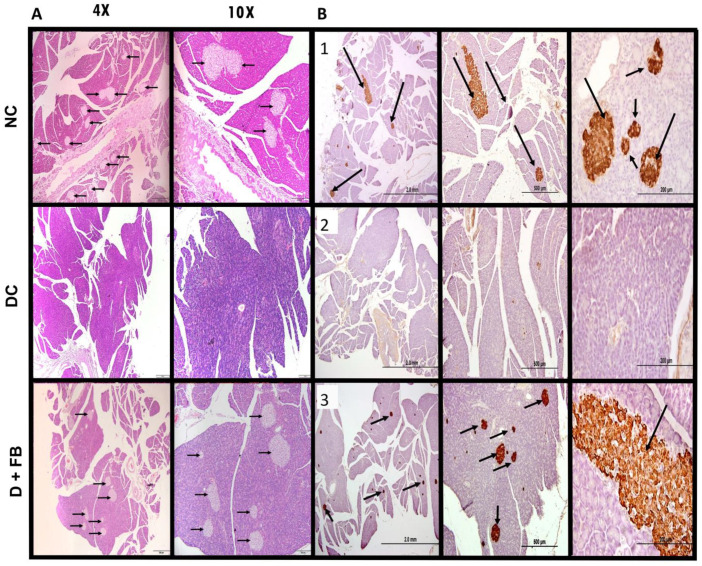 Figure 6
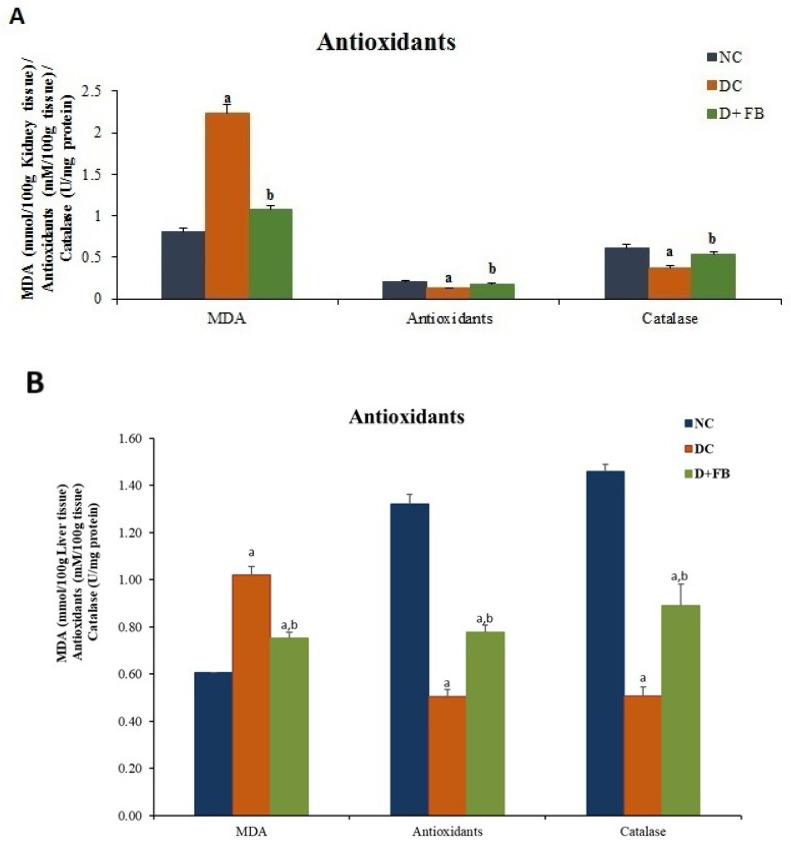 Figure 7
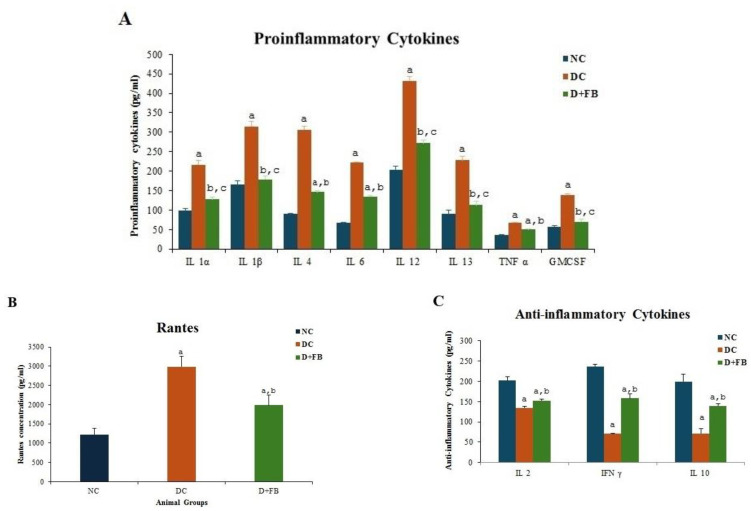 Figure 8
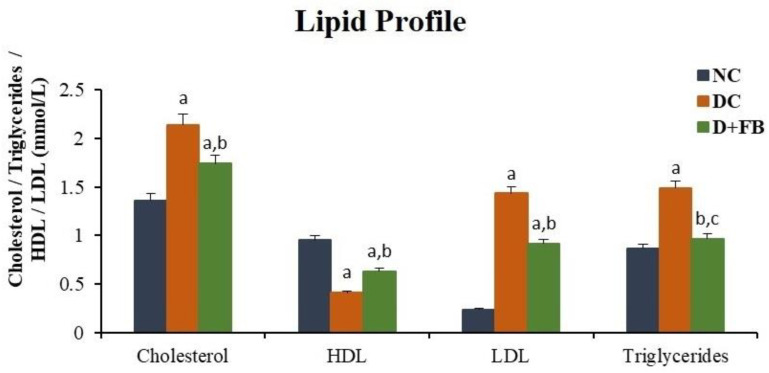 Figure 9
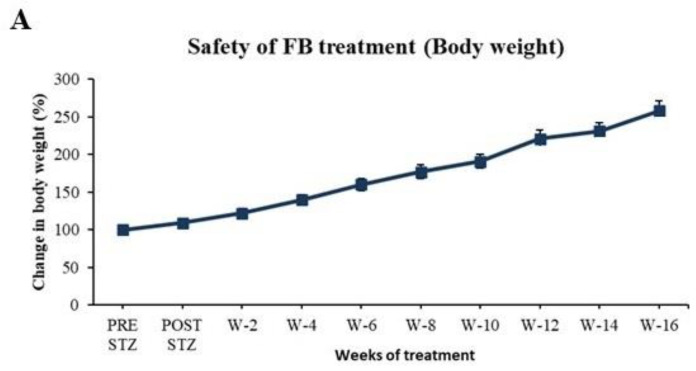 Figure 10
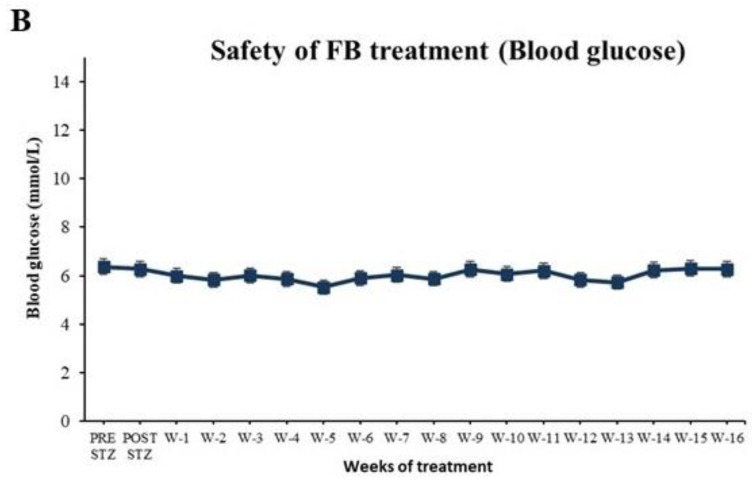 Figure 11
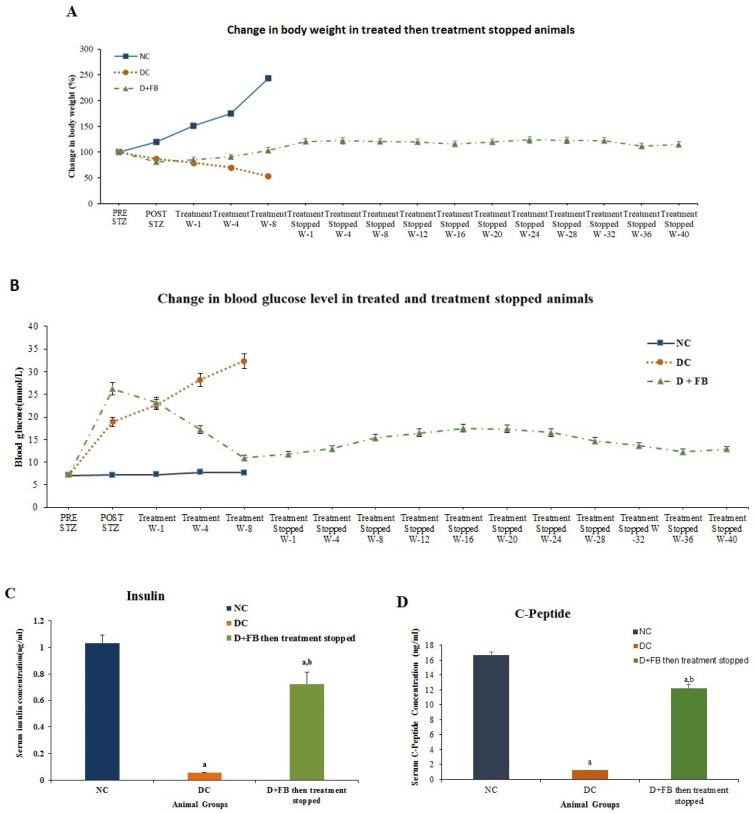 Figure 12
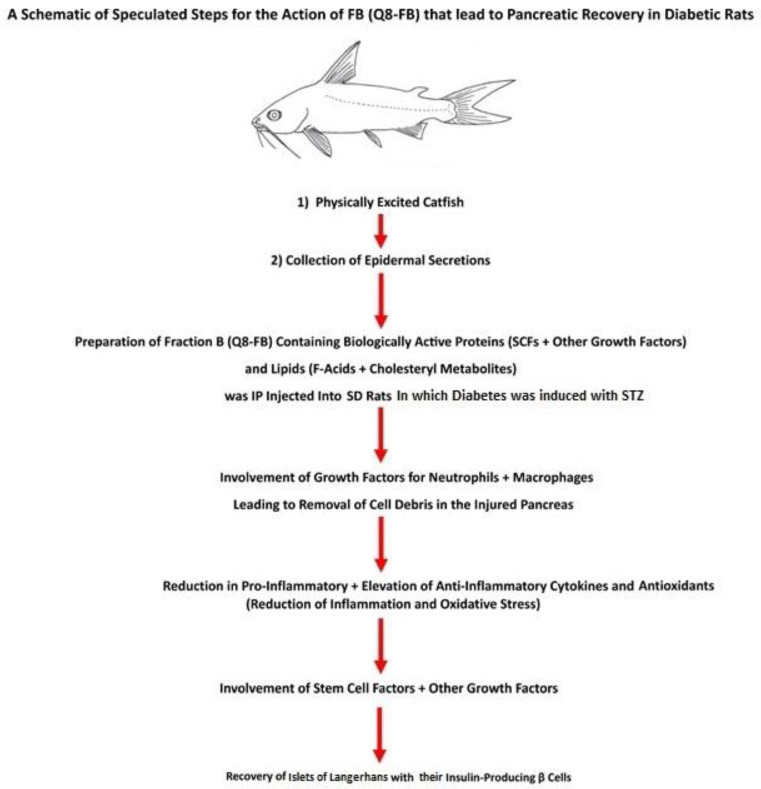 Figure 13
 Figure 14
 Figure 15
 Figure 16
 Figure 17
 Figure 18
 Figure 19
Peer Reviews
No public reviews on file for this paper yet. If you reviewed it on a platform where reviews are public (OpenReview, ICLR, NeurIPS, ICML), you can paste yours below so the community can read it here.
Videos
No videos yet. Explain this paper in a talk, walkthrough, or lecture? Add one.
Taxonomy
TopicsPancreatic function and diabetes · Apelin-related biomedical research · Diet, Metabolism, and Disease