Exploring the Causes of the Cambrian Explosion Based on the Evolution Mechanism of Genome Sequences
Xiaolong Li, Hong Li, Zhenhua Yang, Qiang Zhang, Liaofu Luo

TL;DR
This study explores the Cambrian explosion by analyzing genome sequence evolution in modern species, suggesting a shift in evolutionary modes may have triggered the event.
Contribution
A novel framework for studying ancient evolutionary events using genome sequence data from modern species.
Findings
The transition from TA-independent to CG-independent selection dominance may have catalyzed the Cambrian explosion.
Estimated species origin times align with paleontological evidence for many animal and some plant groups.
Discrepancies in certain plant groups suggest the need for further investigation.
Abstract
This study investigated a possible cause of the Cambrian explosion—a rapid increase in biodiversity around 540–560 million years ago—by analyzing evolution modes of genome sequences in modern species. Specifically, we examined two evolutionary modes: CG- and TA-independent selection, both of which play critical roles in shaping genome sequence changes across different evolutionary levels of species. Our findings suggest that the transition from TA-independent selection dominance to CG-independent selection dominance may have acted as a catalyst for this ancient biological event. By estimating evolution timelines based on this transition, we reconstructed the origins of major species groups, which are consistent with existing paleontological evidence. This methodology offers a novel framework for studying ancient evolution events through the lens of genome sequence data from modern…
Genes, proteins, chemicals, diseases, species, mutations and cell lines named across the full text — each resolved to its canonical identifier and authoritative record.
Click any figure to enlarge with its caption.
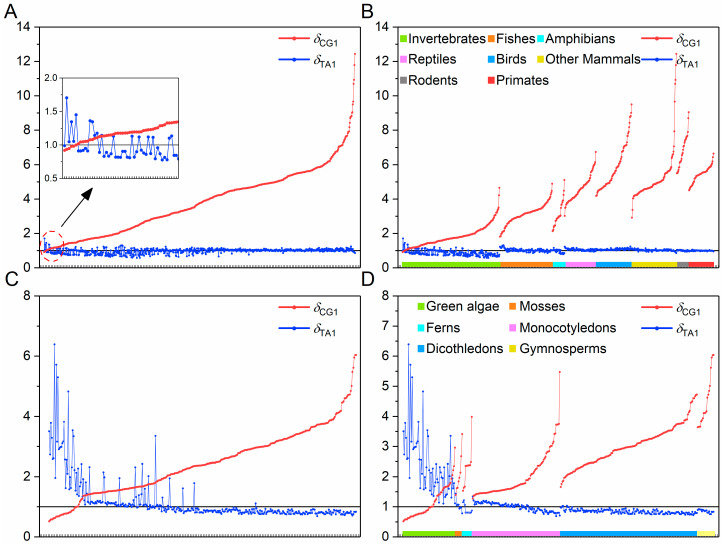 Figure 1
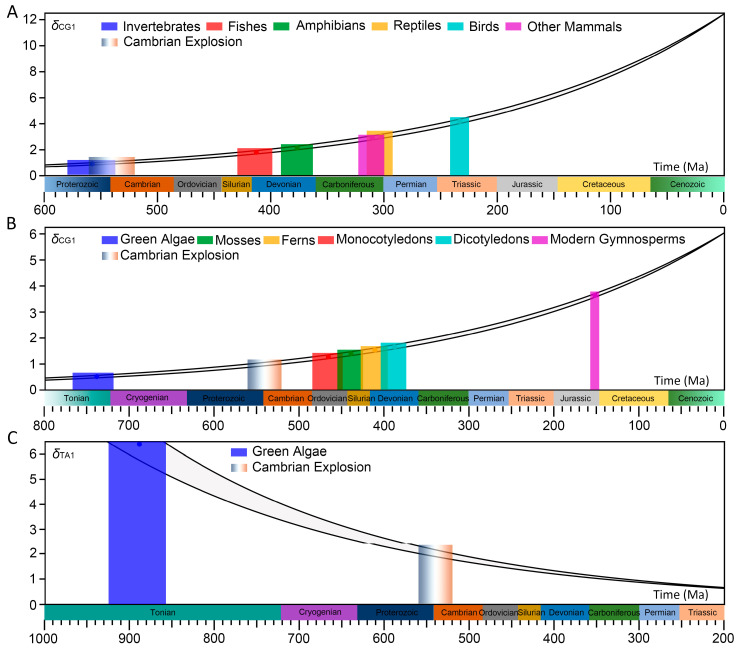 Figure 2
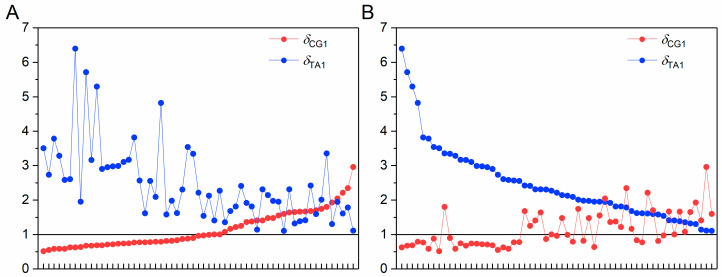 Figure 3
Peer Reviews
No public reviews on file for this paper yet. If you reviewed it on a platform where reviews are public (OpenReview, ICLR, NeurIPS, ICML), you can paste yours below so the community can read it here.
Videos
No videos yet. Explain this paper in a talk, walkthrough, or lecture? Add one.
Taxonomy
TopicsGenomics and Phylogenetic Studies · Paleontology and Stratigraphy of Fossils · Protist diversity and phylogeny