Single-Nucleus Transcriptomics Reveals Glial Metabolic–Immune Rewiring and Intercellular Signaling Disruption in Chronic Migraine
Shuangyuan Hu, Zili Tang, Shiqi Sun, Lu Liu, Yuyan Wang, Longyao Xu, Jing Yuan, Ying Chen, Mingsheng Sun, Ling Zhao

TL;DR
This study uses single-nucleus RNA sequencing to uncover how glial cells in the brain change in chronic migraine, revealing new insights into their role in pain processing.
Contribution
The paper presents a high-resolution atlas of glial reprogramming in chronic migraine, highlighting metabolic-immune transitions and disrupted intercellular communication.
Findings
Reactive microglia and astrocytes show distinct metabolic and immune pathway activation in chronic migraine.
Pseudotime analysis reveals divergent paths of glial activation toward terminal reactive states.
Intercellular communication is disrupted, with reduced homeostatic and increased proinflammatory signaling.
Abstract
Chronic migraine (CM) is a debilitating neurological disorder, yet the glial-specific mechanisms underlying its pathophysiology in the trigeminal nucleus caudalis (TNC)—a critical hub for craniofacial pain processing—remain poorly understood. Here, we employed single-nucleus RNA sequencing (snRNA-seq) to resolve cell-type-specific transcriptional landscapes in a nitroglycerin (NTG)-induced CM rat model, with a particular focus on microglia and astrocytes. We identified 19 transcriptional clusters representing nine major cell types, among which reactive microglia (NTG-Mic) and astrocytes (NTG-Asts) were markedly expanded. The NTG-Mic displayed a glycolysis-dominant, complement-enriched state, whereas the NTG-Asts exhibited concurrent activation of amino acid transport and cytokine signaling pathways. Pseudotime trajectory analysis revealed bifurcated glial activation paths, with NTG…
Genes, proteins, chemicals, diseases, species, mutations and cell lines named across the full text — each resolved to its canonical identifier and authoritative record.
Click any figure to enlarge with its caption.
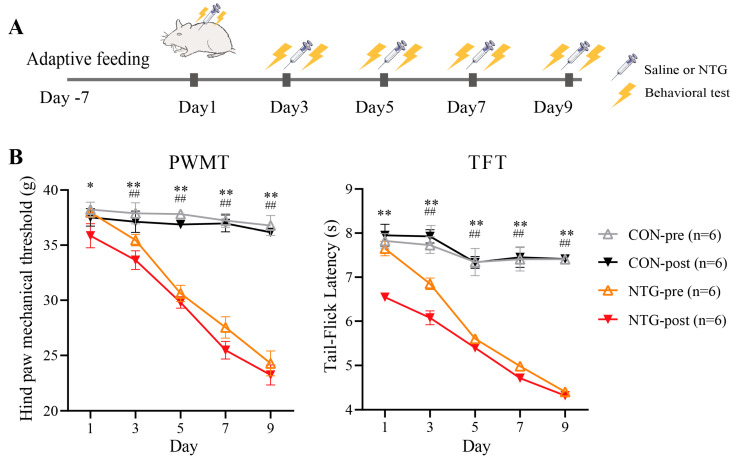 Figure 1
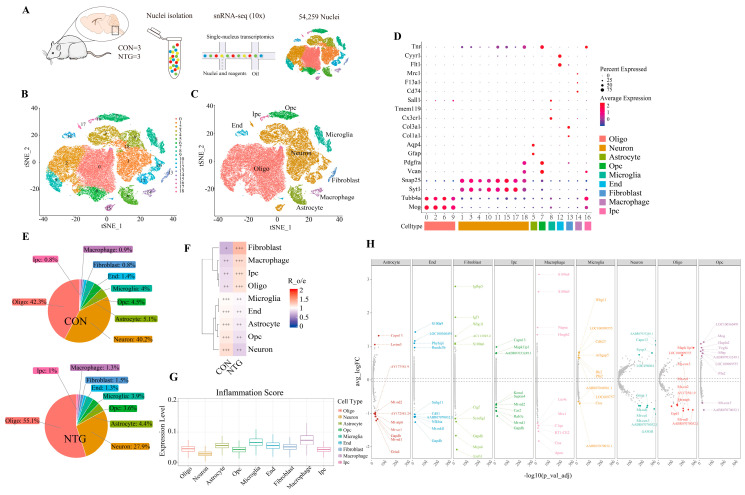 Figure 2
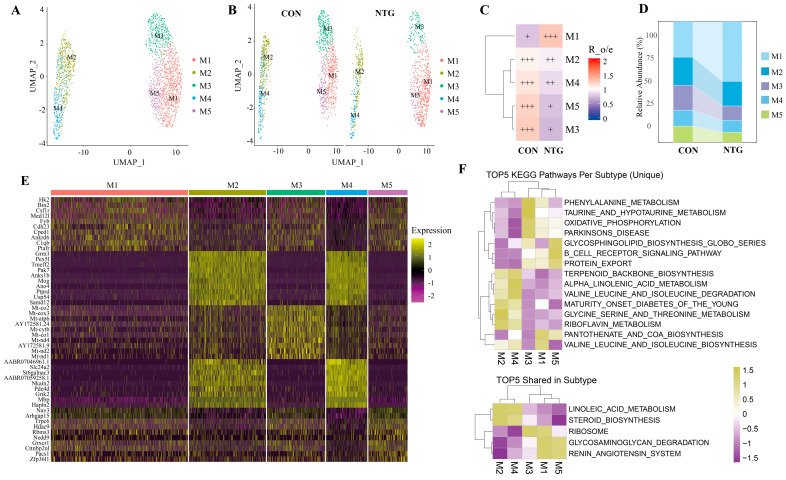 Figure 3
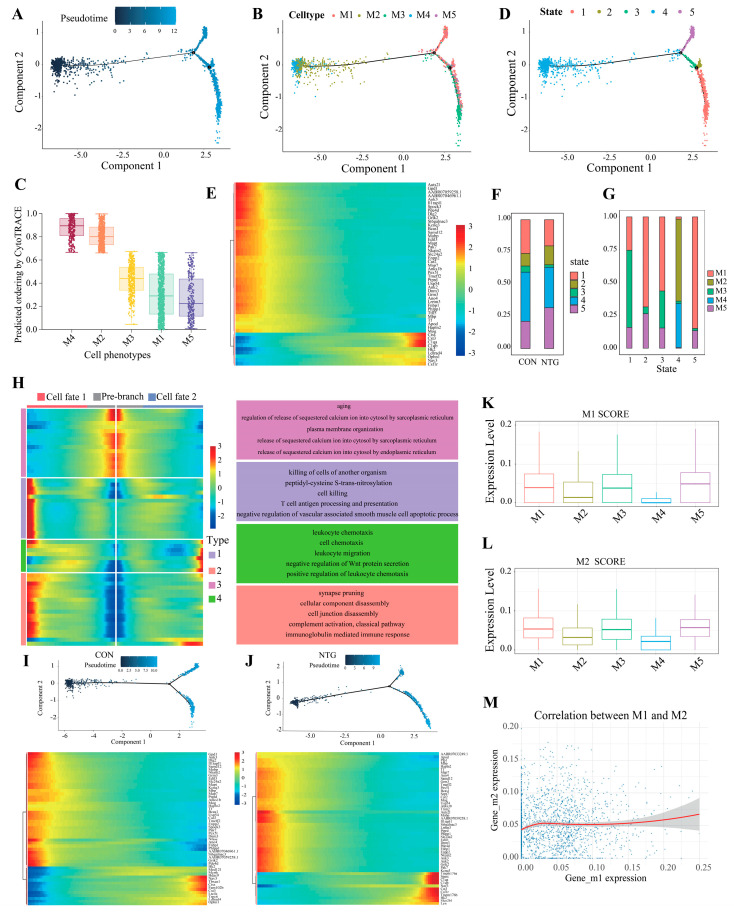 Figure 4
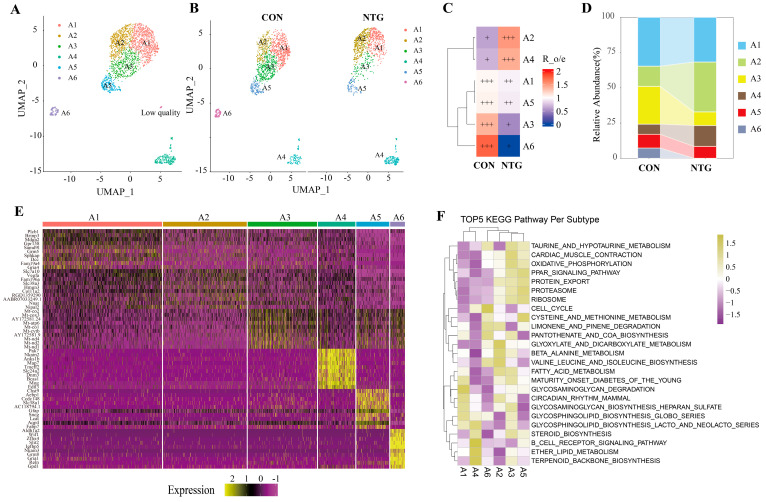 Figure 5
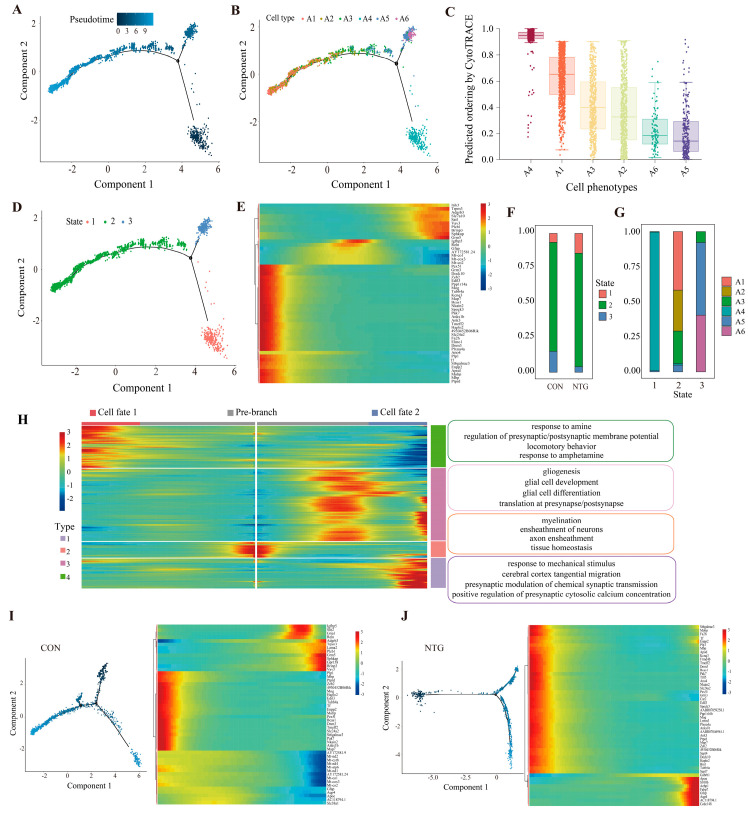 Figure 6
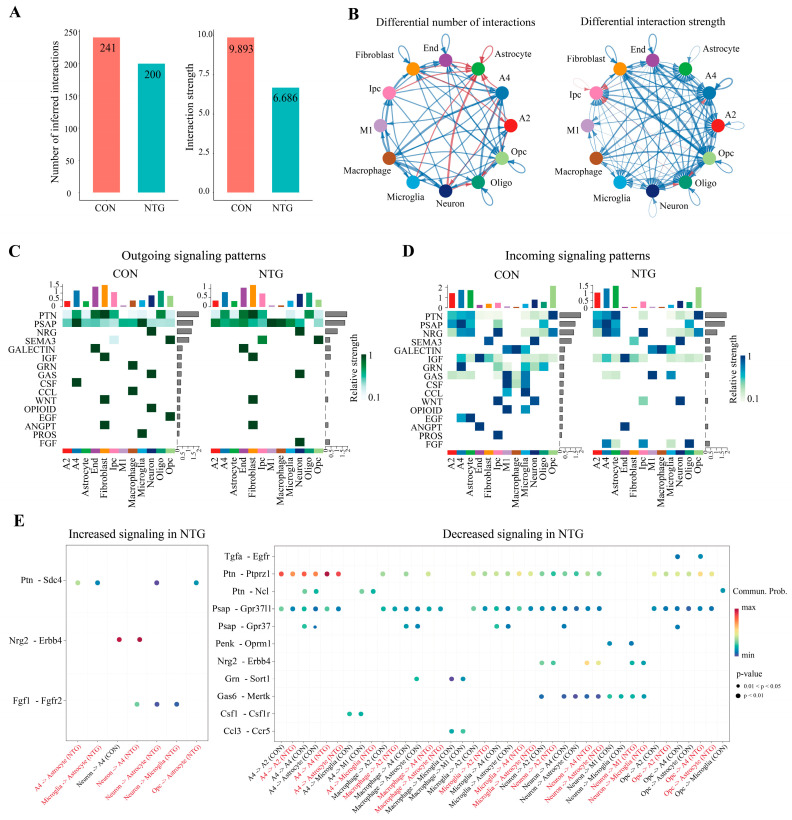 Figure 7
Peer Reviews
No public reviews on file for this paper yet. If you reviewed it on a platform where reviews are public (OpenReview, ICLR, NeurIPS, ICML), you can paste yours below so the community can read it here.
Videos
No videos yet. Explain this paper in a talk, walkthrough, or lecture? Add one.
Taxonomy
TopicsNeuroinflammation and Neurodegeneration Mechanisms · Olfactory and Sensory Function Studies · Migraine and Headache Studies