Enhanced Oilfield-Produced-Water Treatment Using Fe3+-Augmented Composite Bioreactor: Performance and Microbial Community Dynamics
Qiushi Zhao, Chunmao Chen, Zhongxi Chen, Hongman Shan, Jiahao Liang

TL;DR
A new bioreactor using Fe3+ improves oilfield water treatment by removing pollutants and supports microbial interactions that break down complex hydrocarbons.
Contribution
The study introduces an Fe3+-augmented bioreactor that enhances multi-pollutant removal and reveals microbial dynamics in oilfield water treatment.
Findings
The Fe3+-augmented system achieved high removal rates of oil, suspended solids, chemical oxygen demand, and polymers.
Syntrophic interactions between iron-reducing bacteria and methanogenic archaea were strengthened by Fe3+ supplementation.
Long-chain-fatty-acid CoA ligase was identified as a key enzyme linking hydrocarbon degradation and nitrogen cycling.
Abstract
The presence of recalcitrant organic compounds in oilfield-produced-water poses significant challenges for conventional biological treatment technologies. In this study, an Fe3+-augmented composite bioreactor was developed to enhance the multi-pollutant removal performance and to elucidate the associated microbial community dynamics. The Fe3+-augmented system achieved efficient removal of oil (99.18 ± 0.91%), suspended solids (65.81 ± 17.55%), chemical oxygen demand (48.63 ± 15.15%), and polymers (57.72 ± 14.87%). The anaerobic compartment served as the core biotreatment unit, playing a pivotal role in microbial pollutant degradation. High-throughput sequencing indicated that Fe3+ supplementation strengthened syntrophic interactions between iron-reducing bacteria (Trichococcus and Bacillus) and methanogenic archaea (Methanobacterium and Methanomethylovorans), thereby facilitating the…
Genes, proteins, chemicals, diseases, species, mutations and cell lines named across the full text — each resolved to its canonical identifier and authoritative record.
Click any figure to enlarge with its caption.
 Figure 1
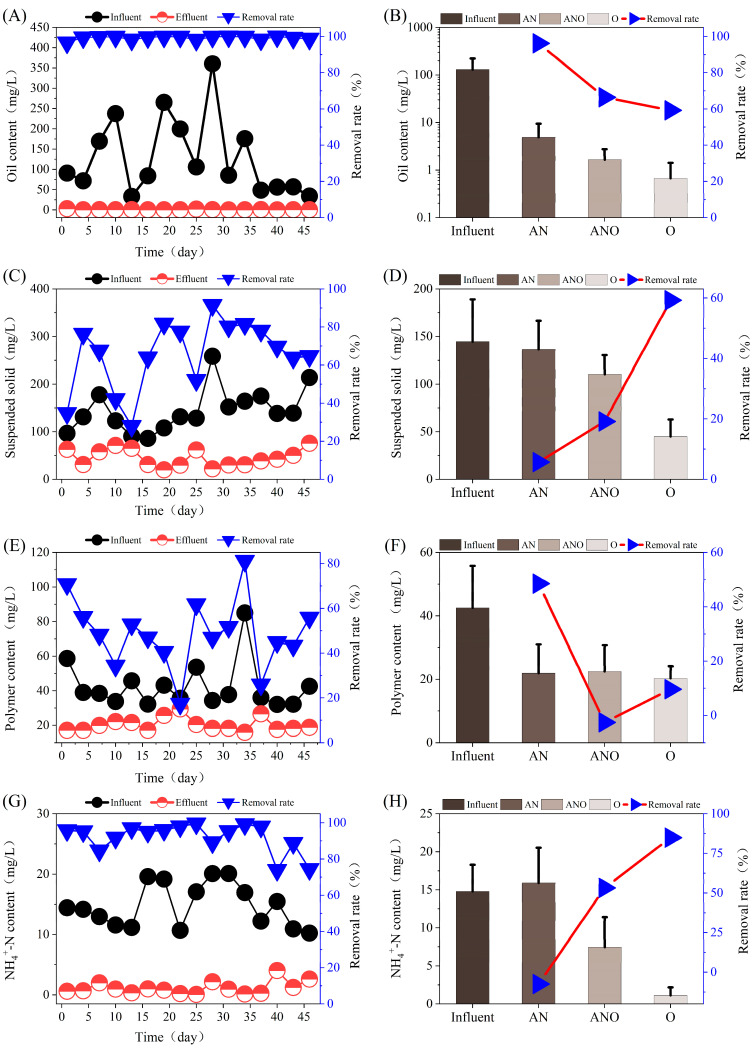 Figure 2
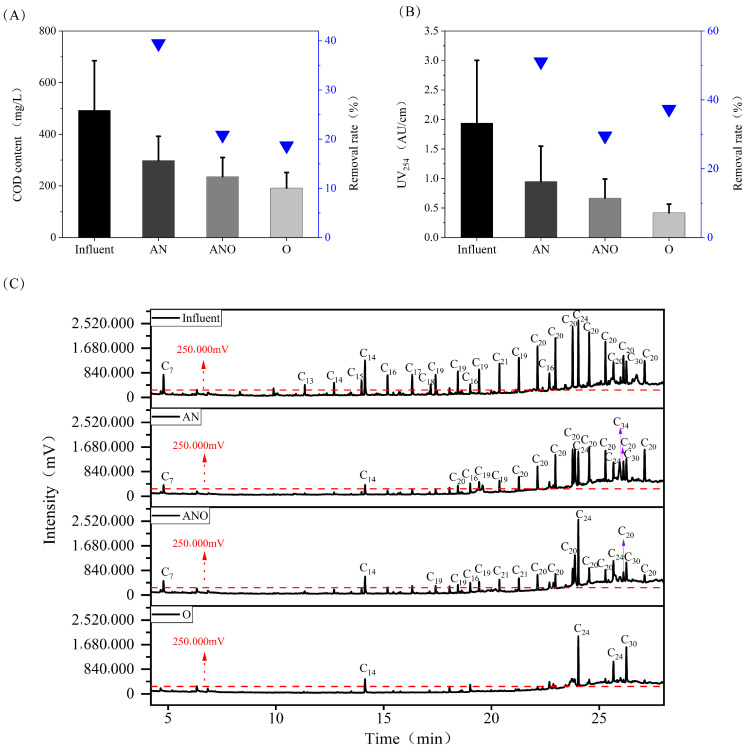 Figure 3
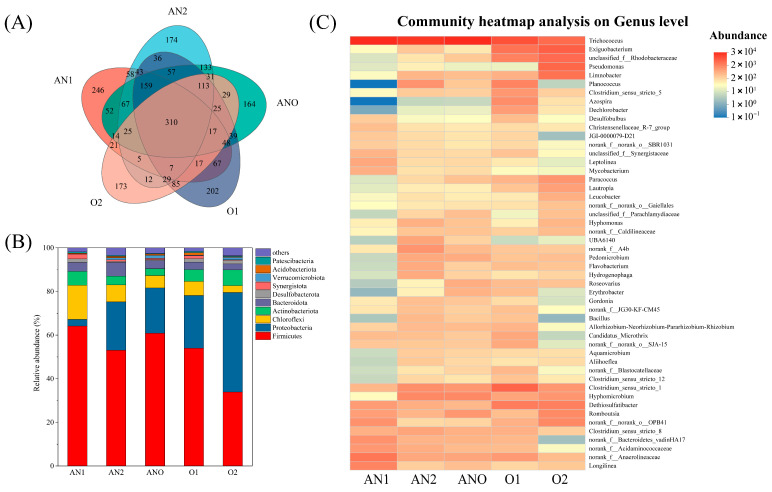 Figure 4
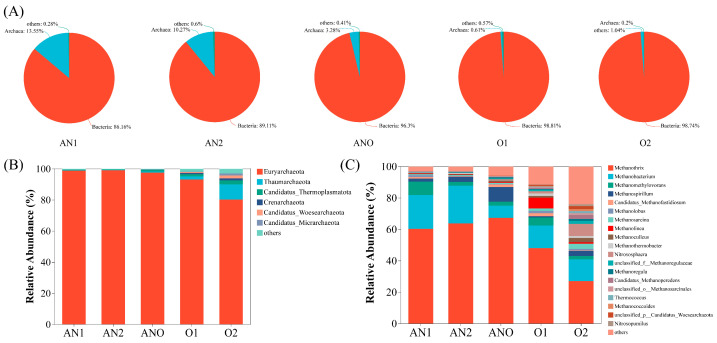 Figure 5
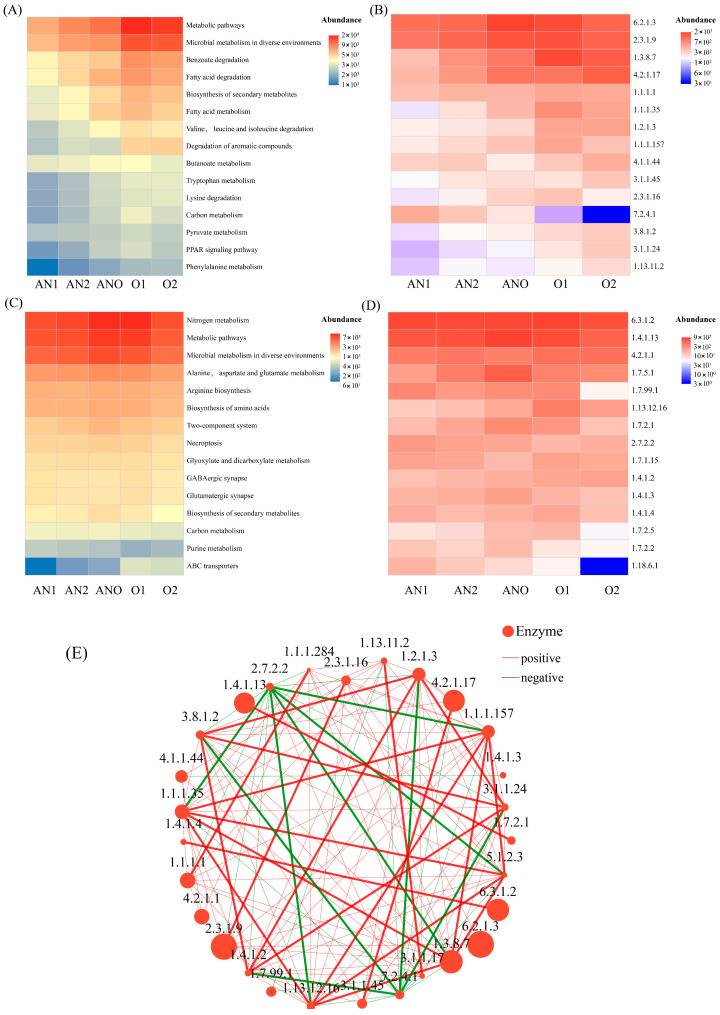 Figure 6
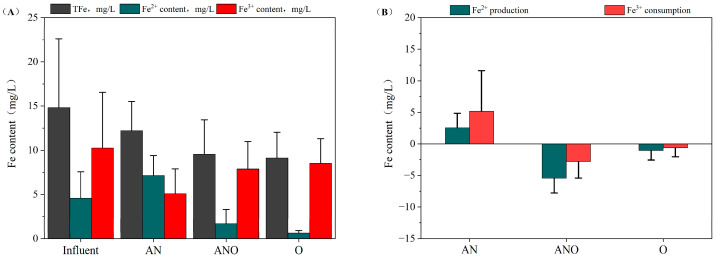 Figure 7
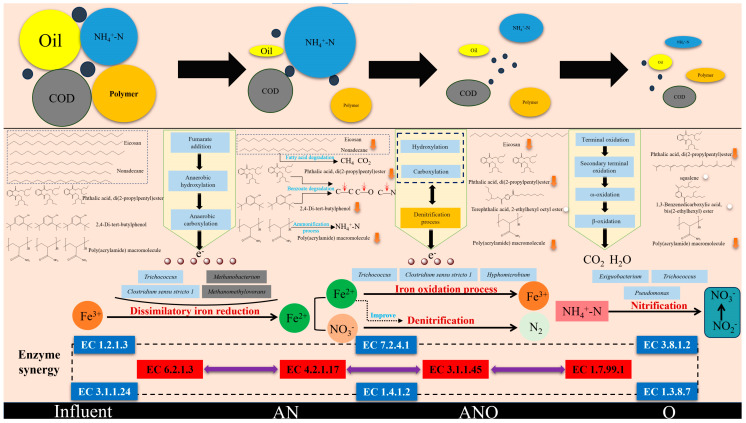 Figure 8
Peer Reviews
No public reviews on file for this paper yet. If you reviewed it on a platform where reviews are public (OpenReview, ICLR, NeurIPS, ICML), you can paste yours below so the community can read it here.
Videos
No videos yet. Explain this paper in a talk, walkthrough, or lecture? Add one.
Taxonomy
TopicsMicrobial bioremediation and biosurfactants · Enhanced Oil Recovery Techniques · Anaerobic Digestion and Biogas Production