Cell-Type Annotation for scATAC-Seq Data by Integrating Chromatin Accessibility and Genome Sequence
Guo Wei, Long Wang, Yan Liu, Xiaohui Zhang

TL;DR
This paper introduces scAttG, a new deep learning method that improves cell-type annotation in scATAC-seq data by combining chromatin accessibility and genomic sequence information.
Contribution
The novel integration of graph attention networks and convolutional neural networks to enhance cell-type annotation using scATAC-seq data and genomic sequences.
Findings
scAttG improves robustness and accuracy in cell-type annotation compared to existing methods.
The model effectively captures chromatin accessibility signals and genomic sequence features.
Experimental results show competitive performance across multiple scATAC-seq datasets.
Abstract
Single-cell Assay for Transposase-Accessible Chromatin using sequencing (scATAC-seq) technology enables single-cell resolution analysis of chromatin accessibility, offering critical insights into gene regulation, epigenetic heterogeneity, and cellular differentiation across various biological contexts. However, existing cell annotation methods face notable limitations. Cross-omics approaches, which rely on single-cell RNA sequencing (scRNA-seq) as a reference, often struggle with data alignment due to fundamental differences between transcriptional and chromatin accessibility modalities. Meanwhile, intra-omics methods, which rely solely on scATAC-seq data, are frequently affected by batch effects and fail to fully utilize genomic sequence information for accurate annotation. To address these challenges, we propose scAttG, a novel deep learning framework that integrates graph attention…
Genes, proteins, chemicals, diseases, species, mutations and cell lines named across the full text — each resolved to its canonical identifier and authoritative record.
Click any figure to enlarge with its caption.
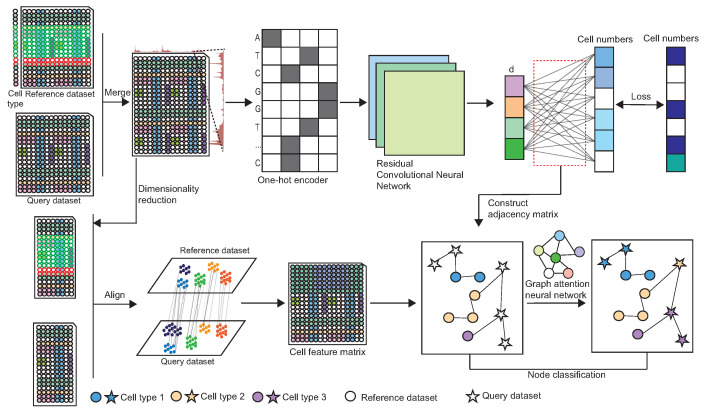 Figure 1
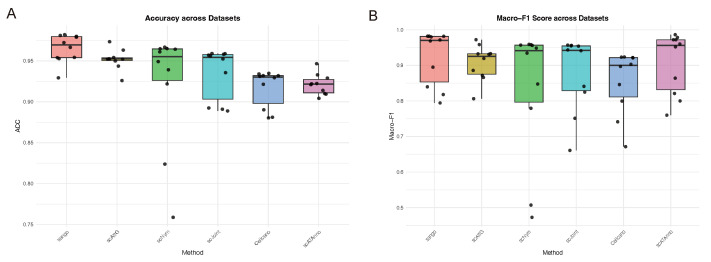 Figure 2
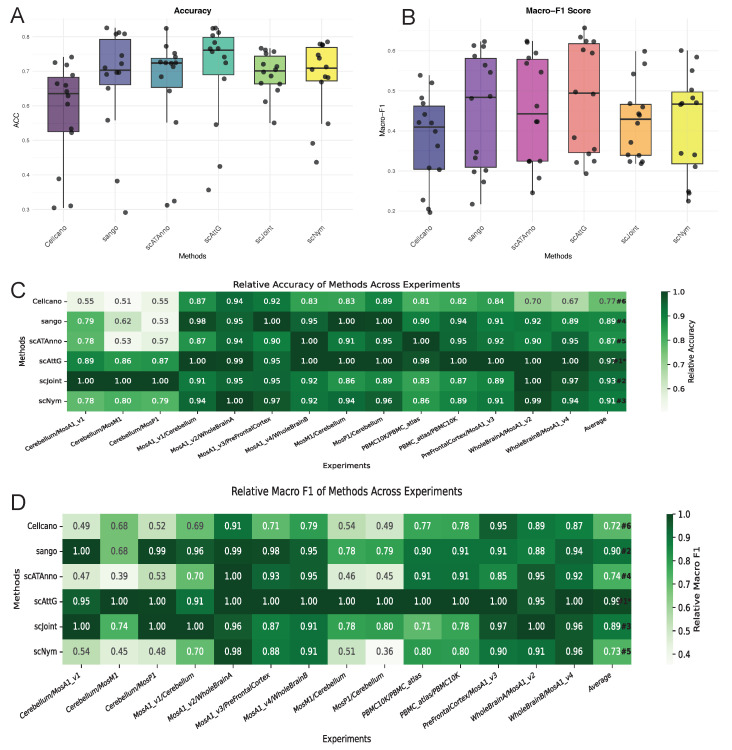 Figure 3
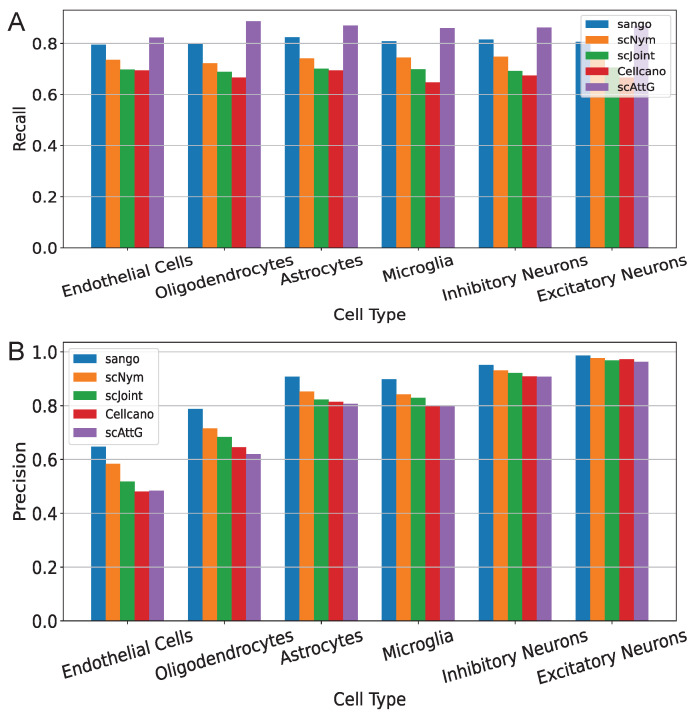 Figure 4
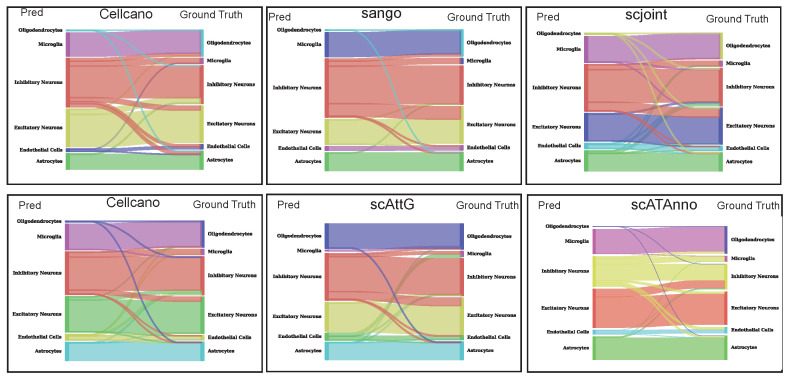 Figure 5
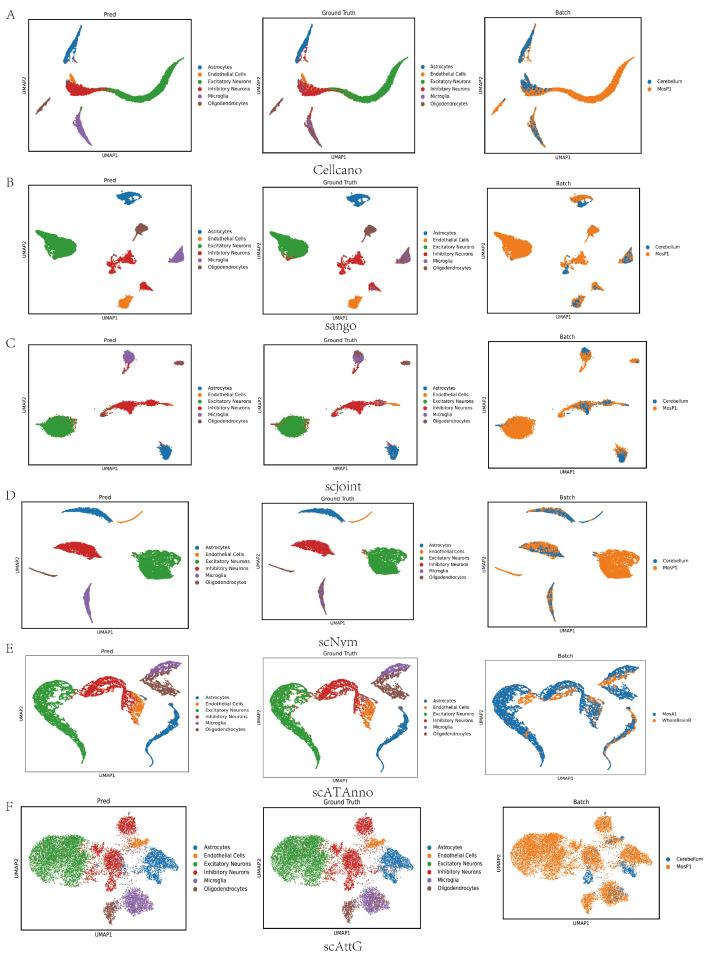 Figure 6
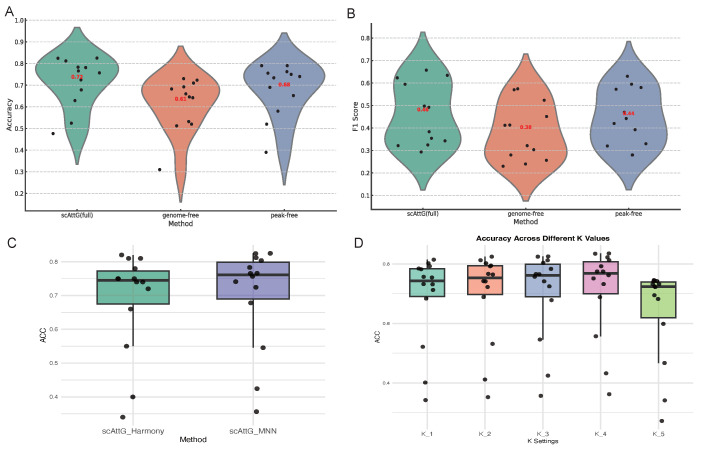 Figure 7
Peer Reviews
No public reviews on file for this paper yet. If you reviewed it on a platform where reviews are public (OpenReview, ICLR, NeurIPS, ICML), you can paste yours below so the community can read it here.
Videos
No videos yet. Explain this paper in a talk, walkthrough, or lecture? Add one.
Taxonomy
TopicsSingle-cell and spatial transcriptomics · Epigenetics and DNA Methylation · Cell Image Analysis Techniques