Transcriptomic, and metabolic profiling reveals adaptive mechanisms of Auricularia heimuer to temperature stress
Chenhong Nie, Shiyan Wei, Shengjin Wu, Liangliang Qi, Jing Feng, Xiaoguo Wang

TL;DR
This study explores how the edible mushroom Auricularia heimuer adapts to different temperature stresses through changes in its growth, gene activity, and metabolism.
Contribution
The study provides a comprehensive transcriptomic and metabolic analysis of A. heimuer's response to prolonged temperature stress.
Findings
Low temperatures suppressed mycelial growth, while high temperatures promoted it, but extremely high temperatures were detrimental.
Transcriptomic analysis identified thousands of differentially expressed genes under various temperature conditions.
High temperature stress led to increased protein synthesis and altered carbohydrate metabolism.
Abstract
Temperature significantly influences the growth and development of edible mushrooms, including the popular Auricularia heimuer. Despite its economic importance, the molecular mechanisms that enable A. heimuer to withstand prolonged temperature stress are poorly characterized. Here, we performed a comprehensive morphologic, transcriptomic, and metabolic analysis of A. heimuer mycelium exposed to different temperatures over a long period of time. Low temperatures (LT) suppressed mycelial growth, while high temperatures (HT) promoted it. Extremely high temperatures (EHT) were highly detrimental, not only inhibiting growth but also potentially leading to mycelial mortality. The production of reactive oxygen species (ROS) and the activities of antioxidant enzymes such as superoxide dismutase (SOD) and catalase (CAT) were significantly altered by temperature. Transcriptomic profiling…
Genes, proteins, chemicals, diseases, species, mutations and cell lines named across the full text — each resolved to its canonical identifier and authoritative record.
Click any figure to enlarge with its caption.
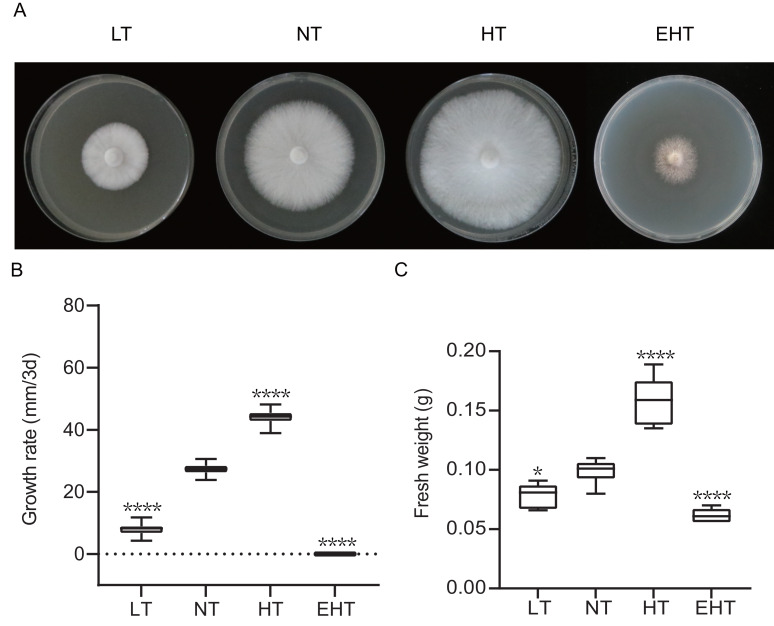 Figure 1
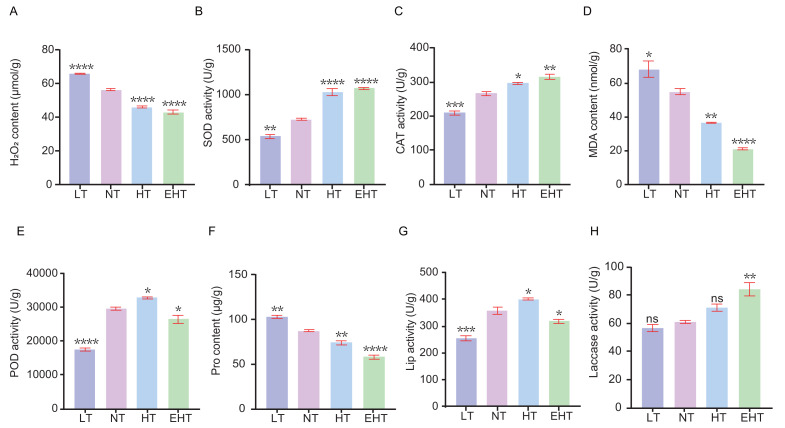 Figure 2
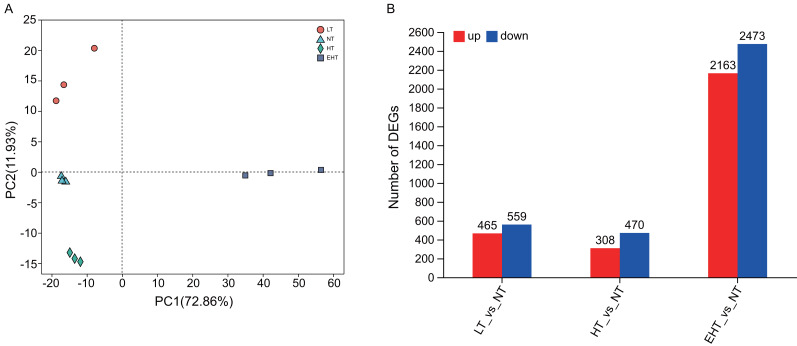 Figure 3
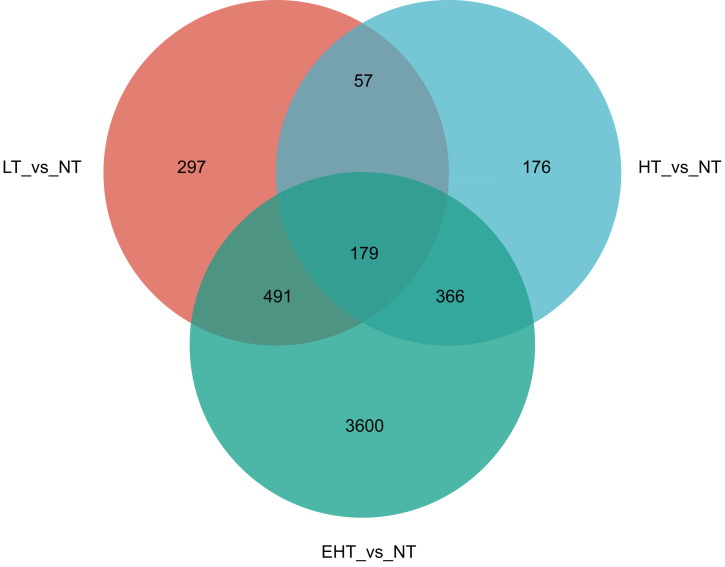 Figure 4
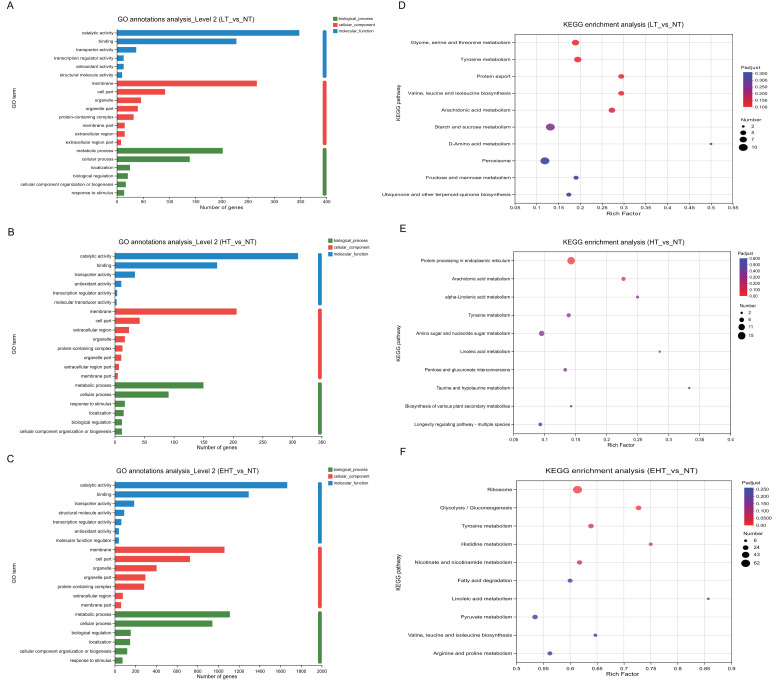 Figure 5
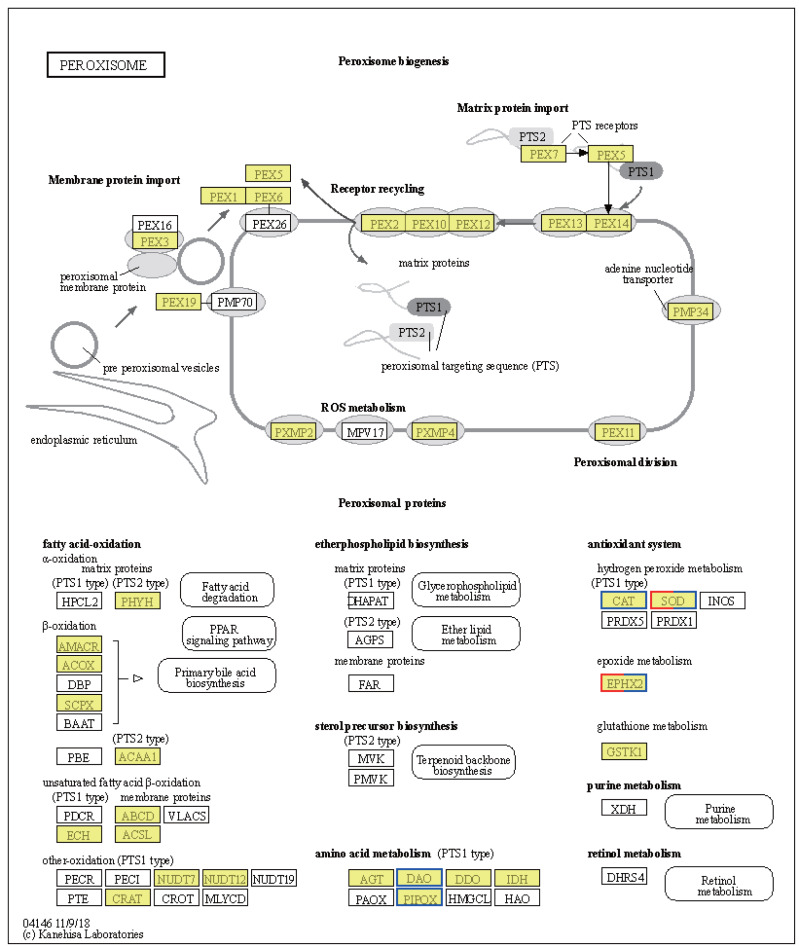 Figure 6
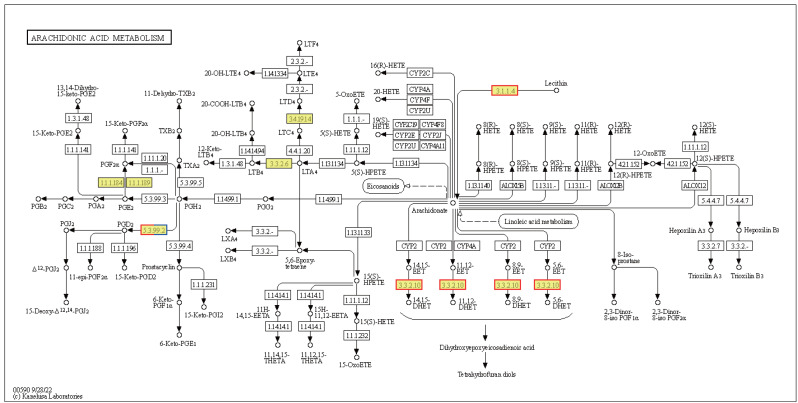 Figure 7
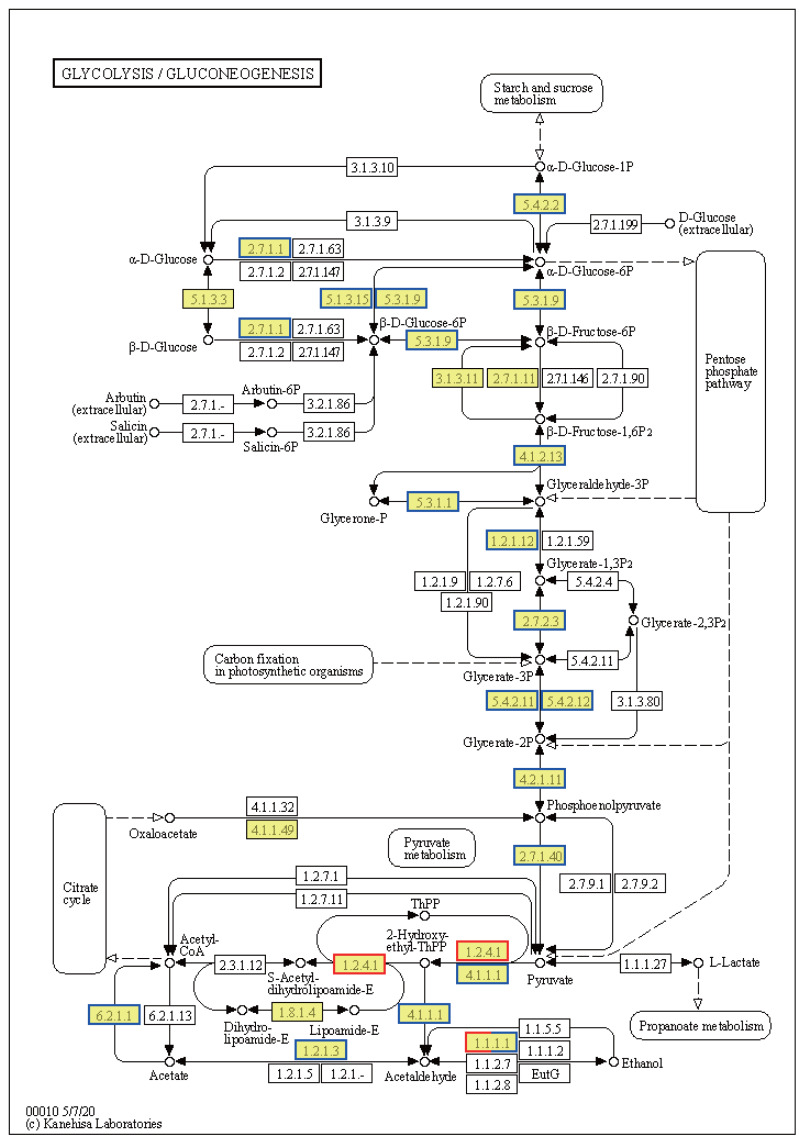 Figure 8
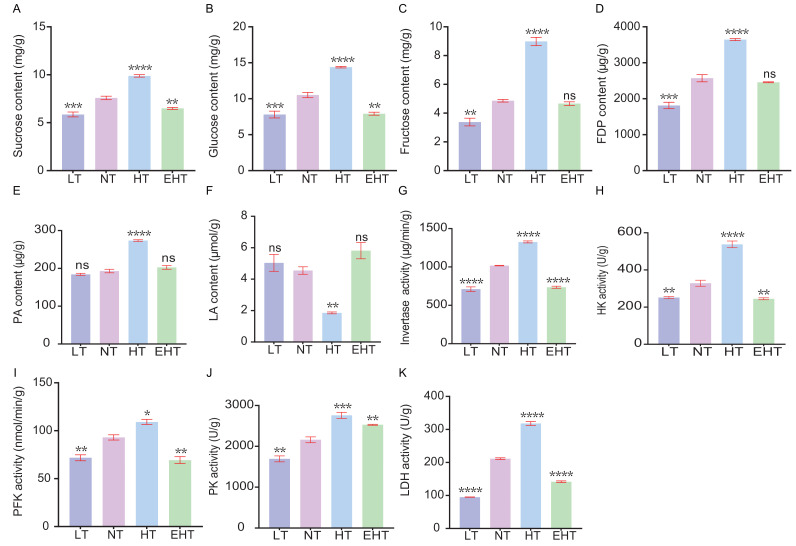 Figure 9
Peer Reviews
No public reviews on file for this paper yet. If you reviewed it on a platform where reviews are public (OpenReview, ICLR, NeurIPS, ICML), you can paste yours below so the community can read it here.
Videos
No videos yet. Explain this paper in a talk, walkthrough, or lecture? Add one.
Taxonomy
TopicsFungal Biology and Applications · Mycorrhizal Fungi and Plant Interactions · Horticultural and Viticultural Research