Apteranthes tuberculata's Antidiabetic Potential: Exploring Phytochemicals, Screening Antioxidant Activity, and Validating DPP‐4 Inhibition Using In Vitro and In Silico Approaches
Ilham Khan, Shabana Bibi, Junaid Shehzad, Zarqa Riaz, Muhammad Saad Khan, Mansour Ghorbanpour, Murtaza Hasan, Ghazala Mustafa

TL;DR
This study explores the antidiabetic potential of Apteranthes tuberculata, finding it has strong antioxidant and DPP-4 inhibitory properties that could help manage diabetes.
Contribution
The study is the first to scientifically validate the antidiabetic potential of Apteranthes tuberculata using in vitro and in silico methods.
Findings
The plant extract showed 70% DPP-4 inhibitory activity, comparable to the drug Sitagliptin.
LC–MS identified 24 bioactive compounds, including flavonoids and glycosides, with strong DPP-4 binding.
Five compounds showed no PAINS alerts, indicating good drug-likeness.
Abstract
Diabetes is a chronic metabolic disorder that affects an increasing number of people worldwide, frequently managed with synthetic drugs that have side effects and can be costly. Apteranthes tuberculata (N.E.Br.) Meve & Liede, a plant with traditional medicinal use in Pakistan to treat diabetes, but its antidiabetic potential has not been scientifically validated. This research assessed the phytochemicals, antioxidant properties, and dipeptidyl peptidase‐4 (DPP‐4) inhibitory activity of A. tuberculata 's methanolic extract. The extract was assessed through in vitro antioxidant assays, DPP‐4 inhibition test, and metabolomic analysis via Fourier‐transform infrared (FTIR) spectroscopy and liquid chromatography–mass spectrometry (LC–MS). The study used computational tools to visualize compound structures, protein‐ligand interactions, and to measure pharmacokinetic parameters. Phytochemical…
Genes, proteins, chemicals, diseases, species, mutations and cell lines named across the full text — each resolved to its canonical identifier and authoritative record.
Click any figure to enlarge with its caption.
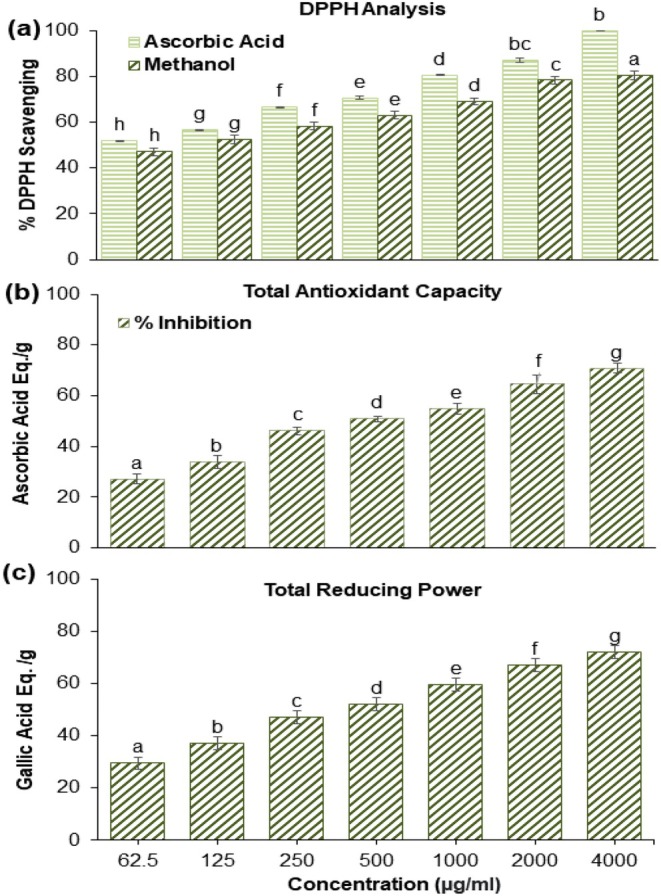 Figure 1
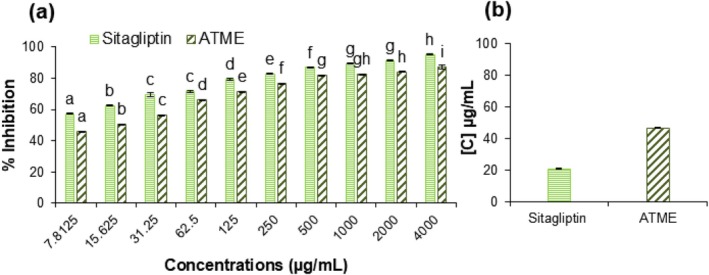 Figure 2
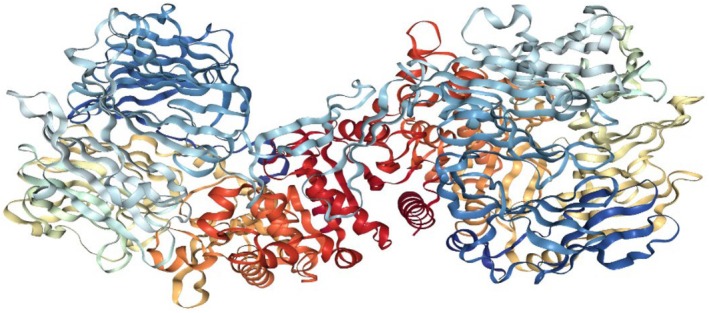 Figure 3
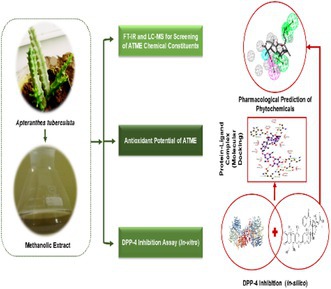 Figure 4
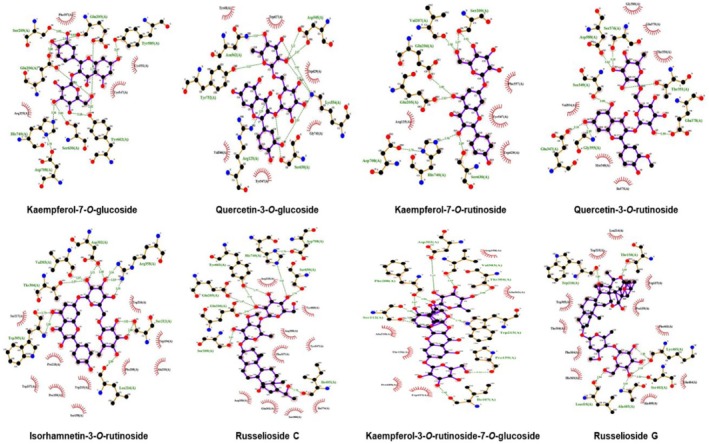 Figure 5
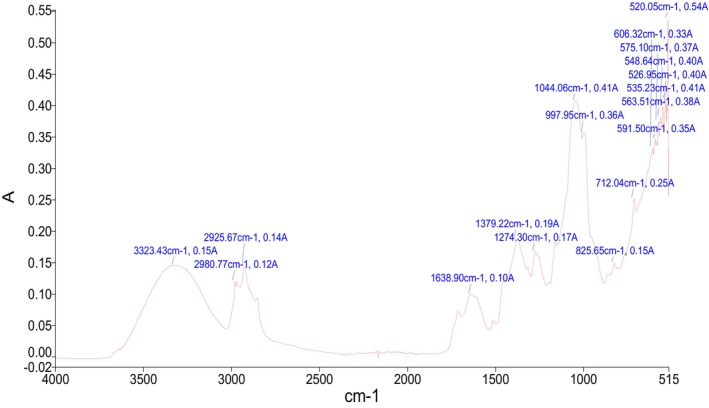 Figure 6
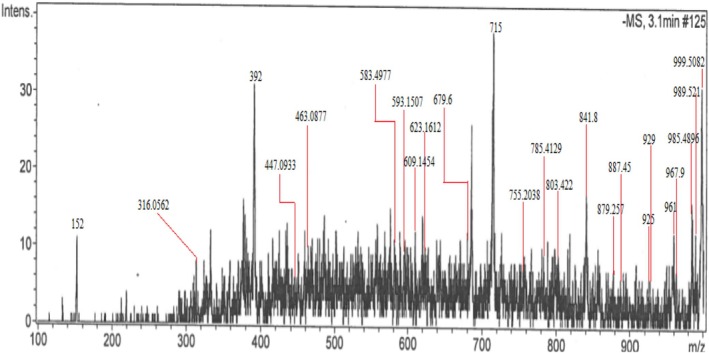 Figure 7
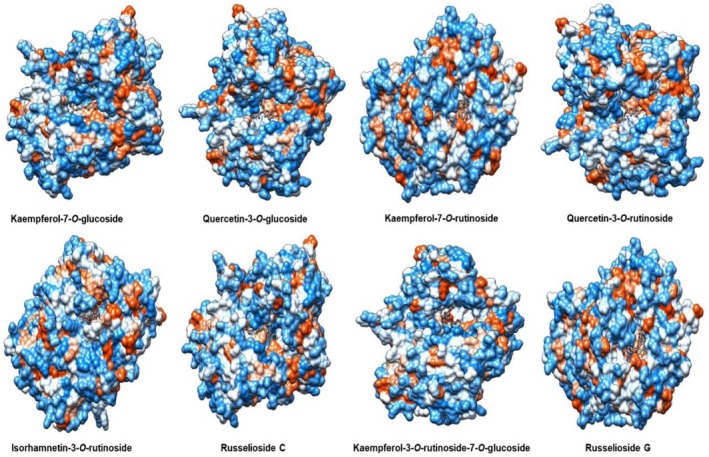 Figure 8
Peer Reviews
No public reviews on file for this paper yet. If you reviewed it on a platform where reviews are public (OpenReview, ICLR, NeurIPS, ICML), you can paste yours below so the community can read it here.
Videos
No videos yet. Explain this paper in a talk, walkthrough, or lecture? Add one.
Taxonomy
TopicsNatural Antidiabetic Agents Studies · Peptidase Inhibition and Analysis · Phytochemical compounds biological activities