Applying FRAME-IS to Characterize Provider-led Adaptations to a Cervical Cancer Prevention Intervention in Kenya
Harriet Fridah Adhiambo, Kathy Thomas, Megan M. Coe, Lynda Oluoch, Valary Ihaji, Mary Bernadette Kerubo, Alex Kinyua, Sarah Njoroge, Kenneth Ngure, Michelle Shin, Thomas A. Odeny, Bryan Weiner, Nelly Mugo, Sarah Gimbel

TL;DR
This paper describes how a cervical cancer prevention strategy was adapted in Kenya using a framework called FRAME-IS, with most changes happening early in the process.
Contribution
The study applies FRAME-IS to document provider-led adaptations in a cervical cancer prevention intervention in Kenya.
Findings
Most adaptations (70%) occurred in the early phase of implementation.
Educational adaptations were most common, targeting providers delivering screening and treatment services.
Adaptation rates significantly declined over time, from 2.0 per facility in the early phase to 0.80 in the late phase.
Abstract
Implementation strategies that are contextually refined are essential for optimizing the delivery of evidence-based interventions (EBI) to prevent cervical cancer in low-resource settings. This paper reports the application of the Framework for Reporting Adaptations and Modifications to Evidence-based Implementation Strategies (FRAME-IS) to capture and disseminate strategy adaptations made to a single-visit, screen-and-treat approach with thermal ablation (SV−SAT+TA) strategy aimed at establishing sustainable cervical cancer prevention services in Kenya. A FRAME-IS-based tracking spreadsheet was developed for data collection across 10 facilities during technical assistants’ (TAs) site visits, phone calls, and monthly meetings with health providers between March 2023 and September 2024. Sources included tracking spreadsheets, TA narrative reports, and field notes from direct…
Genes, proteins, chemicals, diseases, species, mutations and cell lines named across the full text — each resolved to its canonical identifier and authoritative record.
Click any figure to enlarge with its caption.
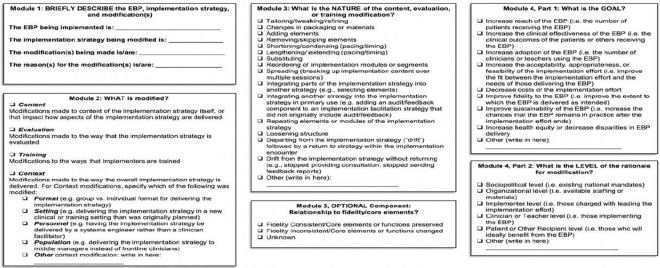 Figure 1
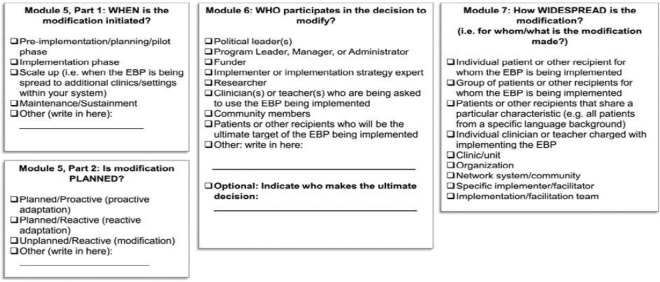 Figure 2
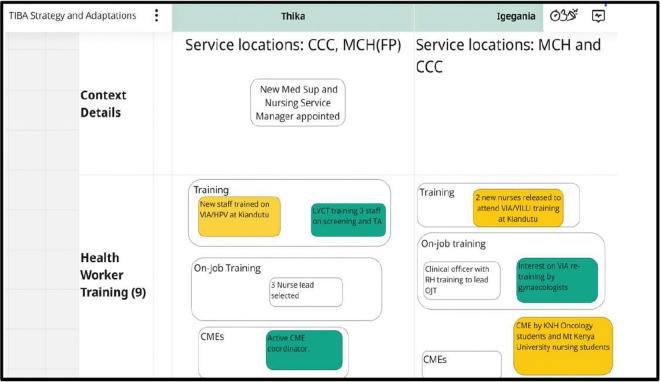 Figure 3
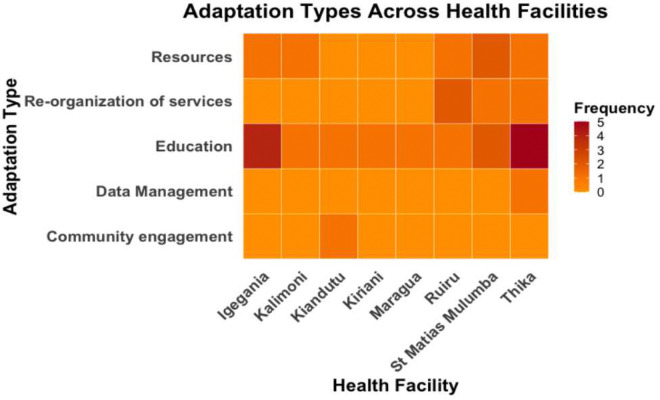 Figure 4
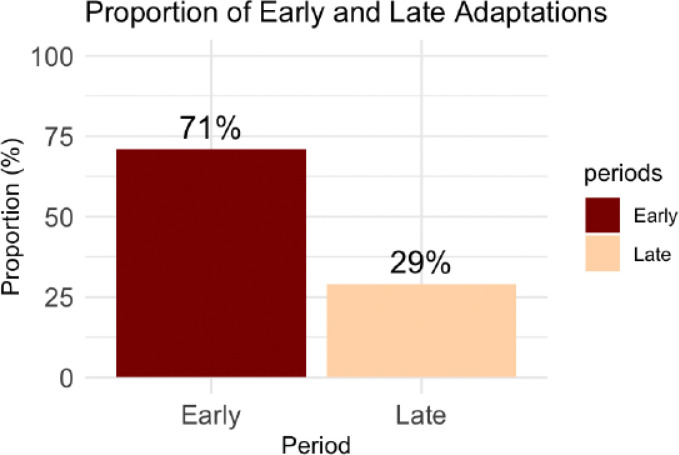 Figure 5
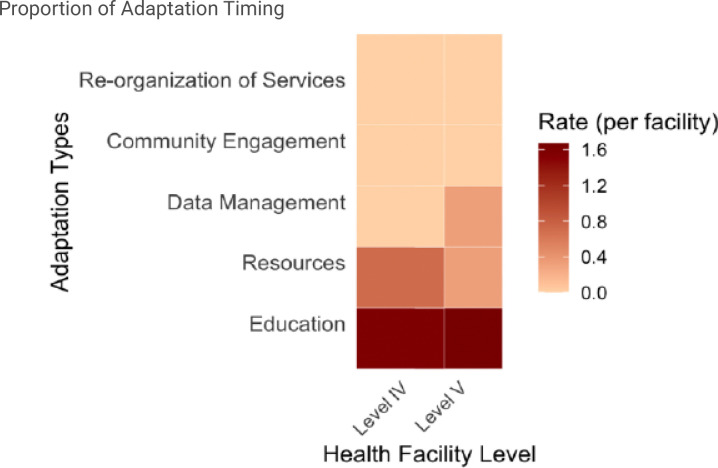 Figure 6
Peer Reviews
No public reviews on file for this paper yet. If you reviewed it on a platform where reviews are public (OpenReview, ICLR, NeurIPS, ICML), you can paste yours below so the community can read it here.
Videos
No videos yet. Explain this paper in a talk, walkthrough, or lecture? Add one.
Taxonomy
TopicsGlobal Maternal and Child Health