Associations of proteomic age with mortality and incident chronic diseases in the European Prospective Investigation into Cancer and Nutrition (EPIC)
Oliver Robinson, Han Xiao, Jan Homann, Vivian Viallon, Pietro Ferrari, José M. Huerta, Ana Jiménez Zabala, Rudolf Kaaks, Verena A Katzke, Claudia Langenberg, ChungHo E. Lau, Lefkos Middleton, N. Charlotte Onland-Moret, Salvatore Panico, Anna Prizment, Fulvio Ricceri

TL;DR
This study shows that proteomic age, measured through blood proteins, is linked to higher risks of chronic diseases and death, and could improve health risk predictions.
Contribution
The study introduces a composite proteomic age gap as a strong predictor of mortality and chronic diseases in a large European cohort.
Findings
Global proteomic age gap showed the strongest association with all-cause mortality.
Accelerated proteomic age was linked to lifestyle factors and higher risks of cardiovascular diseases, dementia, and several cancers.
Organ-specific age gaps were more strongly associated with corresponding organ-specific cancers.
Abstract
Assessment of biological ageing using proteomic clocks may enhance risk prediction and elucidate the molecular links between ageing and chronic diseases. Within a pre-diagnostic cohort of 17,473 Europeans with up to 28 years of follow-up, we examined associations of plasma SomaScan-based proteomic clocks, including organ-specific clocks, with 24 incident chronic diseases, all-cause mortality, and lifestyle risk factors. Global proteomic age gap (a composite biological age acceleration score combining previously published clocks) showed the strongest positive association of all tested clocks with all-cause mortality. Accelerated proteomic ageing was significantly associated with smoking, alcohol consumption, physical inactivity, and higher risk of cardiovascular diseases, dementia, and liver, upper aero-digestive tract, lung, and kidney cancers. Some organ-specific cancers were more…
Genes, proteins, chemicals, diseases, species, mutations and cell lines named across the full text — each resolved to its canonical identifier and authoritative record.
Click any figure to enlarge with its caption.
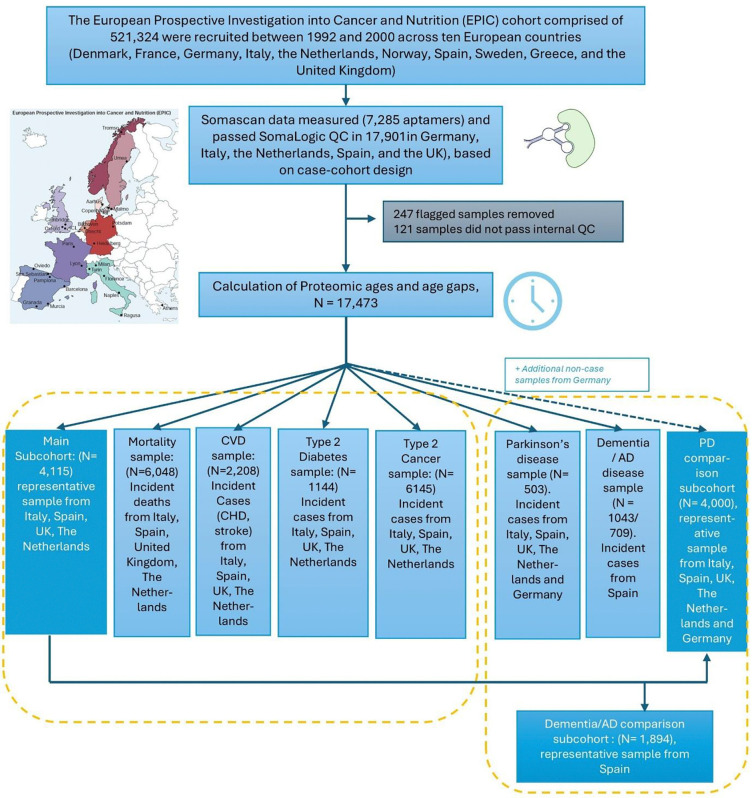 Figure 1
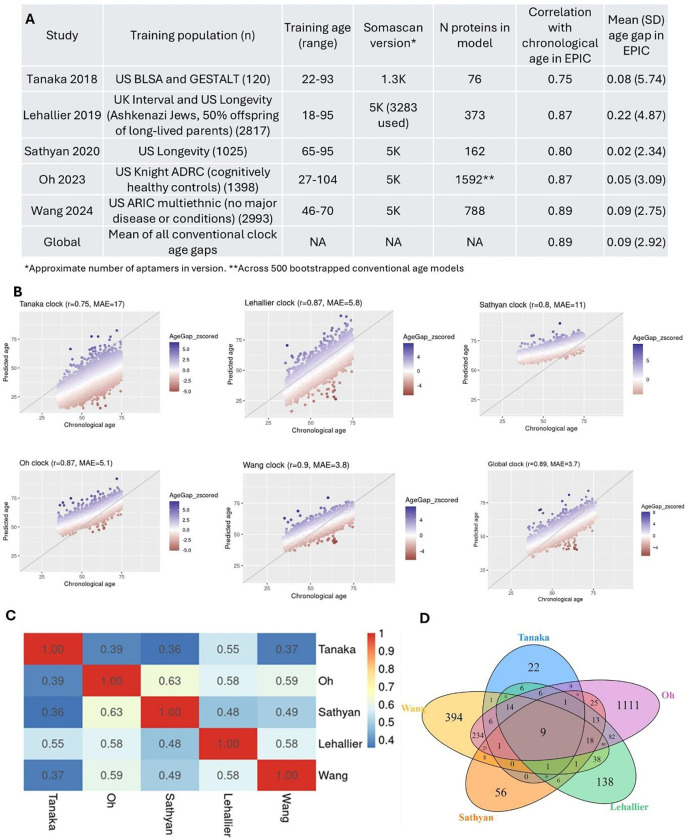 Figure 2
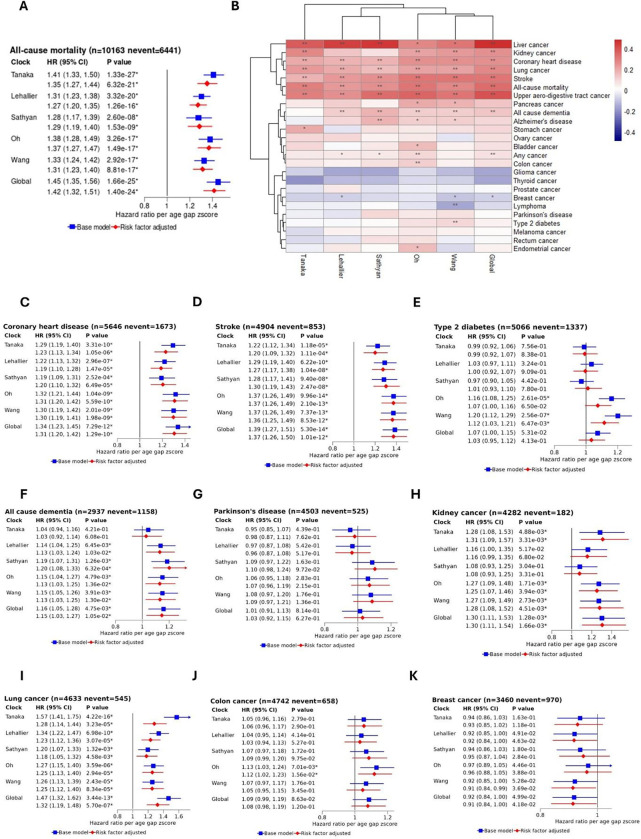 Figure 3
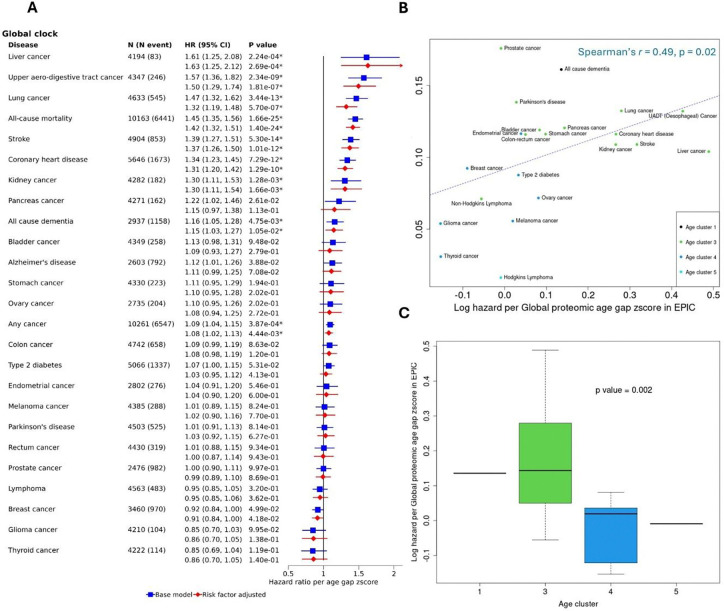 Figure 4
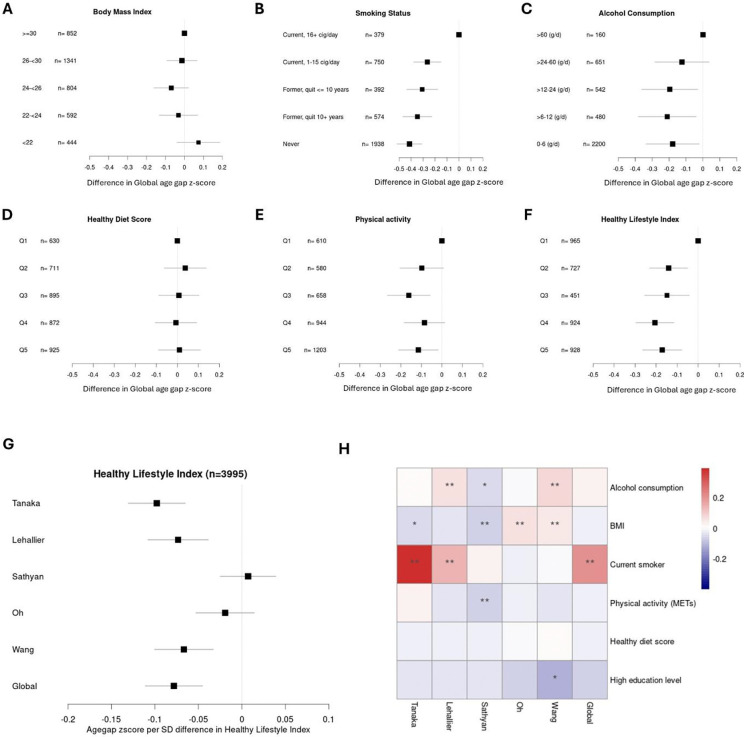 Figure 5
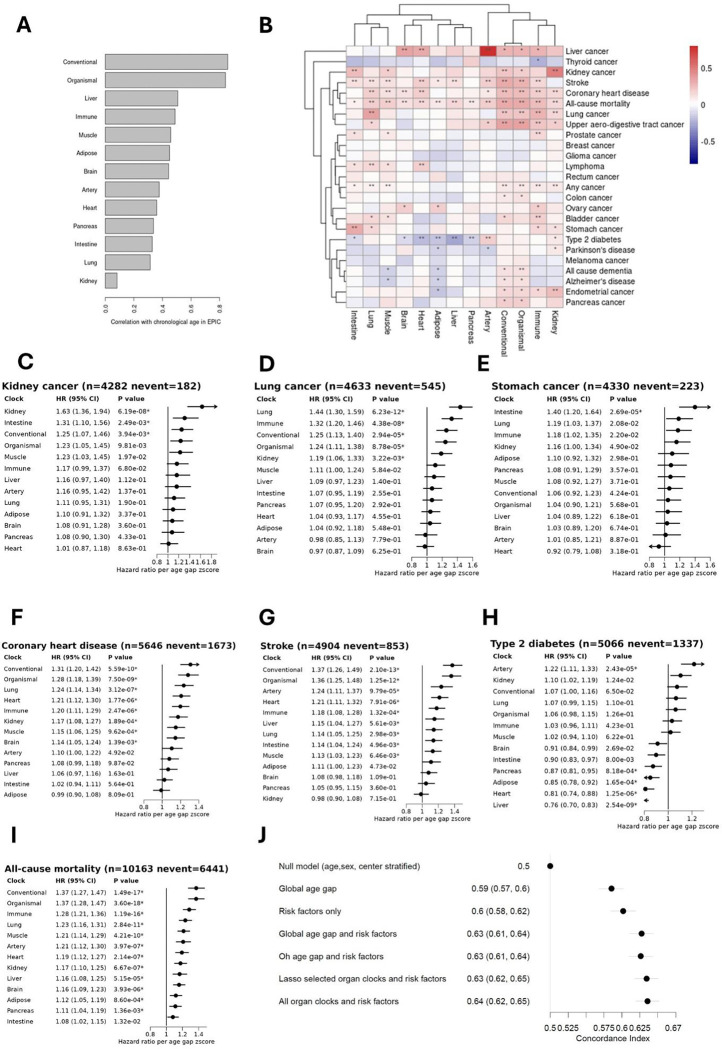 Figure 6
Peer Reviews
No public reviews on file for this paper yet. If you reviewed it on a platform where reviews are public (OpenReview, ICLR, NeurIPS, ICML), you can paste yours below so the community can read it here.
Videos
No videos yet. Explain this paper in a talk, walkthrough, or lecture? Add one.
Taxonomy
TopicsNutritional Studies and Diet