Age and Sex Moderate the Effects of Sleep Quality on Resting-State Functional Connectivity in the Salience and Default Mode Network
Selene Tan, Sepehr Gourabi, Matthew R. Cribbet, Jeanne M. Cundiff, Ian M. McDonough

TL;DR
This study shows that sleep quality affects brain connectivity differently based on age and sex, with women being more vulnerable to sleep-related changes in brain networks linked to dementia.
Contribution
The study reveals age- and sex-specific effects of sleep quality on resting-state brain connectivity in the salience and default mode networks.
Findings
Sleep quality interacts with age and sex to influence connectivity between the default mode network and left superior parietal lobule.
Poor sleep quality affects salience network connectivity with the right precentral/postcentral gyrus, depending on age.
Females show greater sensitivity in the default mode network to sleep impairments, potentially increasing dementia risk.
Abstract
Aging often coincides with declining sleep quality, which can contribute to cognitive decline and increased dementia risk. Neuroimaging offers valuable insights into how poor sleep may affect brain health before cognitive or behavioral changes appear. Given the different prevalence rates of dementia between sexes, sleep disturbances might uniquely impact females relative to males. The goal of this study was to investigate how age and sex moderate the impact of sleep quality on resting-state functional connectivity. Based on the extant literature, we predicted that sleep quality would significantly impact connectivity in the default mode network, salience network, and the amygdala. Adults (N = 95), aged 20–74, completed the Pittsburgh Sleep Quality Index and underwent two 5-min sessions of resting-state MRI. Three-way interactions between age, sex, and sleep quality were found between…
Genes, proteins, chemicals, diseases, species, mutations and cell lines named across the full text — each resolved to its canonical identifier and authoritative record.
Click any figure to enlarge with its caption.
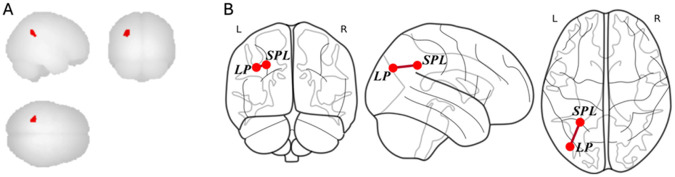 Figure 1
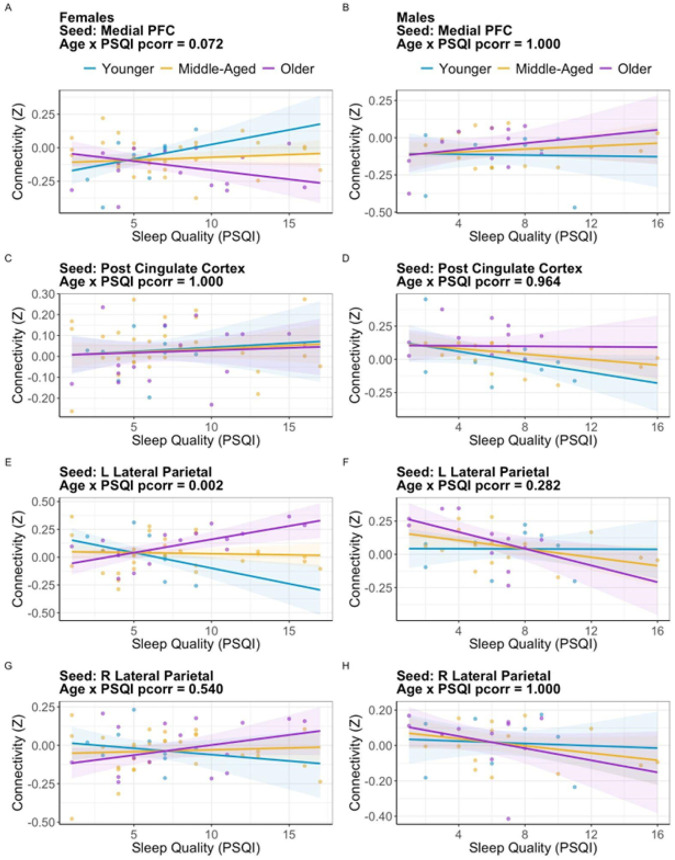 Figure 2
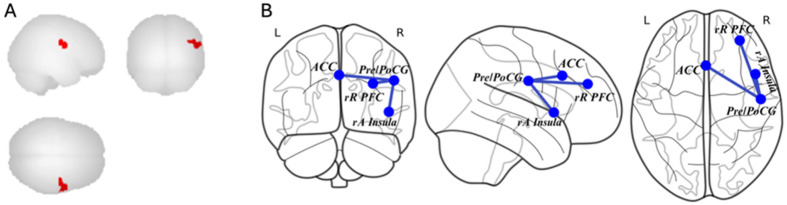 Figure 3
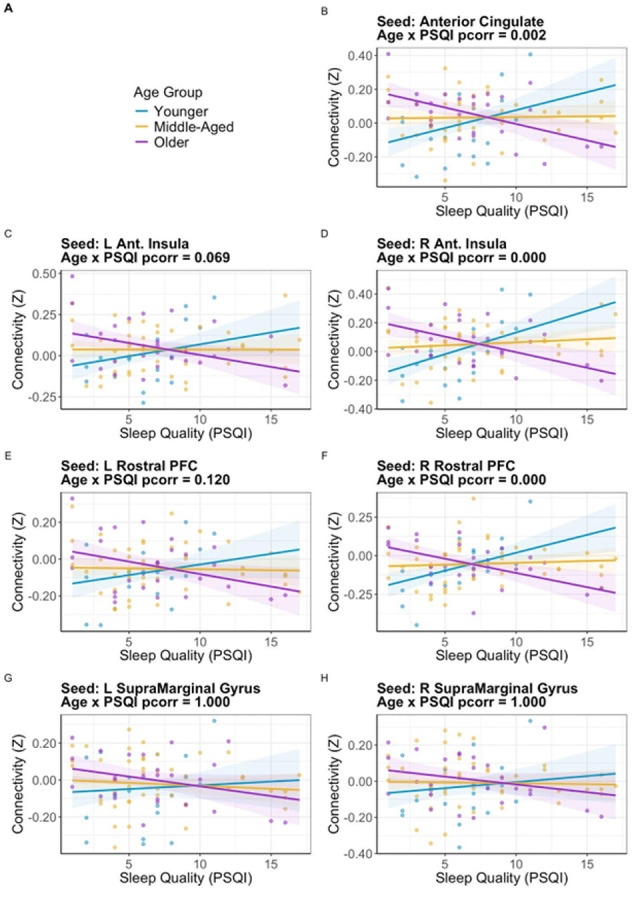 Figure 4
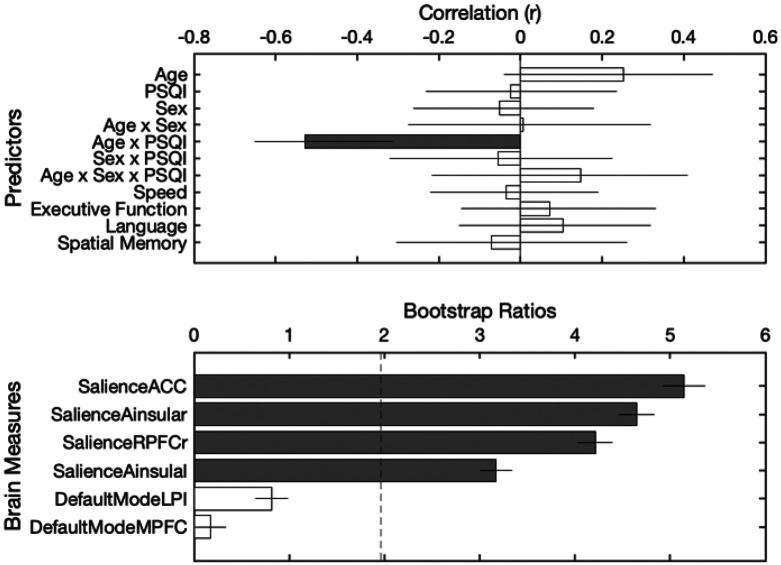 Figure 5
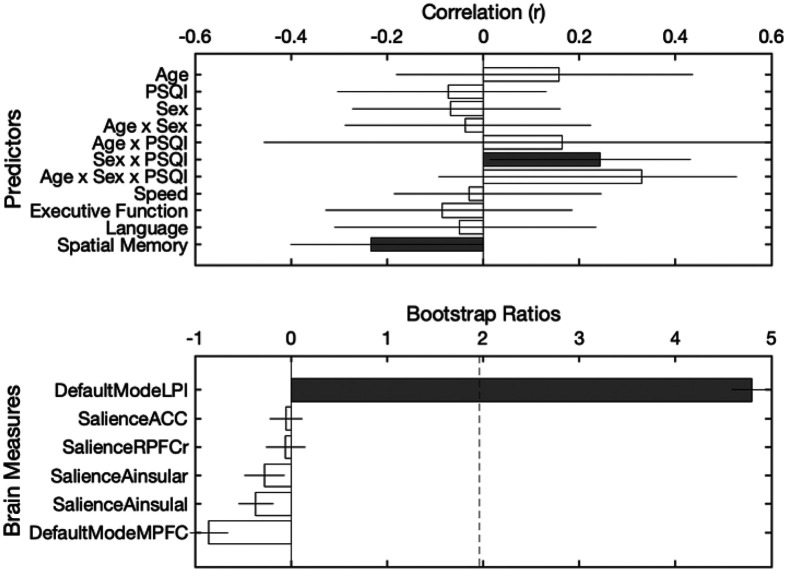 Figure 6
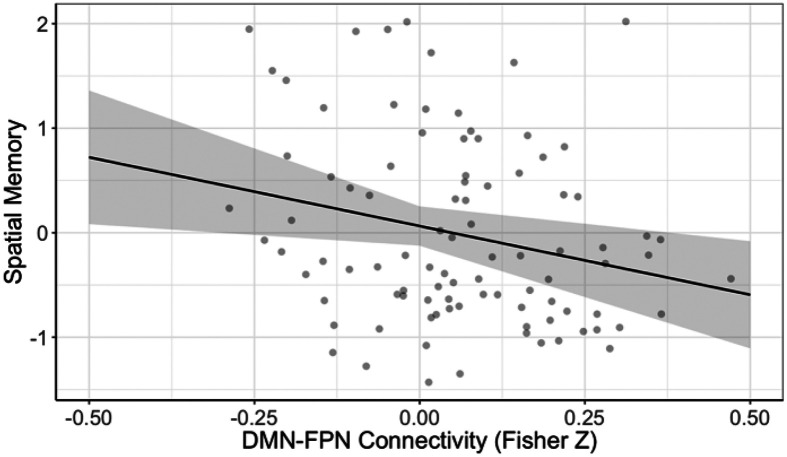 Figure 7
Peer Reviews
No public reviews on file for this paper yet. If you reviewed it on a platform where reviews are public (OpenReview, ICLR, NeurIPS, ICML), you can paste yours below so the community can read it here.
Videos
No videos yet. Explain this paper in a talk, walkthrough, or lecture? Add one.
Taxonomy
TopicsFunctional Brain Connectivity Studies · Sleep and Wakefulness Research · Sleep and related disorders