EzrA promotes Z-ring formation through interaction of its QNR motif with FtsA
Tingting Li, Xiujian Liu, Liangsheng Zhang, Haotian Li, Minghui Ni, Wenjin Zou, Menglei Liang, Ruotong Gong, Qiao Hu, Lelin Zhao, Zhe Hu, Lu Li, Qi Huang, Rui Zhou

TL;DR
This study shows how the protein EzrA helps form the Z-ring during bacterial cell division by interacting with FtsA through a specific QNR motif.
Contribution
The study identifies the QNR motif in EzrA as a key element for its interaction with FtsA during Z-ring formation in Streptococcus suis.
Findings
EzrA interacts with FtsZ and early division proteins during cell division.
The QNR motif in EzrA is essential for its interaction with FtsA.
Disrupting the QNR motif causes EzrA mislocalization but not FtsA.
Abstract
Bacterial cell division requires precise placement and formation of the division machinery to ensure the accurate generation of identical daughter cells. This process is canonically initiated by the highly conserved FtsZ but also needs the involvement of a variety of FtsZ-binding proteins to orchestrate the spatial and temporal positioning and assembly of the Z-ring. However, the underlying molecular mechanisms remain poorly understood. In this study, we characterized the roles of an important FtsZ binding protein EzrA in the cell division of Streptococcus suis, an emerging zoonotic bacterial pathogen. Our results revealed that EzrA shares high subcellular dynamics with FtsZ during the entire cell division cycle and functions primarily as a positive regulator for Z-ring formation. Co-immunoprecipitation and bacterial two-hybrid data suggest that EzrA interacts with FtsZ and several…
Genes, proteins, chemicals, diseases, species, mutations and cell lines named across the full text — each resolved to its canonical identifier and authoritative record.
Click any figure to enlarge with its caption.
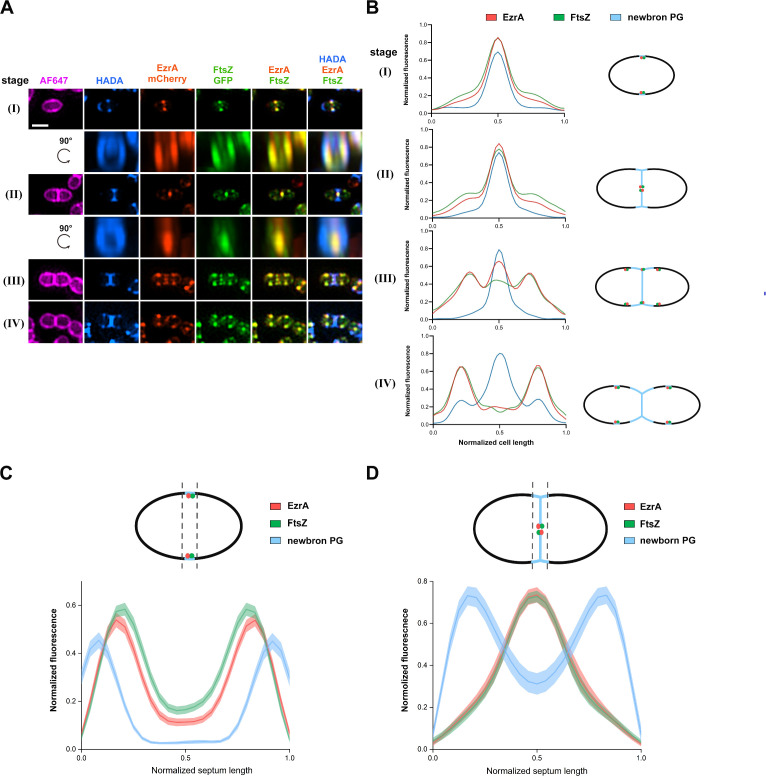 Figure 1
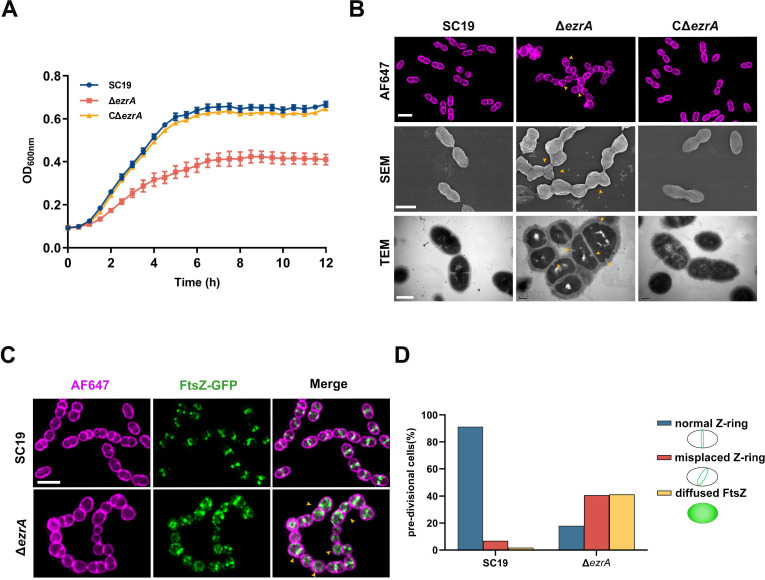 Figure 2
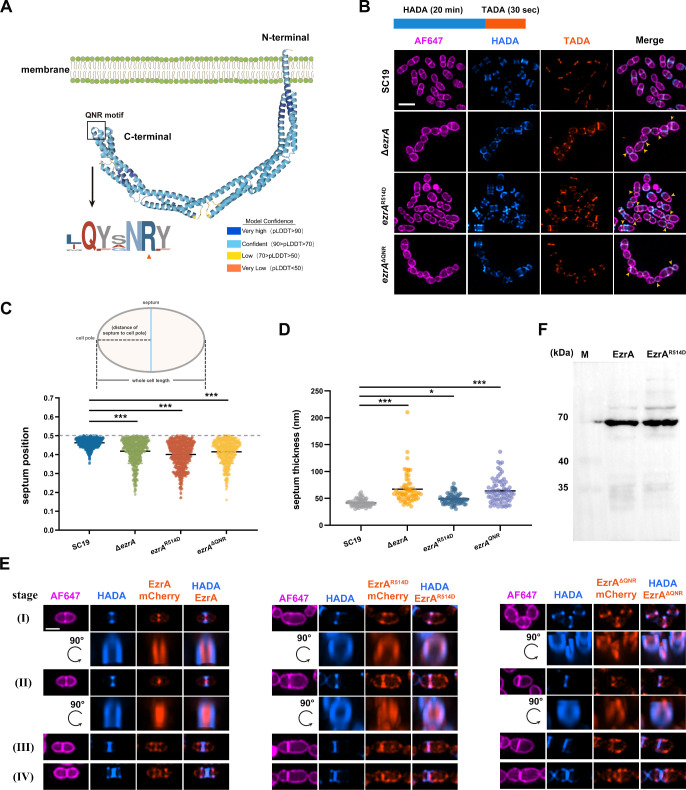 Figure 3
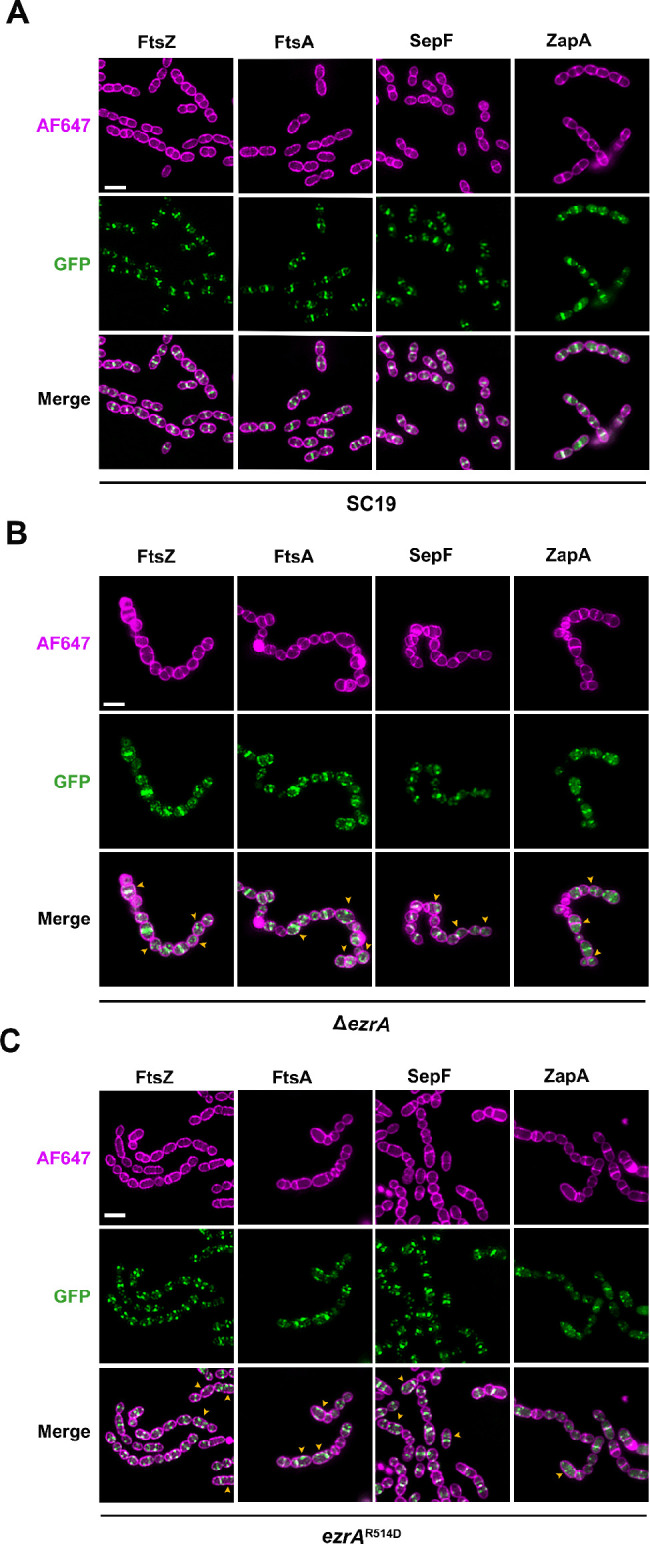 Figure 4
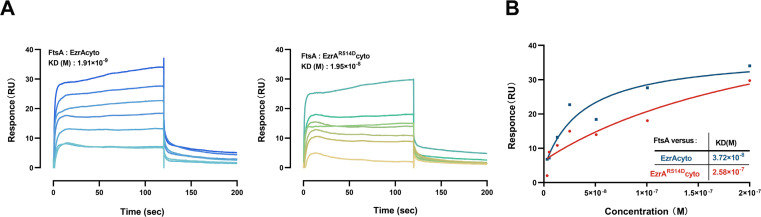 Figure 5
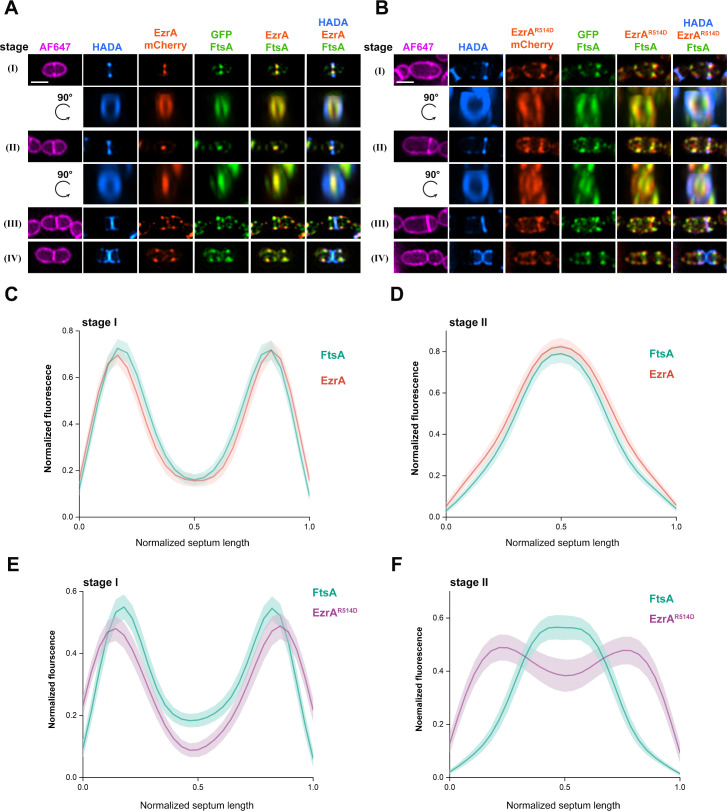 Figure 6
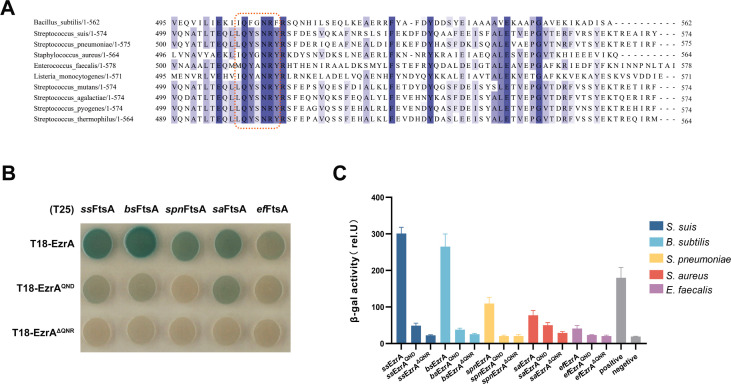 Figure 7
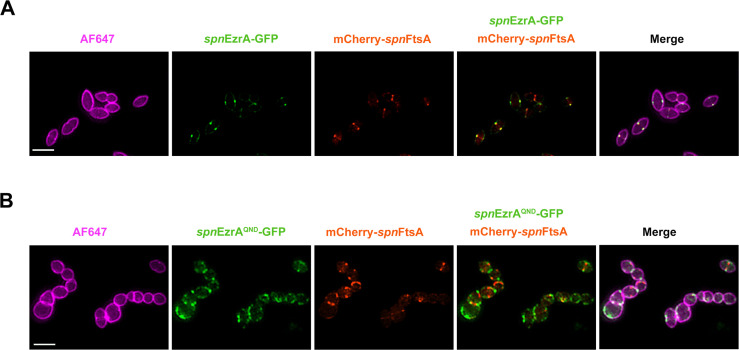 Figure 8
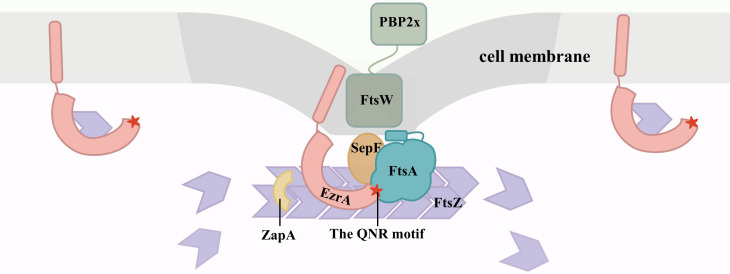 Figure 9
Peer Reviews
No public reviews on file for this paper yet. If you reviewed it on a platform where reviews are public (OpenReview, ICLR, NeurIPS, ICML), you can paste yours below so the community can read it here.
Videos
No videos yet. Explain this paper in a talk, walkthrough, or lecture? Add one.
Taxonomy
TopicsRNA and protein synthesis mechanisms · Ubiquitin and proteasome pathways · Bacterial Genetics and Biotechnology