The Agrobacterium fabrum efflux pump PecM is produced in response to the plant exudate 4-hydroxybenzaldehyde to avoid disruption of central metabolism
Arpita Ghosh, Anne Grove

TL;DR
Agrobacterium fabrum uses the efflux pump PecM to expel the toxic plant compound 4-hydroxybenzaldehyde, helping it survive in the soil before infecting plants.
Contribution
The study identifies 4-hydroxybenzaldehyde as a substrate for the PecM efflux pump in Agrobacterium fabrum.
Findings
Disruption of PecM leads to intracellular accumulation of 4-hydroxybenzaldehyde.
4-hydroxybenzaldehyde induces the expression of the pecM gene.
PecM and PecS work together to enhance A. fabrum's survival in the rhizosphere.
Abstract
Agrobacterium fabrum is a phytopathogen that causes crown gall disease. In the rhizosphere, it encounters plant exudates, some of which are toxic, such as 4-hydroxybenzaldehyde (4HBA). Others, including 4-hydroxybenzoate (4HB), participate in the induction of virulence genes. A. fabrum encodes the transcription factor PecS, which has been reported to enhance bacterial fitness in the rhizosphere. The gene encoding PecS is divergent from pecM, which encodes an efflux pump. PecS represses both pecS and pecM, as evidenced by increased expression in the presence of the PecS ligand urate and by elevated pecM expression in a pecS disruption strain. We report here that the expression of pecM is induced selectively by 4HBA. Expression of genes encoding enzymes involved in the degradation of 4HB is induced by both 4HBA and 4HB, as expected; however, overexpression of pecM attenuates the induction…
Genes, proteins, chemicals, diseases, species, mutations and cell lines named across the full text — each resolved to its canonical identifier and authoritative record.
Click any figure to enlarge with its caption.
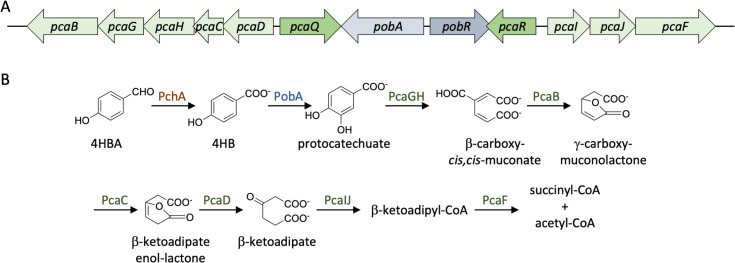 Figure 1
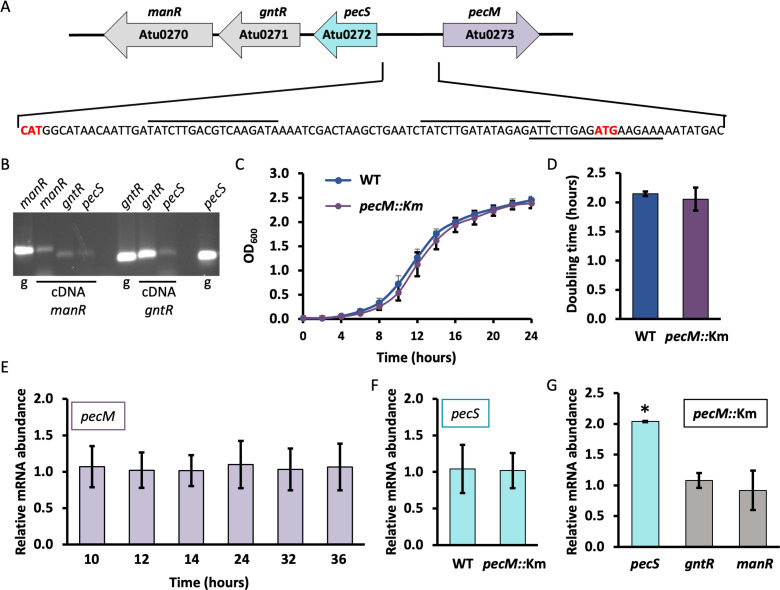 Figure 2
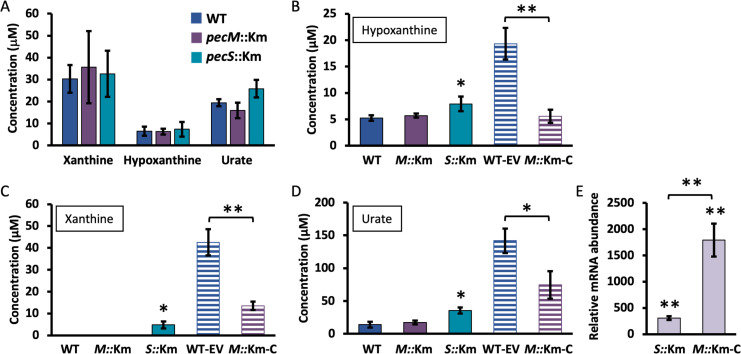 Figure 3
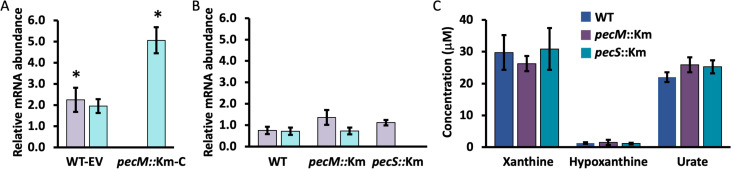 Figure 4
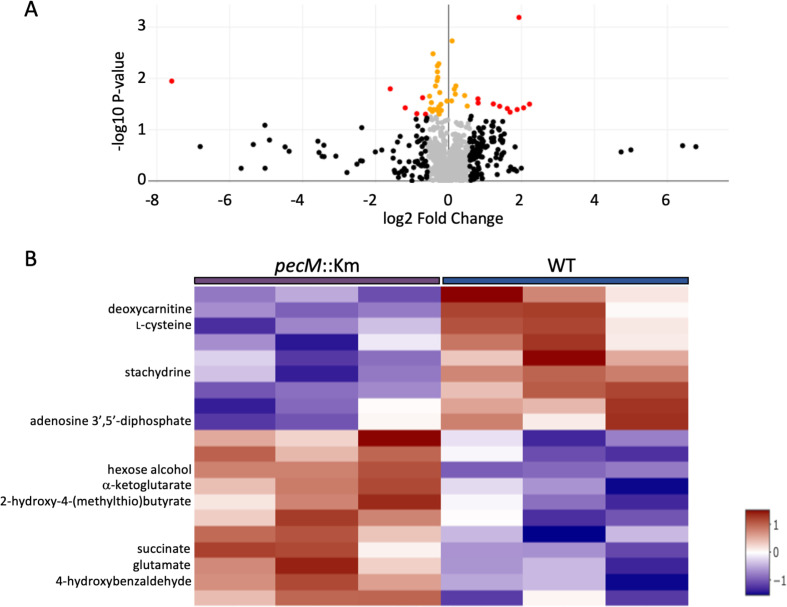 Figure 5
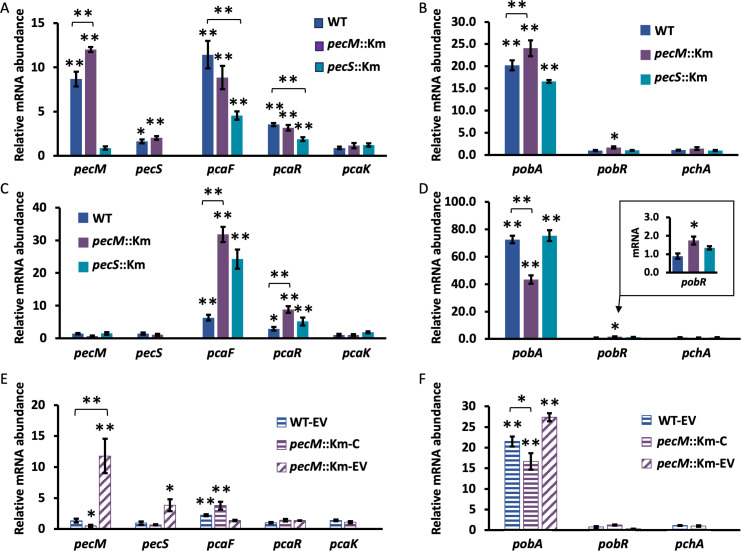 Figure 6
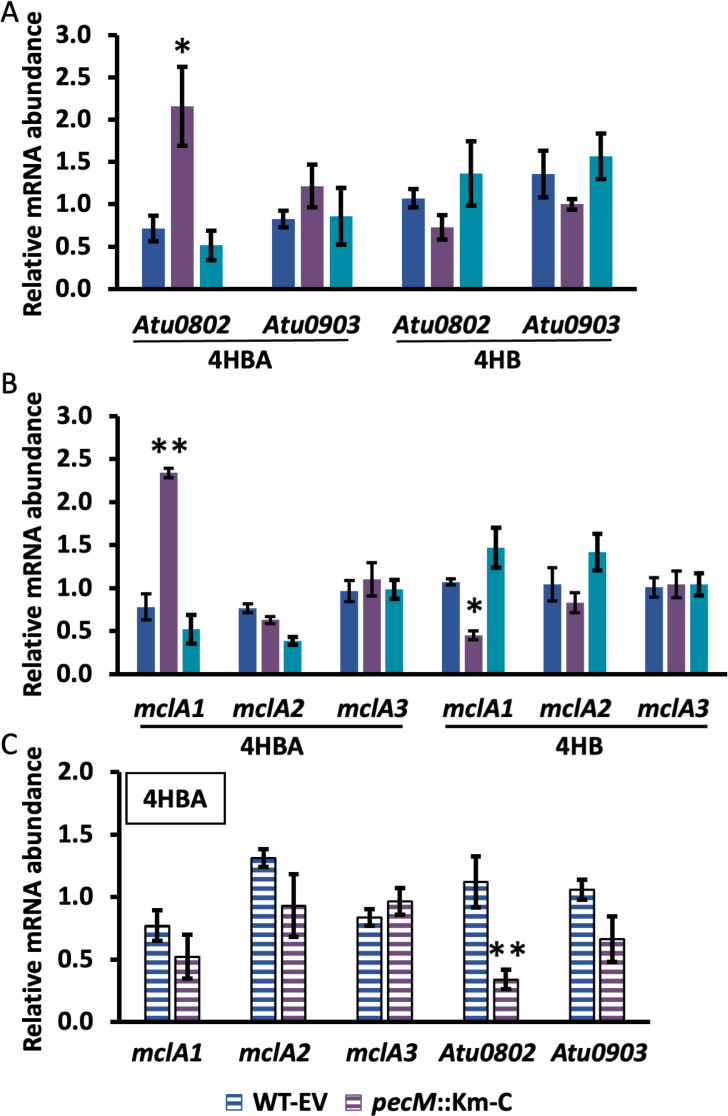 Figure 7
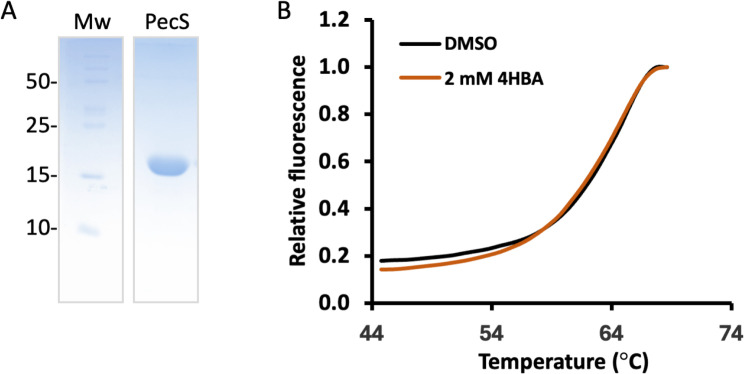 Figure 8
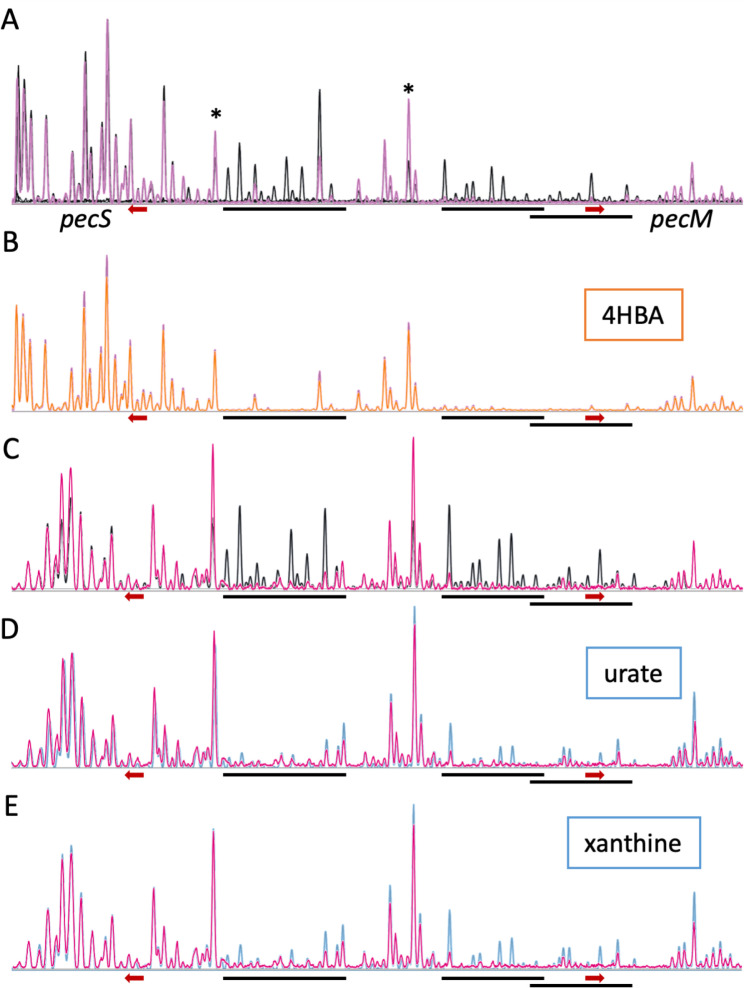 Figure 9
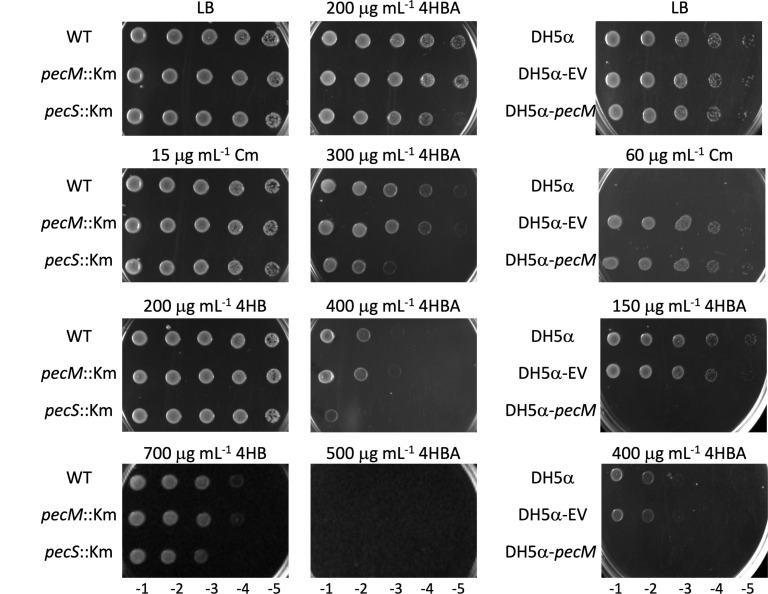 Figure 10
Peer Reviews
No public reviews on file for this paper yet. If you reviewed it on a platform where reviews are public (OpenReview, ICLR, NeurIPS, ICML), you can paste yours below so the community can read it here.
Videos
No videos yet. Explain this paper in a talk, walkthrough, or lecture? Add one.
Taxonomy
TopicsPlant tissue culture and regeneration · Plant responses to water stress · Biochemical and biochemical processes