Analysis of the Aerial Parts of Millettia speciosa Champ. and Mechanistic Study of Its Active Ingredient Formononetin in Improving Metabolic Syndrome
Wenjing Niu, Ruhai Jian, Lishen Zeng, Ziyue Huang, Jinyan Cai

TL;DR
This study shows that the aerial parts of Millettia speciosa, often discarded, contain valuable compounds like formononetin that can help treat metabolic disorders.
Contribution
The study identifies formononetin as a key compound in Millettia speciosa and explores its mechanism in improving metabolic syndrome.
Findings
41 chemical compounds were identified in the aerial parts of Millettia speciosa.
Formononetin reduces neuronal damage and inflammation in the hypothalamus of metabolic syndrome mice.
Formononetin may improve glycolipid metabolism by inhibiting the NF-κB signaling pathway.
Abstract
Millettia speciosa Champ. is a traditional medicinal and edible plant. Its aerial parts are often discarded, leading to resource waste. The aim of this study is to address the effective utilization of the aerial parts of M. speciosa and explore the potential mechanisms by which its active components improve metabolic disorders. HPLC‐Q‐TOF‐MS/MS analysis identified a total of 41 chemical compounds in the stems, branches, and leaves of M. speciosa . Network pharmacology screening identified formononetin (FMN) as a key compound of M. speciosa . FMN could downregulate the expression of Iba‐1 and GFAP in the hypothalamus of metabolic syndrome mice and alleviate neuronal damage in the hypothalamus. It may also improve glycolipid metabolism disorders by inhibiting the central NF‐κB signaling pathway. In this study, we preliminarily demonstrated that the aerial parts of M. speciosa have…
Genes, proteins, chemicals, diseases, species, mutations and cell lines named across the full text — each resolved to its canonical identifier and authoritative record.
Click any figure to enlarge with its caption.
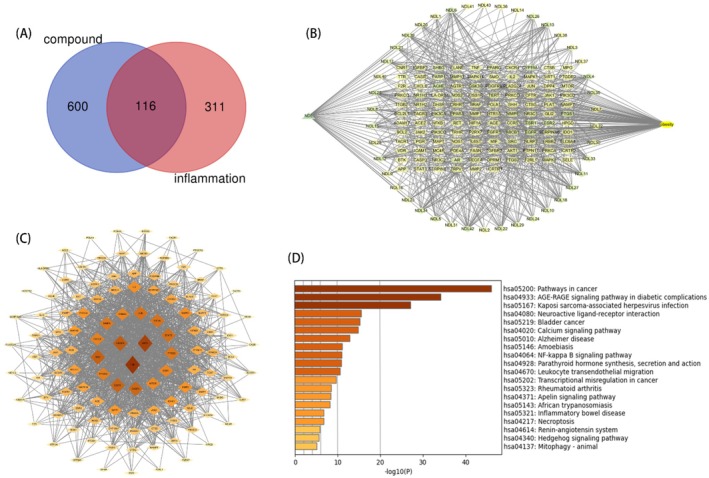 Figure 1
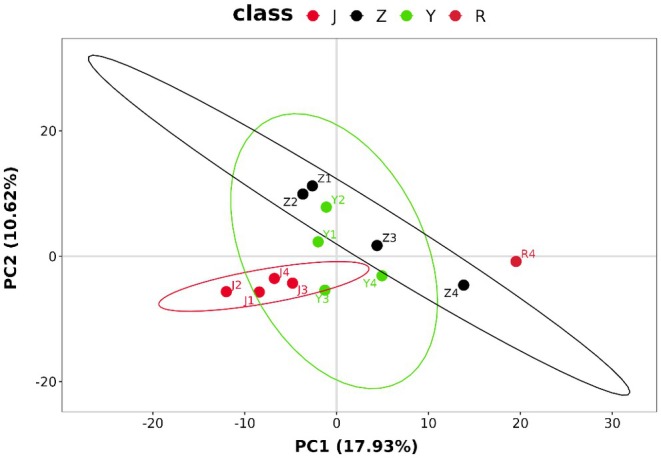 Figure 2
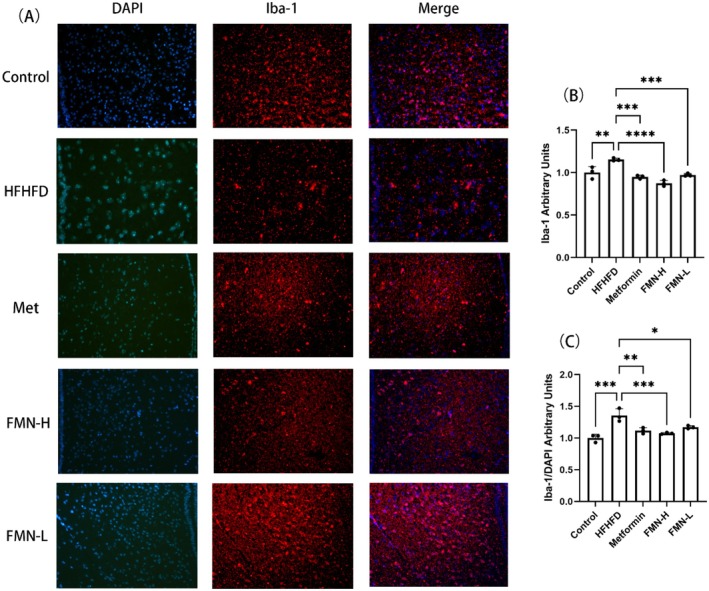 Figure 3
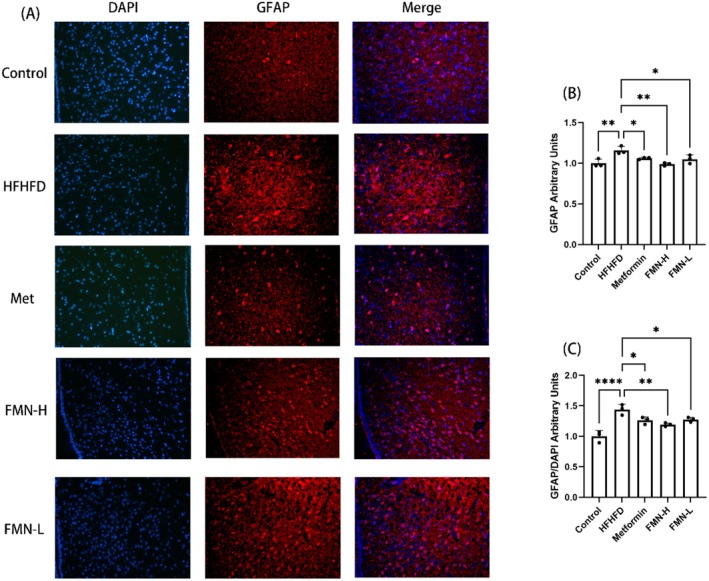 Figure 4
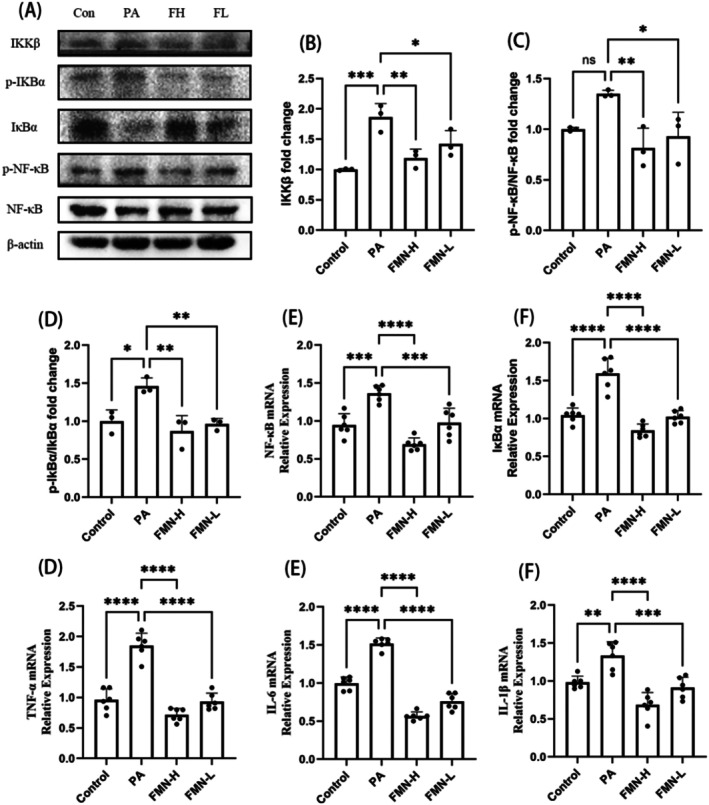 Figure 5
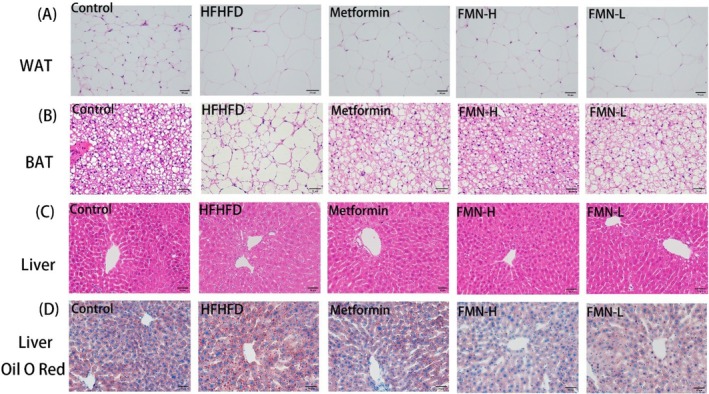 Figure 6
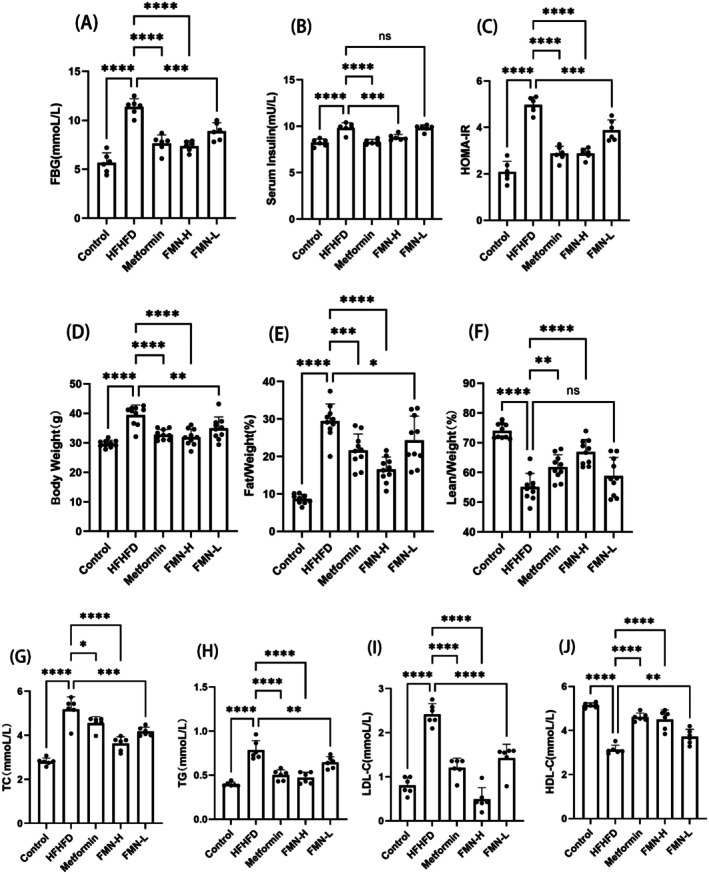 Figure 7
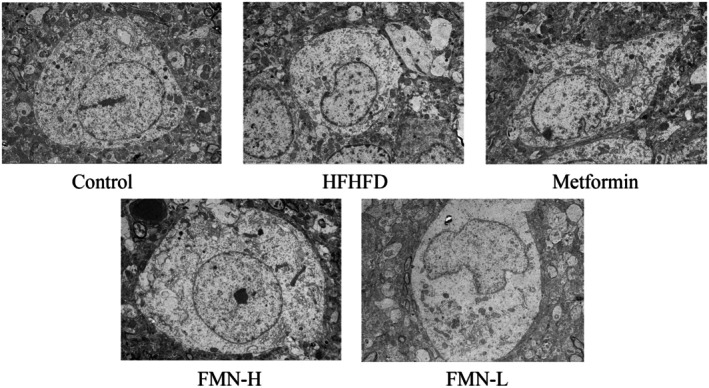 Figure 8
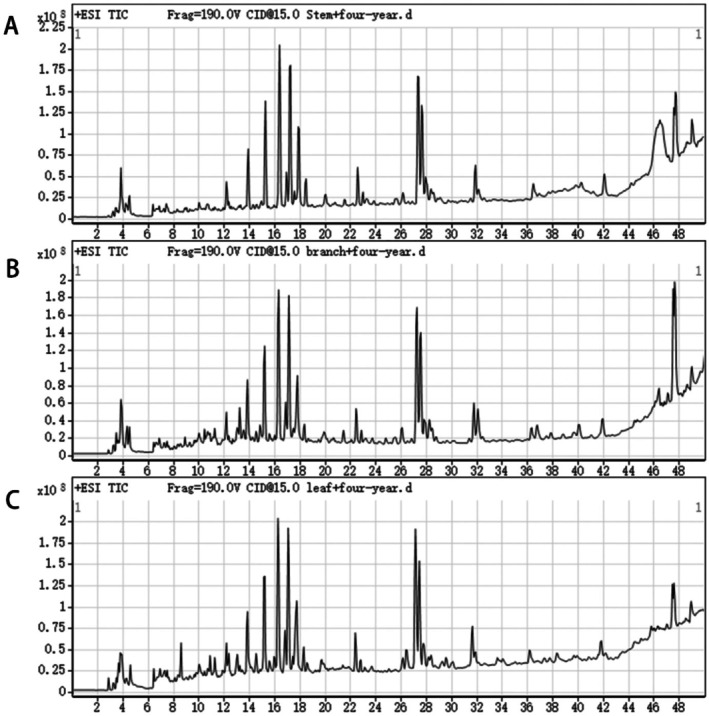 Figure 9
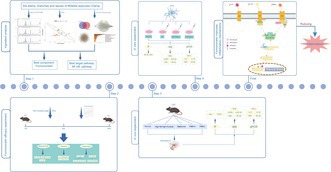 Figure 10
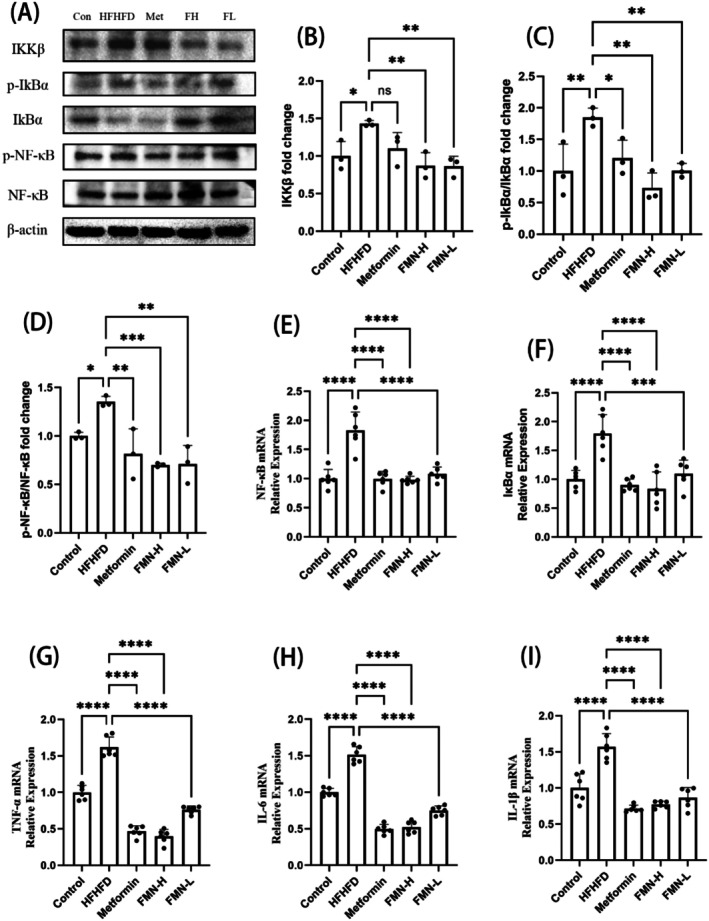 Figure 11
Peer Reviews
No public reviews on file for this paper yet. If you reviewed it on a platform where reviews are public (OpenReview, ICLR, NeurIPS, ICML), you can paste yours below so the community can read it here.
Videos
No videos yet. Explain this paper in a talk, walkthrough, or lecture? Add one.
Taxonomy
TopicsNeuroinflammation and Neurodegeneration Mechanisms · Bioactive natural compounds · Biochemical Analysis and Sensing Techniques