Evaluating predictive performance, validity, and applicability of machine learning models for predicting HIV treatment interruption: a systematic review
Williams Kwarah, Frances Baaba da-Costa Vroom, Duah Dwomoh, Samuel Bosomprah

TL;DR
This paper reviews machine learning models for predicting HIV treatment interruption, finding moderate performance but highlighting the need for better validation and data handling.
Contribution
A systematic review of ML models for HIV treatment interruption prediction, revealing gaps in validation and bias handling.
Findings
Nine studies reported 12 ML models, with Random Forest, XGBoost, and AdaBoost being most common.
Models showed moderate performance (mean AUC-ROC of 0.668) but high risk of bias in 75% of cases.
Only two models included external validation, and most lacked decision curve analysis.
Abstract
HIV treatment interruption remains a significant barrier to achieving global HIV/AIDS control goals. Machine learning (ML) models offer potential for predicting treatment interruption by leveraging large clinical data. Understanding how these models were developed, validated, and applied remains essential for advancing research. We searched databases including the PubMed, BMC, Cochrane Library, Scopus, ScienceDirect, Lancet, and Google Scholar, for studies published in English from 1990 to September 2024. Search terms covered HIV, machine learning, treatment interruption, and loss to follow-up. Articles were screened and reviewed independently, and data were extracted using the CHecklist for critical Appraisal and data extraction for systematic Reviews of prediction Modelling Studies (CHARMS) tool. Risk of bias was assessed with Prediction model Risk Of Bias Assessment Tool (PROBAST).…
Genes, proteins, chemicals, diseases, species, mutations and cell lines named across the full text — each resolved to its canonical identifier and authoritative record.
Click any figure to enlarge with its caption.
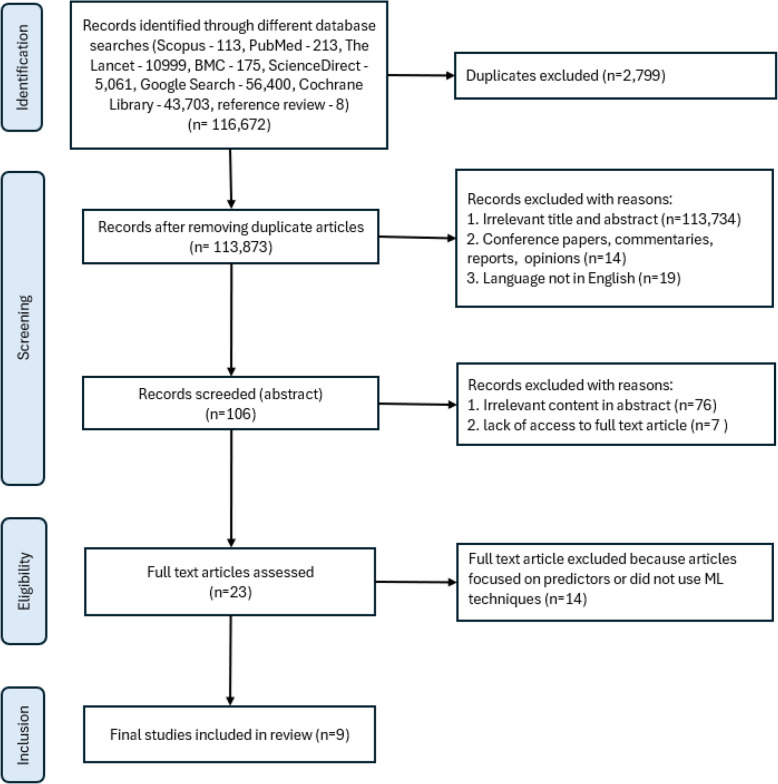 Figure 1
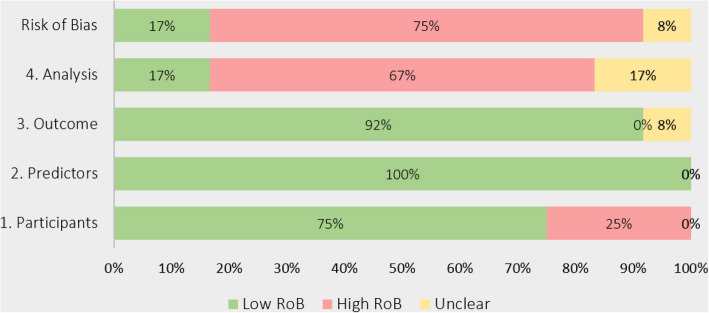 Figure 2
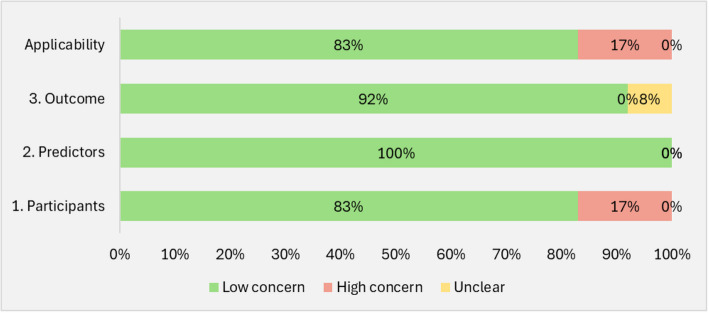 Figure 3
Peer Reviews
No public reviews on file for this paper yet. If you reviewed it on a platform where reviews are public (OpenReview, ICLR, NeurIPS, ICML), you can paste yours below so the community can read it here.
Videos
No videos yet. Explain this paper in a talk, walkthrough, or lecture? Add one.
Taxonomy
TopicsHIV/AIDS Research and Interventions · HIV, Drug Use, Sexual Risk · Ethics in Clinical Research