Unraveling resistance mechanisms to the novel nucleoside analog RX-3117 in lung cancer: insights into DNA repair, cell cycle dysregulation and targeting PKMYT1 for improved therapy
Mahrou Vahabi, Geng Xu, Dzjemma Sarkisjan, Btissame El Hassouni, Giulia Mantini, Valentina Donati, Bing Wang, Giulia Lencioni, Richard J. Honeywell, Dongmei Deng, Sabrina Strano, Godefridus J. Peters, Giovanni Blandino, Elisa Giovannetti

TL;DR
This study explores how lung cancer cells become resistant to RX-3117 and identifies PKMYT1 as a potential target to improve treatment.
Contribution
The study is the first to identify DNA repair and cell cycle dysregulation as resistance mechanisms and highlights PKMYT1 as a novel therapeutic target.
Findings
RX-3117-resistant cells showed reduced nucleotide accumulation but not due to metabolic enzyme downregulation.
CRISPR-Cas9 screening identified DNA repair and cell cycle genes as key to RX-3117 sensitivity.
PKMYT1 inhibition synergized with RX-3117 and showed promise in patients with high PKMYT1 expression.
Abstract
Nucleoside analogues are crucial in treating non-small cell lung cancer (NSCLC), but resistance hampers patient outcomes. The cytidine analogue RX-3117 shows promise in gemcitabine-resistant cancers, yet mechanisms underlying acquired resistance to this drug remain unexplored. This study includes a comprehensive investigation into RX-3117 resistance mechanisms by leveraging new preclinical models and cutting-edge genomic tools, including a CRISPR-Cas9 knockout screen and transcriptomics. NSCLC cell lines A549 and SW1573 were exposed to stepwise increasing concentrations of RX-3117 to establish stable resistant subclones, confirmed by SRB and clonogenic assays. Intracellular RX-3117 nucleotide levels were measured via LC/MS-MS, prompting the evaluation and modulation of the expression of key metabolic enzymes by Western blot and siRNA. A CRISPR-Cas9 screen identified genes whose loss…
Genes, proteins, chemicals, diseases, species, mutations and cell lines named across the full text — each resolved to its canonical identifier and authoritative record.
Click any figure to enlarge with its caption.
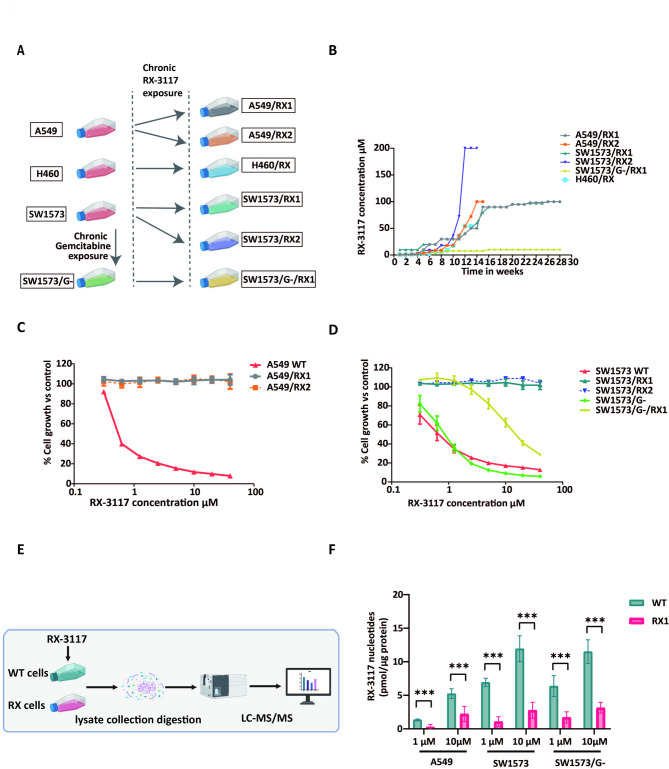 Figure 1
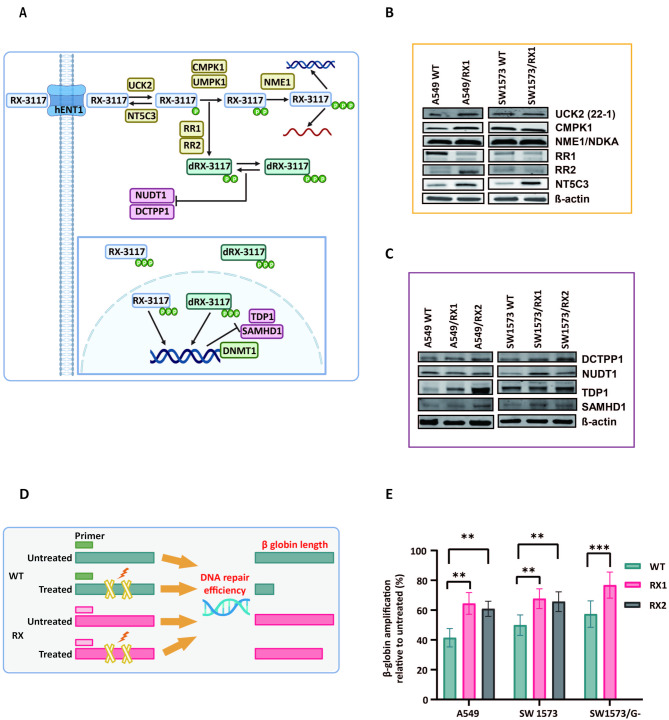 Figure 2
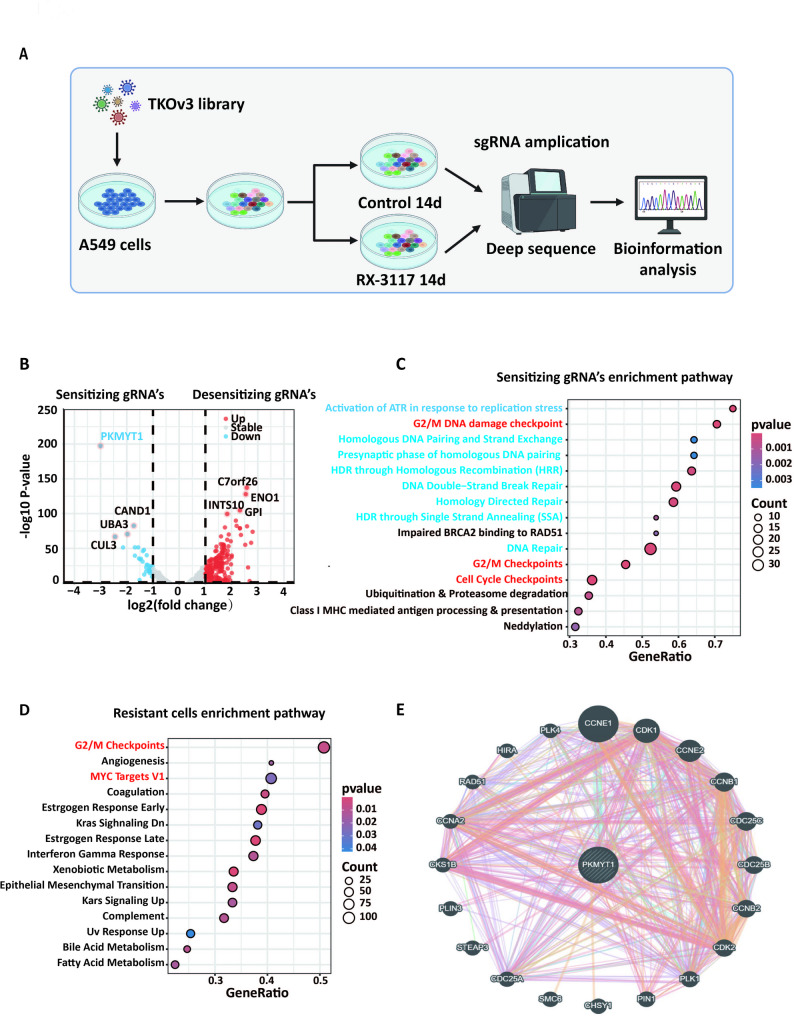 Figure 3
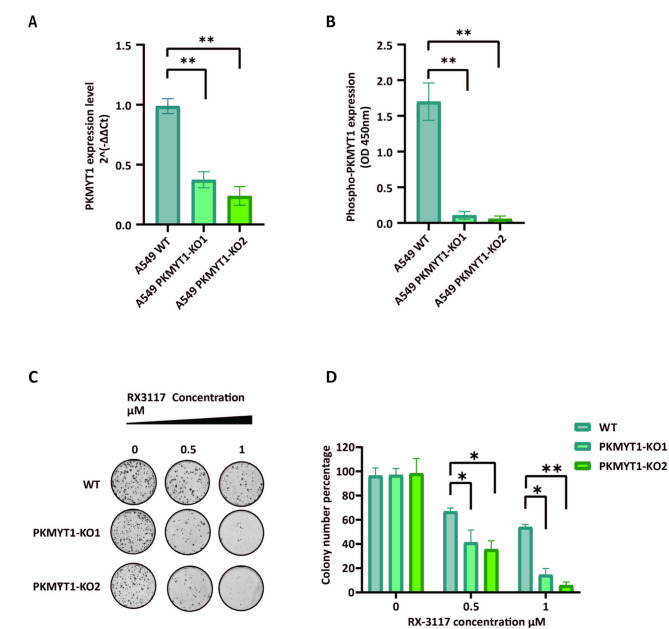 Figure 4
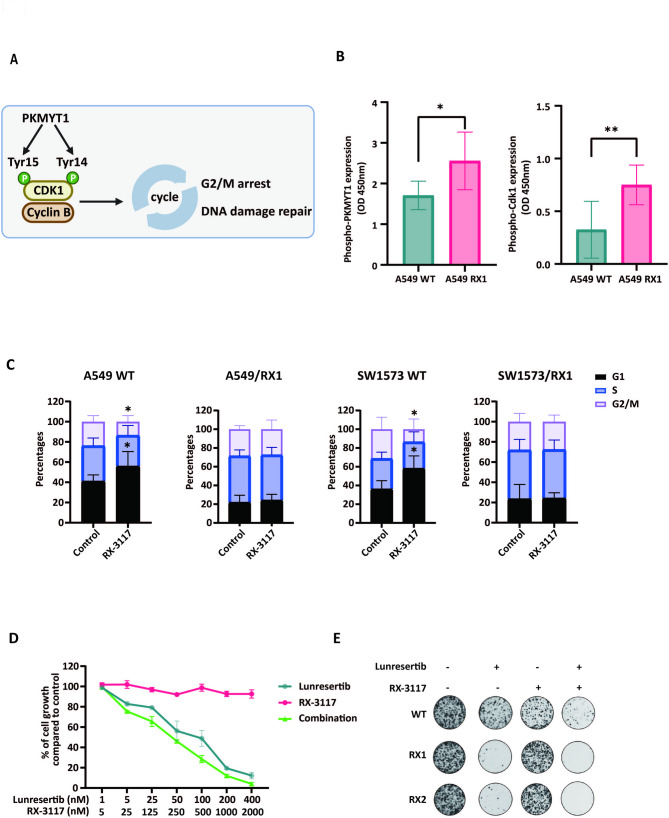 Figure 5
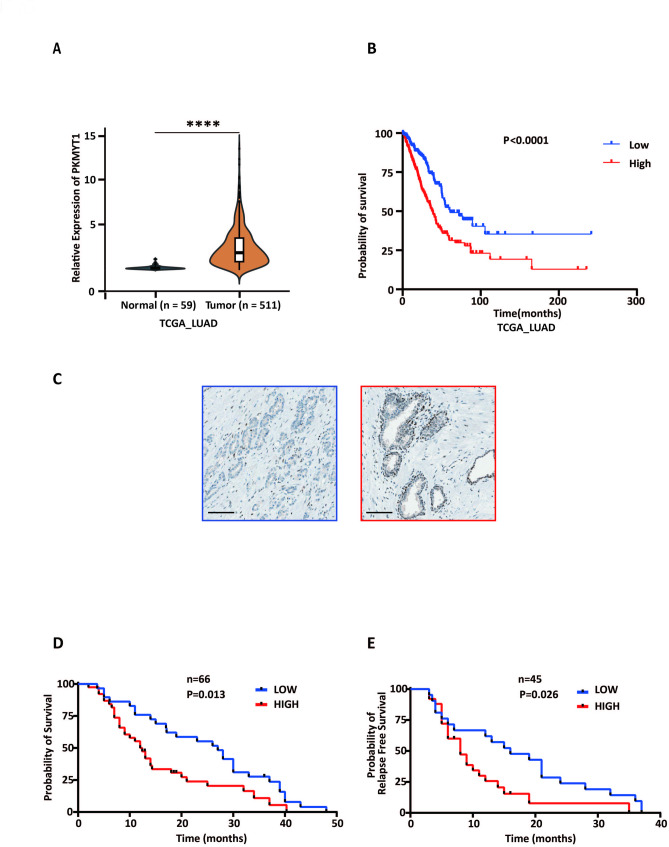 Figure 6
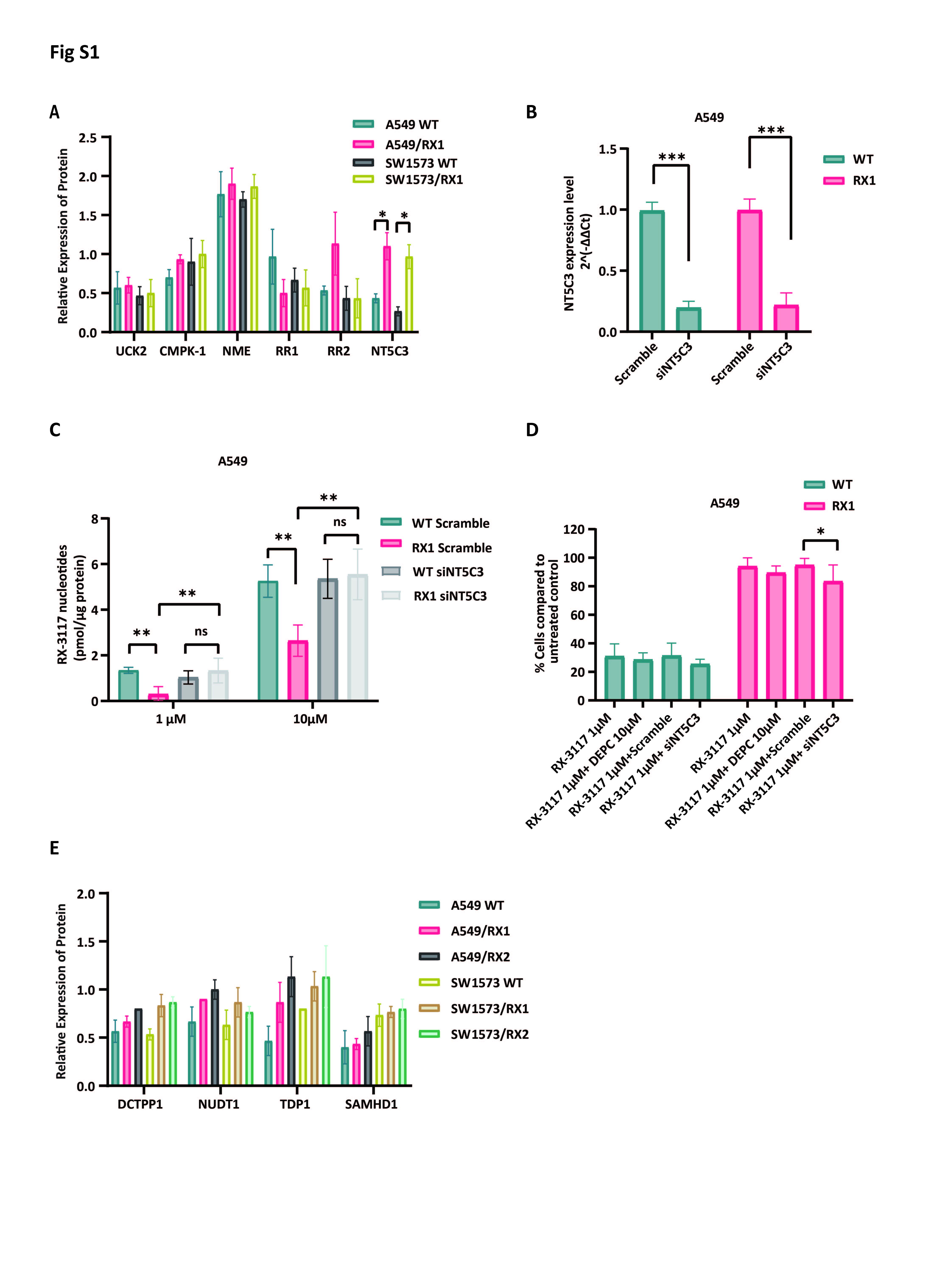 Figure 7
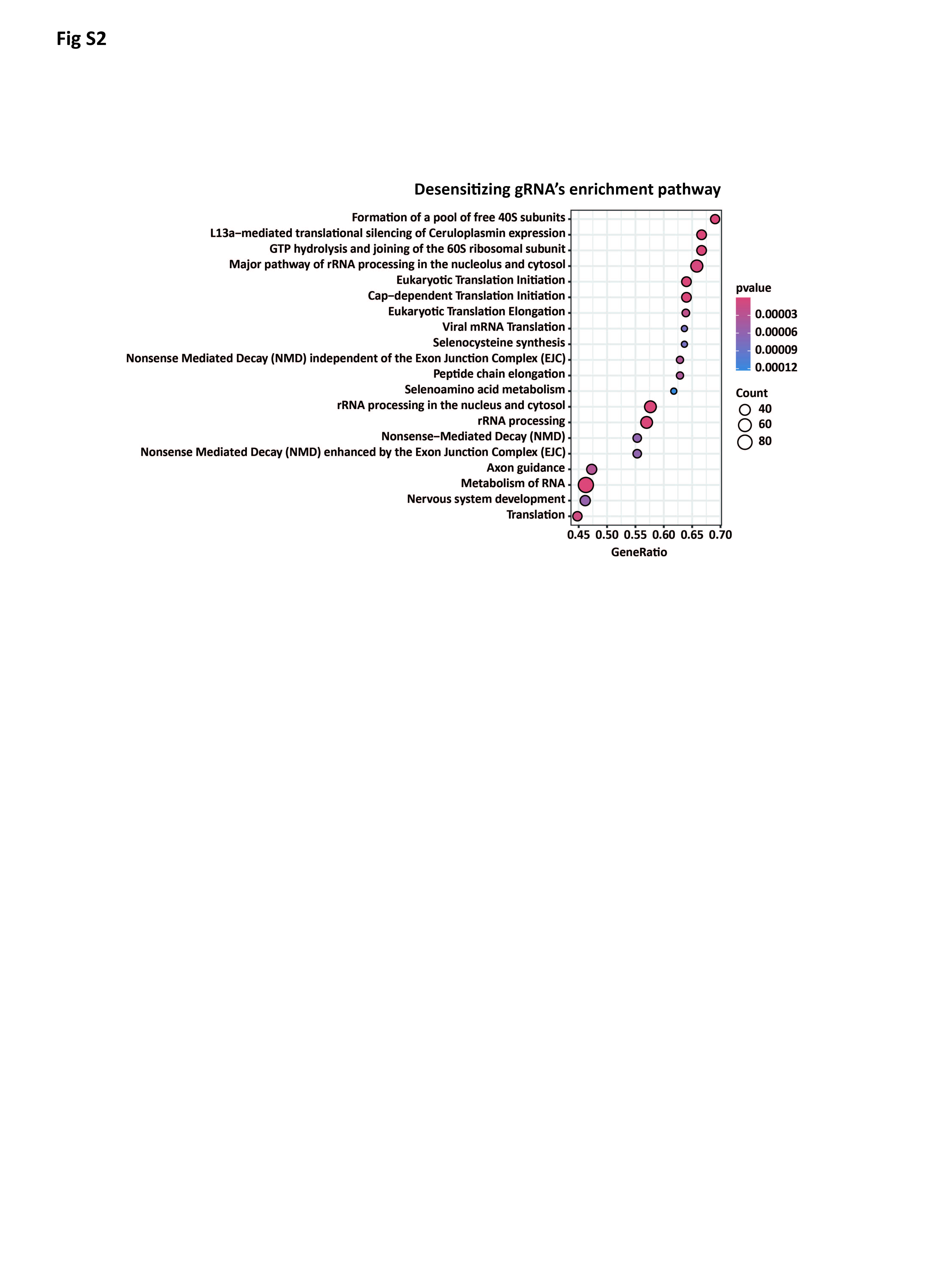 Figure 8
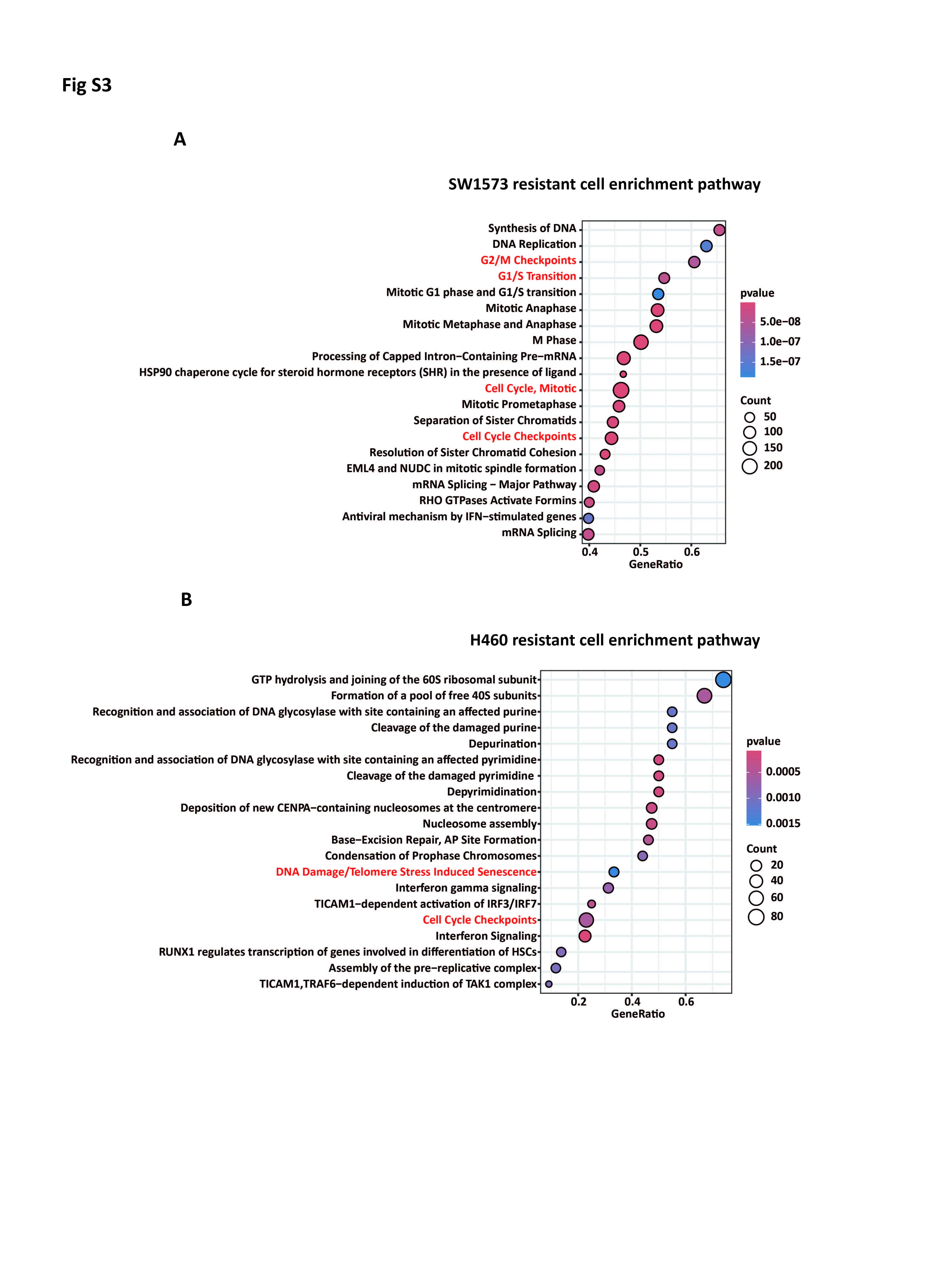 Figure 9
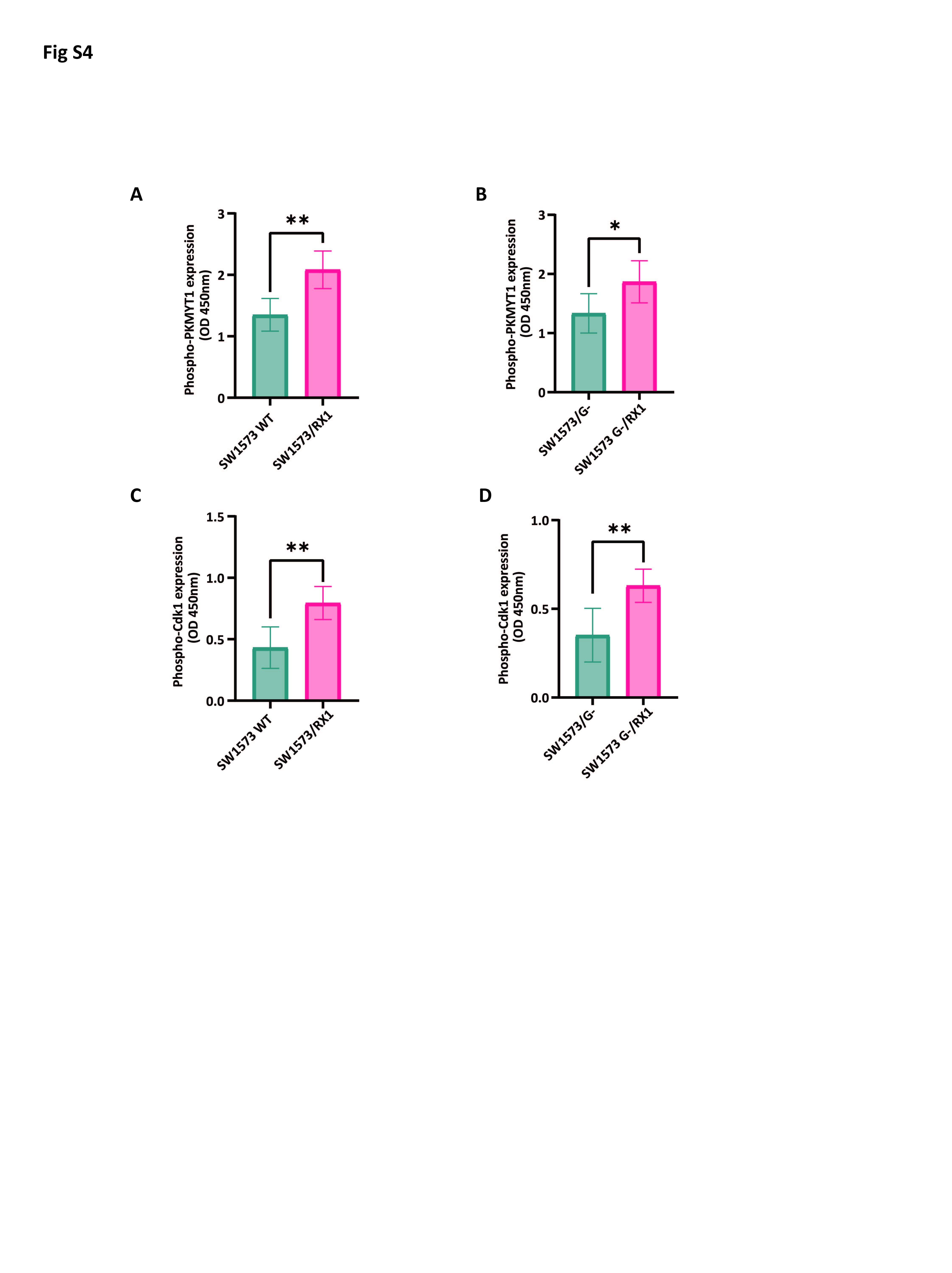 Figure 10
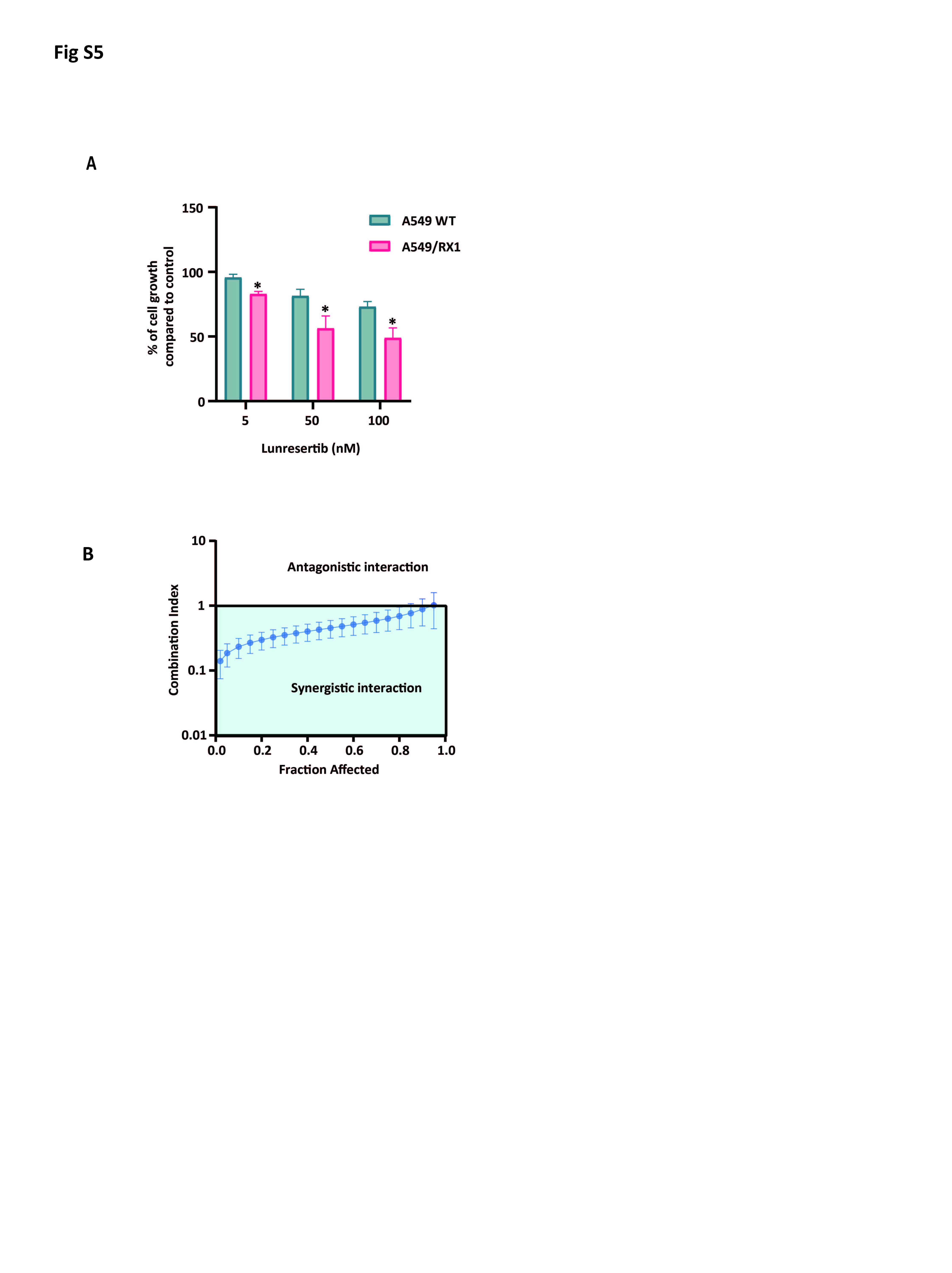 Figure 11
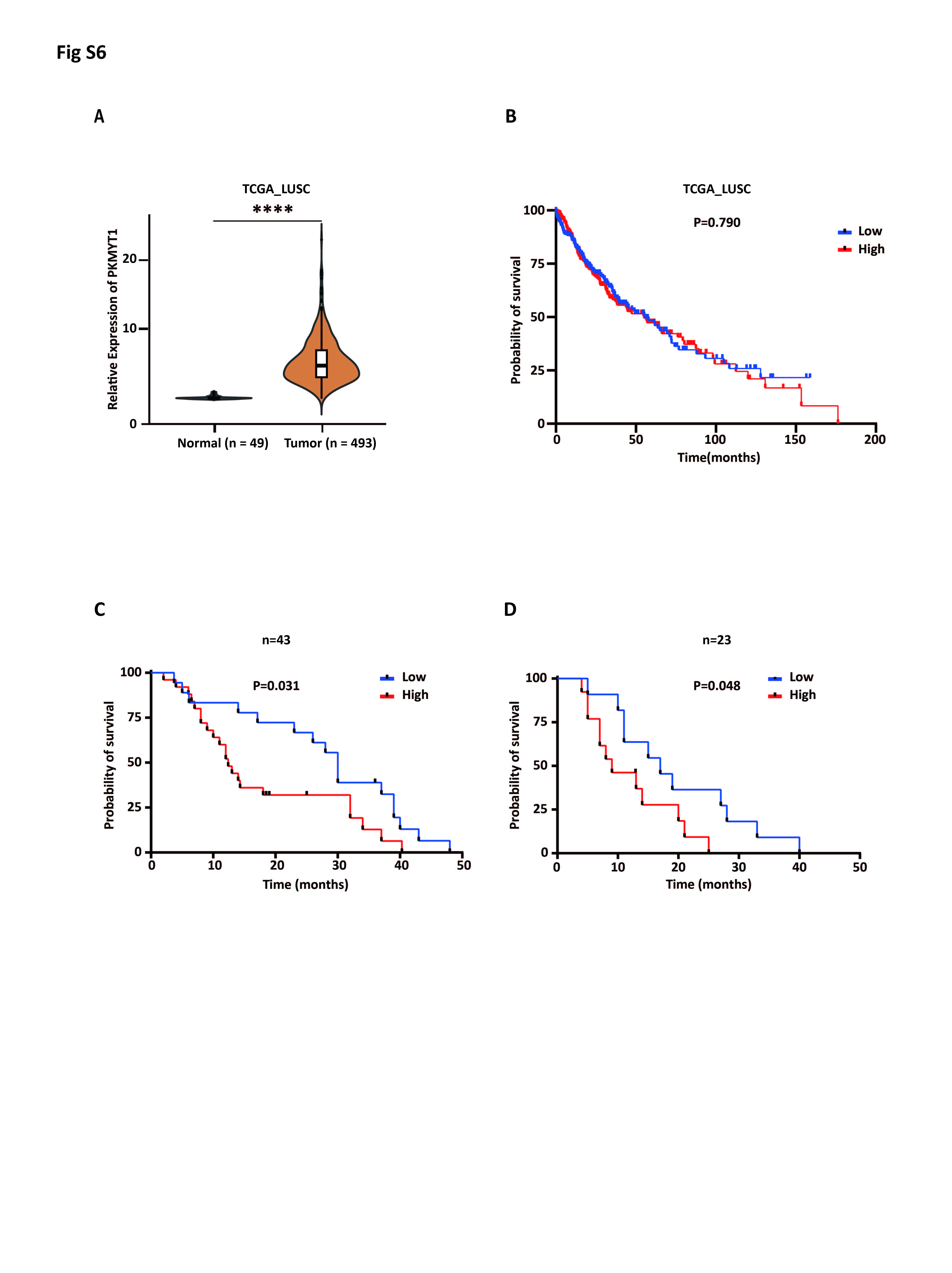 Figure 12
Peer Reviews
No public reviews on file for this paper yet. If you reviewed it on a platform where reviews are public (OpenReview, ICLR, NeurIPS, ICML), you can paste yours below so the community can read it here.
Videos
No videos yet. Explain this paper in a talk, walkthrough, or lecture? Add one.
Taxonomy
TopicsCRISPR and Genetic Engineering · Advanced biosensing and bioanalysis techniques · MicroRNA in disease regulation