Design and synthesis of polymer nanoparticles with pH-responsive pan-HDAC inhibitor (C5) derived from norbornene block copolymers to increase C5 solubility and improve its targeted delivery to prostate cancer sites
Jacob Mathew, Anshul Mishra, Trong-Nghia Le, Jing-Ping Liou, Mei-Jung Lai, Vijayakameswara Rao Neralla

TL;DR
Researchers developed pH-sensitive polymer nanoparticles to deliver a cancer drug more effectively to prostate cancer cells.
Contribution
A novel pH-responsive nanoparticle system was designed to improve the solubility and targeted delivery of a pan-HDAC inhibitor for prostate cancer treatment.
Findings
Nanoparticles with a size of 122 ± 12 nm were successfully synthesized using a norbornene-derived block copolymer.
The nanoparticles showed enhanced drug release (61 ± 1.7%) under acidic tumor conditions compared to neutral pH.
The system demonstrated antiproliferative effects and increased cellular uptake in prostate cancer cells.
Abstract
This study investigated the incorporation of C5, a pan-HDAC inhibitor, into a norbornene-derived block copolymer with pH-sensitive hydrolysis (PNEG-b-P(Nor-PABA-C5)) to generate NPs for prostate cancer treatment. Amphiphilic PNEG-b-P(Nor-PABA-C5) formed NPs in aqueous environments, with hydrophobic Nor-PABA-C5 monomers in the core and hydrophilic PNEG monomers on the surface. DLS analysis showed a particle size of 122 ± 12 nm with a PDI of 0.35, confirmed by SEM and TEM. TEM imaging revealed spherical morphology, enabling the NPs to transport hydrophobic pan-HDACi drugs to PC-3 tumour sites and facilitate release through hydrolysis under acidic conditions. The NPs exhibited pH-hydrolysis characteristics, with enhanced drug release (61 ± 1.7%) at pH 6.2 compared to pH 7.4 (35 ± 0.8%). MTT assay confirmed antiproliferative effect. Analysis of FITC/(PNEG-b-P(Nor-PABA-C5)) cellular uptake…
Genes, proteins, chemicals, diseases, species, mutations and cell lines named across the full text — each resolved to its canonical identifier and authoritative record.
Click any figure to enlarge with its caption.
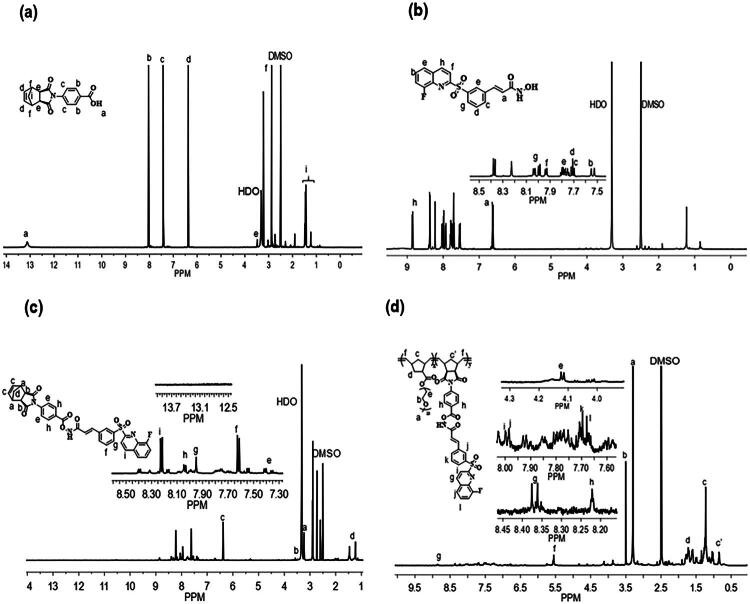 Figure 1
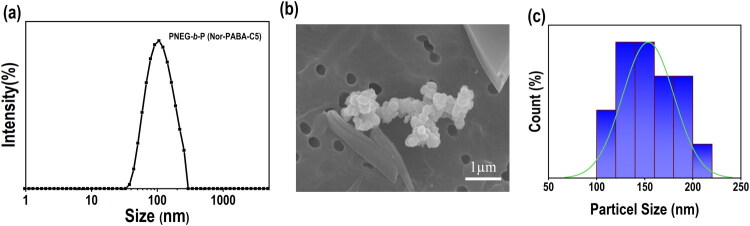 Figure 2
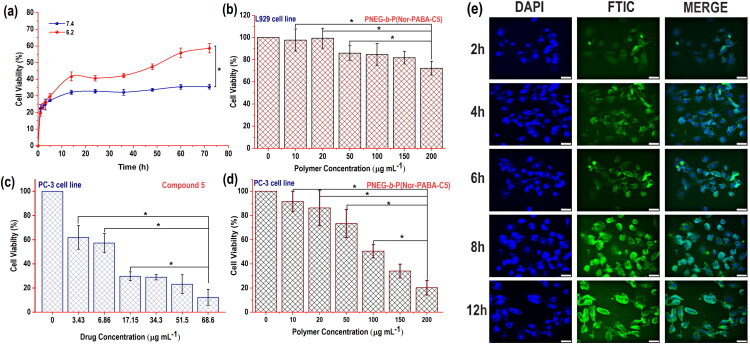 Figure 3
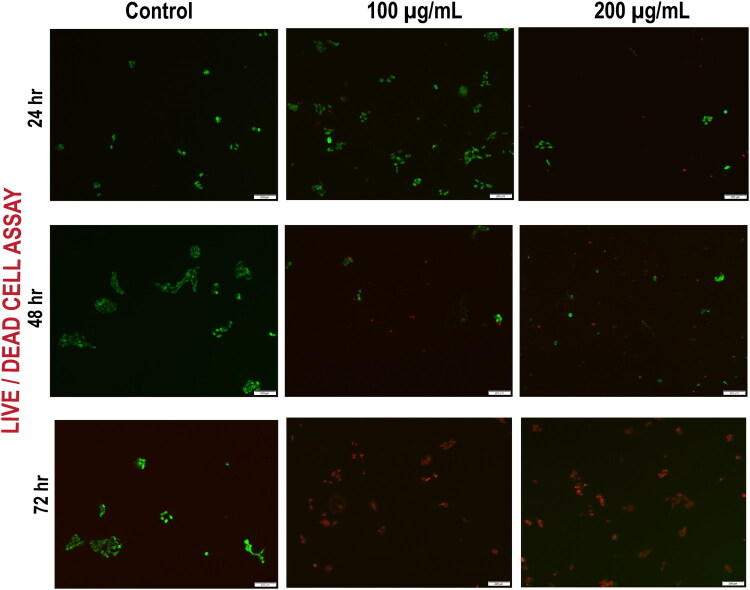 Figure 4
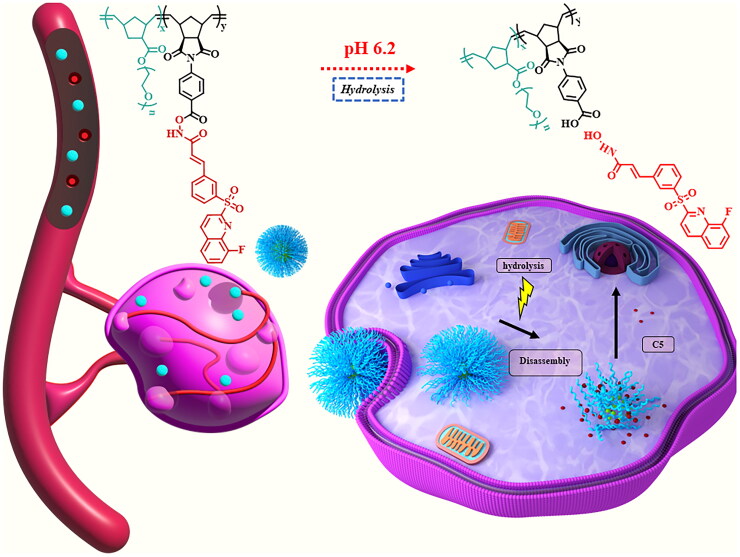 Figure 5
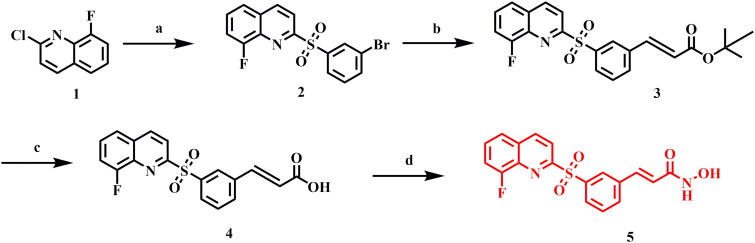 Figure 6
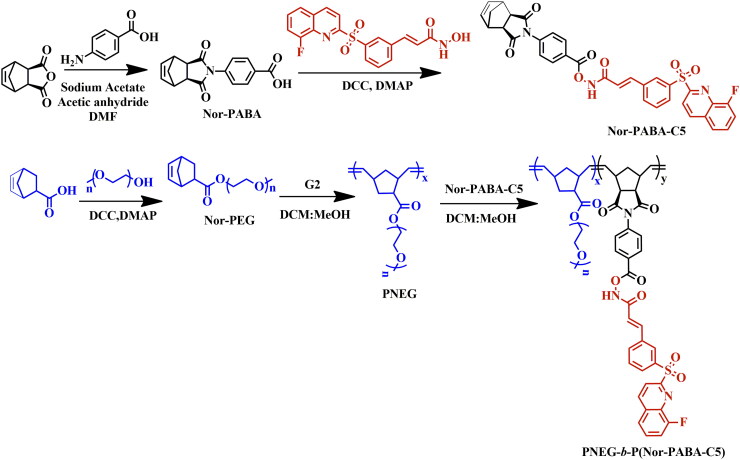 Figure 7
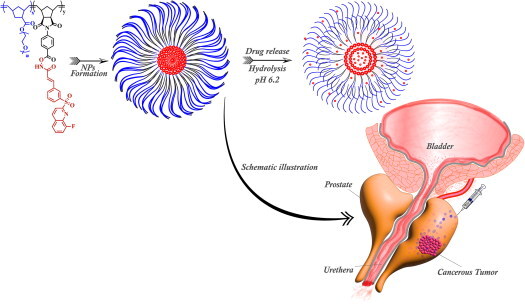 Figure 8
Peer Reviews
No public reviews on file for this paper yet. If you reviewed it on a platform where reviews are public (OpenReview, ICLR, NeurIPS, ICML), you can paste yours below so the community can read it here.
Videos
No videos yet. Explain this paper in a talk, walkthrough, or lecture? Add one.
Taxonomy
TopicsHistone Deacetylase Inhibitors Research · Peptidase Inhibition and Analysis · Enzyme function and inhibition