Mimickers of pituitary tumors
M Citlalli Perez-Guzman, Gabriela Szuman, Abdulrahman Altwijri, Kevin Shek, Sylvia L Asa, Shereen Ezzat

TL;DR
This paper reviews conditions that can mimic pituitary tumors on imaging, helping avoid misdiagnosis and unnecessary treatment.
Contribution
The paper provides a comprehensive review of non-neoplastic conditions that resemble pituitary tumors.
Findings
Many non-cancerous conditions can mimic pituitary tumors on imaging.
Distinguishing true tumors from mimics is crucial for appropriate management.
A structured approach is suggested to guide clinical decision-making.
Abstract
Enlargement of the pituitary gland and/or its surrounding structures on brain or sellar imaging is a frequent finding. The distinction between clinically relevant and incidental changes can be challenging. Furthermore, the assumption that sellar lesions reflect a true neoplasm must be rigorously questioned to avoid inappropriate treatment or unnecessary surveillance plans. Here we review wide-ranging conditions that can mimic primary pituitary tumors. We outline a suggested approach to rational decision-making.
Genes, proteins, chemicals, diseases, species, mutations and cell lines named across the full text — each resolved to its canonical identifier and authoritative record.
Click any figure to enlarge with its caption.
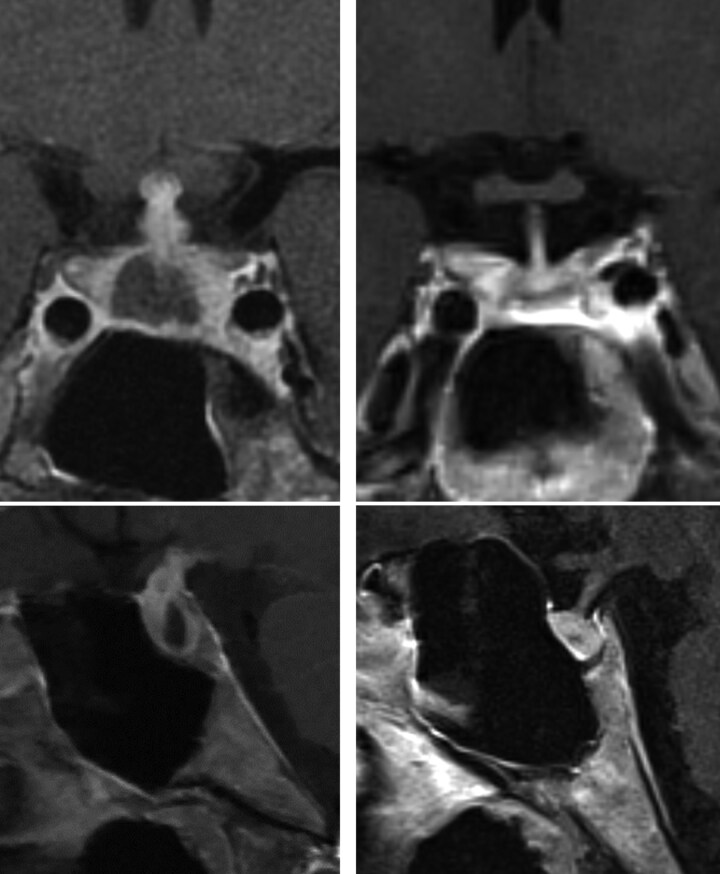 Figure 1
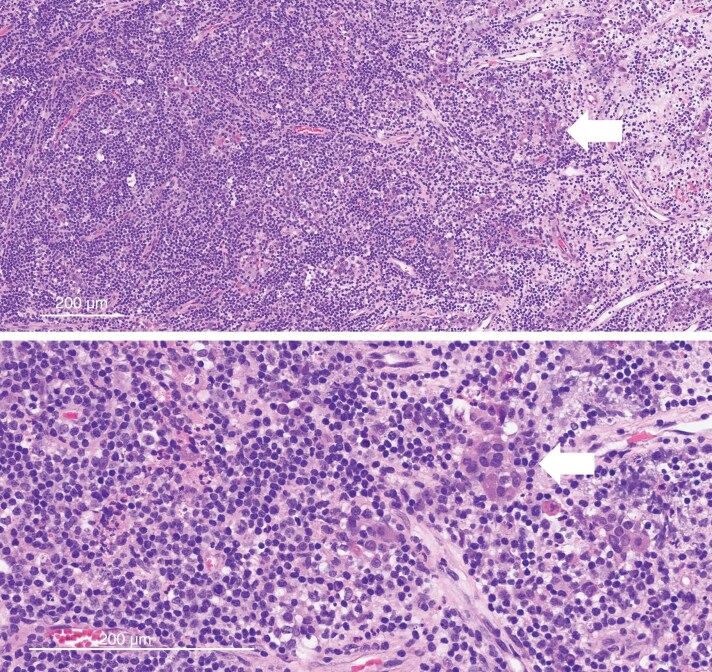 Figure 2
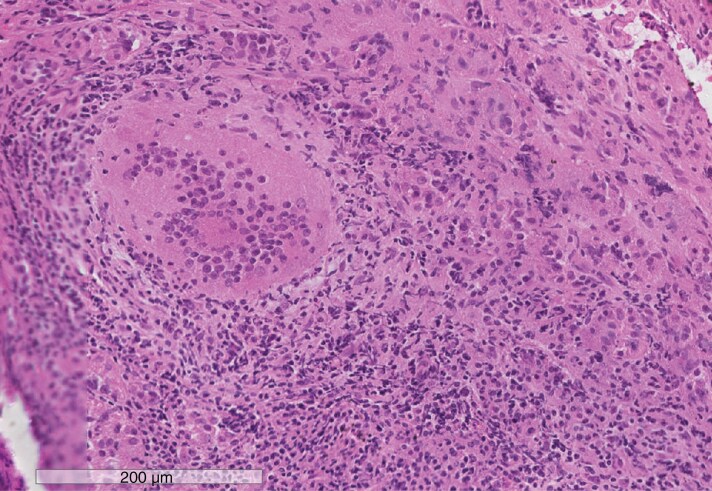 Figure 3
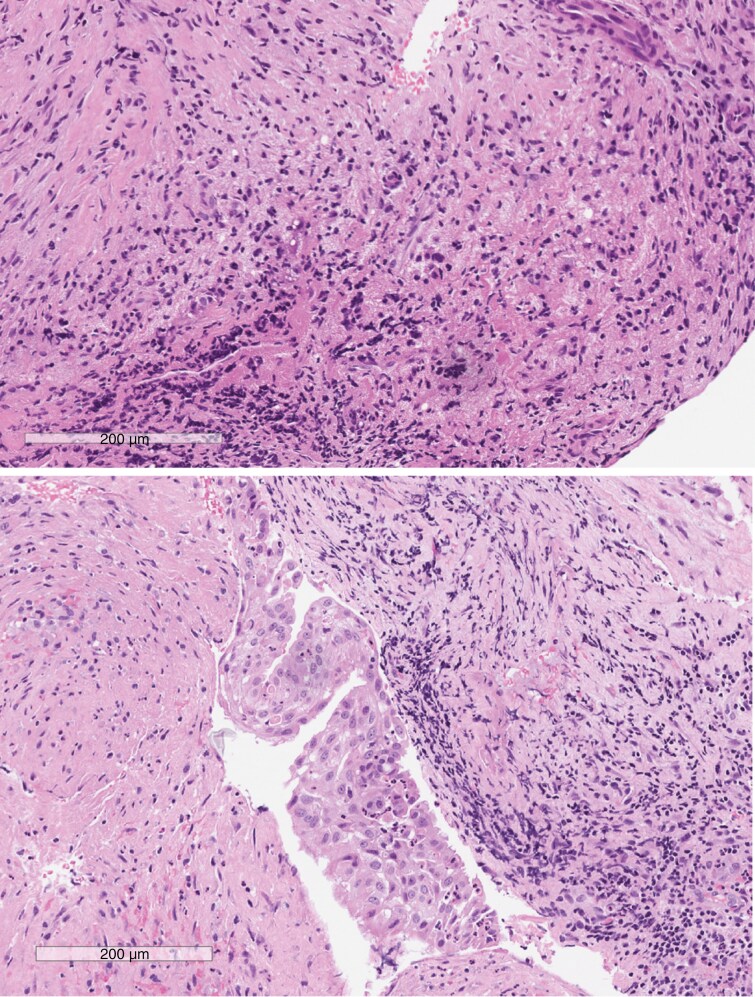 Figure 4
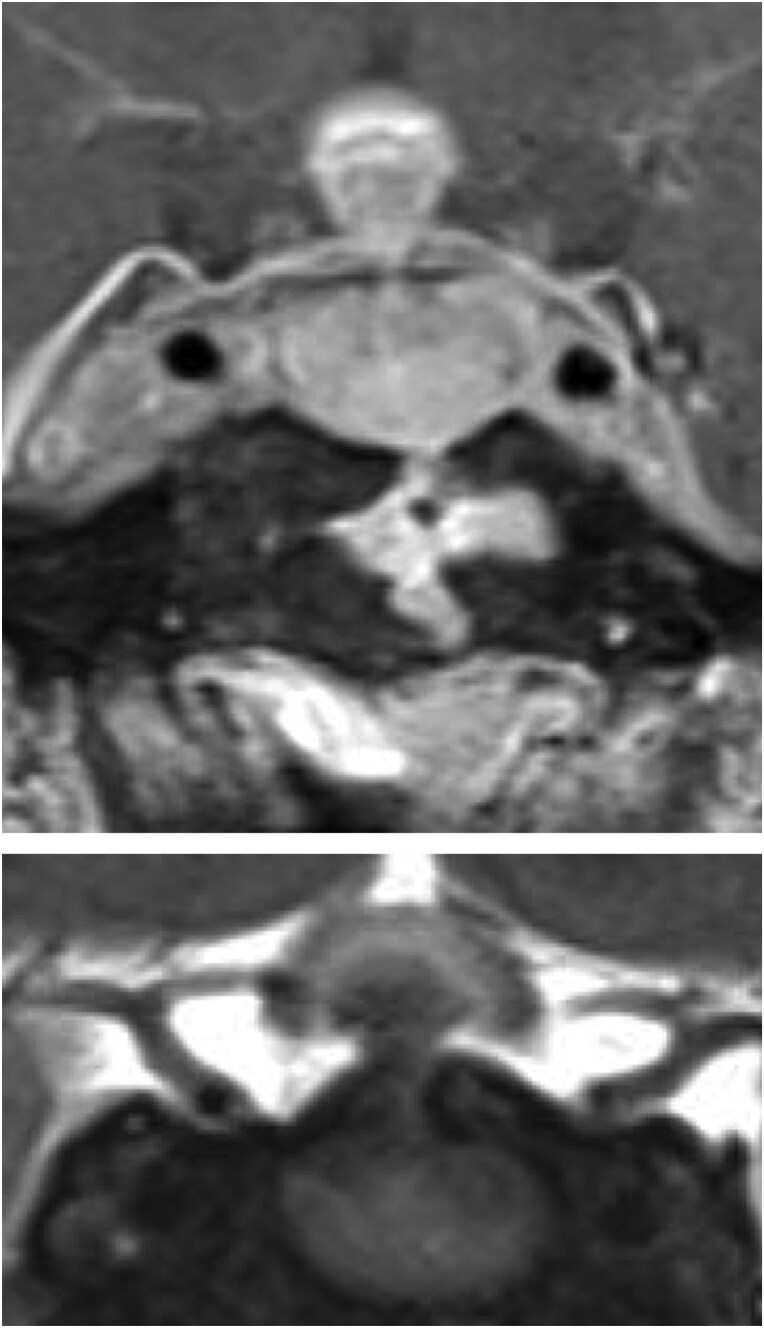 Figure 5
Peer Reviews
No public reviews on file for this paper yet. If you reviewed it on a platform where reviews are public (OpenReview, ICLR, NeurIPS, ICML), you can paste yours below so the community can read it here.
Videos
No videos yet. Explain this paper in a talk, walkthrough, or lecture? Add one.
Taxonomy
TopicsPituitary Gland Disorders and Treatments · Neuroendocrine Tumor Research Advances · IgG4-Related and Inflammatory Diseases