Access to Microstructurally Complex Block Copolymers via Switchable Ring-Opening Polymerization of Cyclic Ester Mixtures
David J. E. Seed, Amelia B. Milner, George R. Walker, Rachel H. Platel

TL;DR
Scientists developed a new method to create complex block copolymers using a switchable catalyst that controls polymerization of different ester monomers.
Contribution
A highly selective yttrium catalyst enables switchable ring-opening polymerization of multiple cyclic ester monomers to form microstructurally complex block copolymers.
Findings
A yttrium catalyst selectively polymerizes lactide, rac-β-butyrolactone, and ε-caprolactone in a switchable manner.
Block composition is controlled by the presence or absence of lactide rather than monomer concentration.
Each block contains two monomers while excluding the third, enabling precise microstructural control.
Abstract
The synthesis of sequence-controlled block copolymers from a mixture of cyclic ester monomers represents a significant challenge. In this study, we demonstrate the selective and self-switchable ring-opening polymerization (ROP) of three different cyclic ester monomers (lactide (LA), rac-β-butyrolactone (rac-β-BL) and ε-caprolactone (ε-CL)) to block copolymers of the form (AB) x (BC) y using a highly selective yttrium catalyst. Each block contains units from two monomers and completely excludes one monomer. The switch from formation of one block to the next is strictly controlled by the presence or absence of LA in the reaction mixture rather than relative concentrations of each monomer. Individual block length and composition are determined by the initial monomer concentrations.
Genes, proteins, chemicals, diseases, species, mutations and cell lines named across the full text — each resolved to its canonical identifier and authoritative record.
Click any figure to enlarge with its caption.
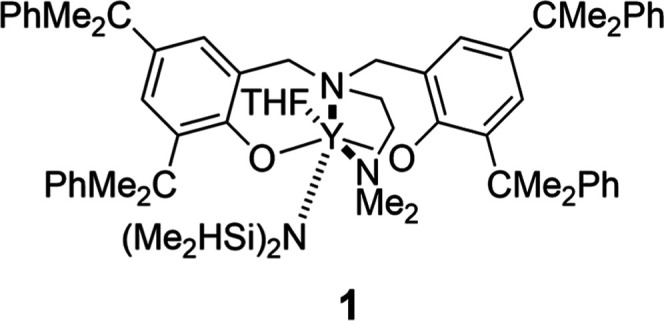 Figure 1
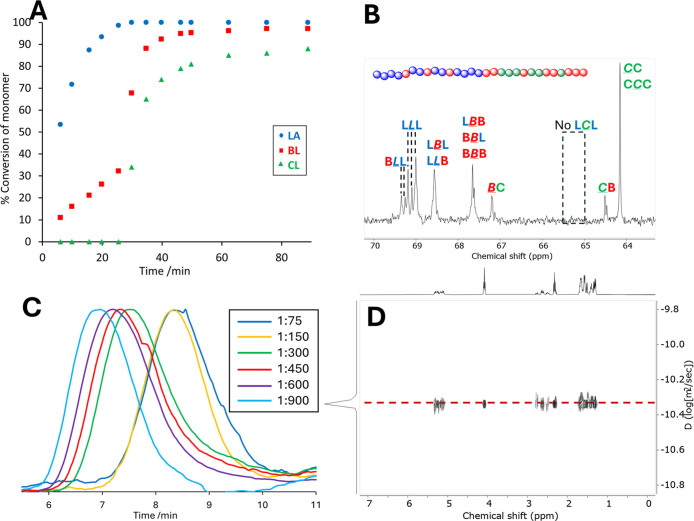 Figure 2
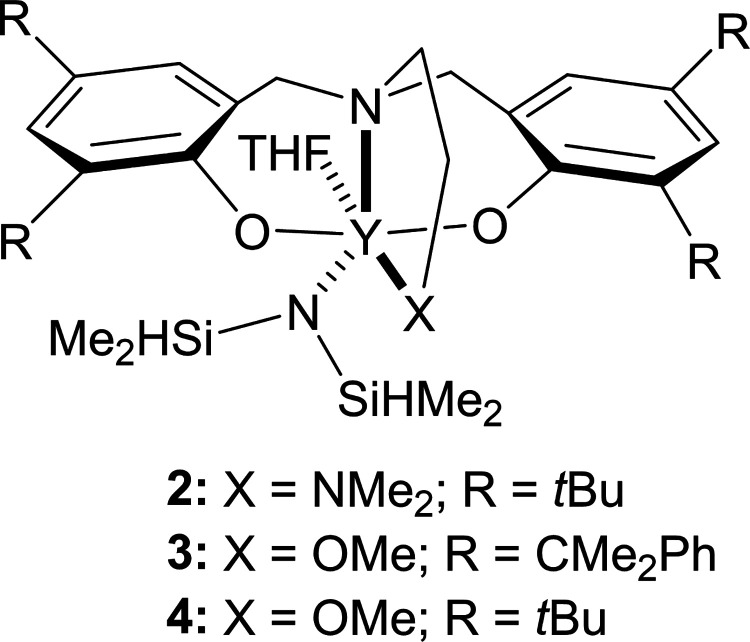 Figure 3
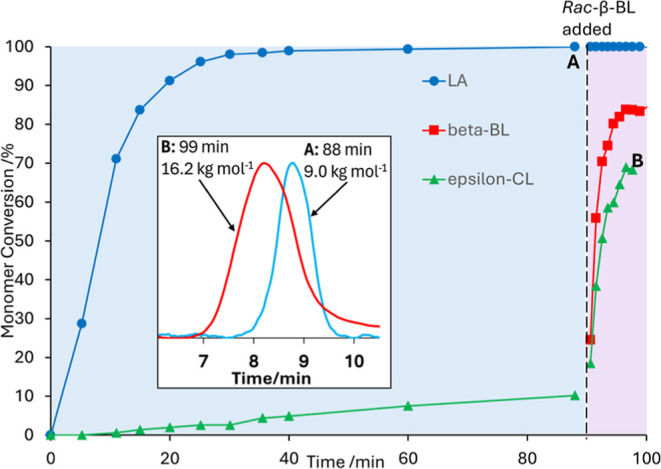 Figure 4
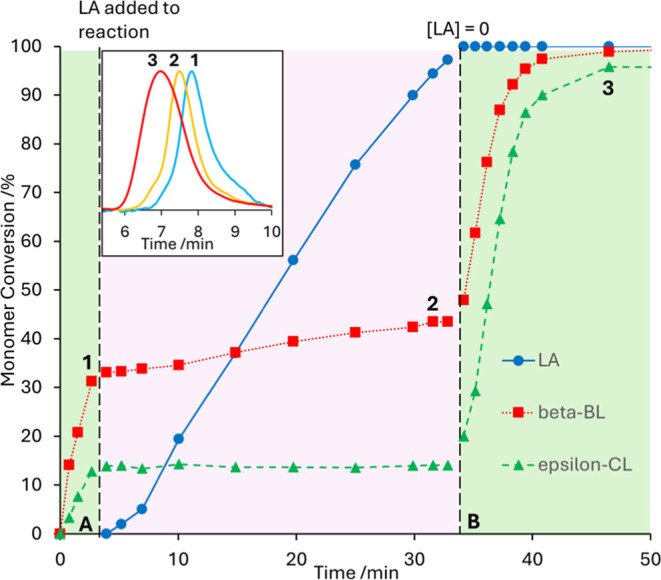 Figure 5
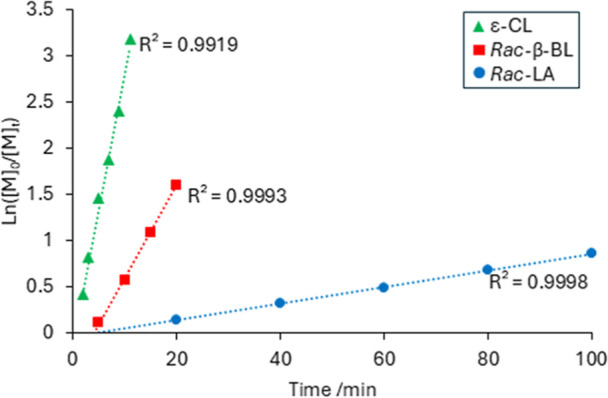 Figure 6
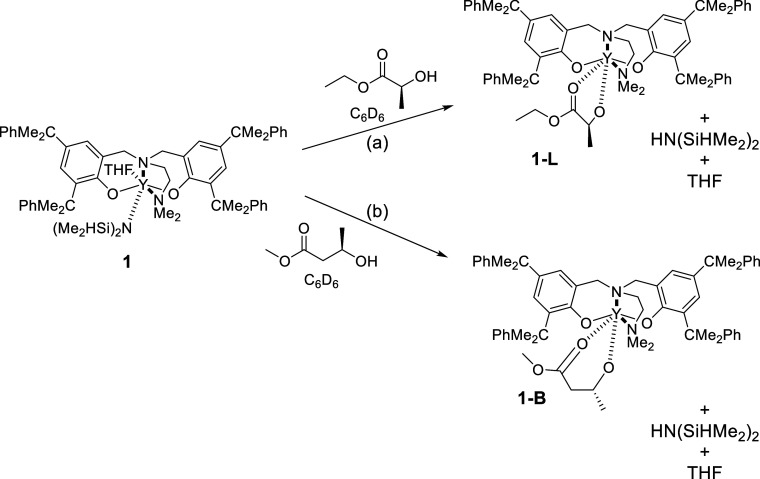 Figure 7
 Figure 8
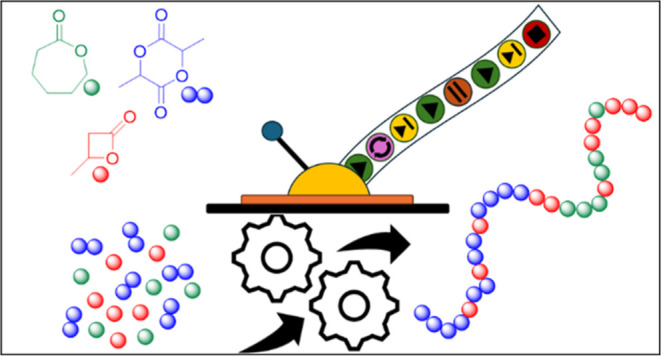 Figure 9
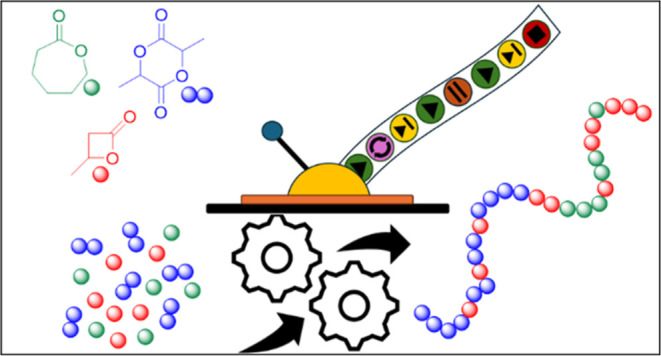 Figure 10
Peer Reviews
No public reviews on file for this paper yet. If you reviewed it on a platform where reviews are public (OpenReview, ICLR, NeurIPS, ICML), you can paste yours below so the community can read it here.
Videos
No videos yet. Explain this paper in a talk, walkthrough, or lecture? Add one.
Taxonomy
Topicsbiodegradable polymer synthesis and properties · Carbon dioxide utilization in catalysis · Advanced Polymer Synthesis and Characterization