Enhanced Krylov Methods for Molecular Hamiltonians: Reduced Memory Cost and Complexity Scaling via Tensor Hypercontraction
Yu Wang, Maxine Luo, Matthias Reumann, Christian B. Mendl

TL;DR
This paper introduces a new algorithm that reduces memory and computational costs when simulating molecular systems using tensor hypercontraction and Krylov subspace methods.
Contribution
The novel contribution is a memory-efficient and low-scaling algorithm for ab initio molecular Hamiltonians using tensor-hypercontraction and matrix-product states.
Findings
The algorithm achieves the same memory cost as the bare MPS while reducing computational cost scaling.
Numerical experiments confirm the theoretical advantages of the proposed method.
The method is highly parallelizable, making it suitable for large-scale high-performance computing simulations.
Abstract
We introduce an algorithm that is simultaneously memory-efficient and low-scaling for applying ab initio molecular Hamiltonians to matrix-product states (MPS) via the tensor-hypercontraction (THC) format. These gains carry over to Krylov subspace methods, which can find low-lying eigenstates and simulate quantum time evolution while avoiding local minima and maintaining high accuracy. In our approach, the molecular Hamiltonian is represented as a sum of products of four MPOs, each with a bond dimension of only 2. Iteratively applying the MPOs to the current quantum state in MPS form, summing and recompressing the MPS leads to a scheme with the same asymptotic memory cost as the bare MPS and reduces the computational cost scaling compared to the Krylov method using a conventional MPO construction. We provide a detailed theoretical derivation of these statements and conduct supporting…
Genes, proteins, chemicals, diseases, species, mutations and cell lines named across the full text — each resolved to its canonical identifier and authoritative record.
Click any figure to enlarge with its caption.
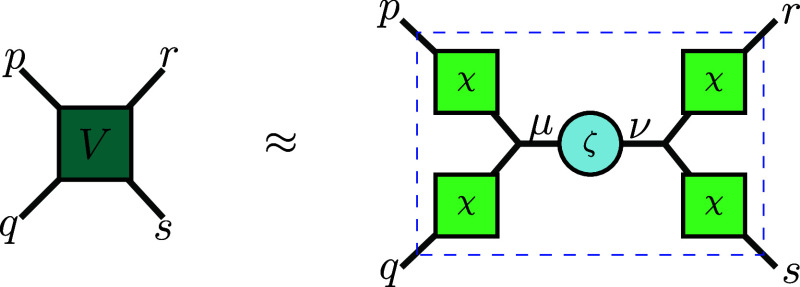 Figure 1
 Figure 2
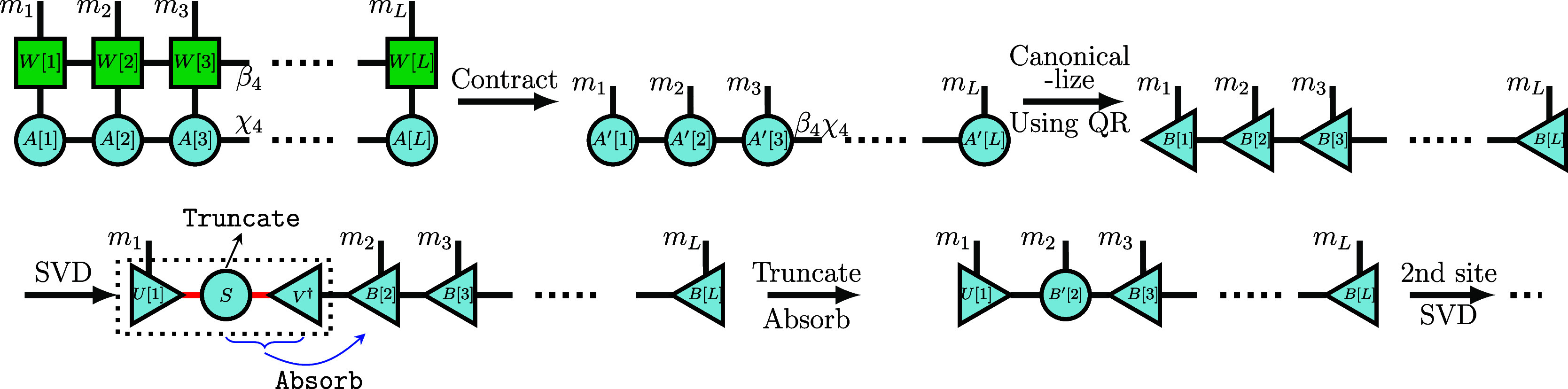 Figure 3
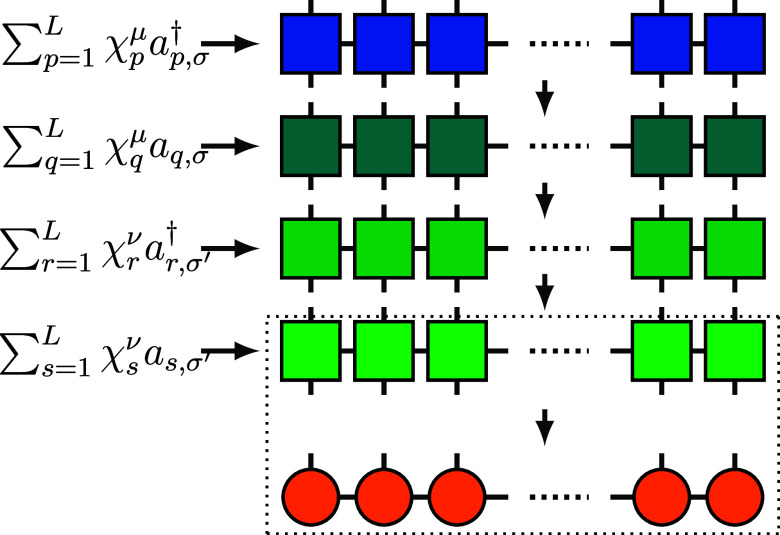 Figure 4
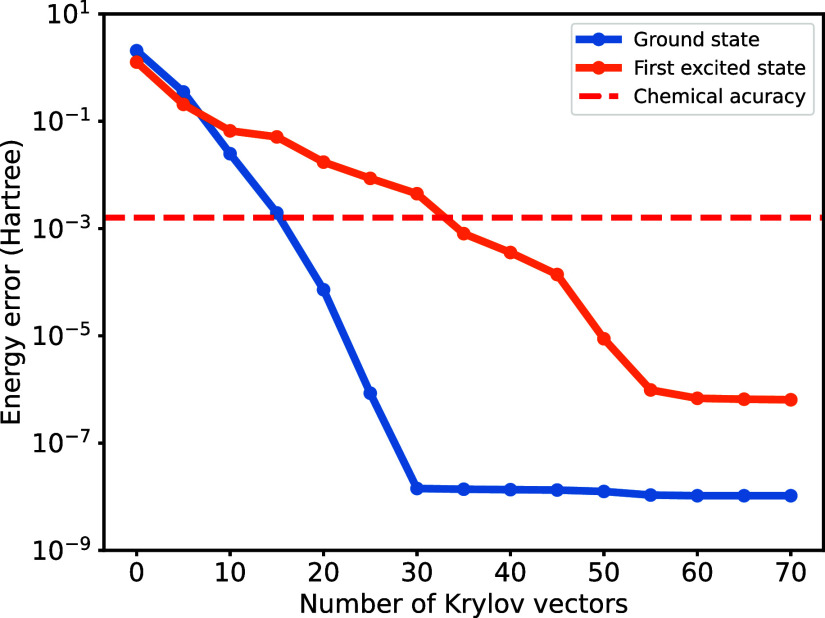 Figure 5
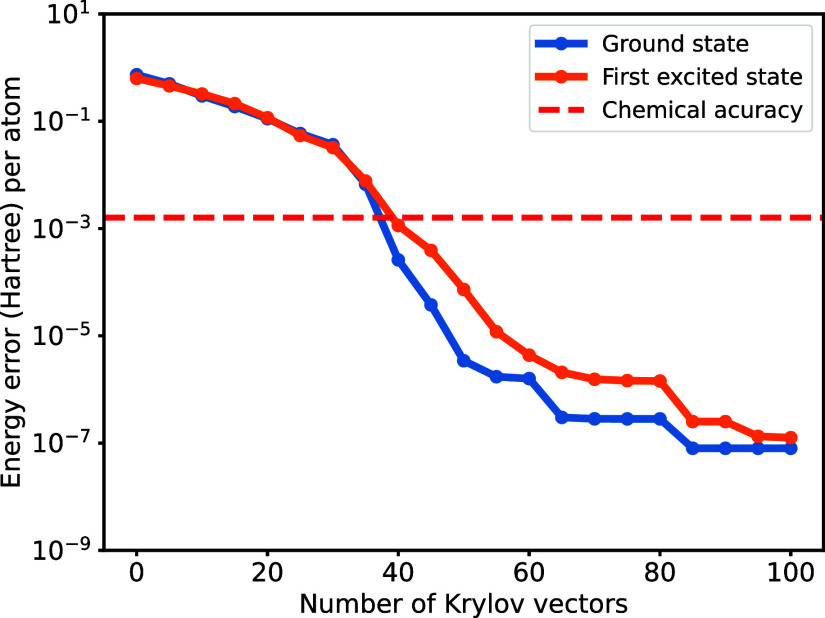 Figure 6
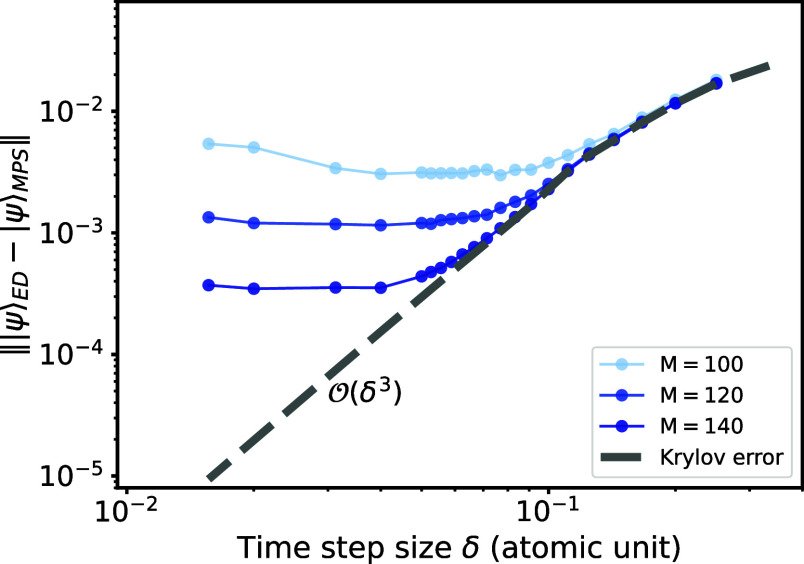 Figure 7
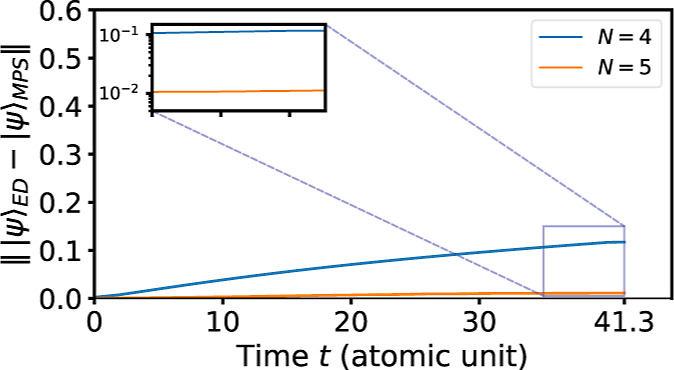 Figure 8
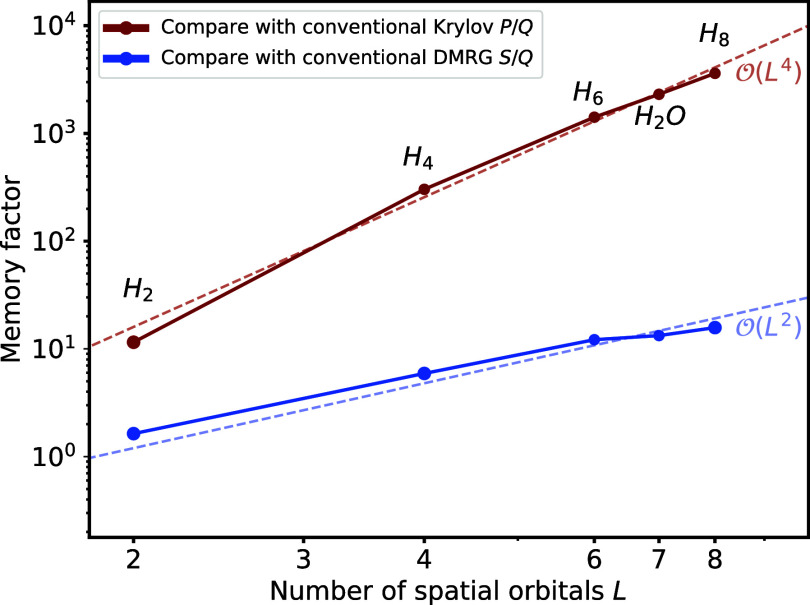 Figure 9
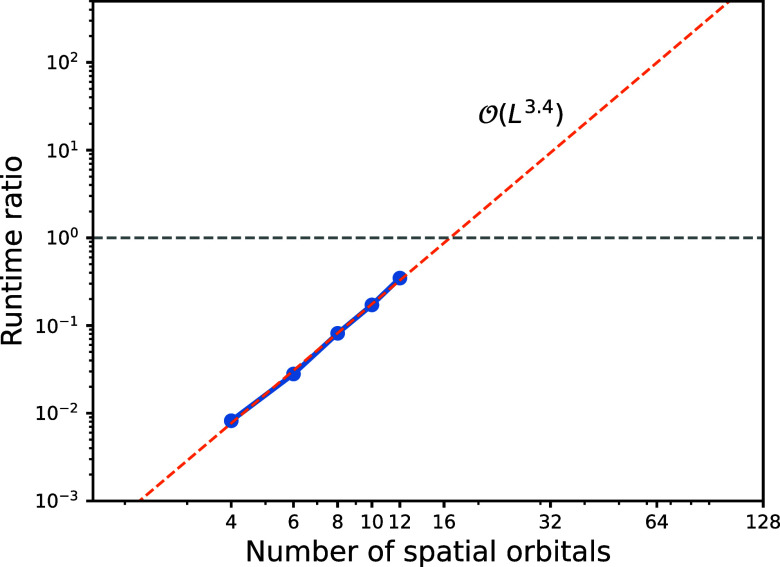 Figure 10
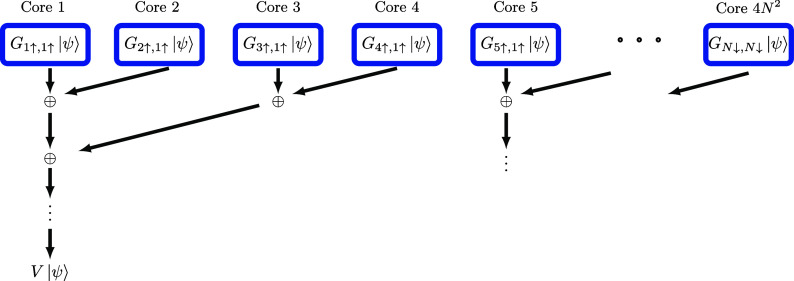 Figure 11
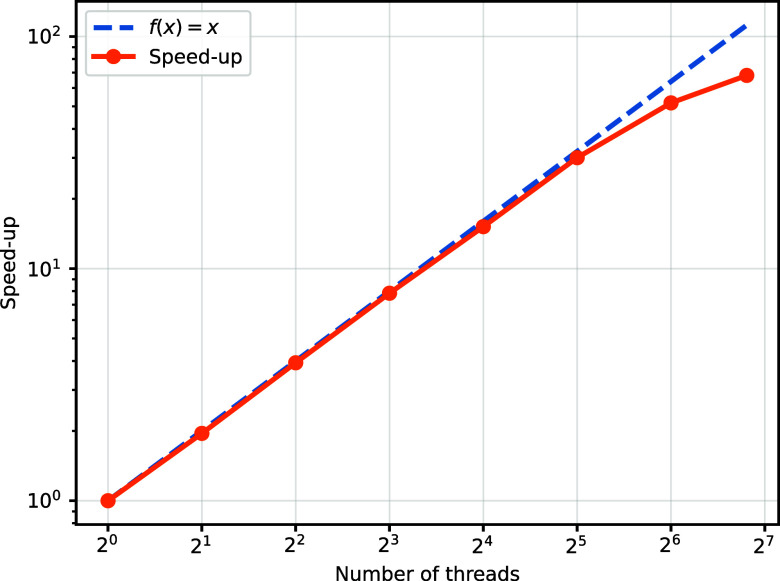 Figure 12
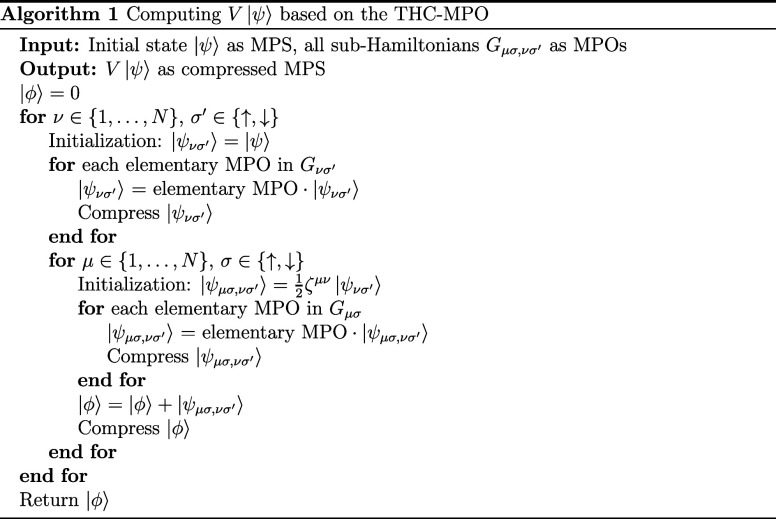 Figure 13
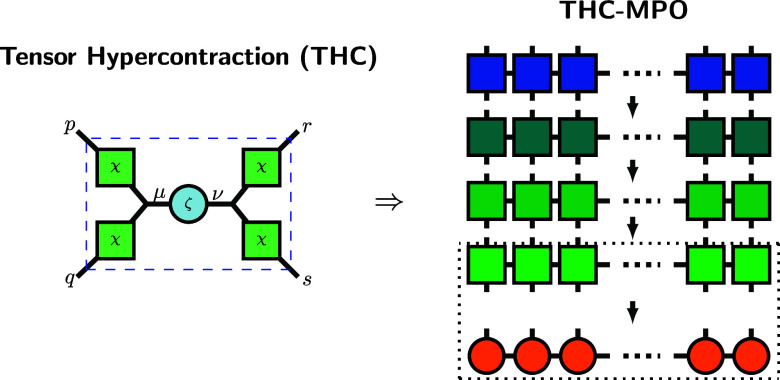 Figure 14
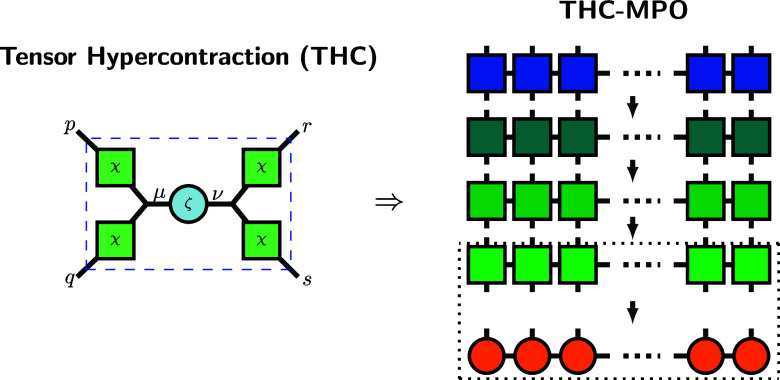 Figure 15
 Figure 16
 Figure 17
 Figure 18
 Figure 19
 Figure 20
 Figure 21
 Figure 22
 Figure 23
 Figure 24
 Figure 25
 Figure 26
 Figure 27
 Figure 28
 Figure 29
 Figure 30
 Figure 31
 Figure 32
 Figure 33
 Figure 34
 Figure 35
 Figure 36
 Figure 37
 Figure 38
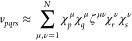 Figure 39
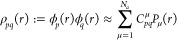 Figure 40
 Figure 41
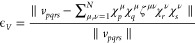 Figure 42
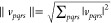 Figure 43
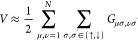 Figure 44
 Figure 45
 Figure 46
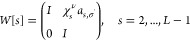 Figure 47
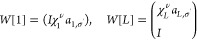 Figure 48
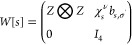 Figure 49
 Figure 50
Peer Reviews
No public reviews on file for this paper yet. If you reviewed it on a platform where reviews are public (OpenReview, ICLR, NeurIPS, ICML), you can paste yours below so the community can read it here.
Videos
No videos yet. Explain this paper in a talk, walkthrough, or lecture? Add one.
Taxonomy
TopicsQuantum many-body systems · Quantum Computing Algorithms and Architecture · Advanced NMR Techniques and Applications