Therapeutic Potential of Stylissatin A and Related Cyclic Peptides From Marine Sponges
Aaqib Ullah, Farzana Shaheen, Uzma Salar, Andreas G. Tzakos, Ioannis P. Gerothanassis

TL;DR
This paper reviews the therapeutic potential of Stylissatin A, a cyclic peptide from marine sponges, and its analogues for treating diseases like cancer and obesity.
Contribution
The paper highlights novel synthetic strategies and identifies key amino acid residues that enhance the therapeutic potential of Stylissatin A.
Findings
Ile at position 2, Pro at 4 and 6, and Tyr at position 1 are critical for the therapeutic activity of Stylissatin A.
Cyclic peptides like Stylissatin A offer opportunities for molecular modifications to improve potency and physicochemical properties.
Synthetic strategies for Stylissatin A have been developed to optimize its production and therapeutic application.
Abstract
Marine sponges are sessile invertebrates found in moderate, arctic, and tropical regions, serving as a valuable reservoir of bioactive compounds, particularly Pro‐rich peptides. Among these, cyclic peptides have attracted significant interest due to their diverse therapeutic properties. One notable example is Stylissatin A (SA), a Pro‐rich cyclic peptide reported from the marine sponge Stylissa massa. SA and its analogues have shown promising biological activities, including anti‐inflammatory, anticancer, and anti‐obesity effects. Despite the vast potential of marine‐derived peptides, only a small number have progressed to the pharmaceutical market. Cyclic peptides like SA offer unique opportunities for molecular modifications and total synthesis, enabling the enhancement of potency, improvement of physicochemical properties, and optimization of synthetic yields. This review highlights…
Genes, proteins, chemicals, diseases, species, mutations and cell lines named across the full text — each resolved to its canonical identifier and authoritative record.
Click any figure to enlarge with its caption.
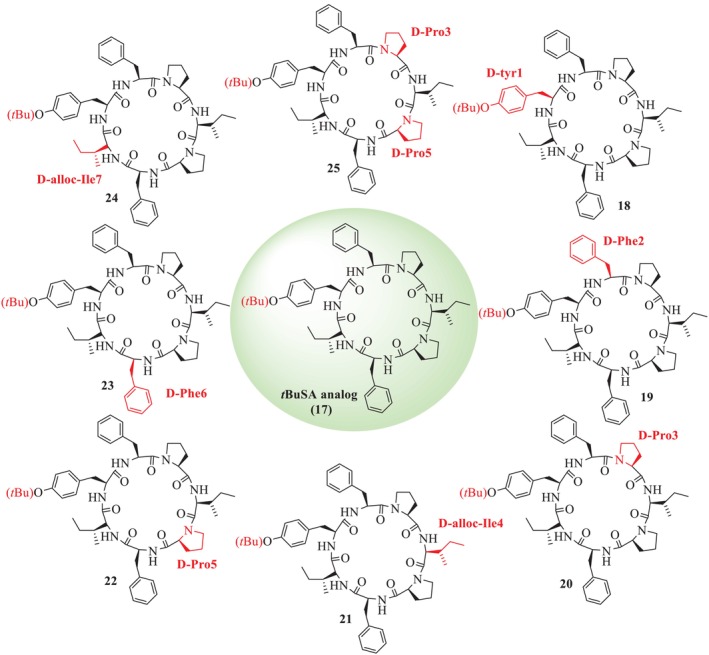 Figure 1
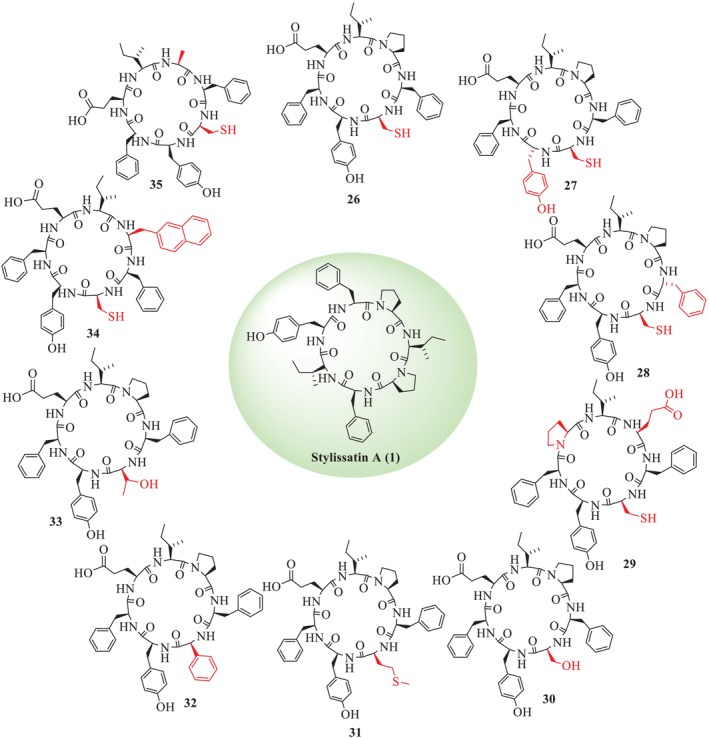 Figure 2
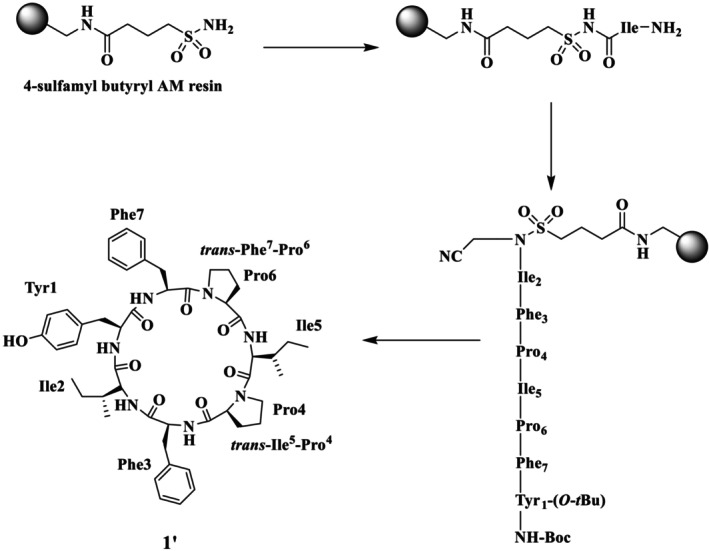 Figure 3
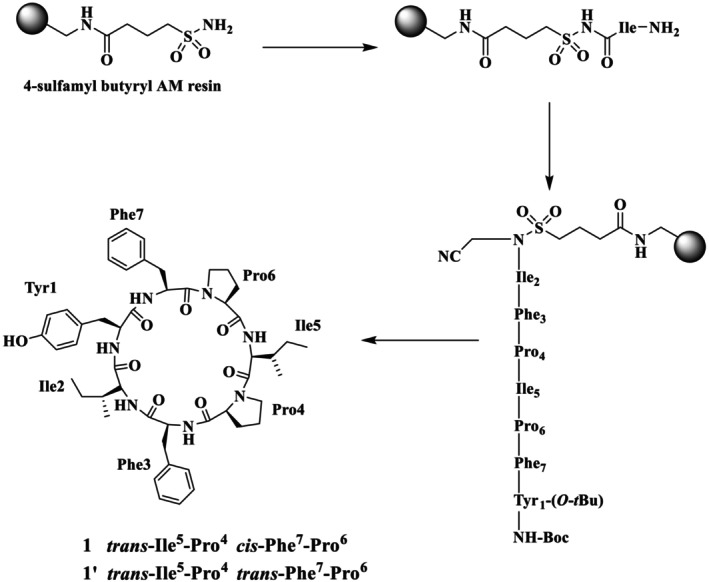 Figure 4
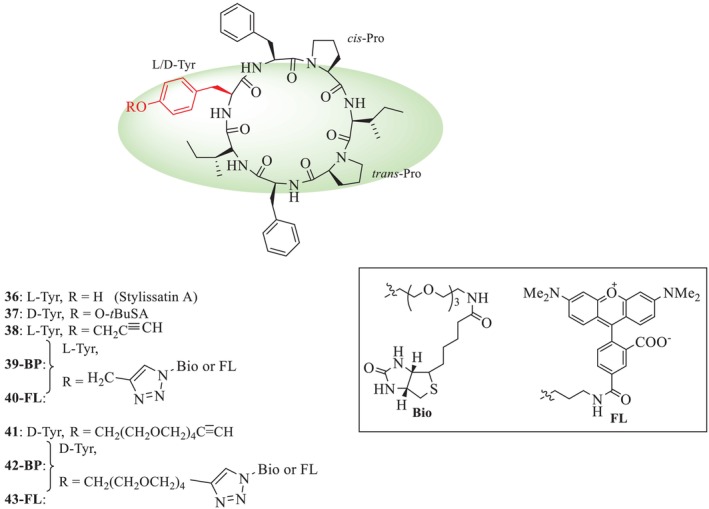 Figure 5
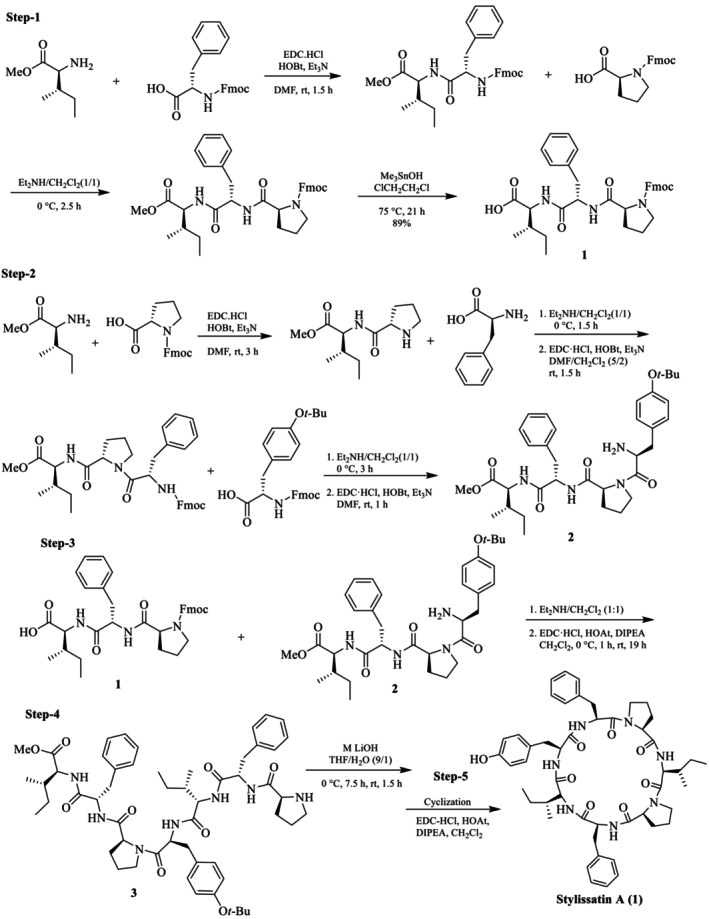 Figure 6
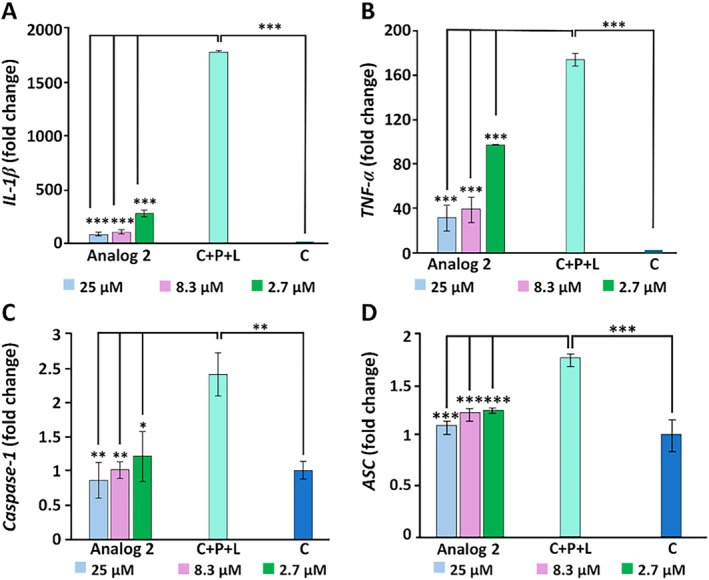 Figure 7
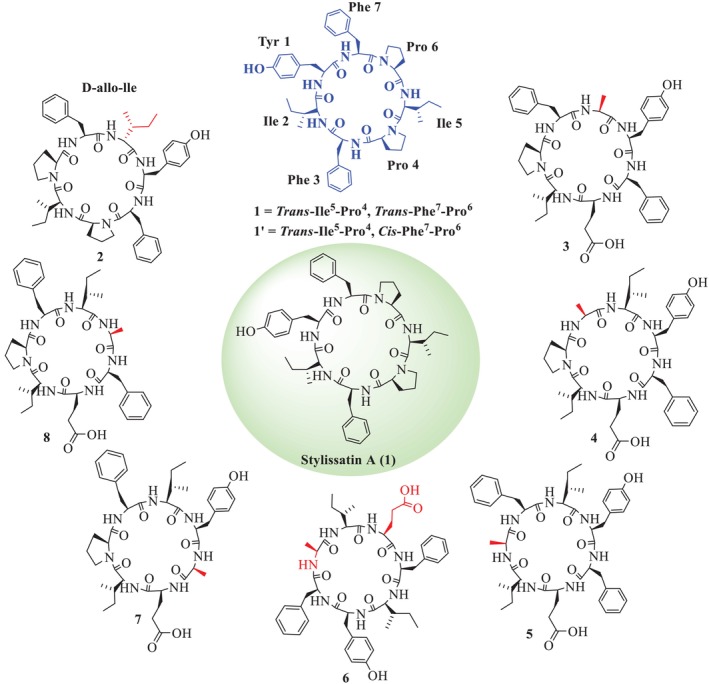 Figure 8
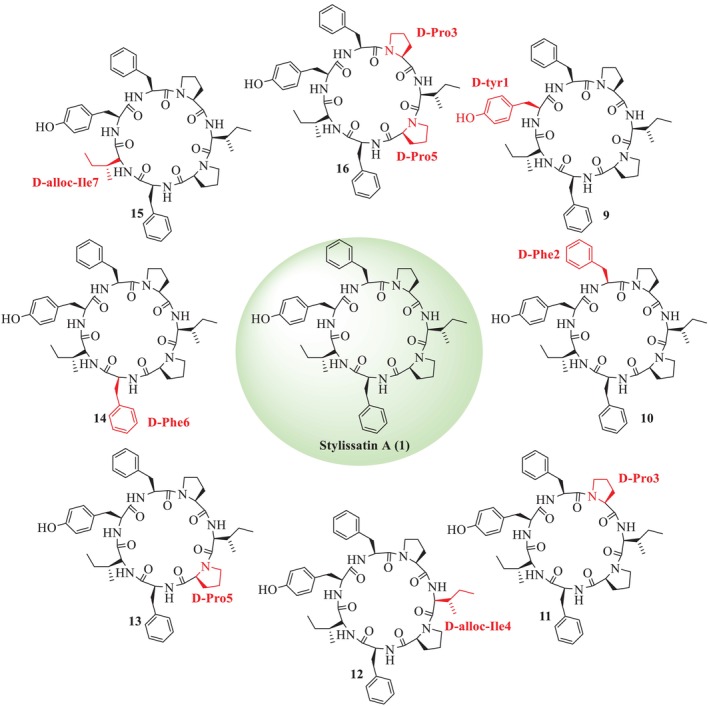 Figure 9
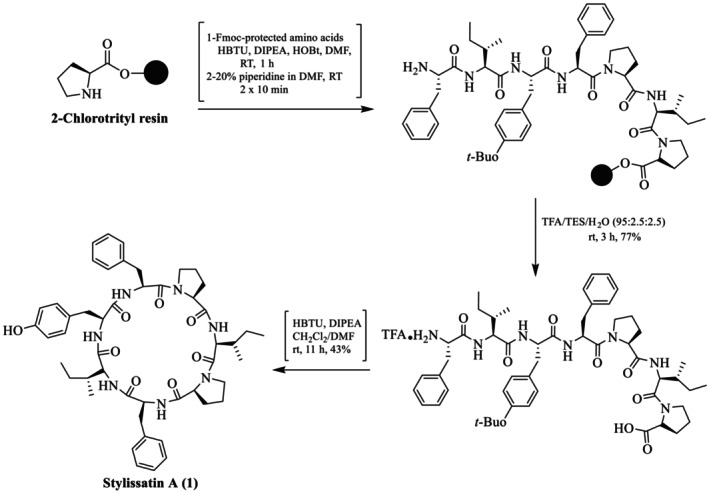 Figure 10
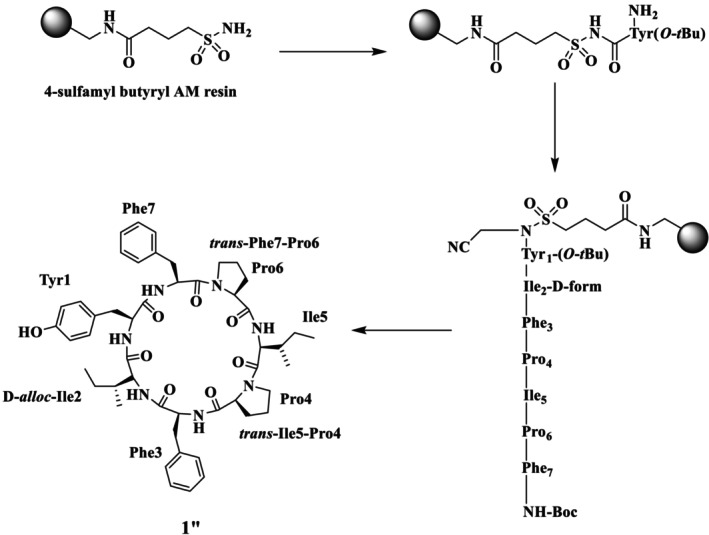 Figure 11
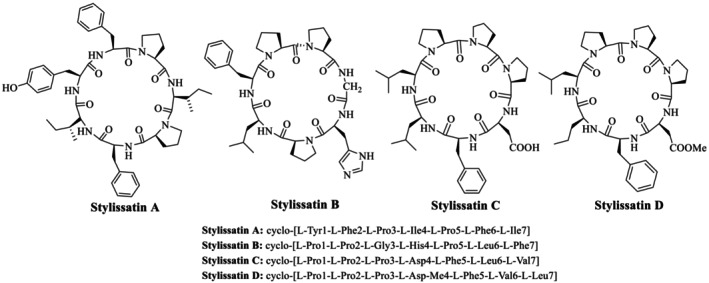 Figure 12
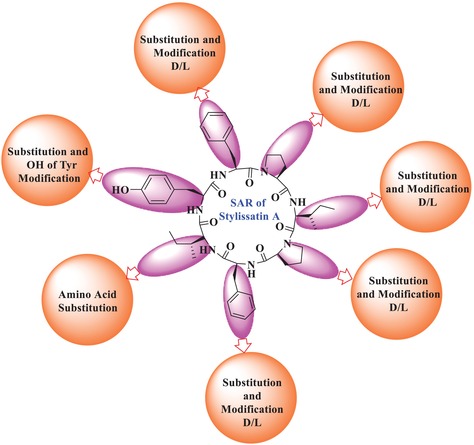 Figure 13
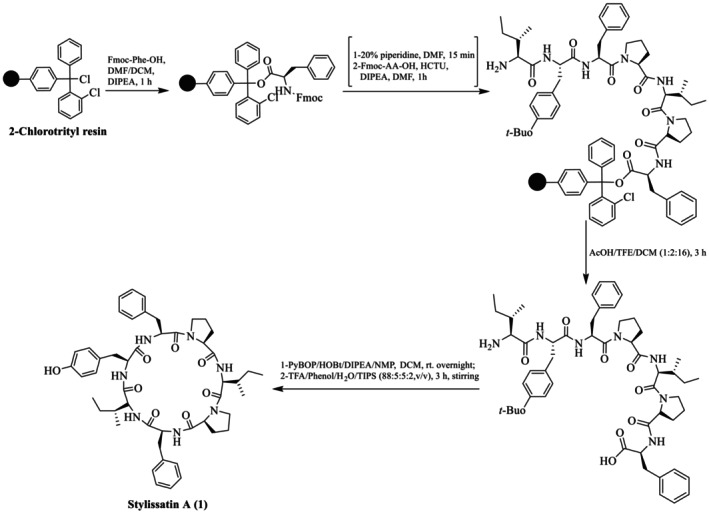 Figure 14
Peer Reviews
No public reviews on file for this paper yet. If you reviewed it on a platform where reviews are public (OpenReview, ICLR, NeurIPS, ICML), you can paste yours below so the community can read it here.
Videos
No videos yet. Explain this paper in a talk, walkthrough, or lecture? Add one.
Taxonomy
TopicsMarine Sponges and Natural Products · Microbial Natural Products and Biosynthesis · Synthesis and Biological Activity