PTEN modulates urinary tract infection susceptibility and shapes urothelial antibacterial defenses
Aaron Simoni, M Skye Bochter, Sarah Linn-Peirano, Kristin Salamon, Brian Becknell, Hanna Cortado, Ashley R Jackson, Laura Schwartz, John David Spencer

TL;DR
This study shows that PTEN helps protect the bladder from infections by regulating immune signals and cell structure.
Contribution
The study identifies PTEN as a key regulator of bladder immunity and UTI susceptibility through Akt, NFκB, and FAK signaling.
Findings
PTEN deficiency increases susceptibility to UPEC in human bladder cells and mice.
PTEN regulates bladder defenses by modulating Akt, NFκB, and FAK pathways.
Restoring NFκB or FAK activity in PTEN-deficient cells reduces infection vulnerability.
Abstract
This study reveals that PTEN modulates bladder urothelial immunity by regulating Akt, NFκB, and FAK signaling, shaping susceptibility to urinary tract infection. Despite advancements in our understanding of urinary tract infection (UTI) pathogenesis, UTIs remain a leading cause of morbidity, partly because of an incomplete understanding of the molecular pathways governing bladder antibacterial defenses. Here, we demonstrate that phosphatase and tensin homolog (PTEN), a negative regulator of PI3K/Akt signaling, is a critical modulator of bladder urothelial immune defenses and vulnerability to UTIs caused by uropathogenic Escherichia coli (UPEC). PTEN silencing in human bladder urothelial cells increases susceptibility to UPEC in vitro, and urothelial-specific PTEN knockout mice exhibit increased bacterial titers in the urine, bladder, and kidneys after in vivo transurethral UPEC…
Genes, proteins, chemicals, diseases, species, mutations and cell lines named across the full text — each resolved to its canonical identifier and authoritative record.
Click any figure to enlarge with its caption.
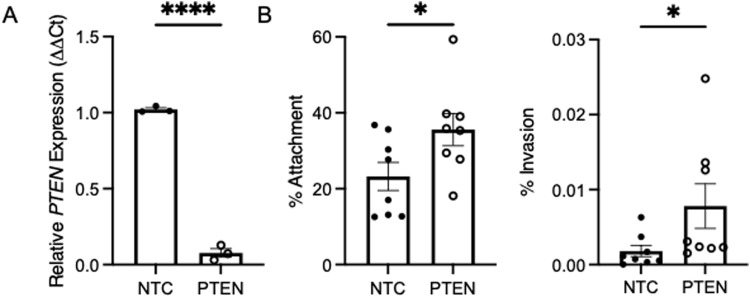 Figure 1
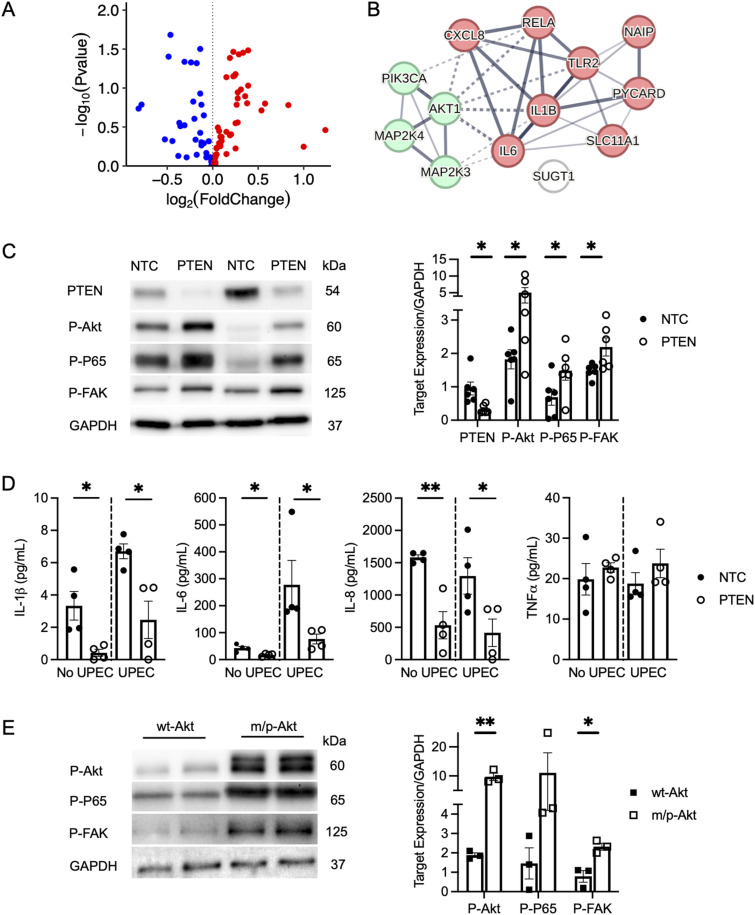 Figure 2
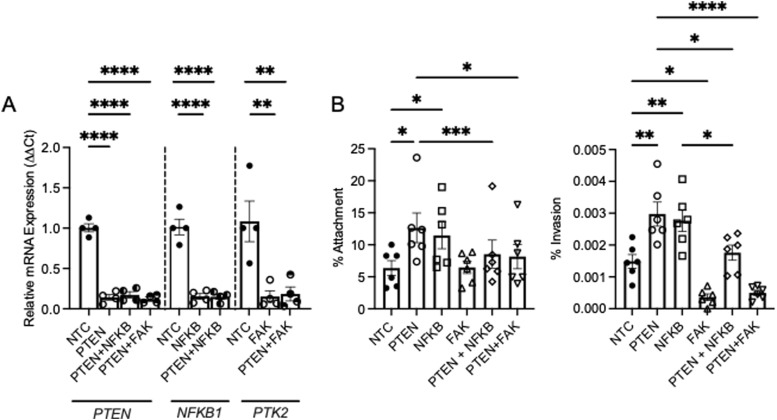 Figure 3
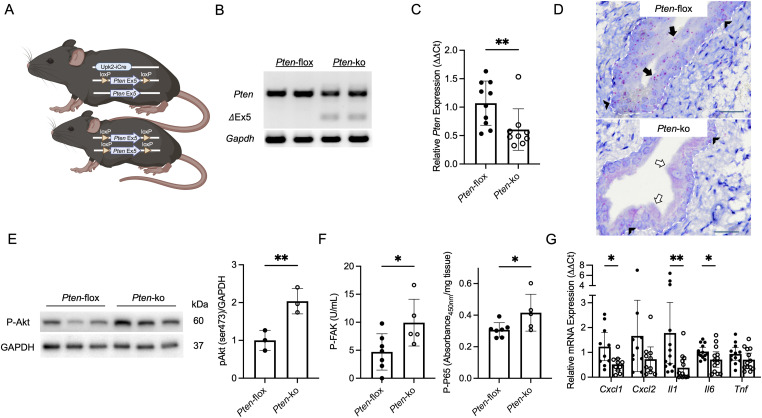 Figure 4
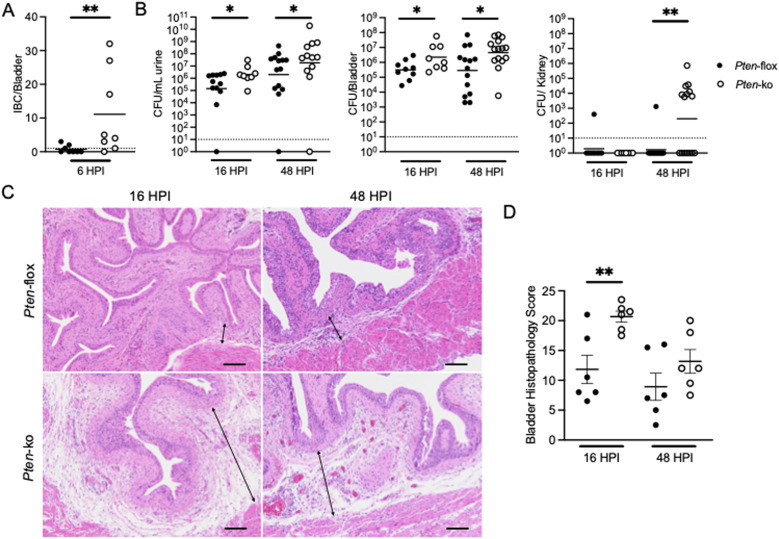 Figure 5
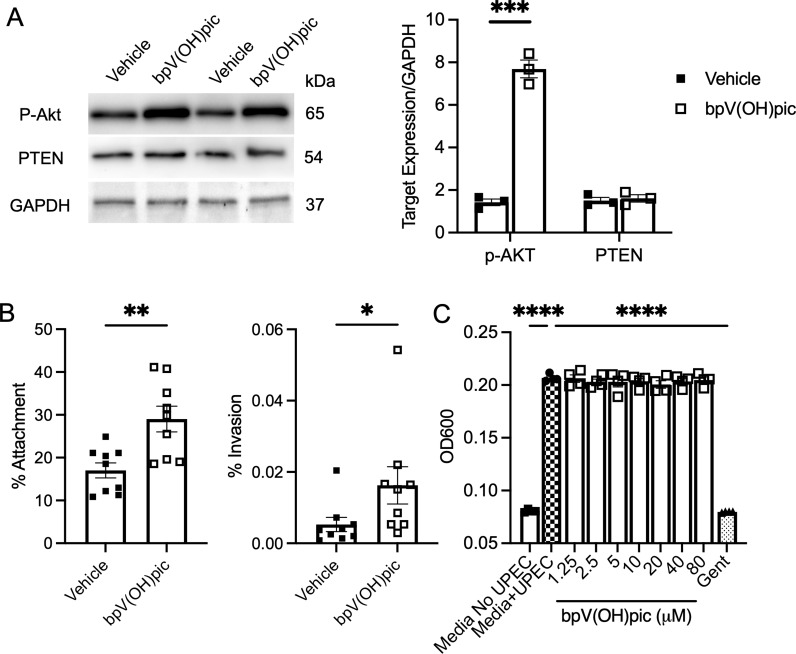 Figure 6
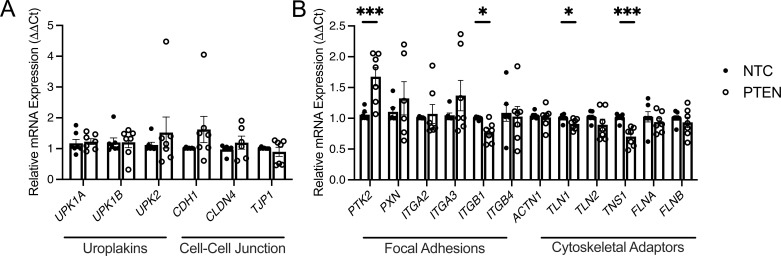 Figure 7
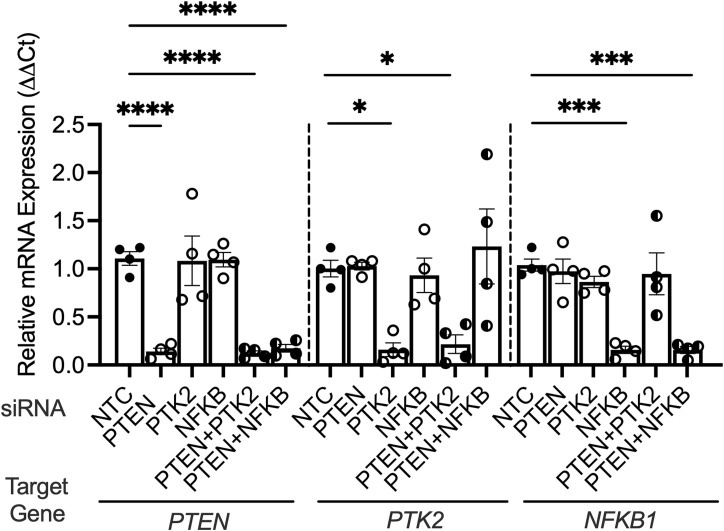 Figure 8
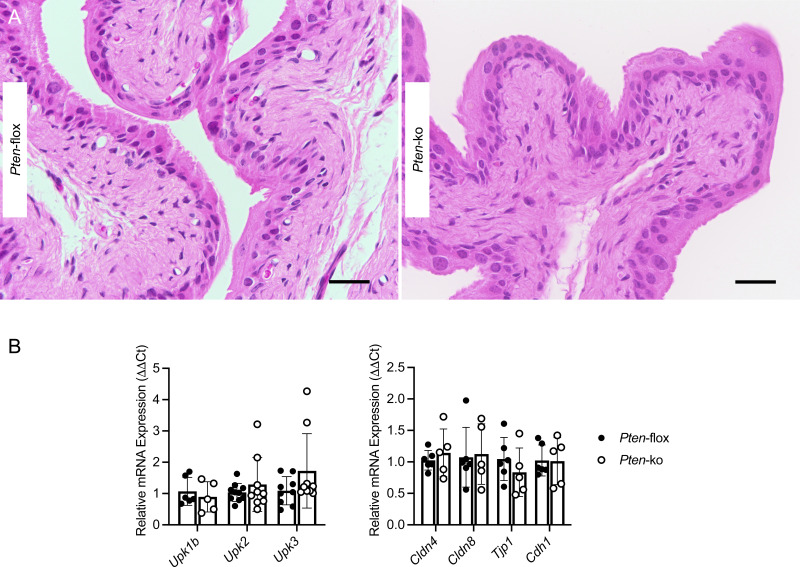 Figure 9
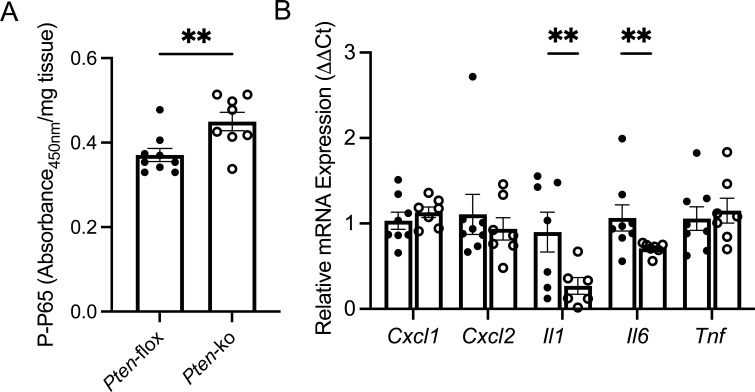 Figure 10
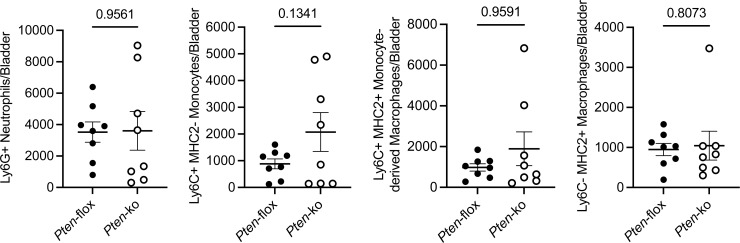 Figure 11
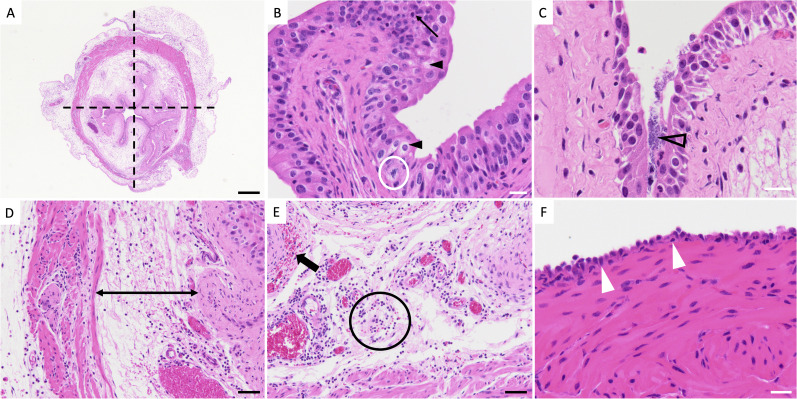 Figure 12
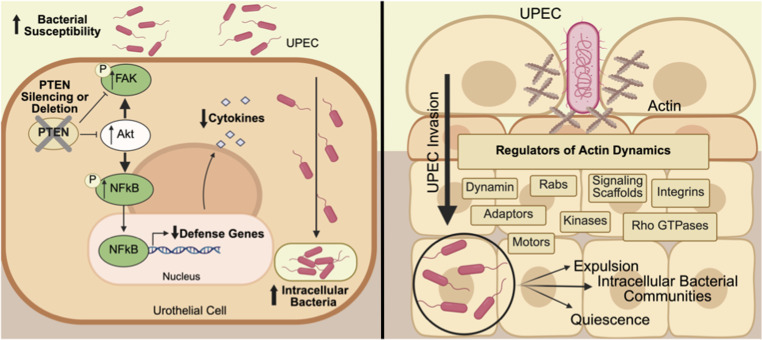 Figure 13
Peer Reviews
No public reviews on file for this paper yet. If you reviewed it on a platform where reviews are public (OpenReview, ICLR, NeurIPS, ICML), you can paste yours below so the community can read it here.
Videos
No videos yet. Explain this paper in a talk, walkthrough, or lecture? Add one.
Taxonomy
TopicsBladder and Urothelial Cancer Treatments