Isoxazole‐Based Compounds Targeting the Taxane‐Binding Site of Tubulin
Miroslav Peřina, Márton A. Kiss, Jakub Bělíček, Veronika Vojáčková, Denisa Veselá, Renáta Minorics, István Zupko, Éva Frank, Radek Jorda

TL;DR
A new compound, 2j, targets the same site on tubulin as taxanes and shows promise in treating taxane-resistant cancers.
Contribution
A novel steroidal isoxazole compound (2j) is developed that binds to the taxane site on tubulin and overcomes resistance in prostate cancer cells.
Findings
Compound 2j binds to the taxane site on tubulin with a nanomolar K_D and stabilizes polymerized tubulin.
2j induces G2/M cell cycle arrest and apoptosis in docetaxel-resistant prostate cancer cells.
The compound circumvents resistance pathways associated with taxane-based therapies.
Abstract
Taxanes and other tubulin‐targeting medications are essential for treating advanced malignancies, especially in patients undergoing less aggressive chemotherapy. However, their clinical efficacy is often limited by significant off‐target toxicity and adverse side effects. In this study, the synthesis and characterisation of novel steroidal A‐ring‐fused isoxazoles, which were obtained through iodine‐mediated oxidative cyclization of dihydrotestosterone (DHT)‐derived α,β‐unsaturated oximes, are reported. According to mechanistic studies, the most potent compounds induced mitotic arrest and disrupted cytoskeletal integrity at low micromolar concentrations. The lead compound, 2j, notably increased the rate of tubulin polymerisation in vitro and stabilised polymerised tubulin in the cells, leading to a G2/M block of the cell cycle. Molecular docking studies indicated that 2j is bound…
Genes, proteins, chemicals, diseases, species, mutations and cell lines named across the full text — each resolved to its canonical identifier and authoritative record.
Click any figure to enlarge with its caption.
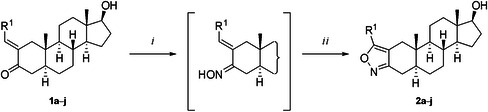 Figure 1
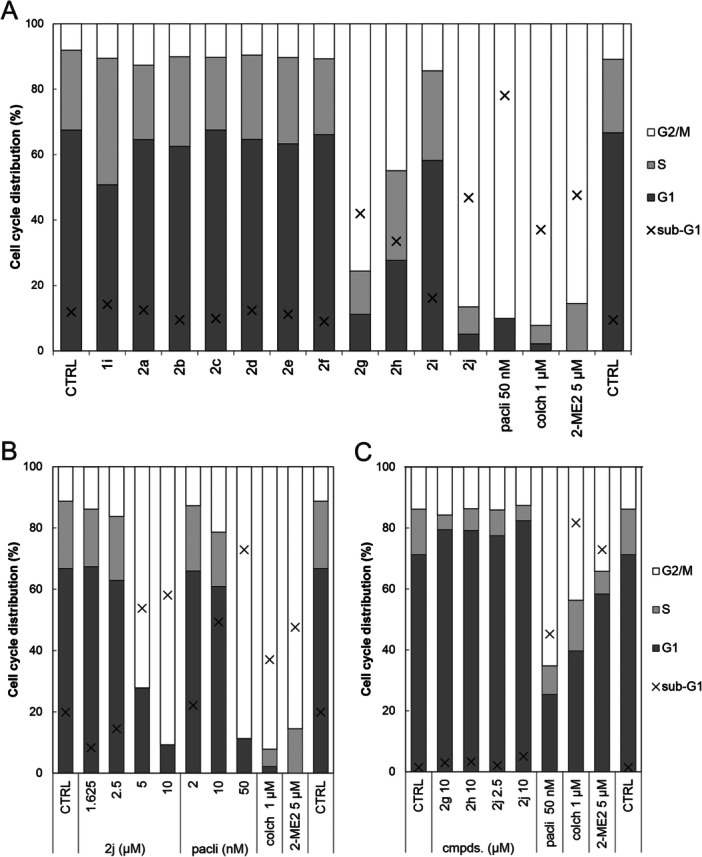 Figure 2
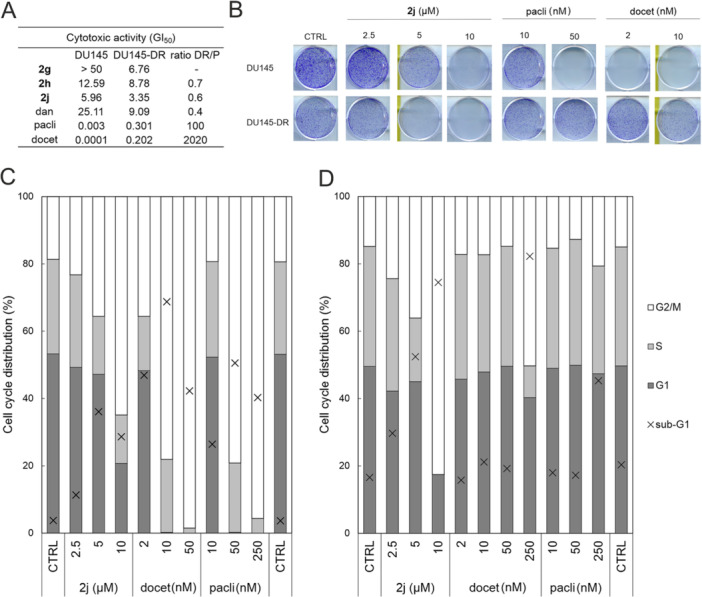 Figure 3
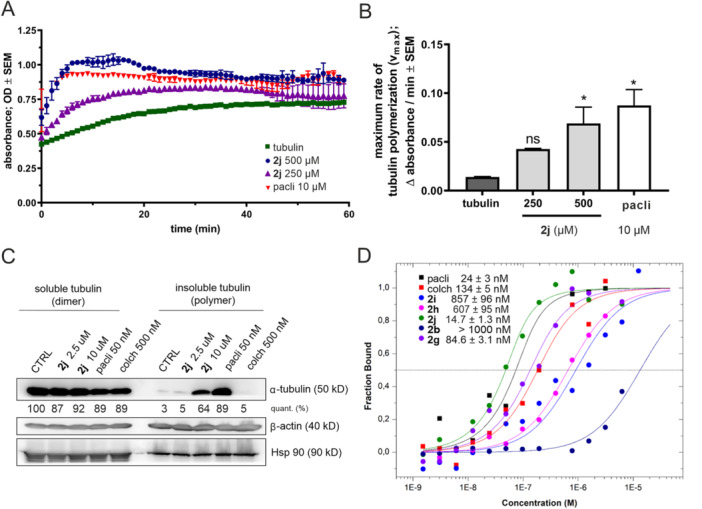 Figure 4
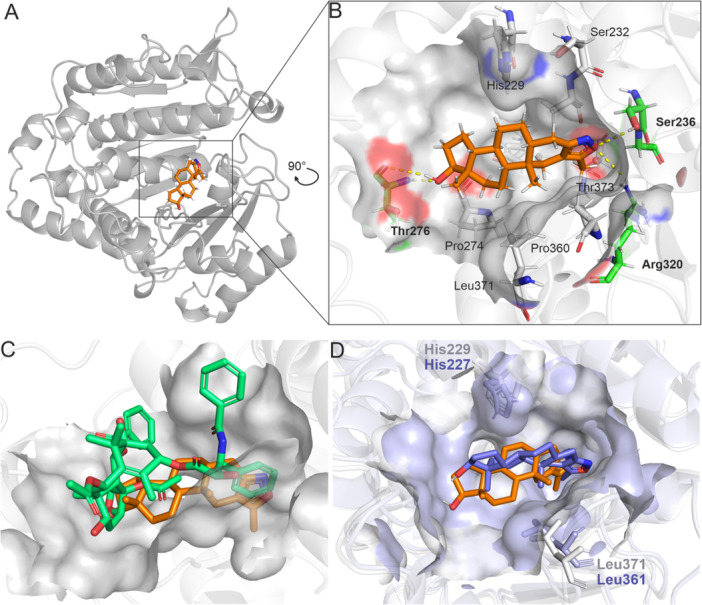 Figure 5
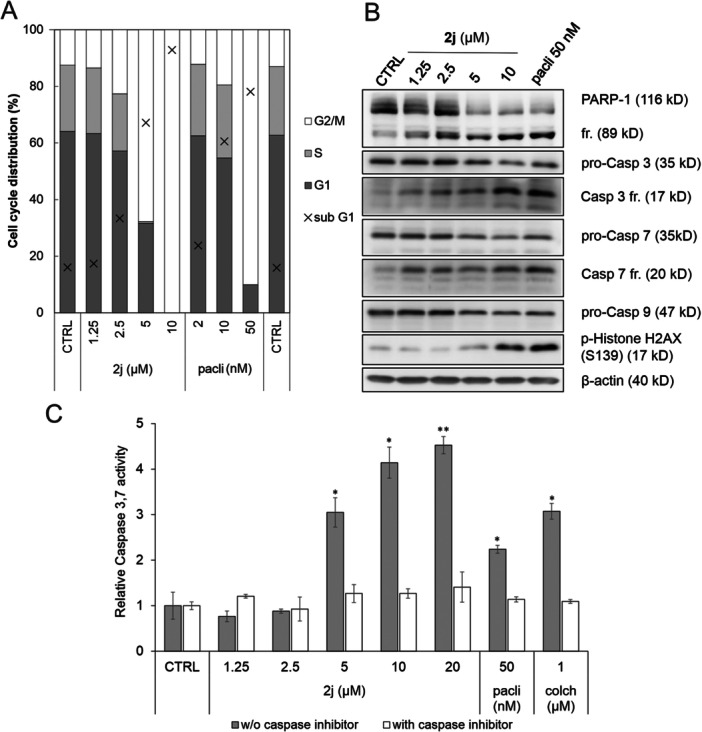 Figure 6
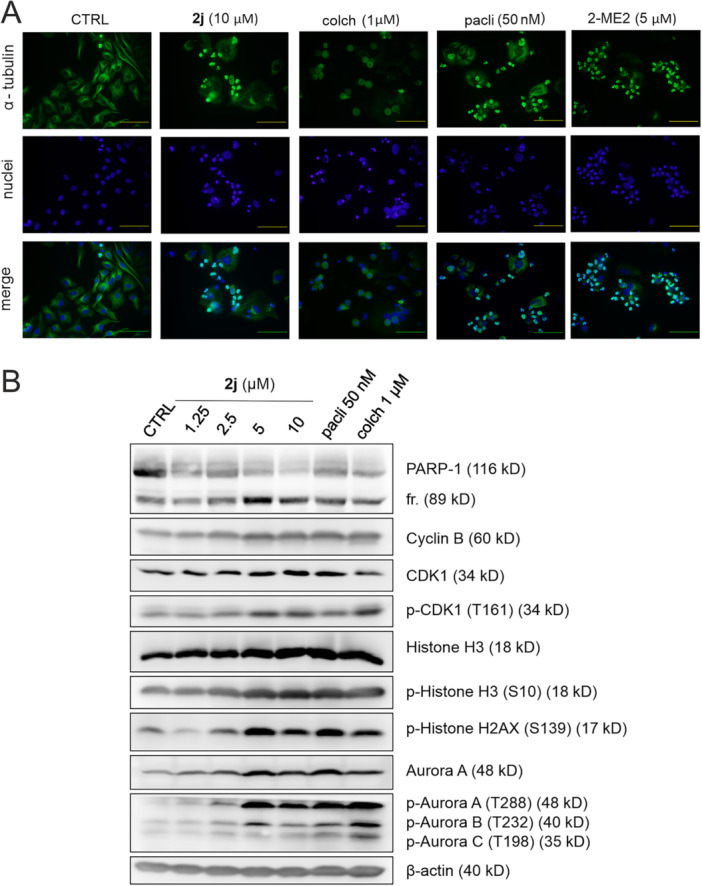 Figure 7
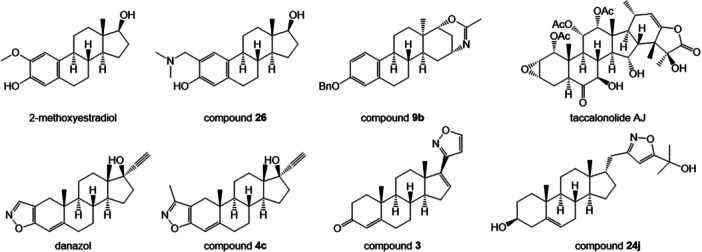 Figure 8
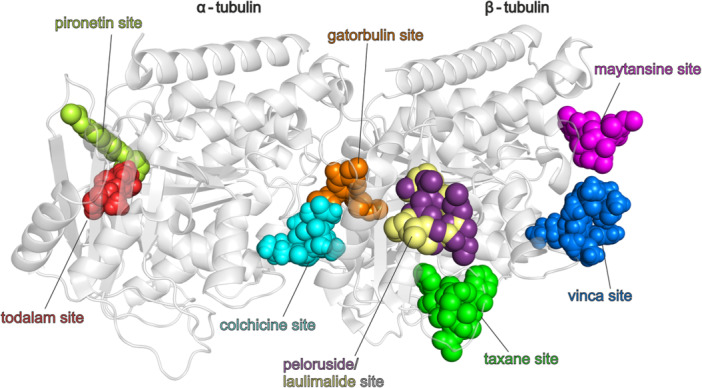 Figure 9
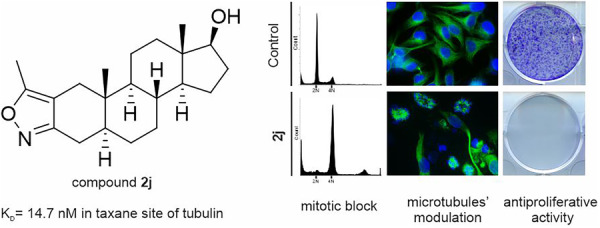 Figure 10
Peer Reviews
No public reviews on file for this paper yet. If you reviewed it on a platform where reviews are public (OpenReview, ICLR, NeurIPS, ICML), you can paste yours below so the community can read it here.
Videos
No videos yet. Explain this paper in a talk, walkthrough, or lecture? Add one.
Taxonomy
TopicsCancer Treatment and Pharmacology · Cancer therapeutics and mechanisms · 14-3-3 protein interactions