Efficient Acyloxymethylation of Psilocin and Other Tryptamines Yielding ACOM Prodrugs for Psychedelic‐Assisted Therapy
Judith Stirn, Christian D. Klein

TL;DR
Researchers developed a new way to create prodrugs of psychedelic compounds like psilocin, which could improve their use in therapy by controlling how quickly they activate in the body.
Contribution
A novel chemoselective synthetic route for ACOM prodrugs of tryptamines using a Heller–Sarpong reagent and mild deprotection conditions.
Findings
ACOM prodrugs of psilocin and sumatriptan can be synthesized with high chemoselectivity.
The bioactivation rate in human plasma can be adjusted by varying the acyl residue in the ACOM promoiety.
ACOM prodrugs of hydroxytryptamines have short half-lives in human saliva, limiting sublingual or buccal administration.
Abstract
Acyloxymethyl (ACOM) derivatives of tryptamines such as the psychedelic drug psilocin and the anti‐migraine drug sumatriptan bear potential as prodrugs. Previous synthetic approaches suffer from insufficient chemoselectivity between the desired functionalization of the phenolic (psilocin) or sulfonamide (sumatriptan) groups versus other reactive groups in the parent drugs. We report a novel synthetic route toward ACOM prodrugs of tryptamines via the chemoselective installation of a carbamate protecting group at the indole nitrogen by means of a Heller–Sarpong reagent and final deprotection under extremely mild conditions. This enables delicate transformations such as the O‐acyloxymethylation of psilocin or the N 2 ‐acyloxymethylation of sumatriptan. Several novel O‐ACOM ethers of hydroxytryptamines were obtained and evaluated in vitro for their potential as novel prodrugs for…
Genes, proteins, chemicals, diseases, species, mutations and cell lines named across the full text — each resolved to its canonical identifier and authoritative record.
Click any figure to enlarge with its caption.
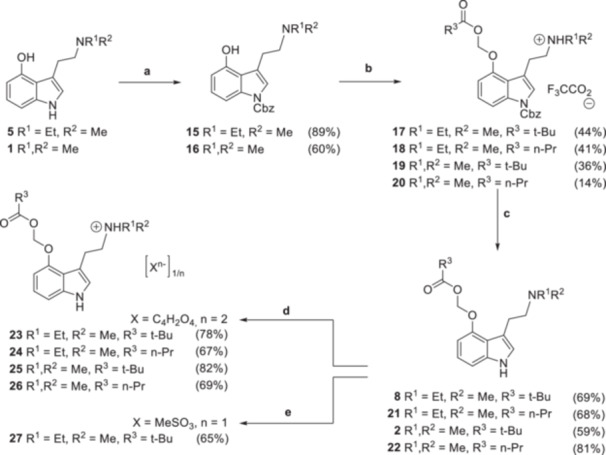 Figure 1
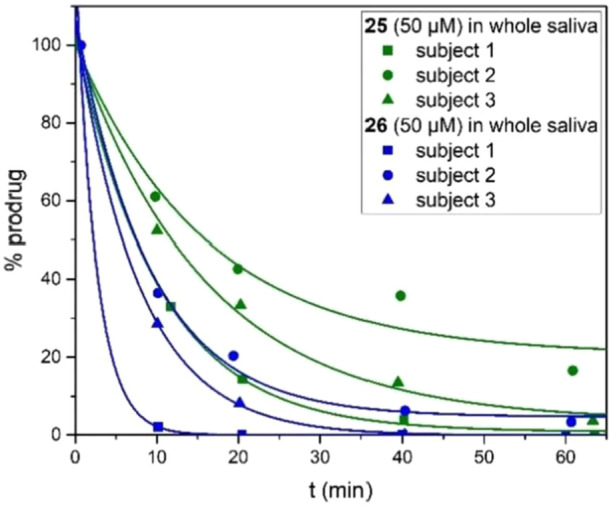 Figure 2
 Figure 3
 Figure 4
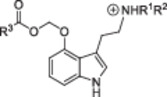 Figure 5
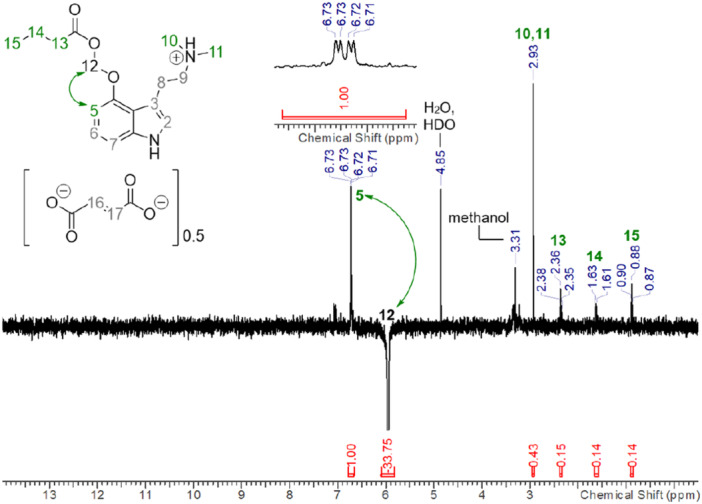 Figure 6
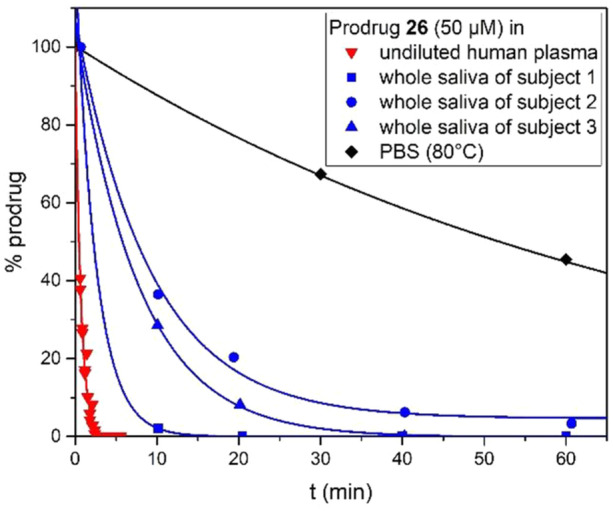 Figure 7
 Figure 8
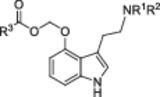 Figure 9
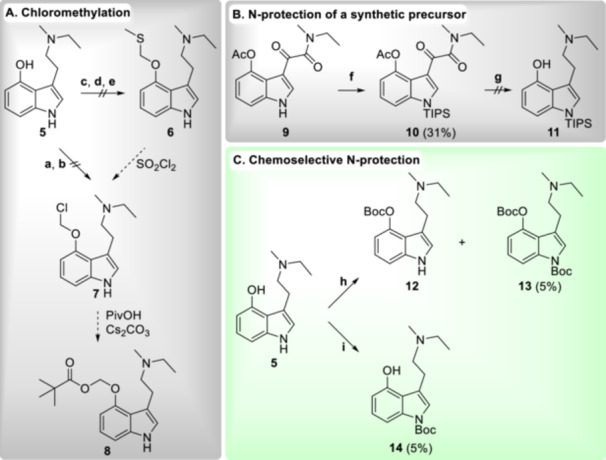 Figure 10
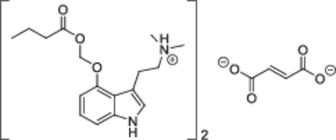 Figure 11
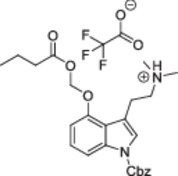 Figure 12
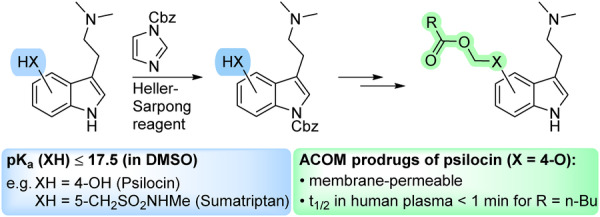 Figure 13
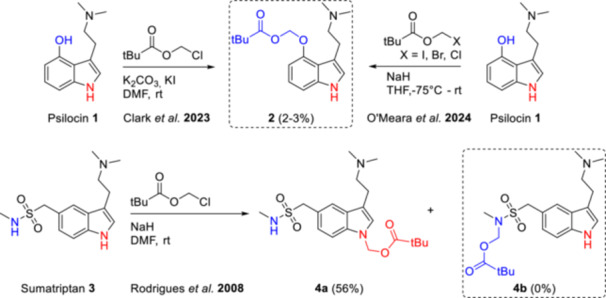 Figure 14
 Figure 15
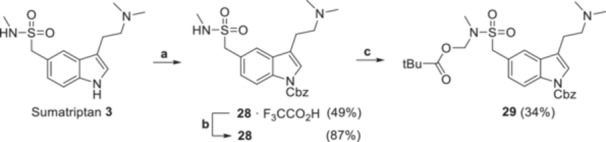 Figure 16
Peer Reviews
No public reviews on file for this paper yet. If you reviewed it on a platform where reviews are public (OpenReview, ICLR, NeurIPS, ICML), you can paste yours below so the community can read it here.
Videos
No videos yet. Explain this paper in a talk, walkthrough, or lecture? Add one.
Taxonomy
TopicsPsychedelics and Drug Studies · Chemical synthesis and alkaloids · Alkaloids: synthesis and pharmacology