Antagonistic effect of Pseudomonas aeruginosa on Candida auris
Ana Beatriz N. Macedo, Daniele de Figuerêdo Silva, Anthony G. J. Medeiros, Gustavo José Freitas, Murilo Moreira dos Santos, Kelly Ishida, Nalu Teixeira de Aguiar Peres, Daniel Assis Santos, Luana Rossato, Gustavo H. Goldman, Rafael Wesley Bastos

TL;DR
This study shows that Pseudomonas aeruginosa can inhibit the growth of Candida auris in laboratory conditions, possibly through secreted molecules affected by iron levels.
Contribution
The study reveals a previously unknown antagonistic interaction between Pseudomonas aeruginosa and Candida auris, mediated by secreted molecules modulated by iron.
Findings
Pseudomonas aeruginosa significantly inhibits Candida auris growth in co-culture experiments.
The inhibitory effect is fungistatic and persists for up to 72 hours.
Iron supplementation partially reverses the growth suppression of Candida auris.
Abstract
Candida (Candidozyma) auris and Pseudomonas aeruginosa are frequently found in hospital environments and on medical equipment, where they commonly colonize and infect hospitalized patients, contributing to healthcare-associated infections (HAIs). Although they share similar ecological niches and may interact, the mechanisms underlying their interspecies communication remain largely unknown. This study investigated the in vitro interaction between planktonic cells of C. auris and P. aeruginosa through co-culture experiments in various growth media, with or without iron supplementation. Fluorescence microscopy was employed to assess yeast viability, and the effect of lyophilized, cell-free P. aeruginosa supernatants on C. auris was also evaluated. P. aeruginosa significantly inhibited the growth of C. auris, regardless of the initial microbial concentrations. Growth suppression began…
Genes, proteins, chemicals, diseases, species, mutations and cell lines named across the full text — each resolved to its canonical identifier and authoritative record.
Click any figure to enlarge with its caption.
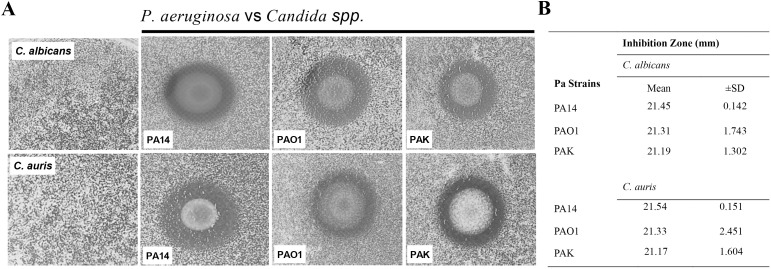 Figure 1
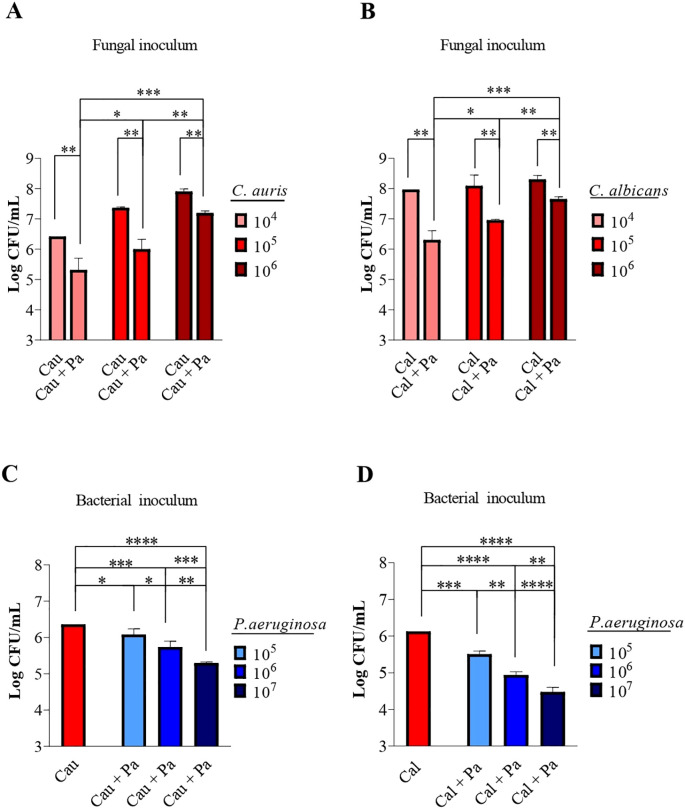 Figure 2
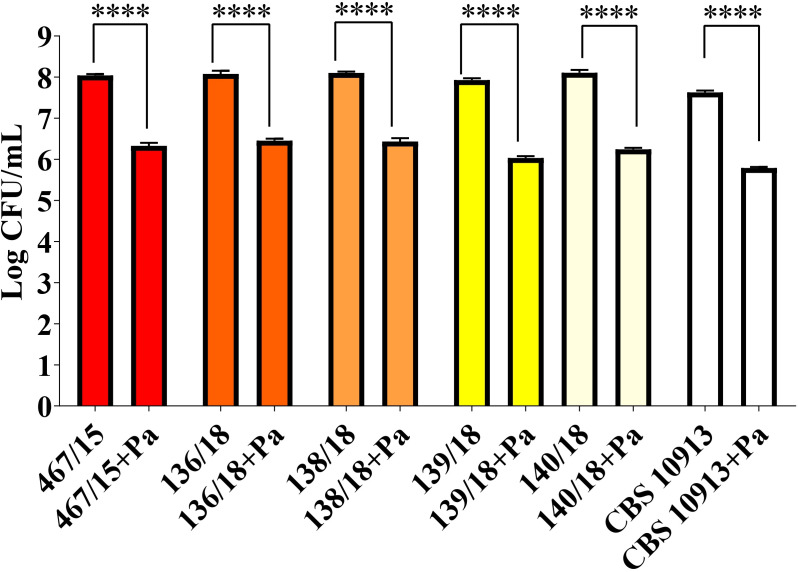 Figure 3
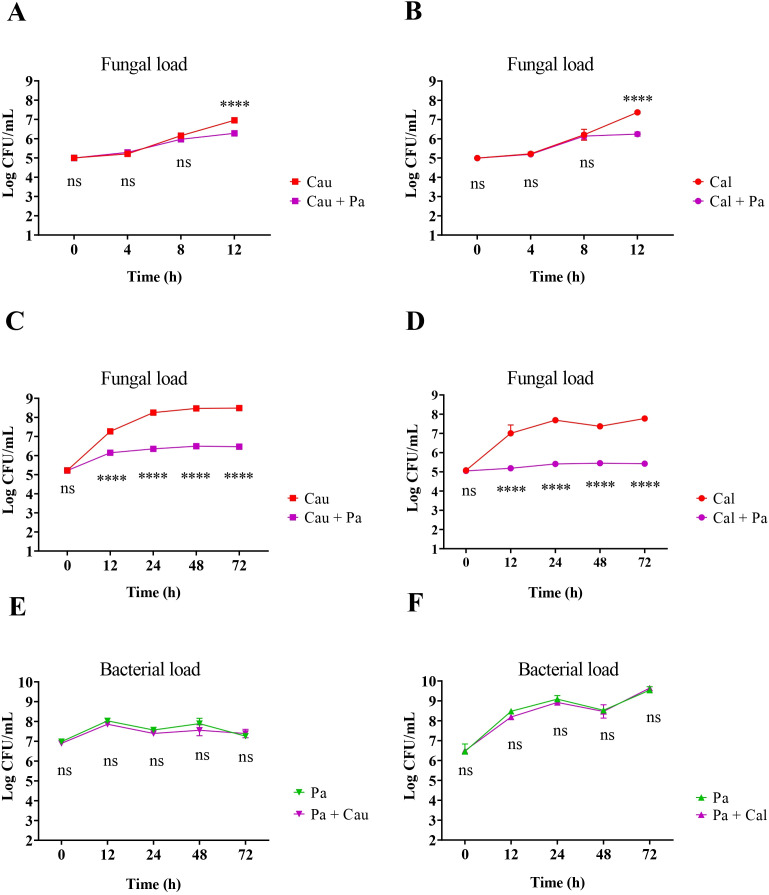 Figure 4
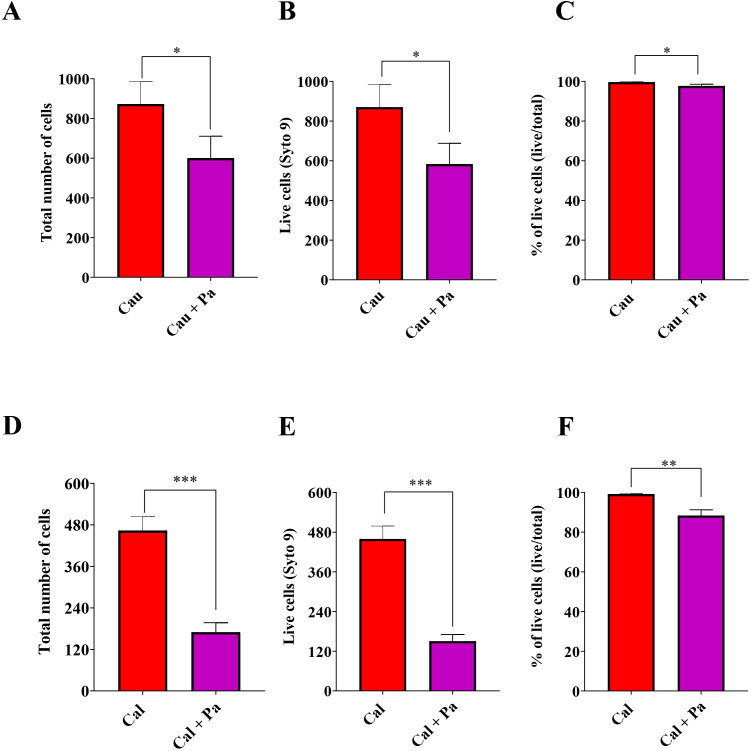 Figure 5
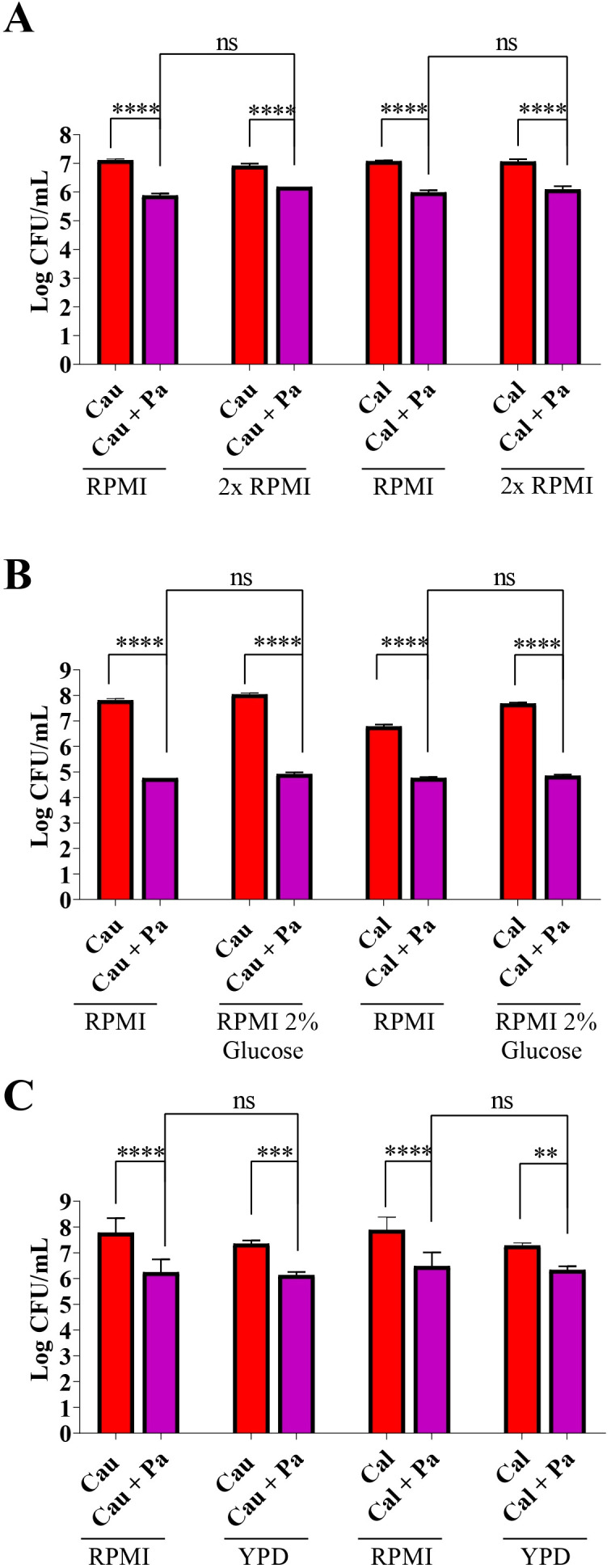 Figure 6
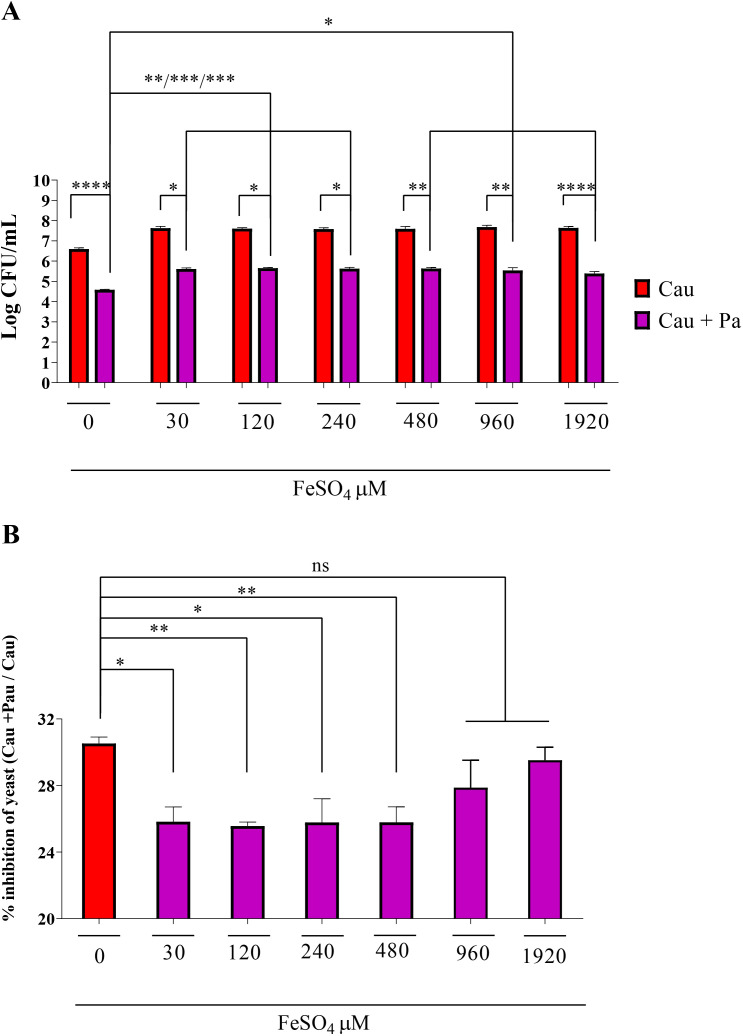 Figure 7
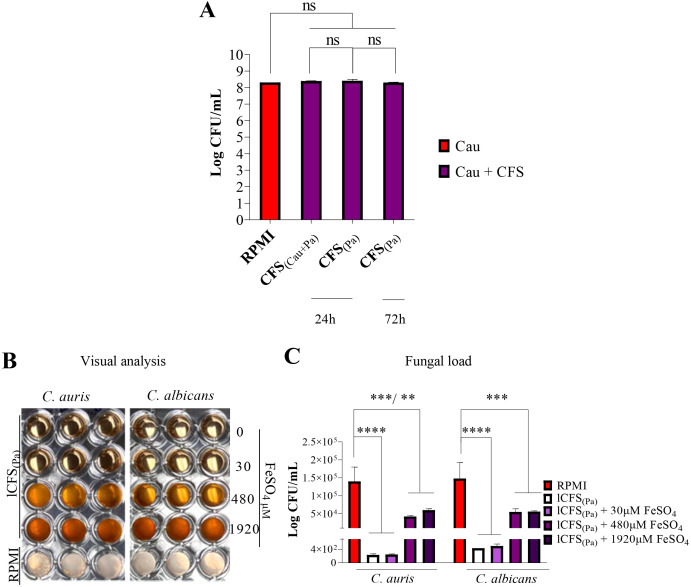 Figure 8
Peer Reviews
No public reviews on file for this paper yet. If you reviewed it on a platform where reviews are public (OpenReview, ICLR, NeurIPS, ICML), you can paste yours below so the community can read it here.
Videos
No videos yet. Explain this paper in a talk, walkthrough, or lecture? Add one.
Taxonomy
TopicsAntifungal resistance and susceptibility · Oral microbiology and periodontitis research · Probiotics and Fermented Foods