S‐Propargyl‐Cysteine Attenuates Stroke Heterogeneity via Promoting Protective Autophagy Across Multiple Neural Cell Types: Insights From Single‐Cell Sequencing
Xiaoming Xin, Lei Miao, Lei Ci, Yun Wang, Zhiguo Zhang, Lingguo Meng, Jia Qi, Yicheng Mao, Yi‐Zhun Zhu

TL;DR
This study shows that S-propargyl-cysteine (SPRC) protects the brain after stroke by boosting protective autophagy, even without key hydrogen sulfide enzymes.
Contribution
SPRC's neuroprotective effects are revealed to be independent of CBS/3-MST enzymes, offering a novel therapeutic mechanism for stroke.
Findings
SPRC significantly reduces brain injury and improves neurological outcomes in stroke-affected rats.
SPRC upregulates protective autophagy and preserves endogenous H2S levels post-stroke.
SPRC provides neuroprotection even when CBS and 3-MST are knocked down, indicating a non-enzymatic mechanism.
Abstract
Stroke, predominantly ischemic, is a leading cause of mortality and disability worldwide. Despite advances in intervention strategies, effective treatments to mitigate neurological injury post‐ischemic stroke remain limited. Hydrogen sulfide (H2S), a gas signaling molecule, has been implicated in neuroprotection, but its role in stroke is controversial. S‐propargyl‐cysteine (SPRC), an H2S donor, has shown great potential in protecting against neurological injuries, but its mechanisms in ischemic stroke are not fully understood. This study investigates the neuroprotective potential of SPRC and its mechanisms, focusing on the interplay between H2S and autophagy in modulating the cerebral microenvironment post‐stroke. We conducted a comprehensive single‐cell RNA sequencing analysis on ischemic brain tissue to elucidate the cellular heterogeneity and specific responses related to H2S…
Genes, proteins, chemicals, diseases, species, mutations and cell lines named across the full text — each resolved to its canonical identifier and authoritative record.
Click any figure to enlarge with its caption.
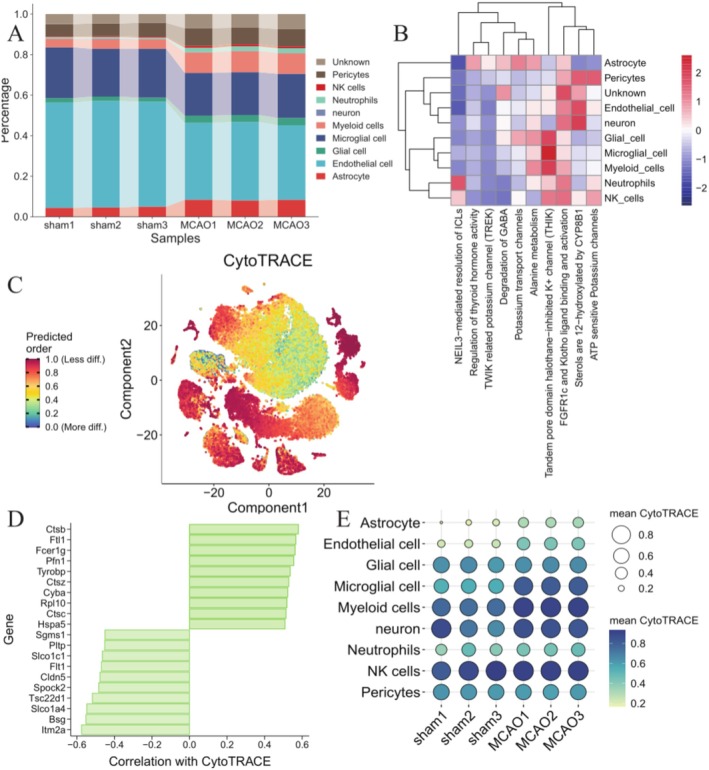 Figure 1
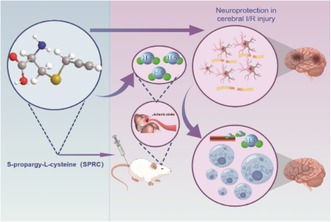 Figure 2
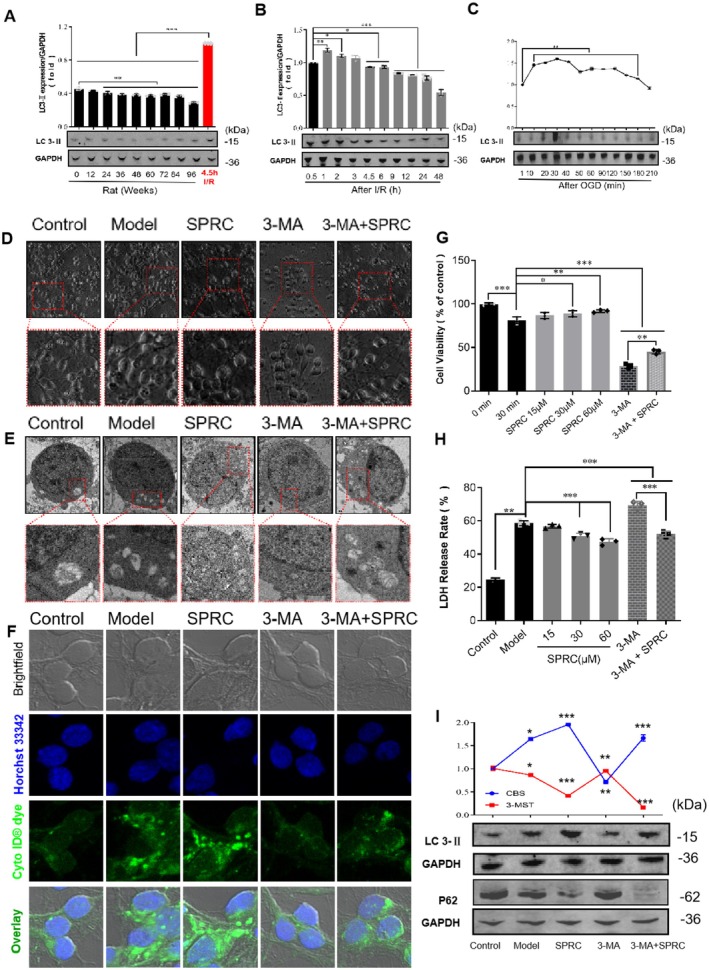 Figure 3
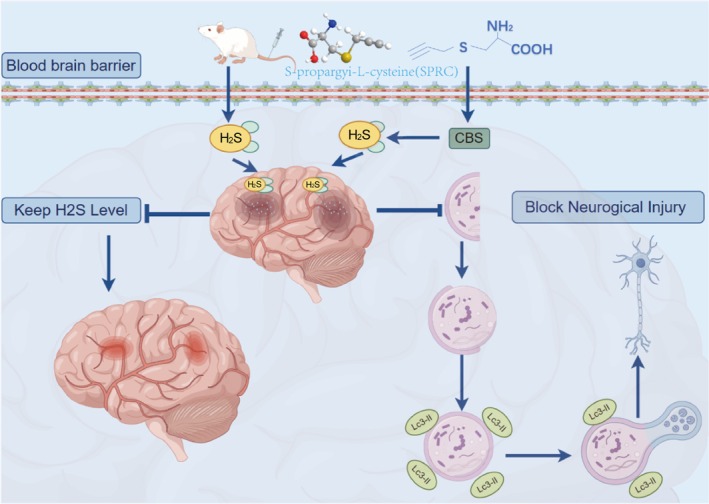 Figure 4
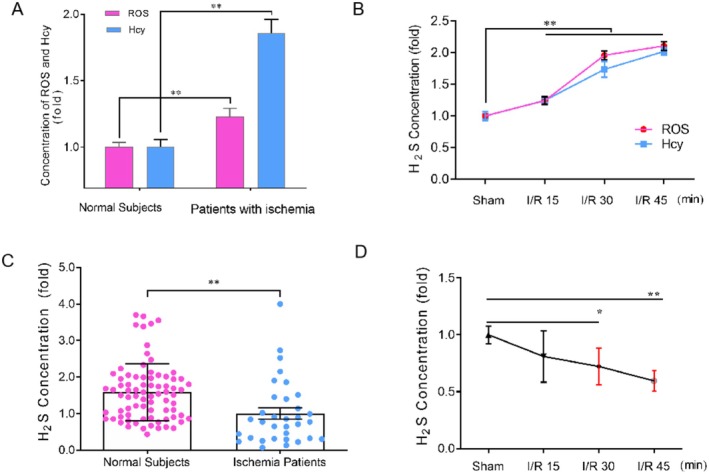 Figure 5
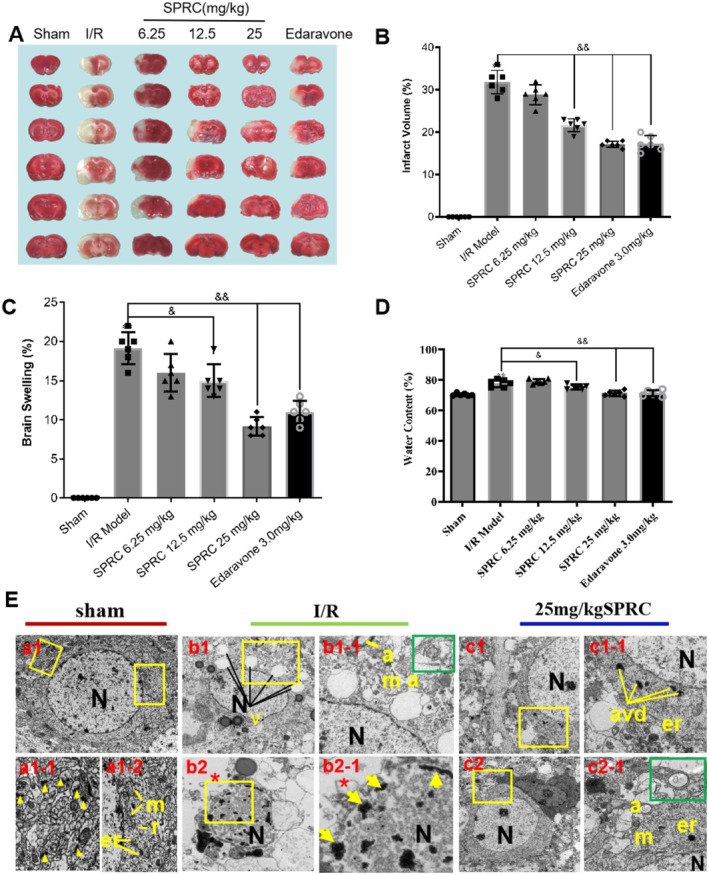 Figure 6
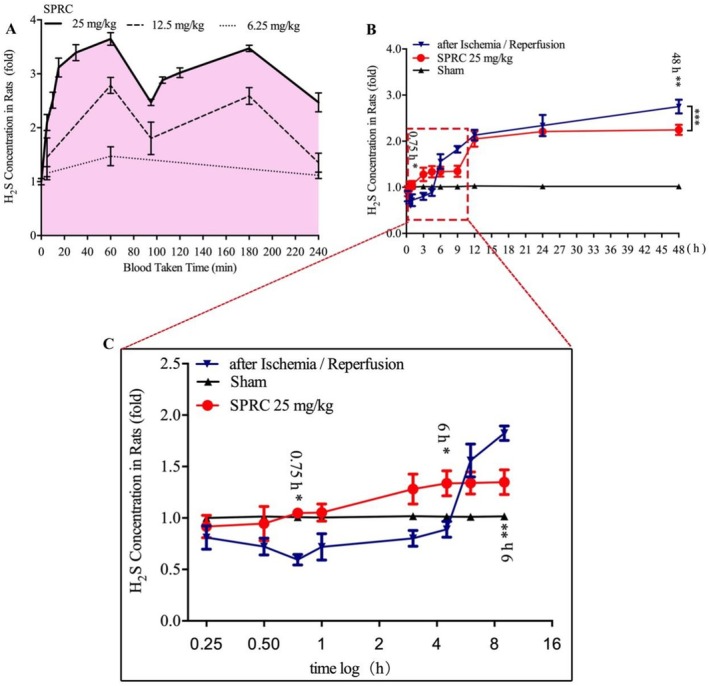 Figure 7
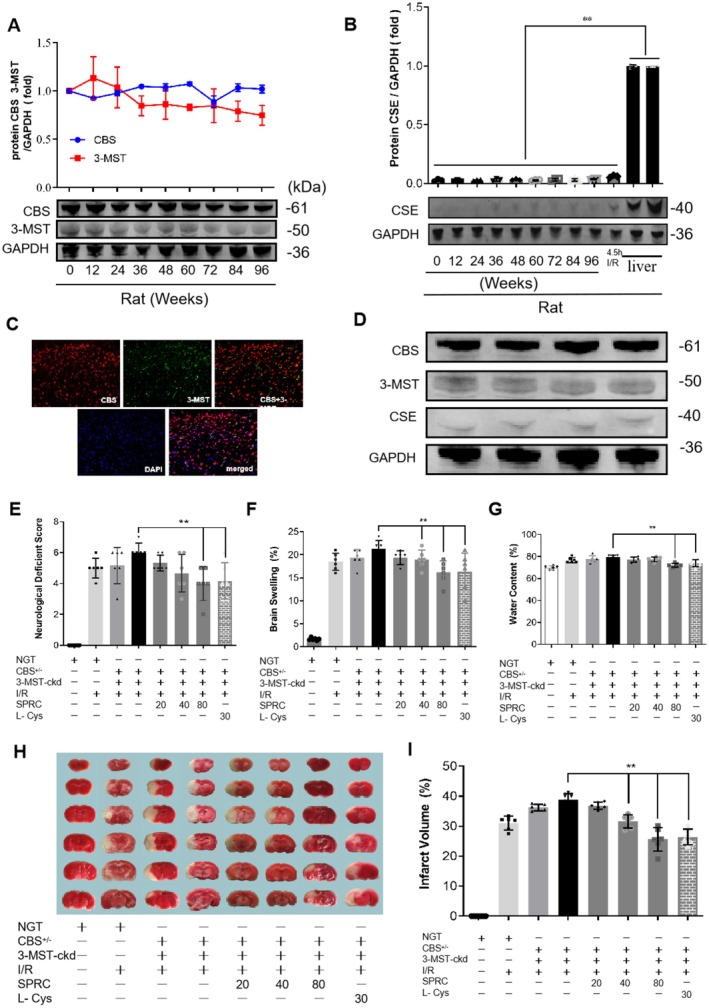 Figure 8
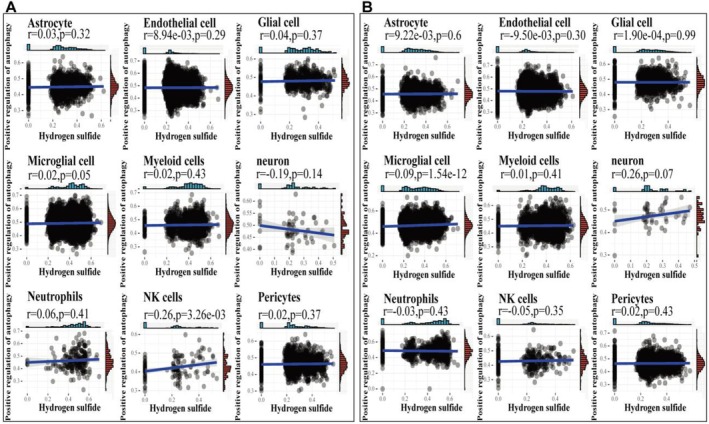 Figure 9
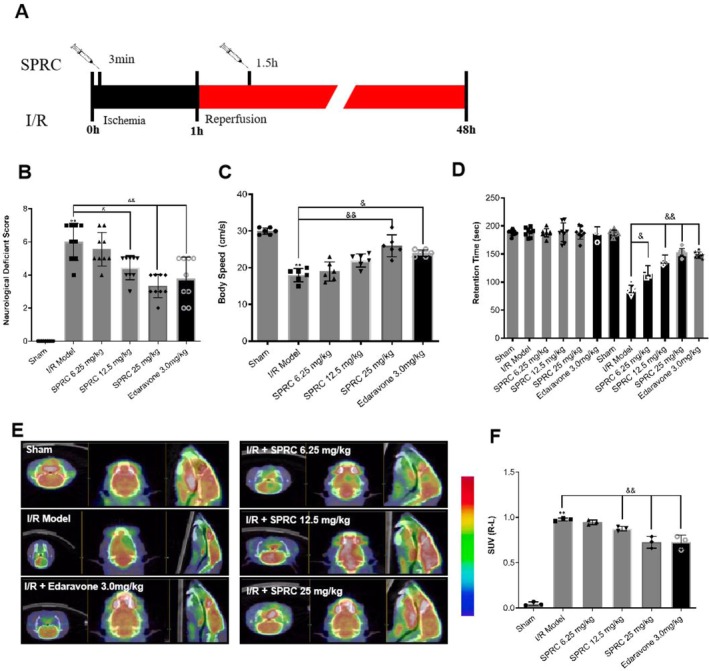 Figure 10
Peer Reviews
No public reviews on file for this paper yet. If you reviewed it on a platform where reviews are public (OpenReview, ICLR, NeurIPS, ICML), you can paste yours below so the community can read it here.
Videos
No videos yet. Explain this paper in a talk, walkthrough, or lecture? Add one.
Taxonomy
TopicsSulfur Compounds in Biology · Extracellular vesicles in disease · Air Quality and Health Impacts