Ptbp1 Knockdown in Glial Cells Promotes Motor and Sensory Function Recovery After Peripheral Nerve Injury
Honghao Song, Lei Peng, Dashuang Chen, Xiaoyi Fan, Tong Hua, Ruifeng Ding, Mengqiu Deng, Qianbo Chen, Mei Yang, Hongbin Yuan

TL;DR
Reducing Ptbp1 in glial cells helps recover motor and sensory functions after nerve injury by converting astrocytes into neurons and boosting nerve regeneration.
Contribution
This study reveals dual mechanisms of Ptbp1 knockdown in promoting recovery from peripheral nerve injury via astrocyte reprogramming and SGC signaling activation.
Findings
Ptbp1 knockdown in spinal astrocytes converts them to motor neurons and polarizes them to a neuroprotective A2 phenotype.
Ptbp1 depletion in DRG satellite glial cells activates the ntng2/NGL-2 pathway, enhancing sensory axon regeneration.
Blocking ntng2 eliminates sensory regeneration, confirming its pathway dependency.
Abstract
Background: Peripheral nerve injury (PNI) frequently causes persistent sensory and motor deficits with limited therapeutic options. While Ptbp1‐mediated astrocyte reprogramming shows promise in central nervous system repair, its role in PNI—particularly regarding spinal cord astrocytes and dorsal root ganglia (DRG) satellite glial cells (SGCs)—remains unexplored.Aims: This study aimed to determine whether Ptbp1 knockdown in glial cells enhances functional recovery after sciatic nerve injury (SNI) by dual mechanisms: (1) converting spinal cord astrocytes to motor neurons and polarizing them toward neuroprotective A2 phenotype, and (2) activating regenerative signaling pathways in DRG SGCs.Materials & Methods: C57BL/6J mice underwent SNI followed by intrathecal injection of AAV‐GFAP‐CasRx‐Ptbp1 (targeting Ptbp1 in astrocytes/SGCs) or control virus. Primary astrocytes and SGCs were…
Genes, proteins, chemicals, diseases, species, mutations and cell lines named across the full text — each resolved to its canonical identifier and authoritative record.
Click any figure to enlarge with its caption.
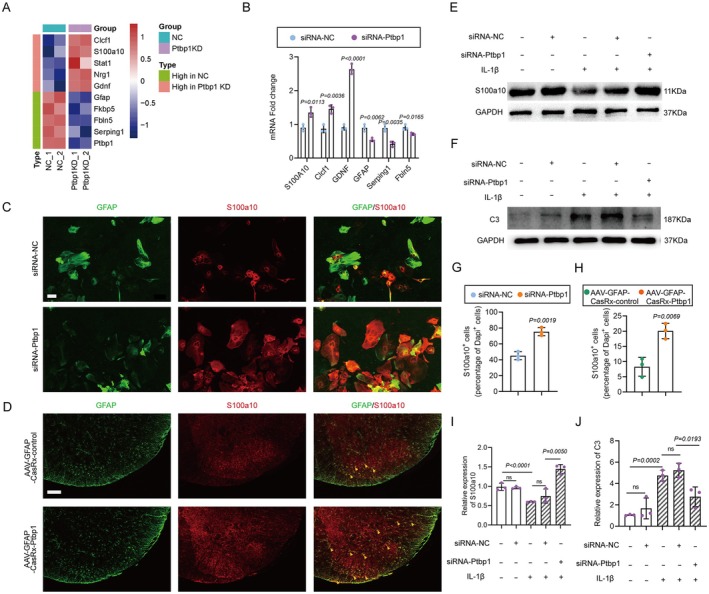 Figure 1
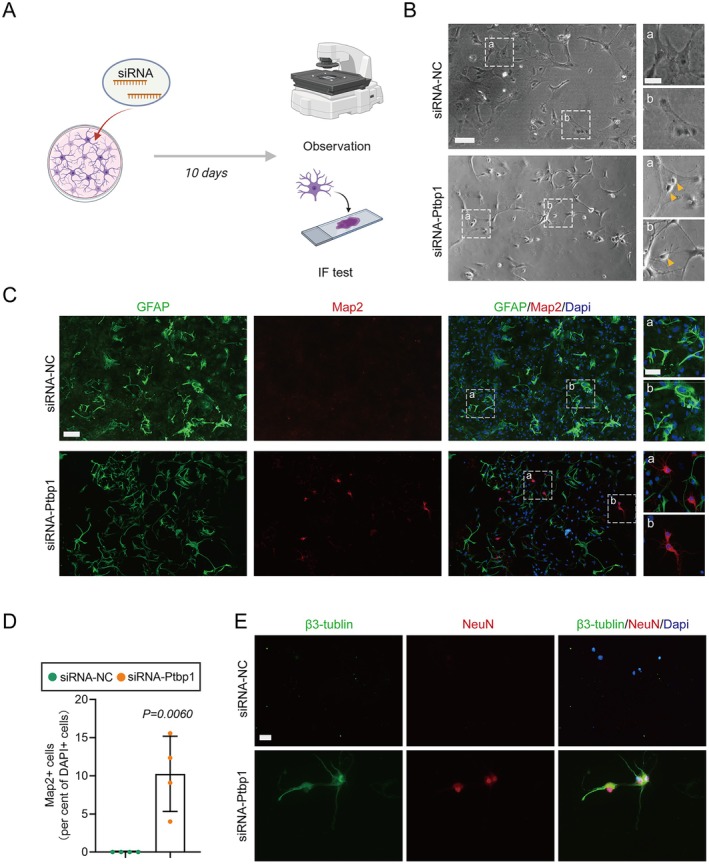 Figure 2
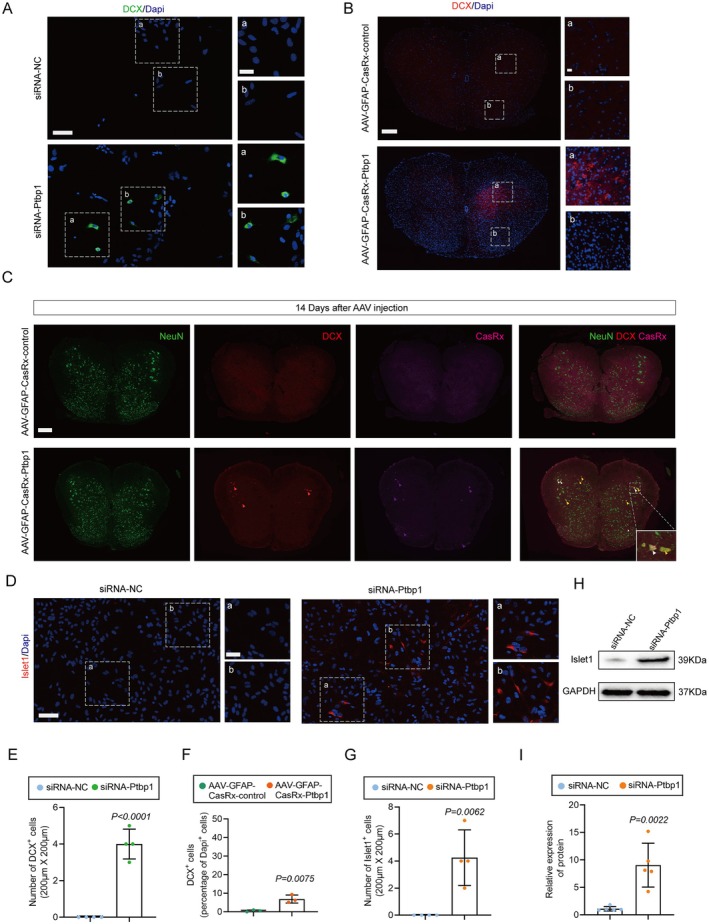 Figure 3
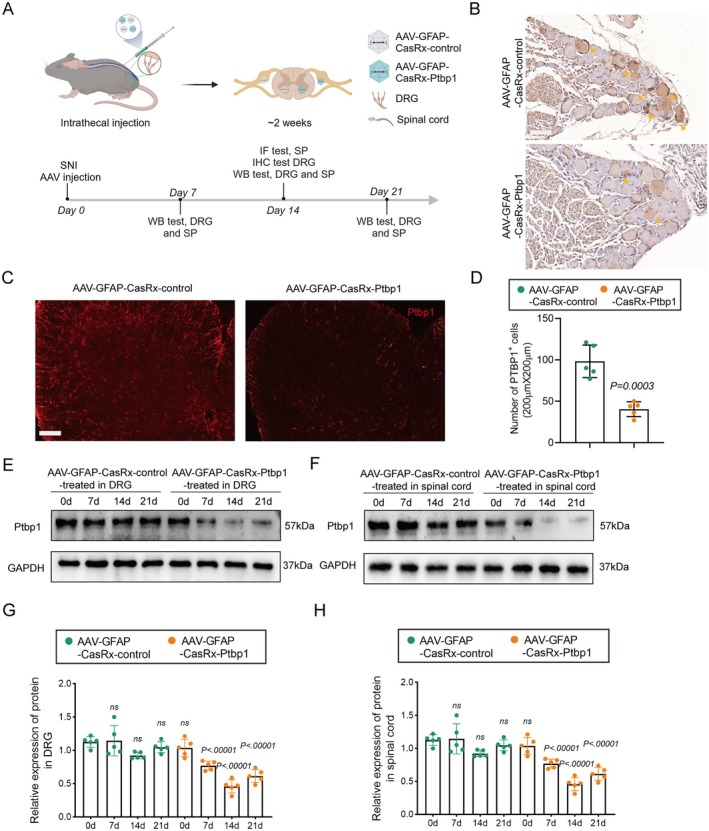 Figure 4
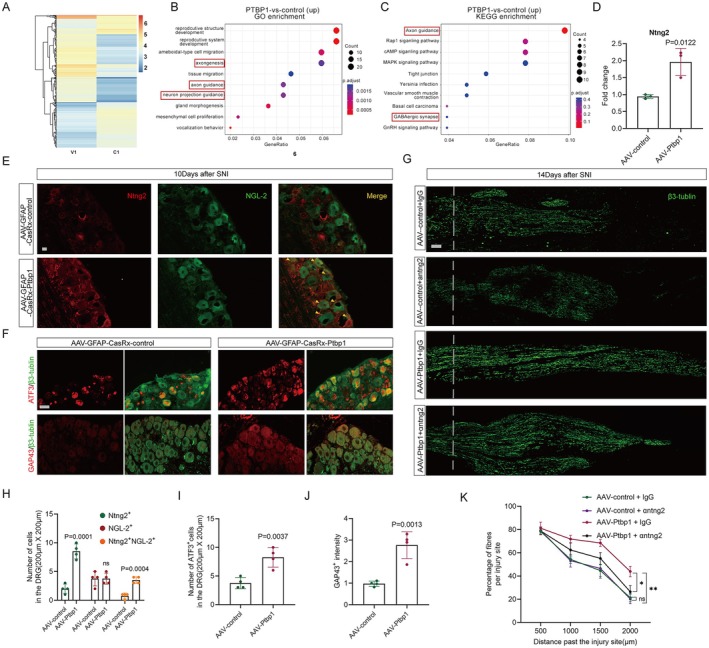 Figure 5
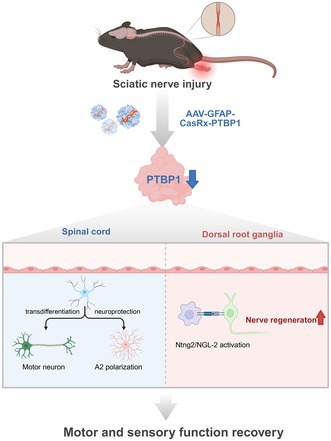 Figure 6
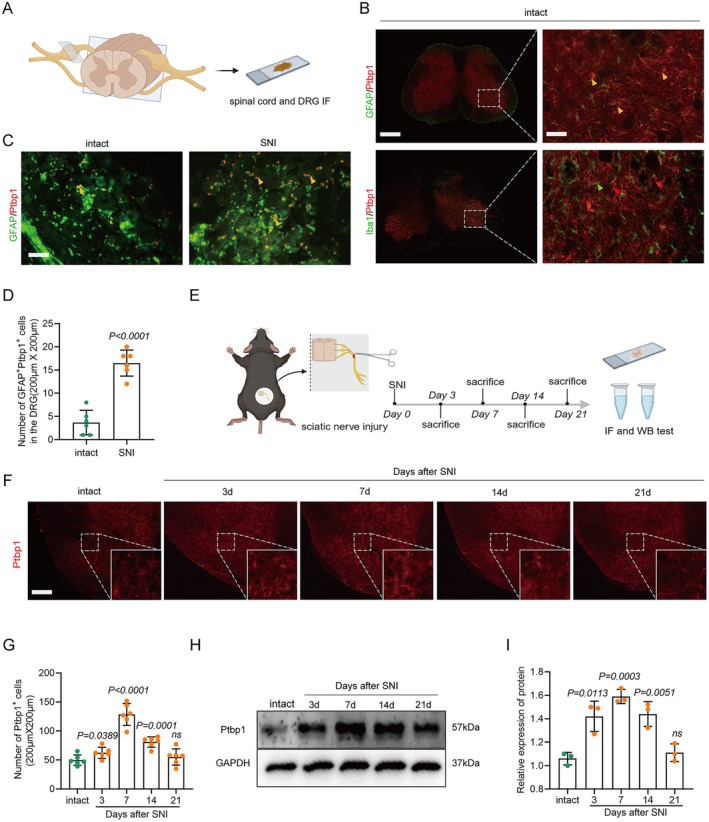 Figure 7
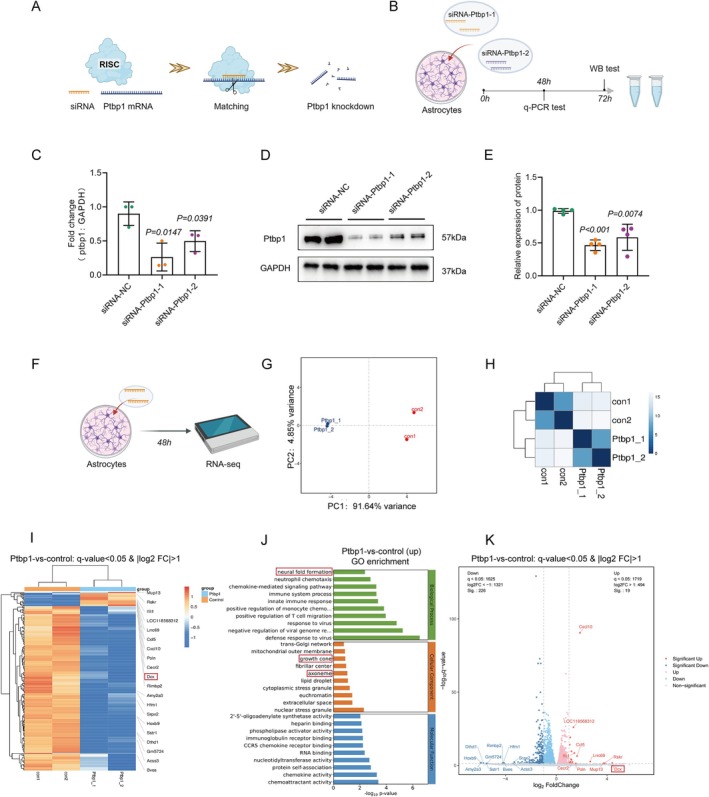 Figure 8
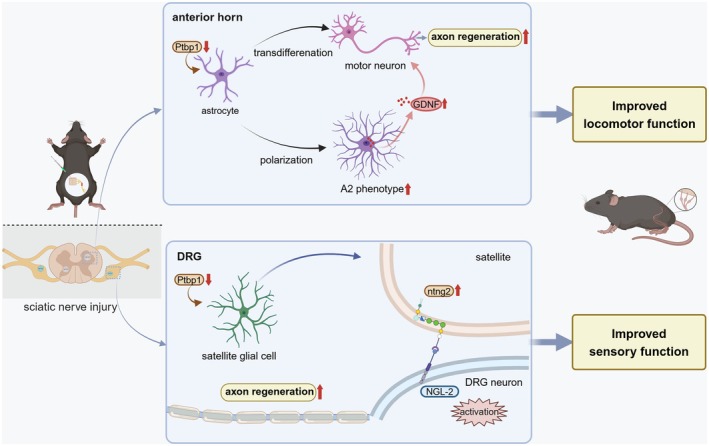 Figure 9
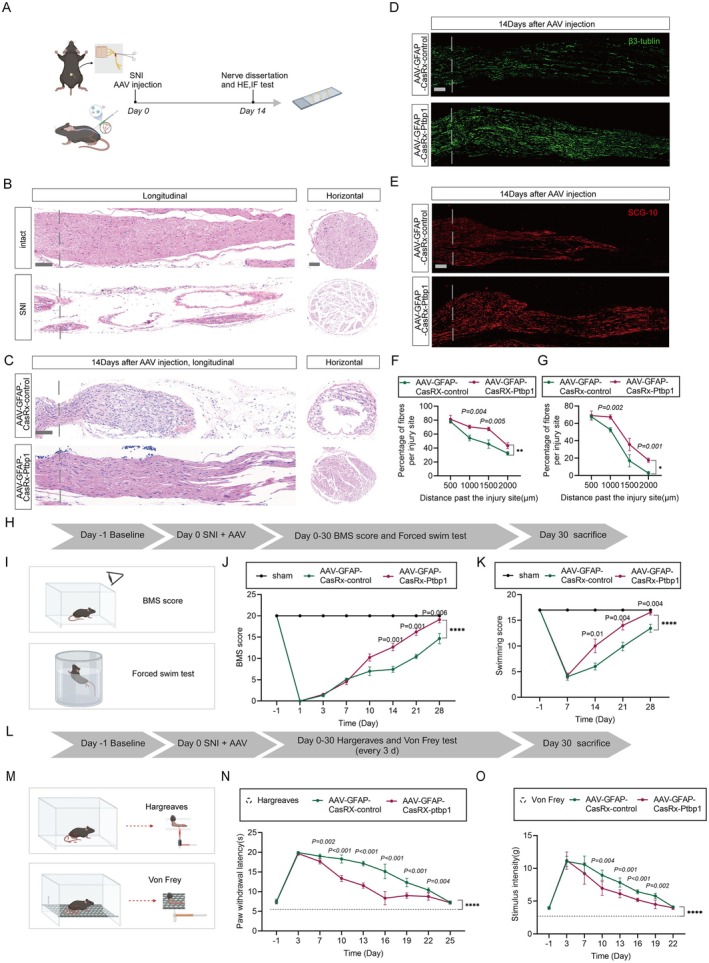 Figure 10
Peer Reviews
No public reviews on file for this paper yet. If you reviewed it on a platform where reviews are public (OpenReview, ICLR, NeurIPS, ICML), you can paste yours below so the community can read it here.
Videos
No videos yet. Explain this paper in a talk, walkthrough, or lecture? Add one.
Taxonomy
TopicsNerve injury and regeneration · Neurogenesis and neuroplasticity mechanisms · Spinal Cord Injury Research