Glymphatic Function as a Prognostic Biomarker in Prolonged Disorders of Consciousness
Dian‐Wei Wu, Chang‐Geng Song, Rong Chen, Jing‐Jing Zhao, Ying‐Chi Zhang, Xuan Wang, Zhong‐Qing Sun, Xiao‐Gang Kang, Qiong Gao, Wen Jiang

TL;DR
This study shows that impaired glymphatic function, measured via MRI, can predict recovery of consciousness in patients with prolonged disorders of consciousness.
Contribution
Glymphatic function, measured by BOLD-CSF coupling, is proposed as a novel prognostic biomarker for consciousness recovery in pDoC.
Findings
pDoC patients showed significantly delayed BOLD-CSF coupling time-lags compared to healthy controls.
Shorter global BOLD-CSF coupling time-lags predicted improved consciousness with high accuracy.
Glymphatic dysfunction is associated with impaired consciousness recovery in pDoC patients.
Abstract
The glymphatic system is a major waste clearance system in the central nervous system. We aim to investigate the glymphatic function and its prognostic values in patients with prolonged disorders of consciousness (pDoC). We conducted a prospective and explorative cohort study including 40 patients with pDoC and 20 healthy controls. Glymphatic function was measured with the global and regional blood‐oxygen‐level‐dependent and cerebrospinal fluid (BOLD‐CSF) couplings, characterized by time‐lags and strengths of the couplings. The clinical outcome was defined as improvement and no improvement in consciousness 6 months after enrollment, determined via a structured telephone follow‐up based on the Coma Recovery Scale‐Revised (CRS‐R) score. Patients with pDoC exhibited significantly delayed time‐lags in BOLD‐CSF coupling (p < 0.05) and significantly reduced coupling strengths (p < 0.05)…
Genes, proteins, chemicals, diseases, species, mutations and cell lines named across the full text — each resolved to its canonical identifier and authoritative record.
Click any figure to enlarge with its caption.
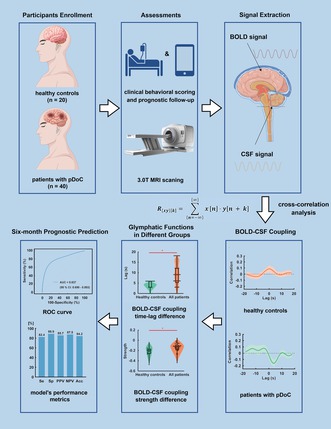 Figure 1
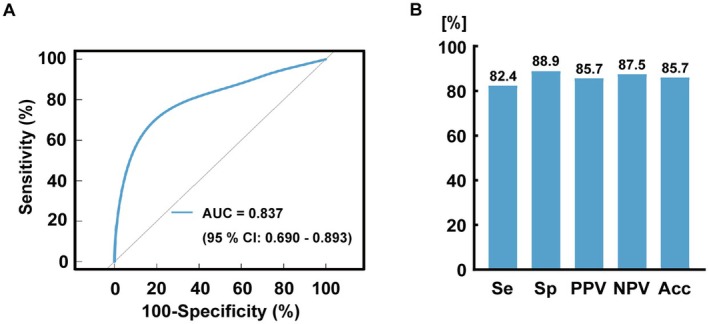 Figure 2
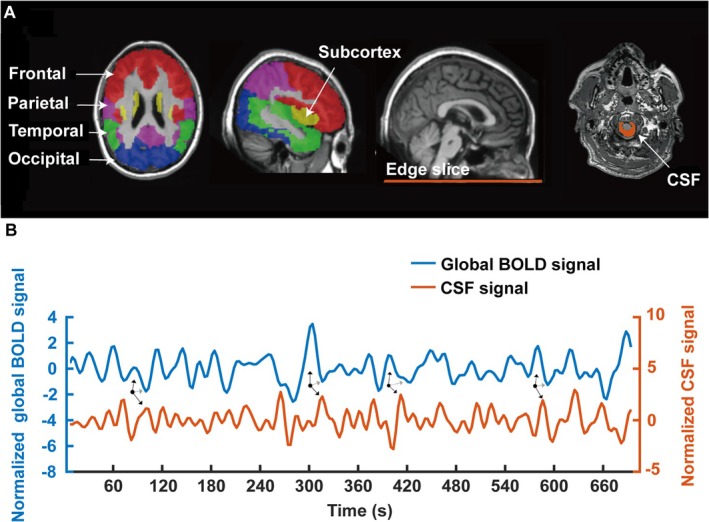 Figure 3
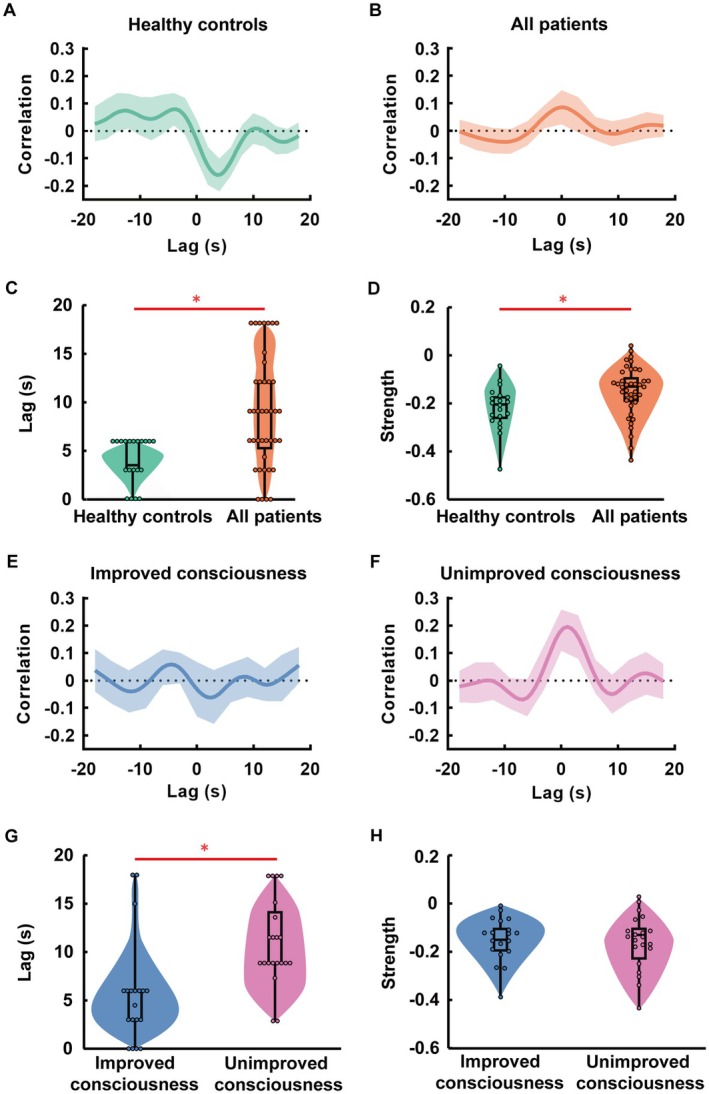 Figure 4
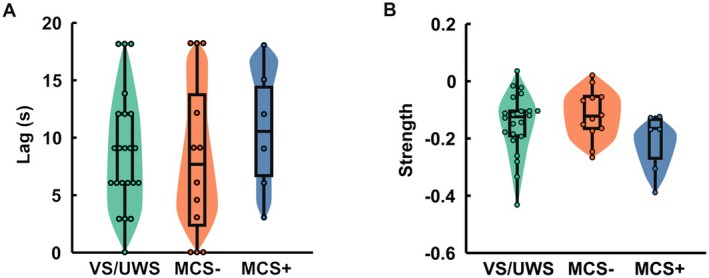 Figure 5
Peer Reviews
No public reviews on file for this paper yet. If you reviewed it on a platform where reviews are public (OpenReview, ICLR, NeurIPS, ICML), you can paste yours below so the community can read it here.
Videos
No videos yet. Explain this paper in a talk, walkthrough, or lecture? Add one.
Taxonomy
TopicsCerebrospinal fluid and hydrocephalus · Traumatic Brain Injury Research · Traumatic Brain Injury and Neurovascular Disturbances