Regulated microexon alternative splicing in single neurons tunes synaptic function
Bikash Choudhary, Rebekah Napier-Jameson, Adam Norris

TL;DR
Tiny genetic segments called microexons are spliced differently in various neurons, affecting their function, and this is regulated by specific proteins.
Contribution
The study reveals that microexon splicing is regulated across neuron types and is essential for specific neuronal functions.
Findings
Microexon splicing varies across neuron types in C. elegans.
Two RNA binding proteins regulate microexon inclusion in synaptic genes.
Microexon inclusion or skipping is functionally required for motor or olfactory neuron activity.
Abstract
Microexons are important components of the neuronal transcriptome. Though tiny, their splicing is essential for neuronal development and function. Microexons are typically included in the nervous system and skipped in other tissues, but less is known about whether they are alternatively spliced across neuron types, and if so what the regulatory mechanisms and functional consequences might be. We set out to globally address this question in C. elegans using deep single-cell transcriptomes and in vivo splicing reporters. We find widespread alternative microexon splicing across neuron types. Focusing on a broadly-conserved 9-nucleotide exon in the synaptic vesicle gene unc-13, we find that it is completely skipped in olfactory neurons, but completely included in motor neurons. This splicing pattern is established by two neuronal RNA binding proteins which recruit spliceosomal component…
Genes, proteins, chemicals, diseases, species, mutations and cell lines named across the full text — each resolved to its canonical identifier and authoritative record.
Click any figure to enlarge with its caption.
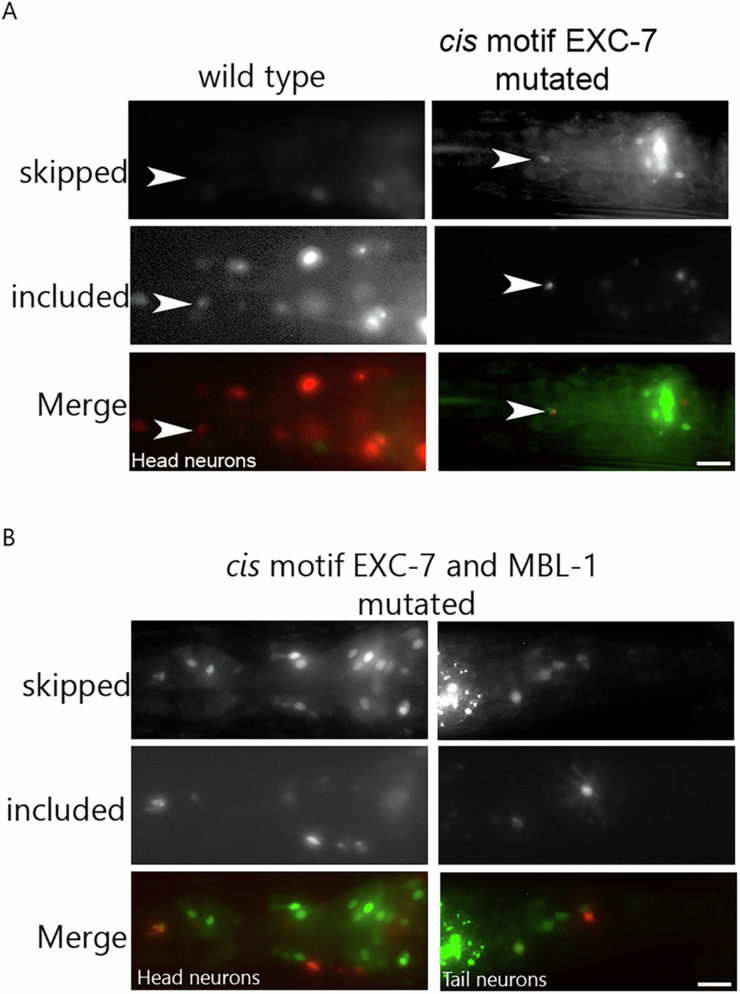 Figure 10
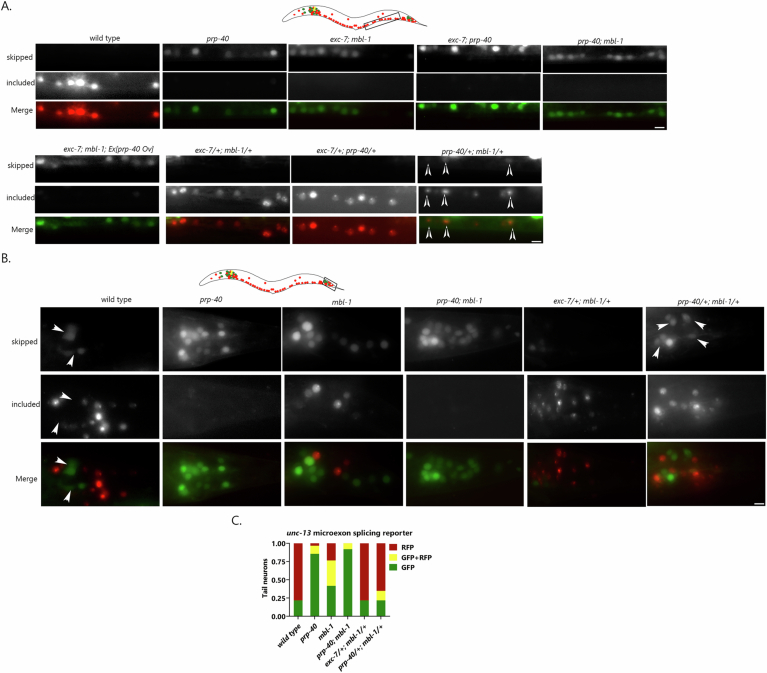 Figure 11
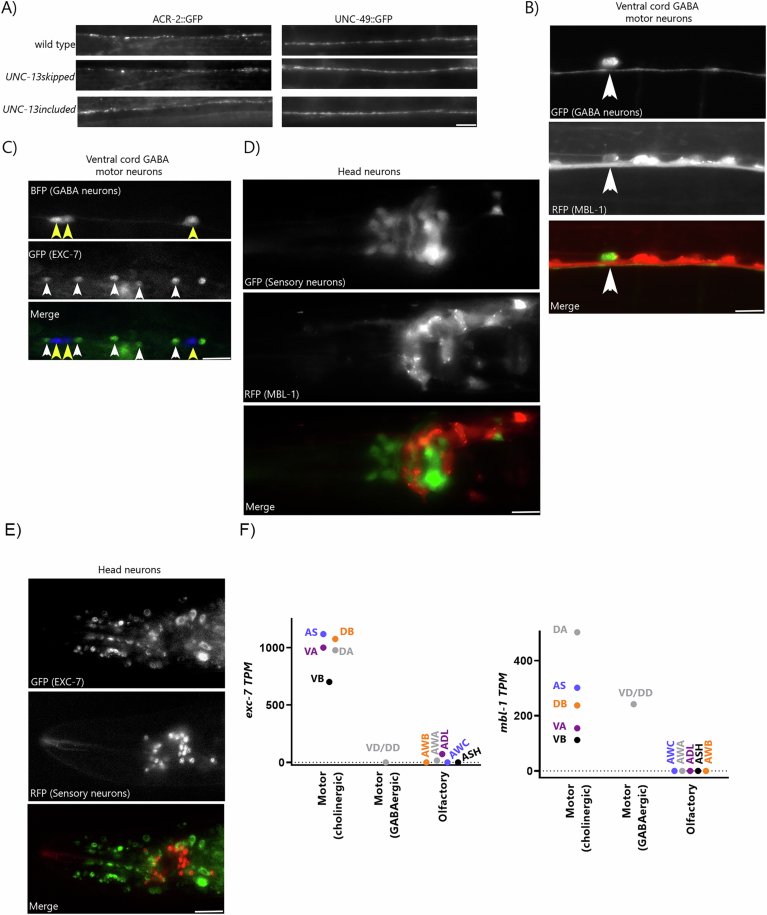 Figure 12
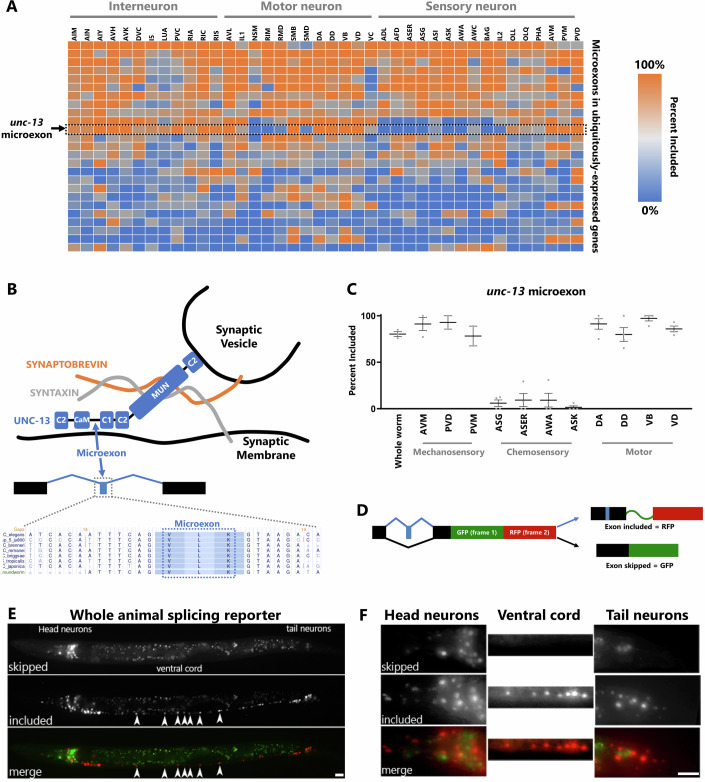 Figure 1
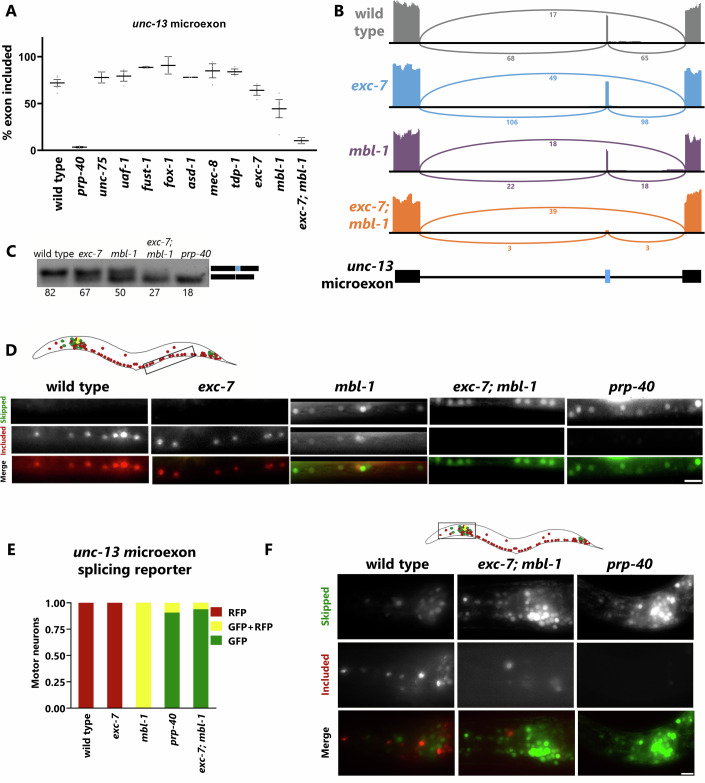 Figure 2
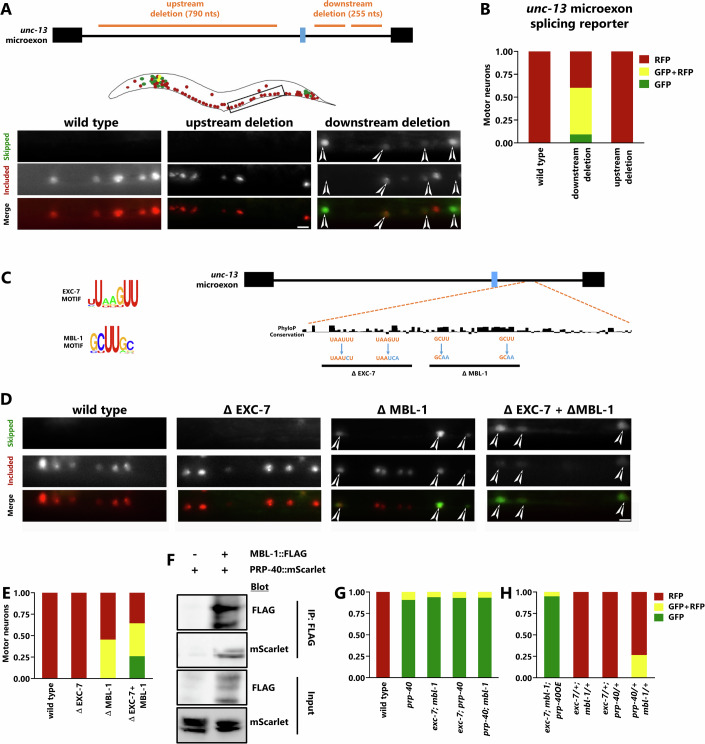 Figure 3
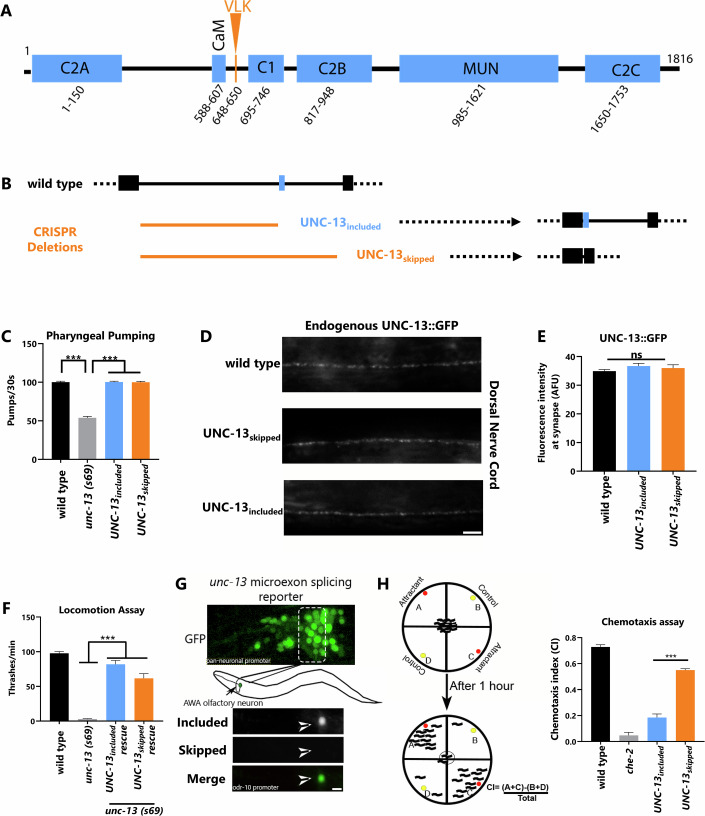 Figure 4
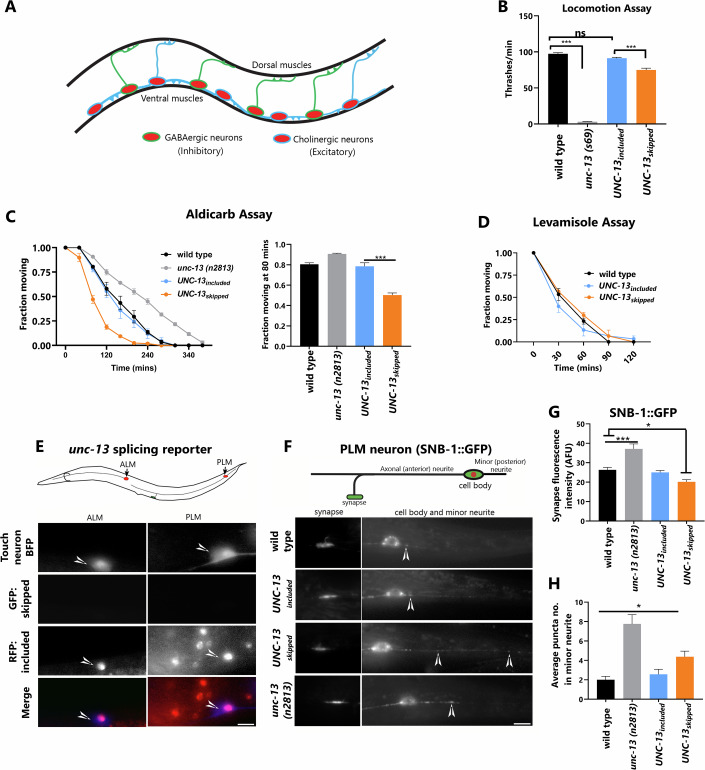 Figure 5
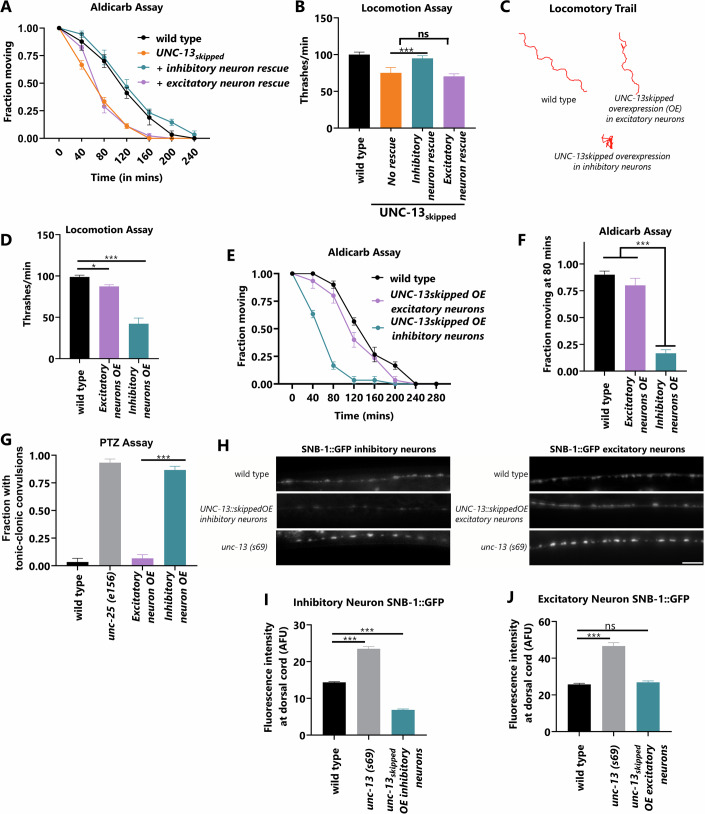 Figure 6
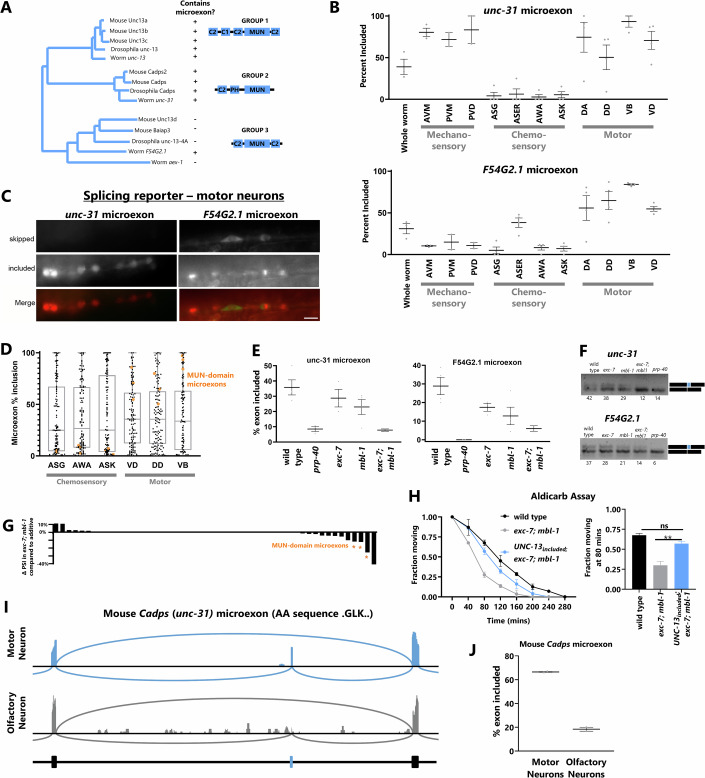 Figure 7
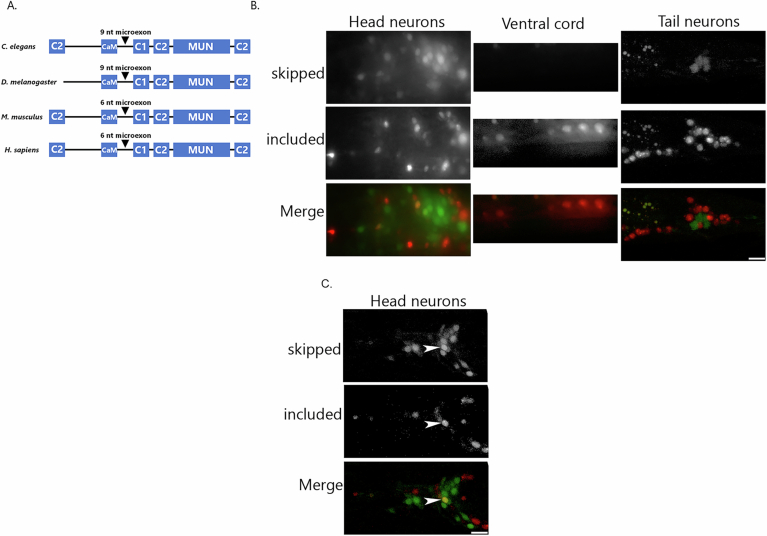 Figure 8
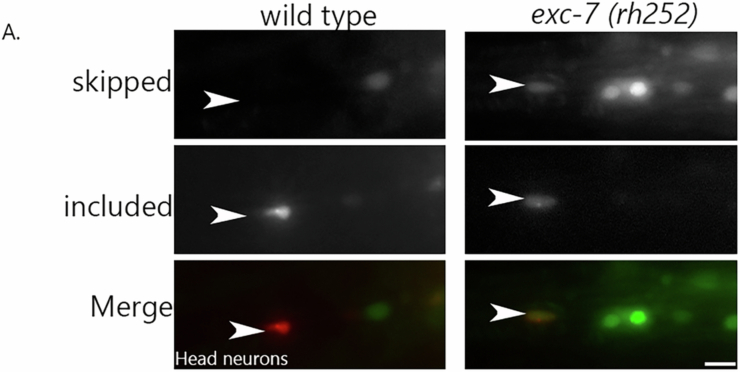 Figure 9
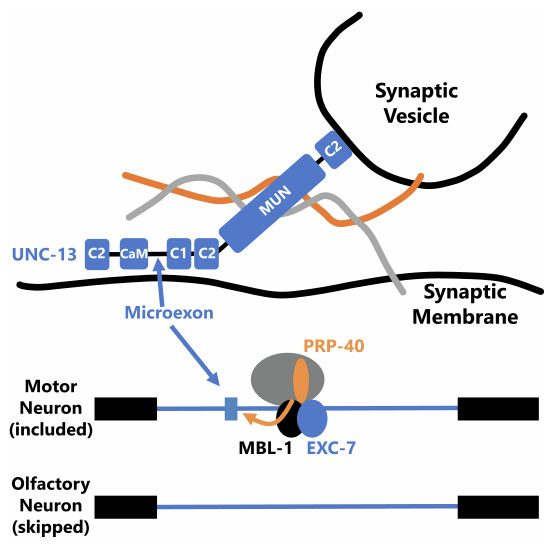 Figure 13
 Figure 14
Peer Reviews
No public reviews on file for this paper yet. If you reviewed it on a platform where reviews are public (OpenReview, ICLR, NeurIPS, ICML), you can paste yours below so the community can read it here.
Videos
No videos yet. Explain this paper in a talk, walkthrough, or lecture? Add one.
Taxonomy
TopicsRNA Research and Splicing · Genetics, Aging, and Longevity in Model Organisms · RNA modifications and cancer