An effective solution for analyzing the electromagnetic scattering characteristics of composite conducting dielectric objects under multiple angle incidence
Meng Kong, Xin Yuan Cao, Qi Qi, Xian Liang Wu

TL;DR
This paper presents a faster method for analyzing electromagnetic scattering from complex objects using compressive sensing to reduce computational time.
Contribution
A new excitation source solution model using compressive sensing in the Volume-Surface Integral Equation framework is proposed.
Findings
The proposed method reduces matrix equation recalculations while maintaining accuracy and memory usage.
Numerical simulations confirm the improved efficiency for analyzing wide-angle electromagnetic scattering.
The algorithm's effectiveness is validated across various composite objects with different materials and structures.
Abstract
The accurate modeling of electromagnetic scattering from composite conducting-dielectric objects under multi-angle incidence is crucial in the field of electromagnetic engineering, however, due to the huge computational resources required, there is a disadvantage of slow analysis speed on personal computer platforms. Based on the compressive sensing theory, this article constructs a new excitation source solution model using the Volume-Surface Integral Equation platform. The special CS technique is separately applied to the conductive surface and dielectric region of the composite object, respectively, in order to improve the efficiency of analyzing the wide-angle electromagnetic scattering characteristics of the composite object. Compared with the traditional Volume-Surface Integral Equation method, the proposed method can significantly reduce the number of repeated calculations of…
Genes, proteins, chemicals, diseases, species, mutations and cell lines named across the full text — each resolved to its canonical identifier and authoritative record.
Click any figure to enlarge with its caption.
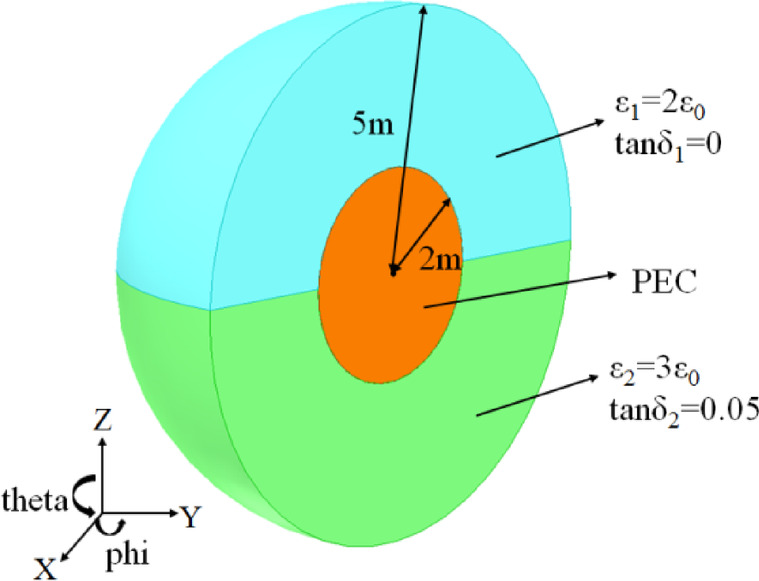 Figure 1
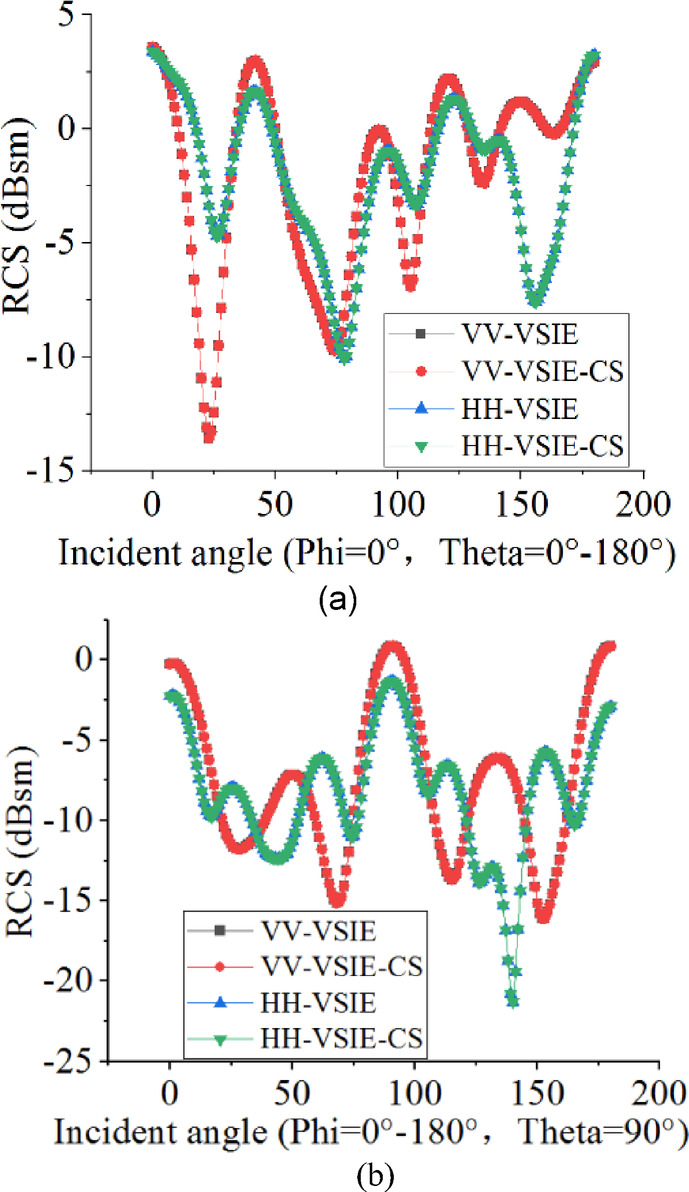 Figure 2
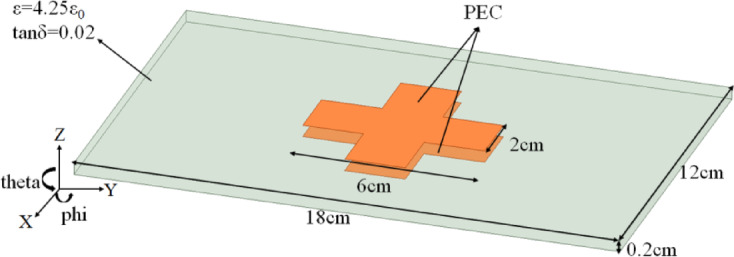 Figure 3
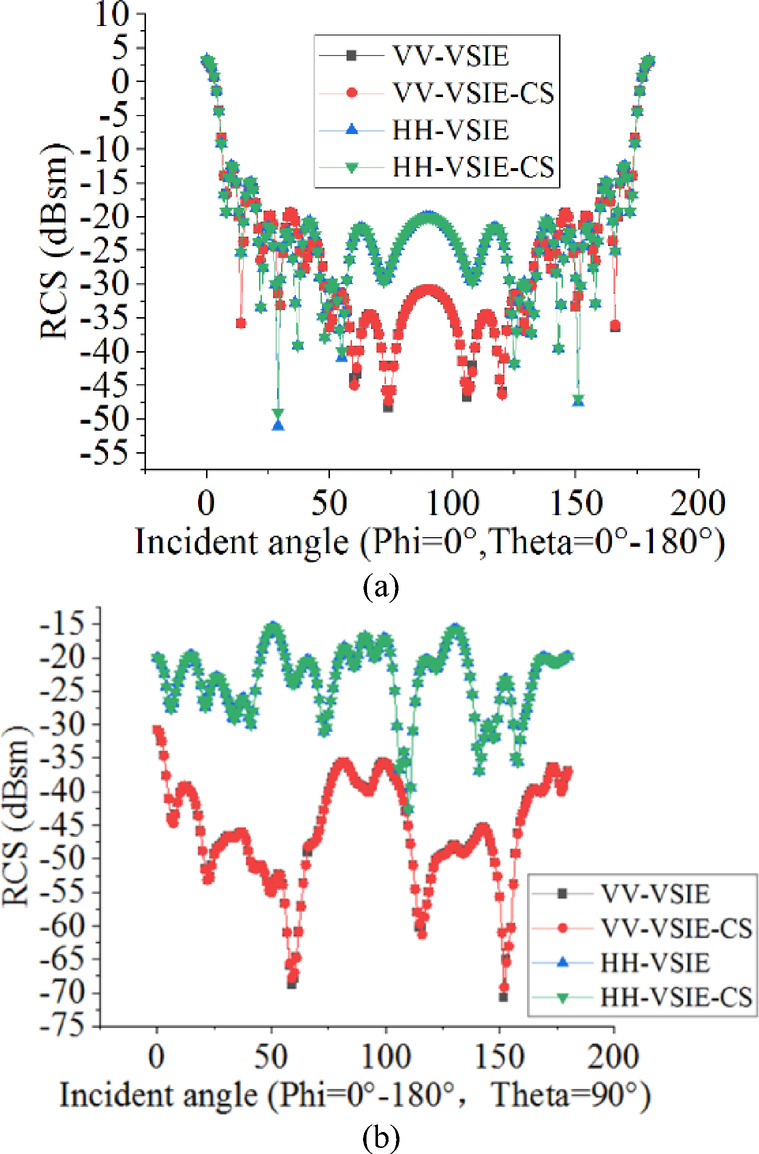 Figure 4
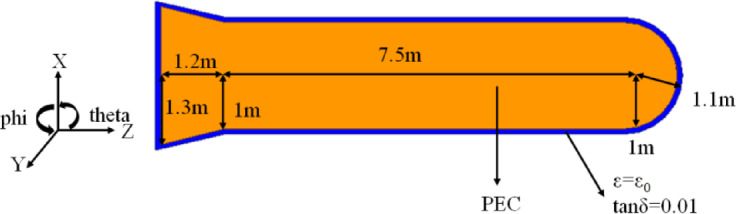 Figure 5
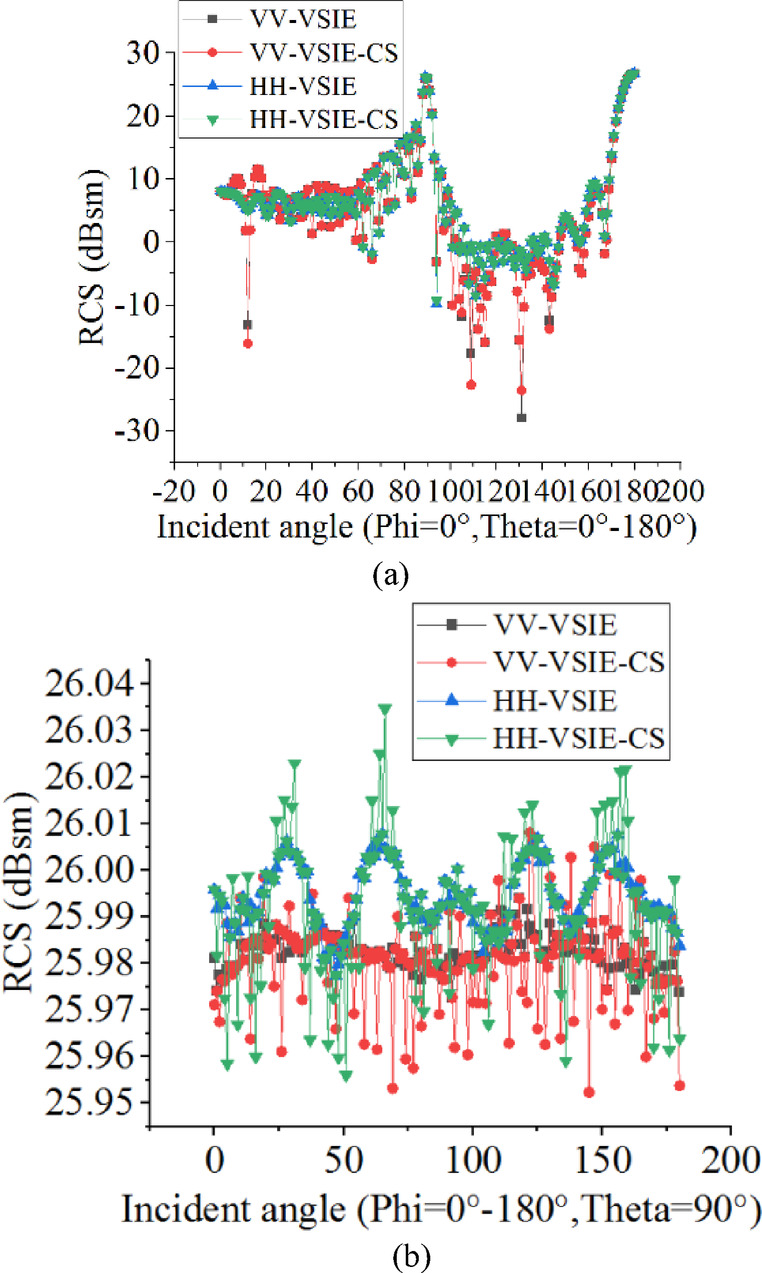 Figure 6
Peer Reviews
No public reviews on file for this paper yet. If you reviewed it on a platform where reviews are public (OpenReview, ICLR, NeurIPS, ICML), you can paste yours below so the community can read it here.
Videos
No videos yet. Explain this paper in a talk, walkthrough, or lecture? Add one.
Taxonomy
TopicsElectromagnetic Scattering and Analysis · Microwave Imaging and Scattering Analysis · Electromagnetic Simulation and Numerical Methods