Bacterial effectors mediate kinase reprogramming through mimicry of conserved eukaryotic motifs
Ioanna Panagi, Janina H Muench, Alexi Ronneau, Ines Diaz-del-Olmo, Agnel Aliyath, Xiu-Jun Yu, Hazel Mak, Enkai Jin, Jingkun Zeng, Diego Esposito, Elliott Jennings, Timesh D Pillay, Regina A Günster, Sarah L Maslen, Katrin Rittinger, Teresa L M Thurston

TL;DR
Bacterial proteins like SteE can change the activity of a host kinase, GSK3, by mimicking eukaryotic signaling motifs, enhancing bacterial virulence.
Contribution
The discovery that SteE and its homologues use mimicry of eukaryotic motifs to reprogram GSK3 kinase activity.
Findings
SteE and its homologues from various Gram-negative pathogens mediate kinase reprogramming of GSK3.
An L/xGxP motif in SteE is essential for GSK3's tyrosine-directed activity.
Short linear motifs in SteE mimic eukaryotic signaling motifs to enable kinase reprogramming.
Abstract
Bacteria have evolved numerous biochemical processes that underpin their biology and pathogenesis. The small, non-enzymatic bacterial (Salmonella) effector SteE mediates kinase reprogramming, whereby the canonical serine/threonine host kinase GSK3 gains tyrosine-directed activity towards neosubstrates, promoting Salmonella virulence. Yet, both the mechanism behind the switch in GSK3’s activity and the diversity of this phenomenon remain to be determined. Here we show that kinase reprogramming of GSK3 is mediated by putative homologues from diverse Gram-negative pathogens. Next, we identify both the molecular basis of how SteE targets GSK3 and uncover that the SteE-induced tyrosine activity conferred on GSK3 requires an L/xGxP motif. This motif, found in several CMGC kinases that undergo auto-tyrosine phosphorylation, was previously shown to mediate GSK3 autophosphorylation on a…
Genes, proteins, chemicals, diseases, species, mutations and cell lines named across the full text — each resolved to its canonical identifier and authoritative record.
Click any figure to enlarge with its caption.
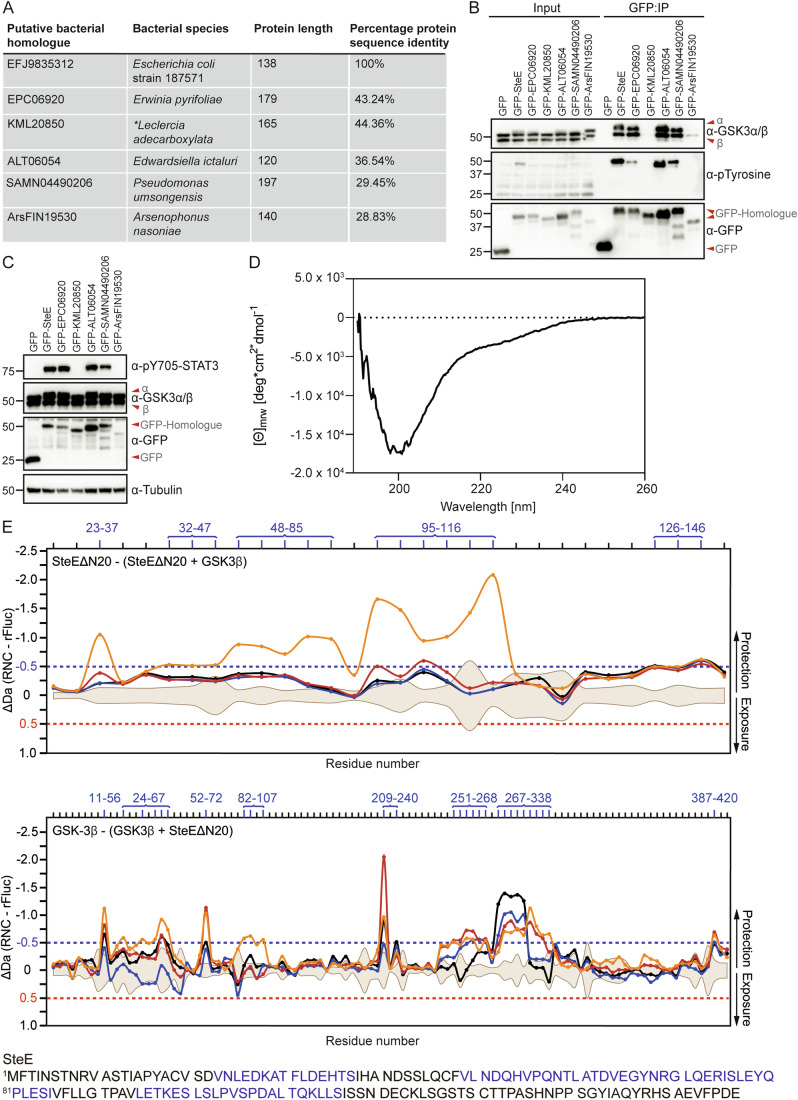 Figure 1
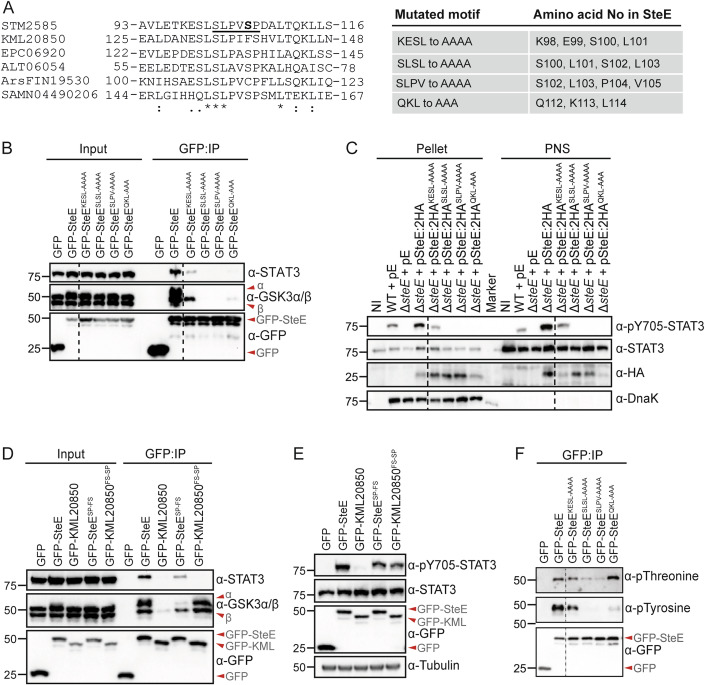 Figure 2
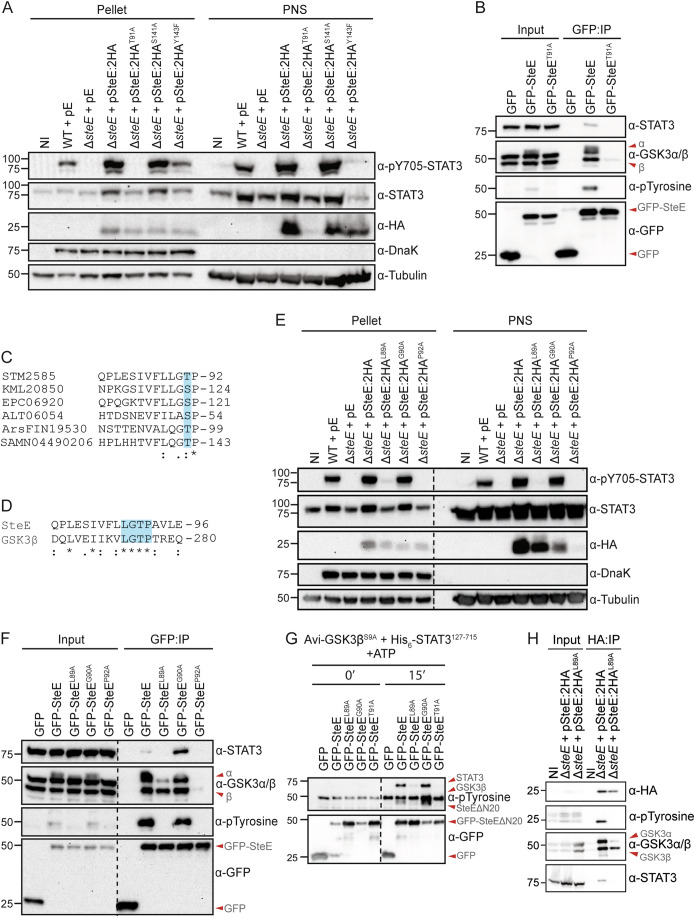 Figure 3
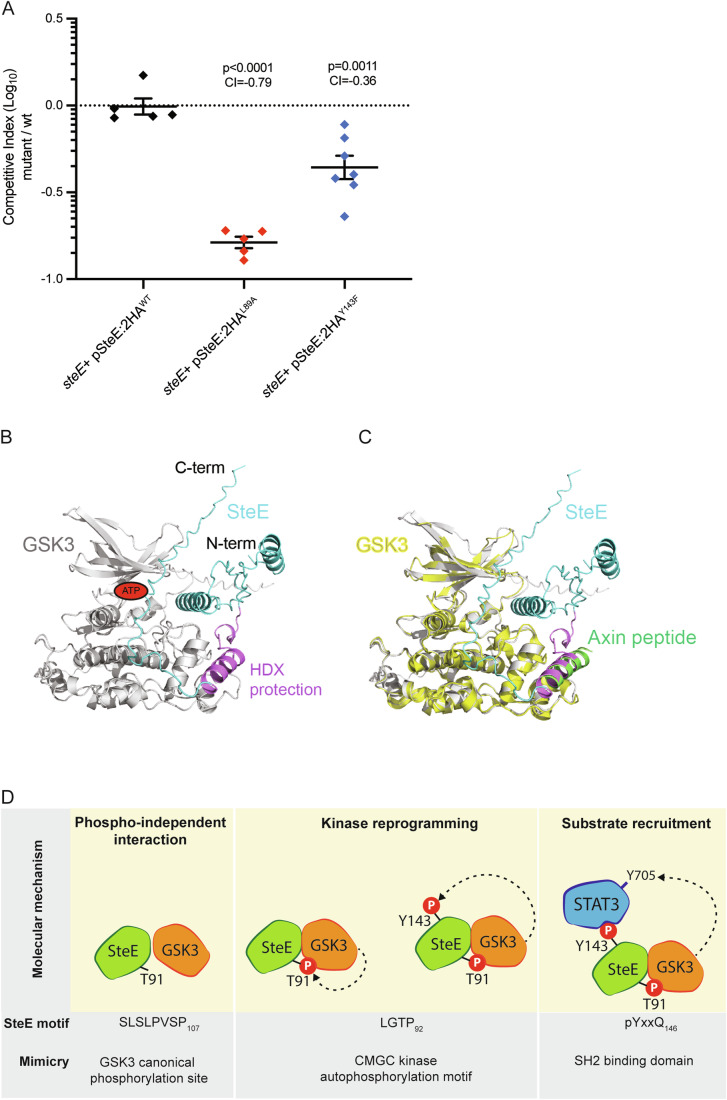 Figure 4
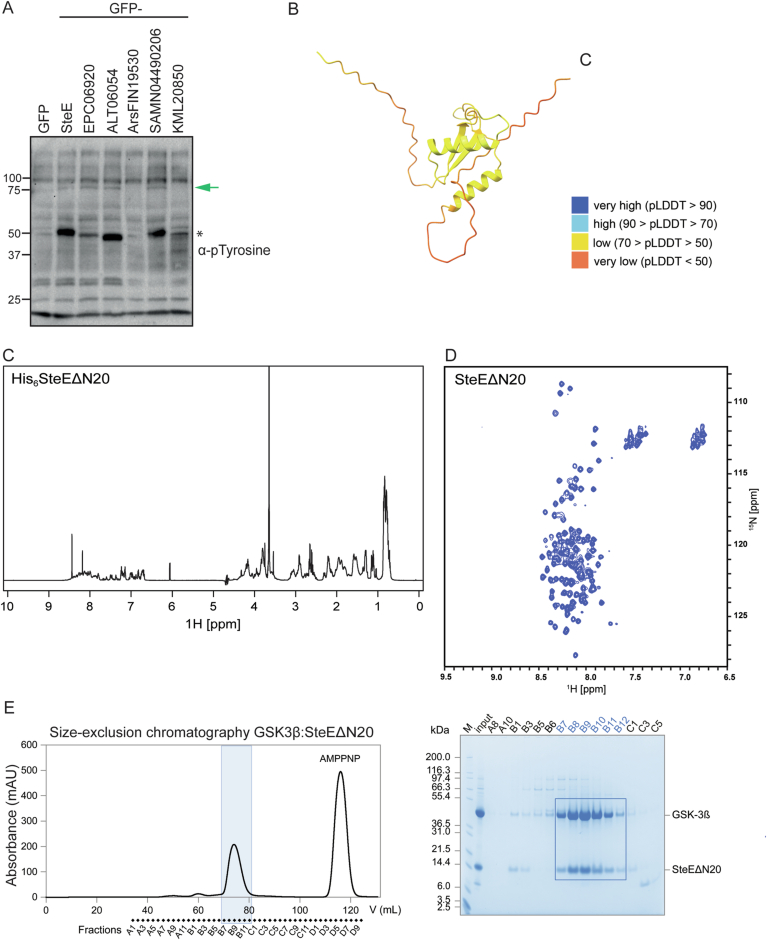 Figure 5
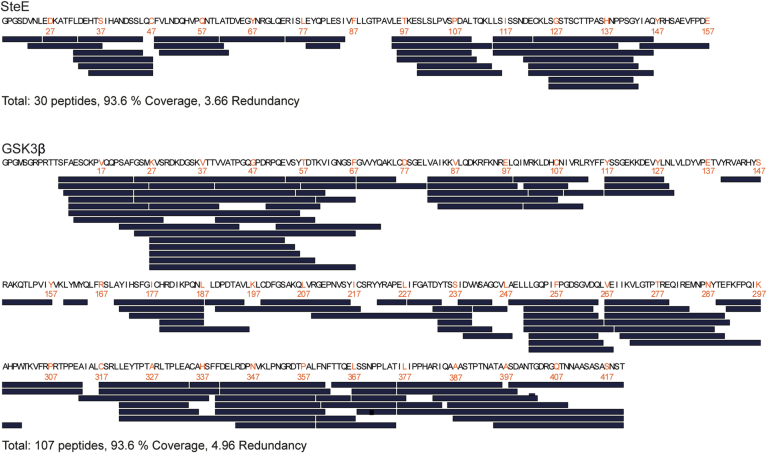 Figure 6
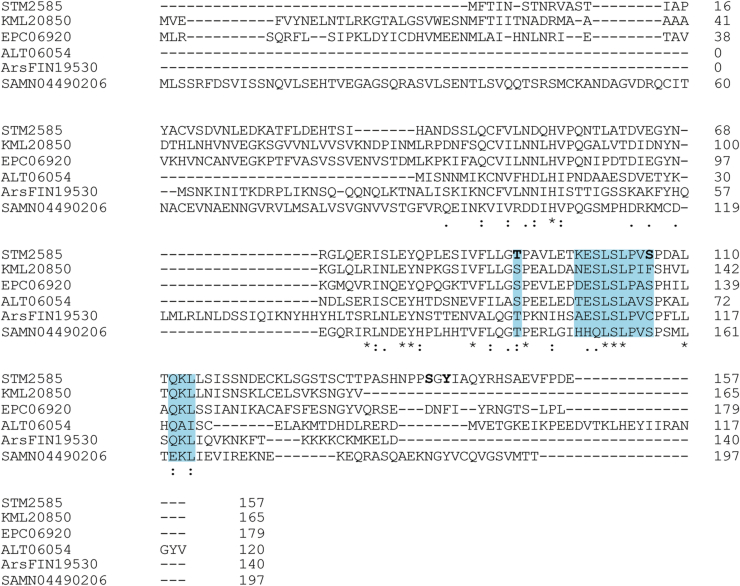 Figure 7
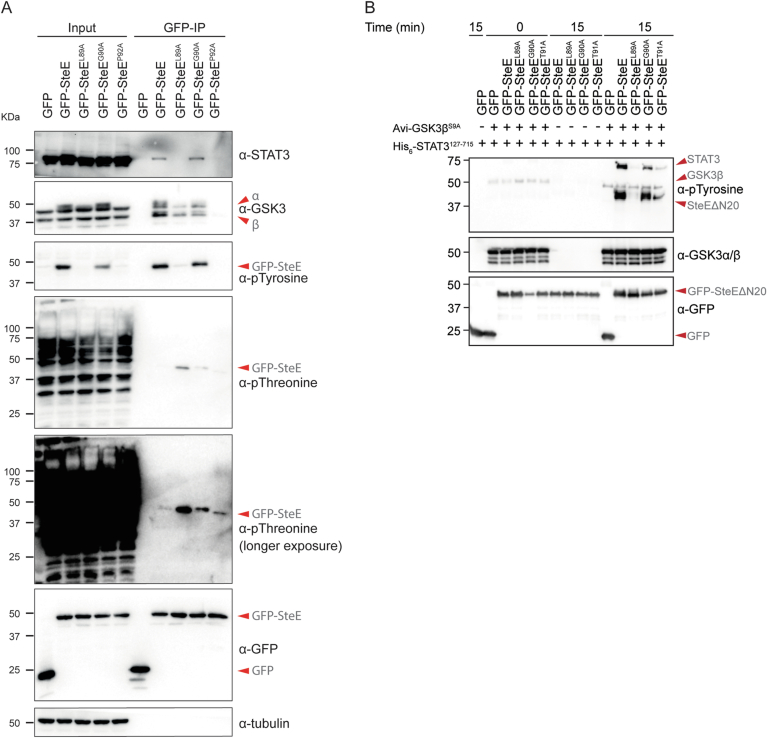 Figure 8
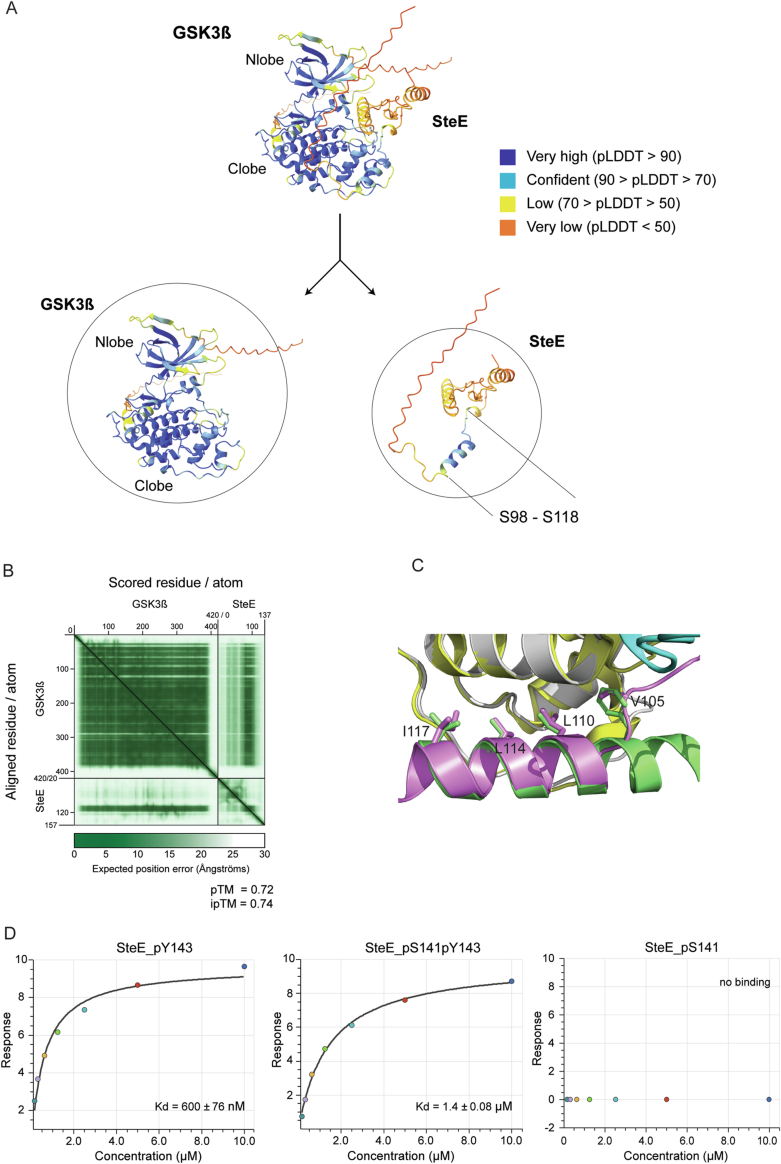 Figure 9
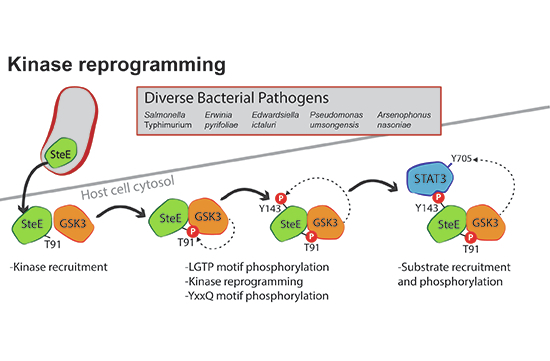 Figure 10
 Figure 11
Peer Reviews
No public reviews on file for this paper yet. If you reviewed it on a platform where reviews are public (OpenReview, ICLR, NeurIPS, ICML), you can paste yours below so the community can read it here.
Videos
No videos yet. Explain this paper in a talk, walkthrough, or lecture? Add one.
Taxonomy
TopicsBacterial Genetics and Biotechnology · Bacteriophages and microbial interactions · Cancer Research and Treatments