Chromosome-level genome assembly of the Vermilion Snapper (Rhomboplites aurorubens)
A. Roa-Varón, P. Moulos, S. Harter, A. David, A. M. Quattrini, S. Herrera

TL;DR
This paper presents the first chromosome-level genome assembly of the Vermilion Snapper, a commercially important fish species.
Contribution
The study provides the most complete genome assembly of an Atlantic snapper to date.
Findings
The genome assembly is 987.5 Mbp with a scaffold N50 size of 41.3 Mbp.
It includes 34,496 predicted genes and 98% complete and single-copy BUSCO genes.
Abstract
Vermilion Snapper (Rhomboplites aurorubens, Lutjanidae) inhabits deep waters (20–300 m) from North America to Brazil and supports significant commercial and recreational fisheries. Despite its economic importance, the understanding of its basic biology remains limited. Classified as Vulnerable on the Red List due to overfishing, populations have declined by over 30% in recent generations. We assembled and annotated the first chromosome-scale genome of this species by combining PacBio long reads, Illumina short reads, and Hi-C data. The resulting assembly is 987.5 Mbp, with a scaffold N50 size of 41.3 Mbp, and includes 135 contigs clustered and ordered onto 24 chromosomes with 34,496 predicted genes. The high-quality assembly and annotation contained about 98% complete and single-copy BUSCO genes. It is the most complete, chromosome-level genome assembly of an Atlantic snapper to date.…
Genes, proteins, chemicals, diseases, species, mutations and cell lines named across the full text — each resolved to its canonical identifier and authoritative record.
Click any figure to enlarge with its caption.
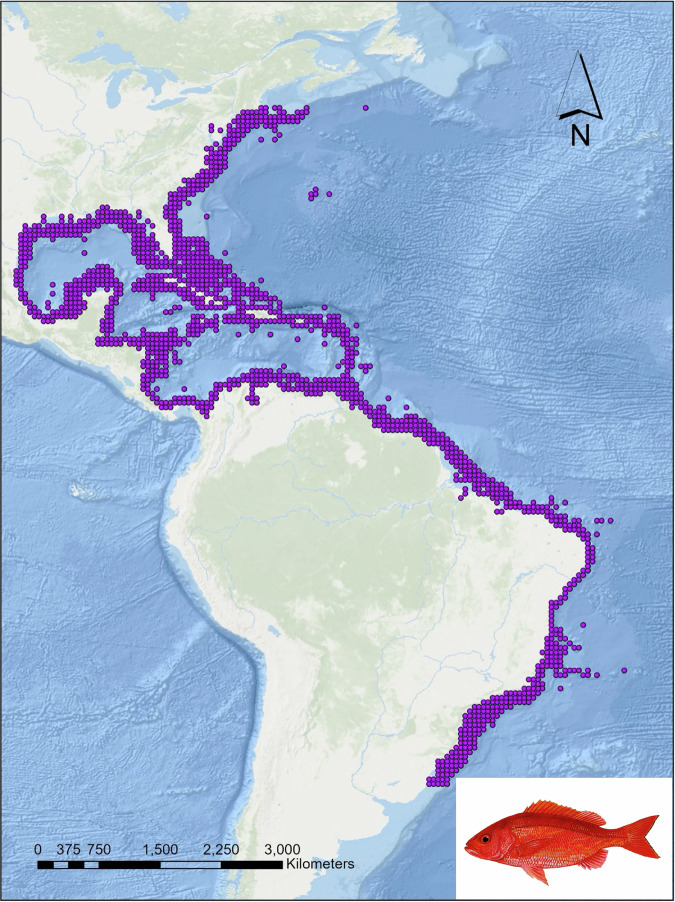 Figure 1
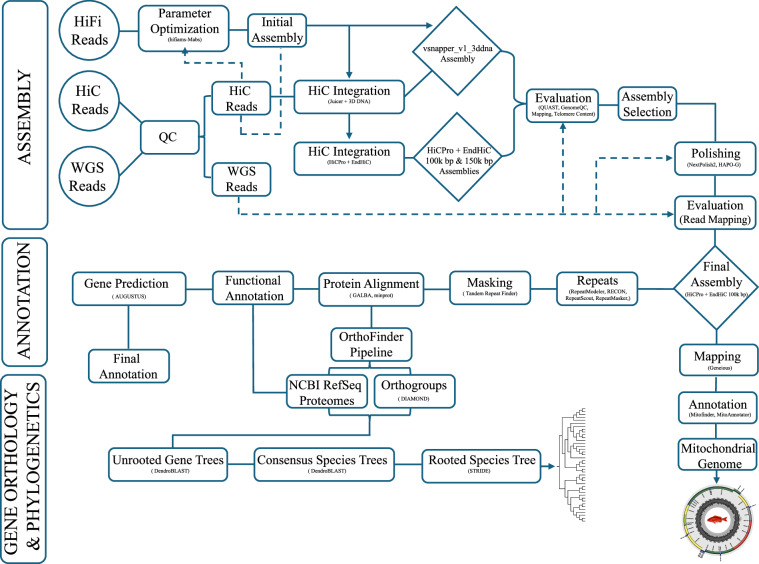 Figure 2
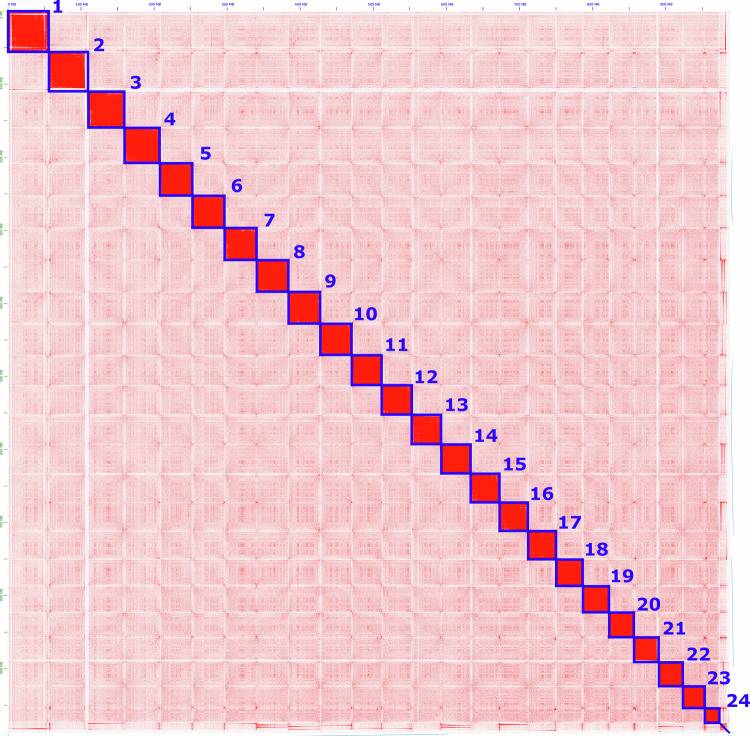 Figure 3
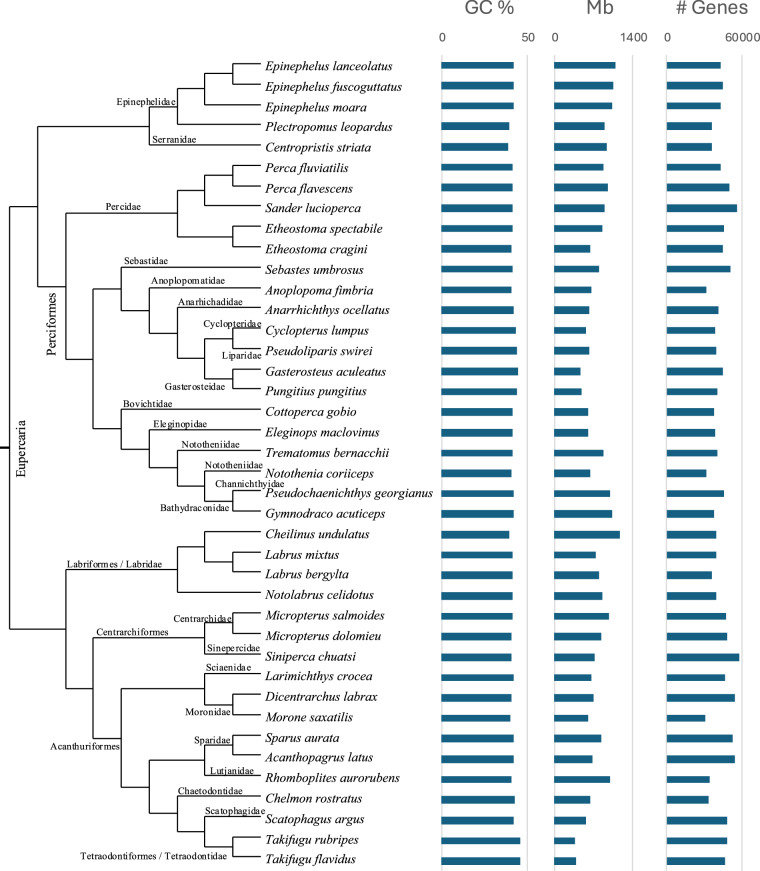 Figure 4
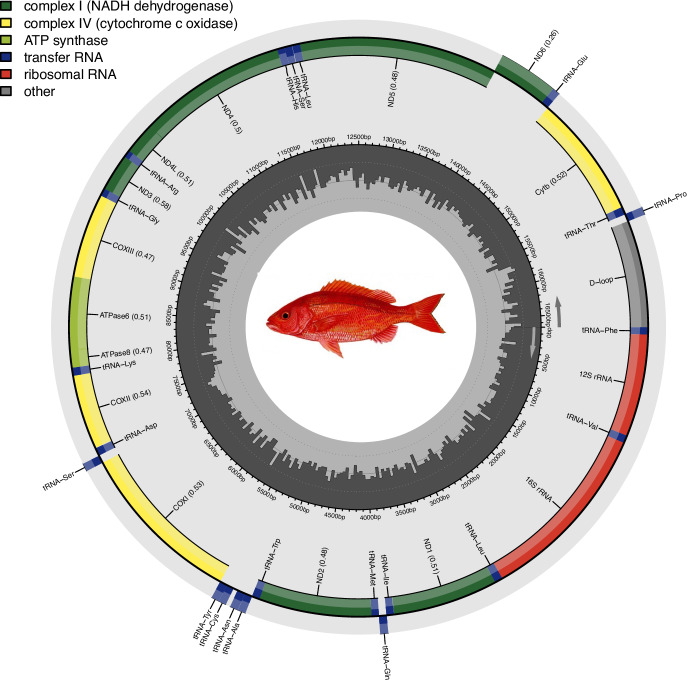 Figure 5
Peer Reviews
No public reviews on file for this paper yet. If you reviewed it on a platform where reviews are public (OpenReview, ICLR, NeurIPS, ICML), you can paste yours below so the community can read it here.
Videos
No videos yet. Explain this paper in a talk, walkthrough, or lecture? Add one.
Taxonomy
TopicsGenomics and Phylogenetic Studies · Aquaculture disease management and microbiota · Chromosomal and Genetic Variations