Chromosome-level genome assembly of the large carpenter bee Xylocopa dejeanii Lepeletier, 1841 (Hymenoptera: Apidae)
Dan Zhang, Jianfeng Jin, Zeqing Niu, Michael C. Orr, Feng Zhang, Rafael R. Ferrari, Qingtao Wu, Qingsong Zhou, Wa Da, Chaodong Zhu, Arong Luo

TL;DR
This paper presents the first chromosome-level genome assembly of the large carpenter bee Xylocopa dejeanii, enhancing understanding of bee biology and evolution.
Contribution
The study provides the first pseudo-chromosome-level genome assembly for Xylocopa dejeanii using advanced sequencing technologies.
Findings
The final genome is 194.44 Mb, assembled into 16 chromosomes with 99.00% completeness.
The assembly identified 10,970 protein-coding genes and 432 ncRNAs.
The study advances Xylocopinae genomics and offers insights into bee evolution.
Abstract
Xylocopinae, a diverse bee subfamily comprising over 1,000 bee species, and also a major model system for studying the pollination and evolution of sociality. The lack of chromosome-level genome assembly resources for the Xylocopinae limits our research of their biology and evolution. Here, we provided the first pseudo-chromosomes genome assembly of the Xylocopa dejeanii combined PacBio CLR long reads, Illumina sequences, and Hi-C data. The final genome is 194.44 Mb located in 16 chromosomes. Our assembly includes 141 scaffolds, with a scaffold N50 length of 13.15 Mb. BUSCO analysis revealed 99.00% completeness. Genome annotation identified 28.27 Mb of repetitive elements, 10,970 protein-coding genes, and 432 ncRNAs. This high-quality X. dejeanii assembly advances our understanding of Xylocopinae genomics and provides new insights into bee evolution.
Genes, proteins, chemicals, diseases, species, mutations and cell lines named across the full text — each resolved to its canonical identifier and authoritative record.
Click any figure to enlarge with its caption.
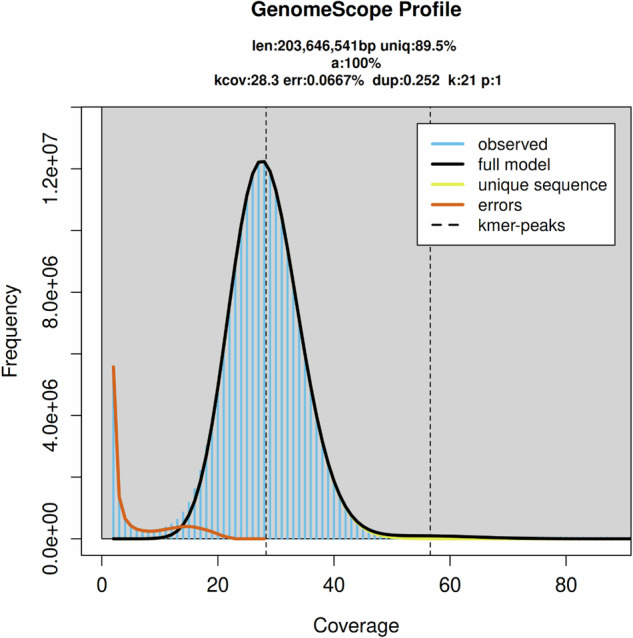 Figure 1
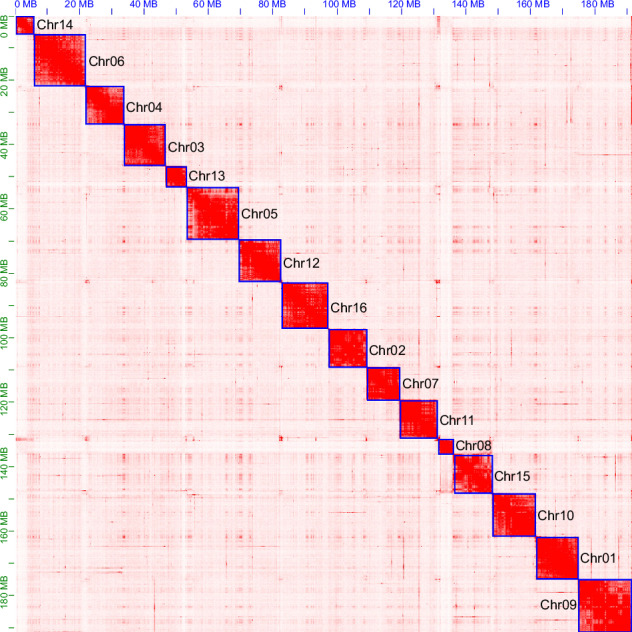 Figure 2
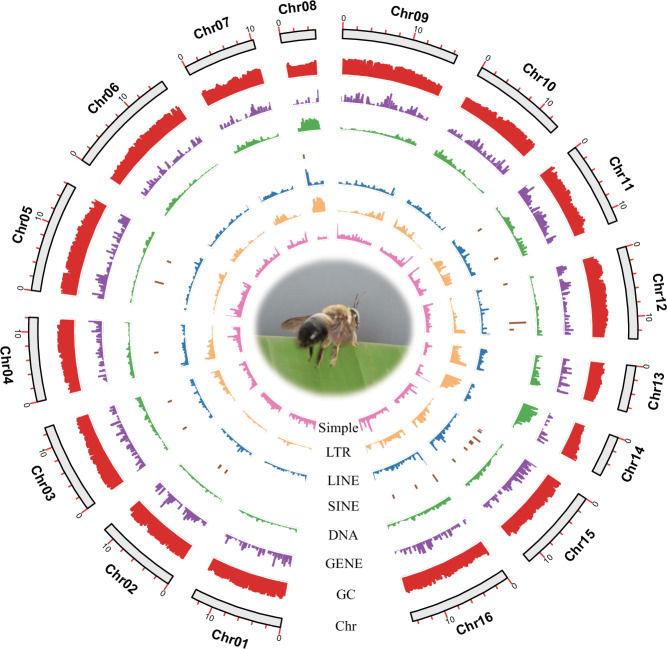 Figure 3
Peer Reviews
No public reviews on file for this paper yet. If you reviewed it on a platform where reviews are public (OpenReview, ICLR, NeurIPS, ICML), you can paste yours below so the community can read it here.
Videos
No videos yet. Explain this paper in a talk, walkthrough, or lecture? Add one.
Taxonomy
TopicsPlant and animal studies · Insect and Arachnid Ecology and Behavior · Insect and Pesticide Research