Explainable attention-enhanced heuristic paradigm for multi-view prognostic risk score development in hepatocellular carcinoma
Anran Liu, Jiang Zhang, Tong Li, Danyang Zheng, Yihong Ling, Lianghe Lu, Yuanpeng Zhang, Jing Cai

TL;DR
This paper introduces a new deep learning method to create interpretable risk scores for liver cancer patients, improving on existing staging systems by identifying high-risk tissues and refining patient stratification.
Contribution
A novel attention-enhanced deep learning paradigm for generating interpretable, multi-view risk scores in hepatocellular carcinoma.
Findings
The Hybrid Deep Score (HDS) achieved hazard ratios of 3.24 and 2.34 in two cohorts for Disease-Free Survival.
HDS integration with clinical staging systems improved risk stratification, identifying high-risk patients within low-risk groups.
The Attention Activator (ATAT) identified key tissue junctions linked to high prognostic risk in HCC patients.
Abstract
Existing prognostic staging systems depend on expensive manual extraction by pathologists, potentially overlooking latent patterns critical for prognosis, or use black-box deep learning models, limiting clinical acceptance. This study introduces a novel deep learning-assisted paradigm that complements existing approaches by generating interpretable, multi-view risk scores to stratify prognostic risk in hepatocellular carcinoma (HCC) patients. 510 HCC patients were enrolled in an internal dataset (SYSUCC) as training and validation cohorts to develop the Hybrid Deep Score (HDS). The Attention Activator (ATAT) was designed to heuristically identify tissues with high prognostic risk, and a multi-view risk-scoring system based on ATAT established HDS from microscopic to macroscopic levels. HDS was also validated on an external testing cohort (TCGA-LIHC) with 341 HCC patients. We assessed…
Genes, proteins, chemicals, diseases, species, mutations and cell lines named across the full text — each resolved to its canonical identifier and authoritative record.
Click any figure to enlarge with its caption.
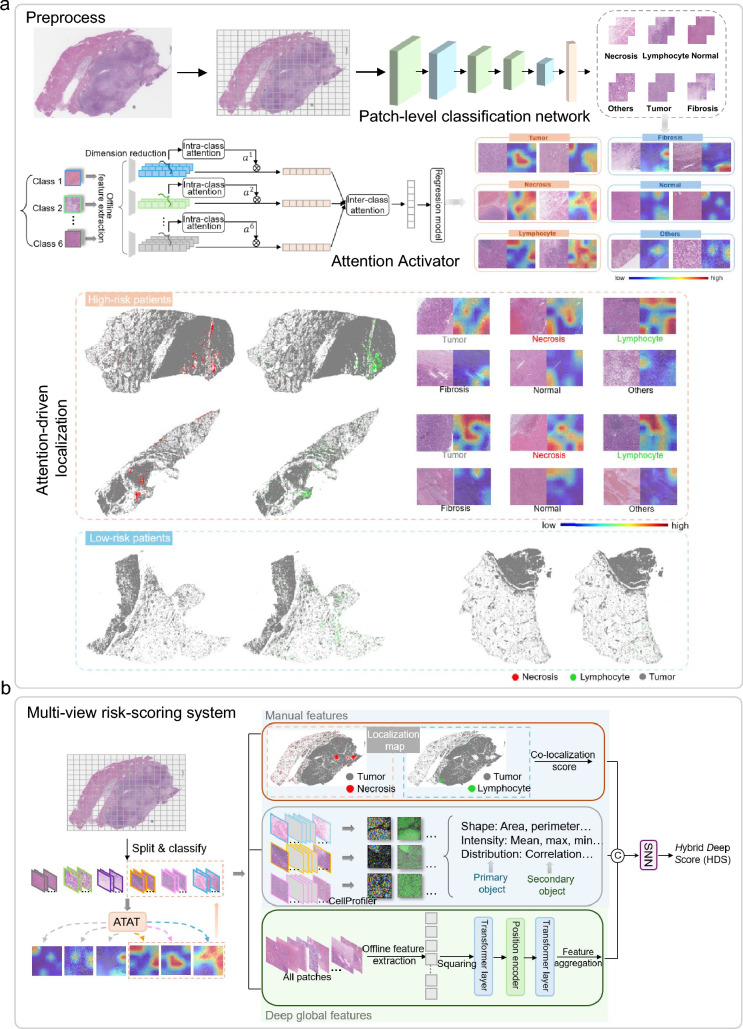 Figure 1
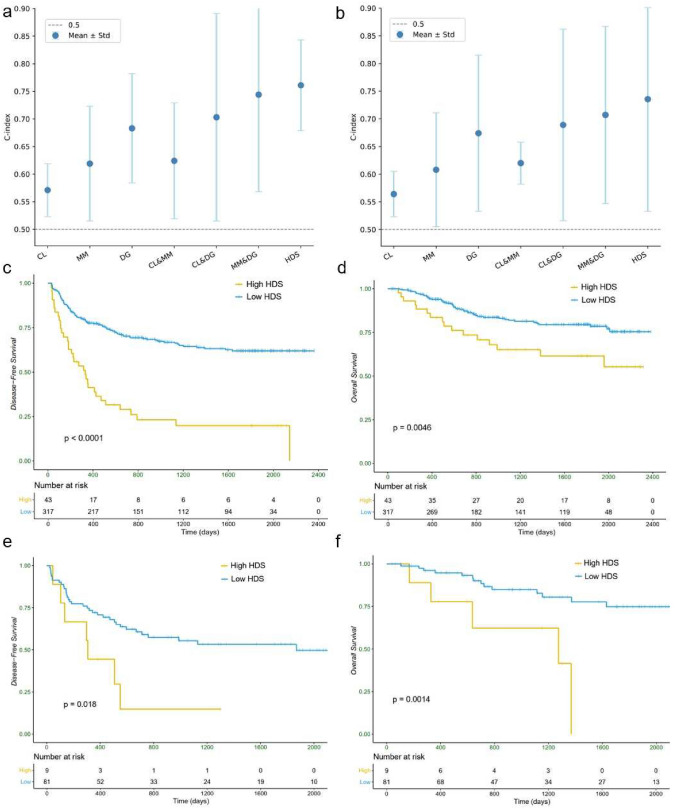 Figure 2
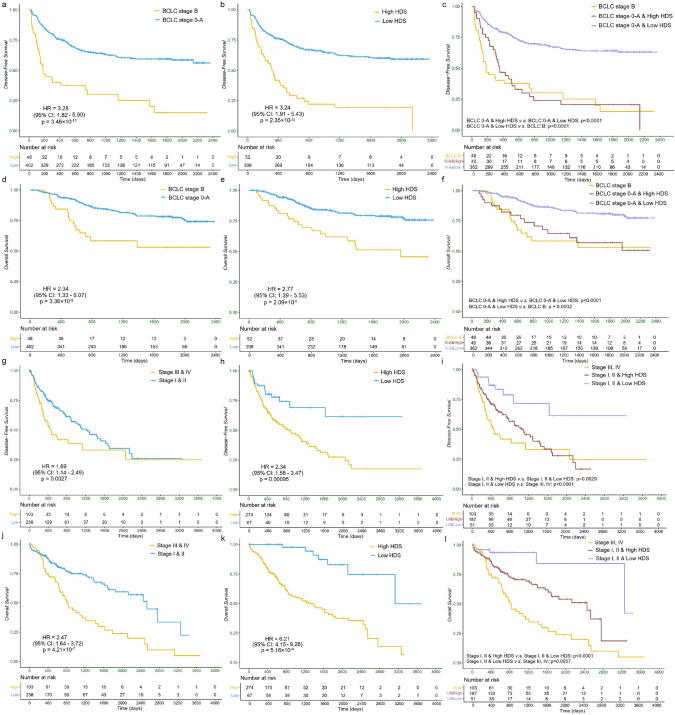 Figure 3
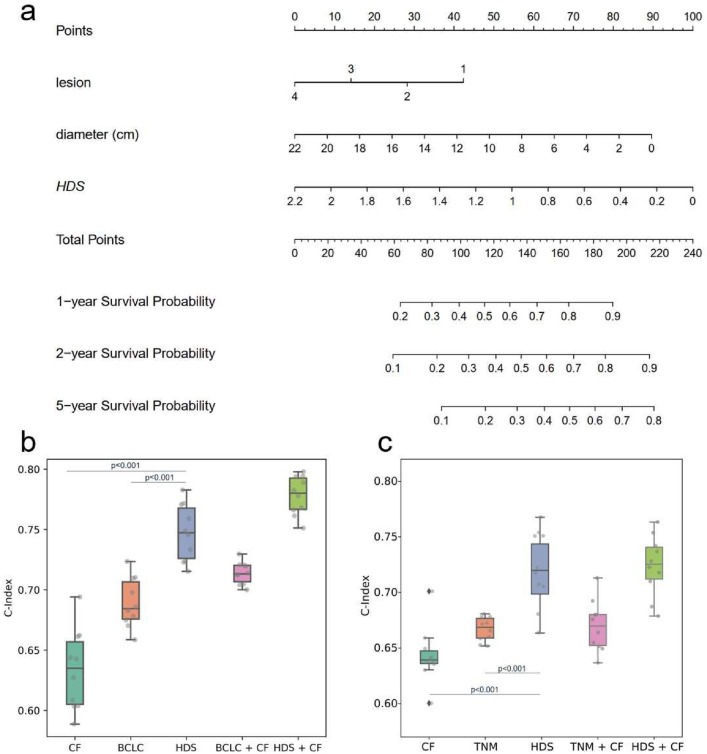 Figure 4
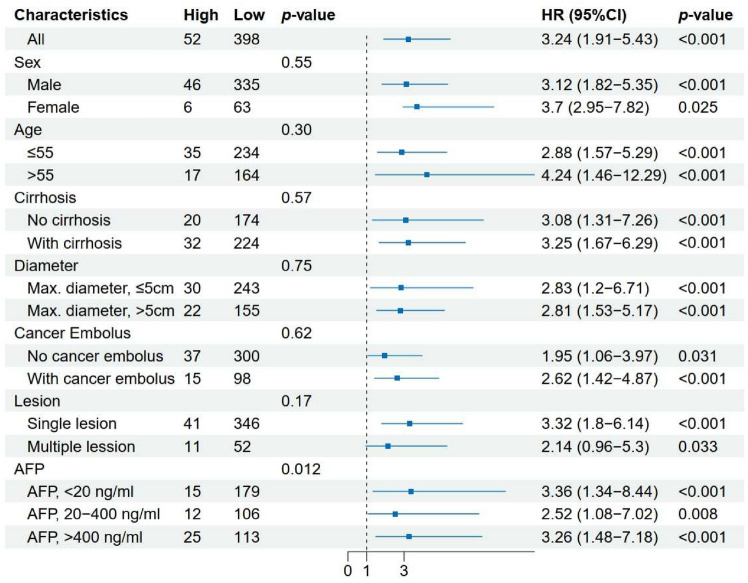 Figure 5
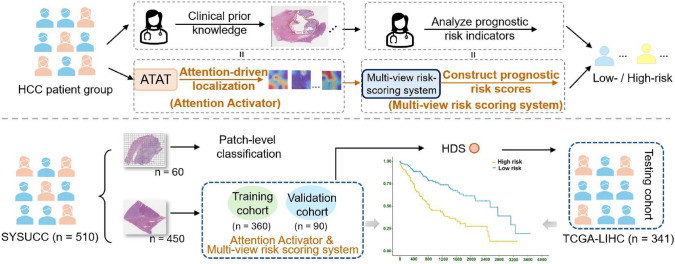 Figure 6
Peer Reviews
No public reviews on file for this paper yet. If you reviewed it on a platform where reviews are public (OpenReview, ICLR, NeurIPS, ICML), you can paste yours below so the community can read it here.
Videos
No videos yet. Explain this paper in a talk, walkthrough, or lecture? Add one.
Taxonomy
TopicsRadiomics and Machine Learning in Medical Imaging · Hepatocellular Carcinoma Treatment and Prognosis · AI in cancer detection