Diurnal variation and practice effects in saccade task performance
Thomas Karantinos, Evi Kotsiou, Panagiota Drouza, Asimakis Mantas, Andrew J. Anderson, Christoph Klein, Nikolaos Smyrnis

TL;DR
This study finds that saccadic eye movement task performance is not affected by the time of day but improves with repeated practice.
Contribution
The study experimentally dissociates diurnal variation effects from practice effects in saccade tasks for the first time.
Findings
Saccadic task performance showed no diurnal variation in accuracy, speed, or stability.
Task repetition significantly improved performance accuracy, speed, and stability.
There was no interaction between diurnal variation and practice effects.
Abstract
Saccadic eye movement tasks have been widely used as a probe for measuring cognitive functions in healthy humans as well as in patients with neurological and psychiatric disorders. Circadian variation has been shown to affect multiple aspects of cognitive function especially executive function related to prefrontal cortex. The effects of diurnal variation in saccadic task performance and the dissociation of these effects from repetition or practice effects has not been adequately addressed. In the current study thirty healthy adults performed several saccadic eye movement tasks including visually guided saccades, antisaccades and countermanding saccades in three consecutive sessions. Participants were divided into three groups, with a different starting time of the sequence of the three sessions across groups (morning or afternoon or evening) to examine the effect of diurnal variation…
Genes, proteins, chemicals, diseases, species, mutations and cell lines named across the full text — each resolved to its canonical identifier and authoritative record.
Click any figure to enlarge with its caption.
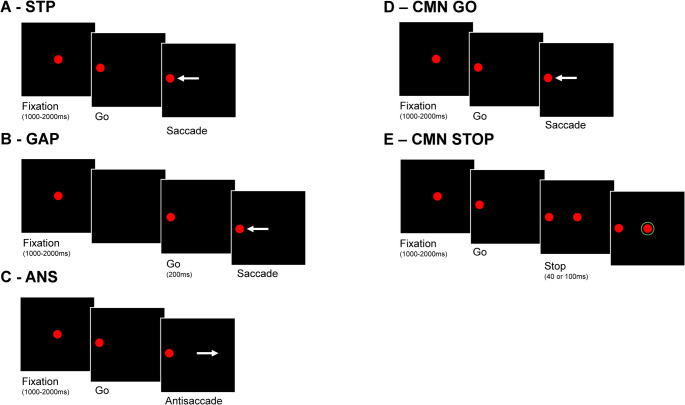 Figure 1
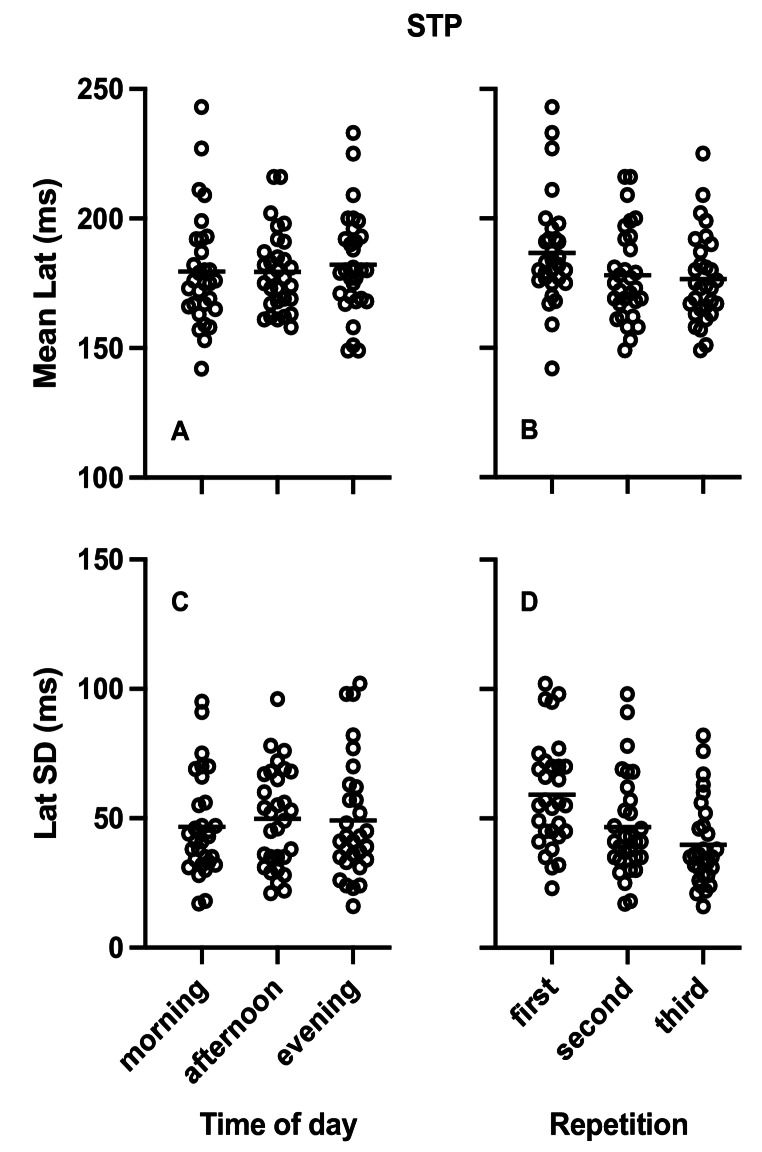 Figure 2
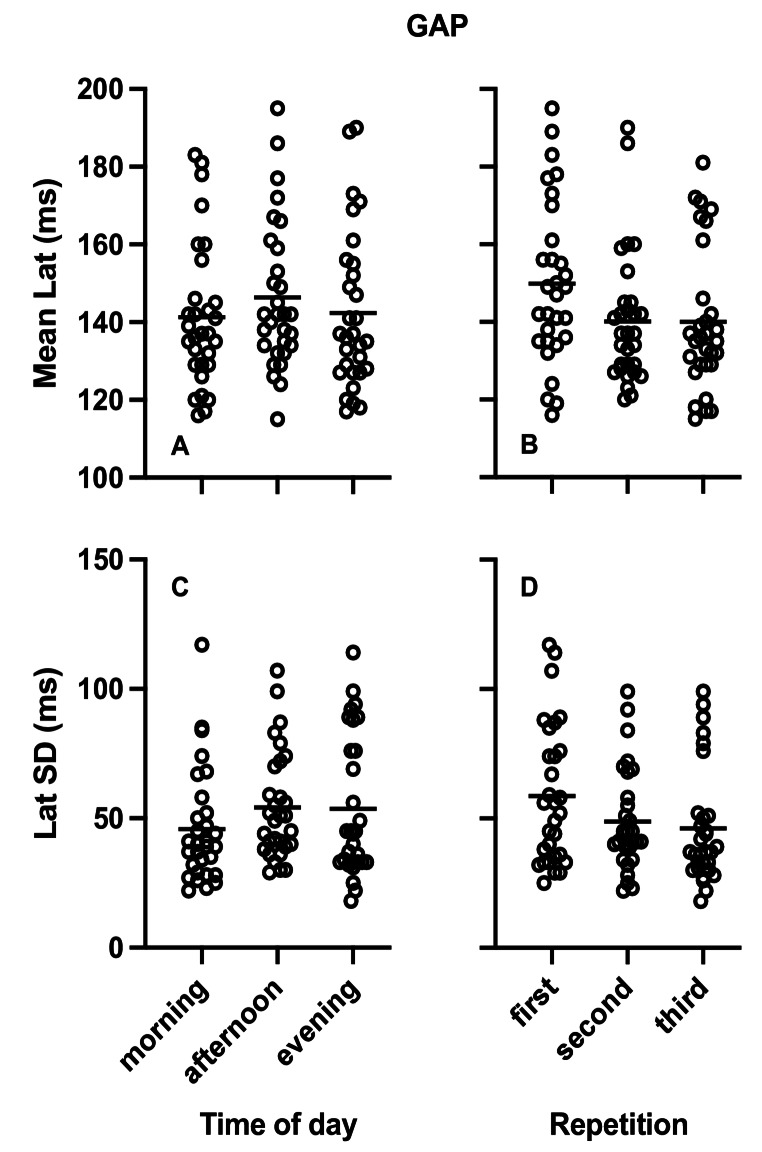 Figure 3
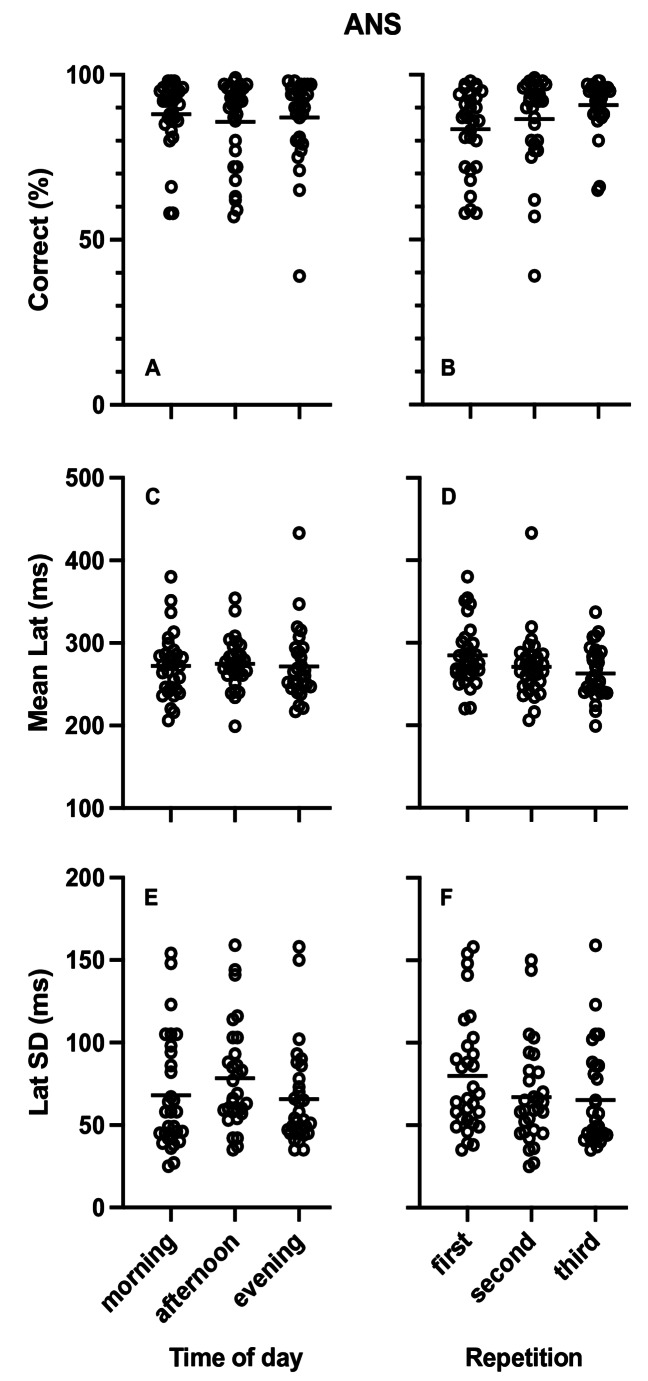 Figure 4
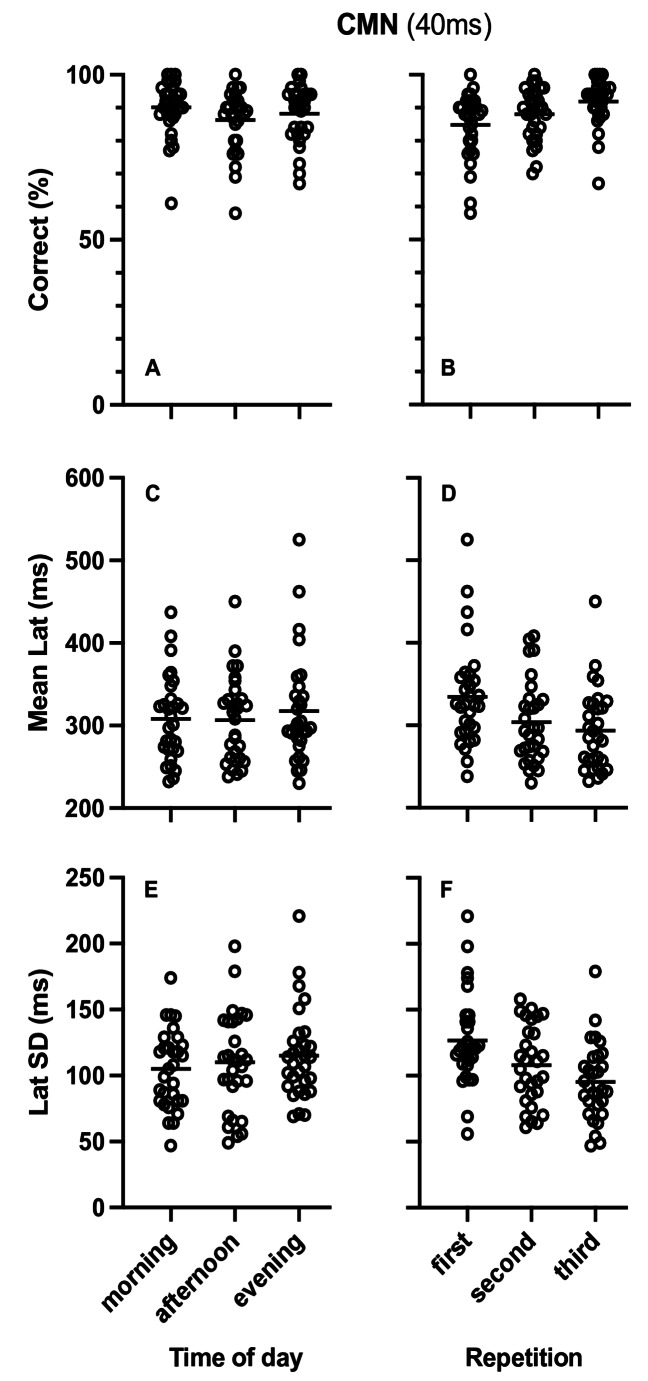 Figure 5
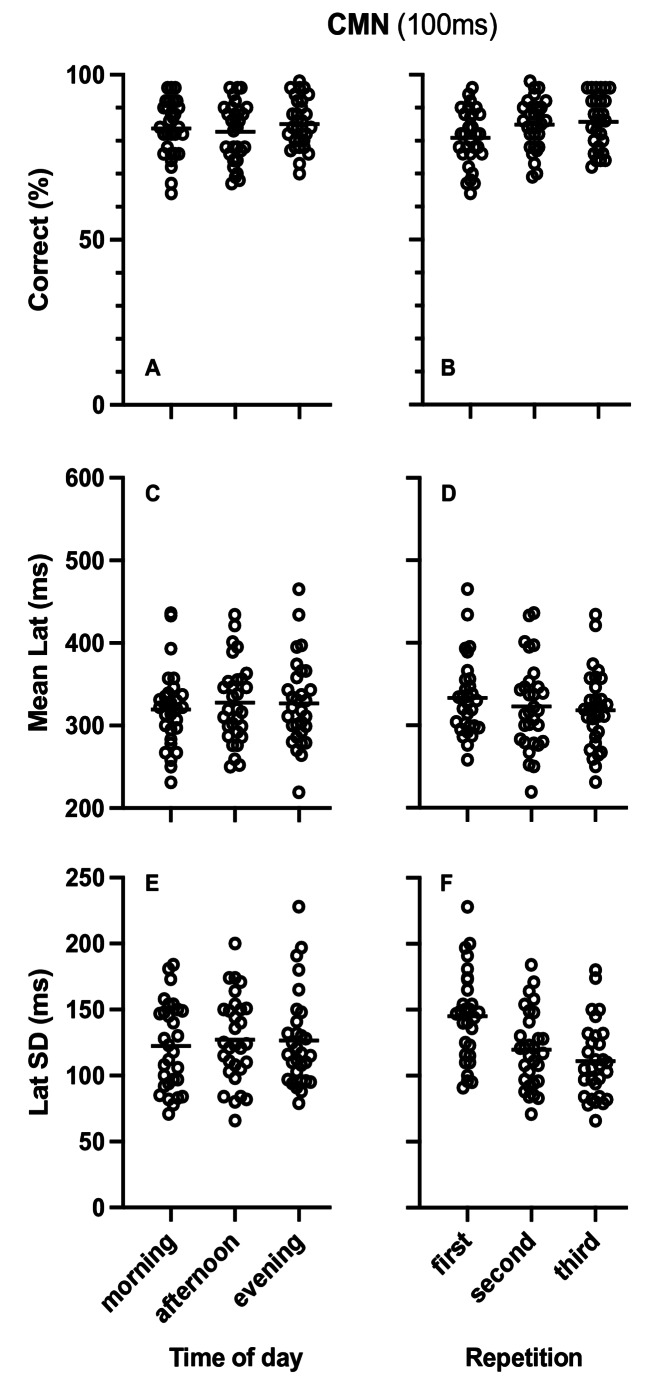 Figure 6
Peer Reviews
No public reviews on file for this paper yet. If you reviewed it on a platform where reviews are public (OpenReview, ICLR, NeurIPS, ICML), you can paste yours below so the community can read it here.
Videos
No videos yet. Explain this paper in a talk, walkthrough, or lecture? Add one.
Taxonomy
TopicsColor perception and design · Motor Control and Adaptation · Human-Automation Interaction and Safety