Digestive anatomy and diet of free-ranging maned wolf (Chrysocyon brachyurus)
Bruno Costa Silva, Luan Alexander de Oliveira, Marcus Clauss, Claudia Guimarães Costa, Leandro de Oliveira Marques Alexandre, María J. Duque-Correa

TL;DR
This study examines the digestive system and diet of wild maned wolves, confirming their omnivorous nature with a mix of animal and plant matter.
Contribution
The study provides new empirical data on the anatomy and diet of free-ranging maned wolves, emphasizing their high fiber intake compared to other omnivorous carnivores.
Findings
Maned wolves consume vertebrates (42.5%) and plant material (50.5%) in their diet.
They ingest higher levels of fiber compared to purely meat-eating carnivores.
One individual consumed anthropogenic materials like rice and ceramic fragments.
Abstract
The maned wolf (Chrysocyon brachyurus) is the largest of the currently extant ten species of South American canids and is a monotypic taxon in the genus Chrysocyon, currently classified as Near Threatened by the IUCN. Here we report the anatomy of the gastrointestinal tract (GIT) of 12 free-ranging maned wolves (10 adults, six females, four males, and two juvenile males), nutritional analyses of the gastrointestinal tract (stomach, small, and large intestine) of eight individuals (six females and two males), and the macroscopical examination of the stomach contents of eight individuals (four adult females, two adult males, and two juvenile males). The general anatomy and the dimensions of the maned wolf`s GIT resembled that of other canids. The results of the dietary analyses reported in this study are similar to previously reported data for the species, confirming its omnivorous…
Genes, proteins, chemicals, diseases, species, mutations and cell lines named across the full text — each resolved to its canonical identifier and authoritative record.
Click any figure to enlarge with its caption.
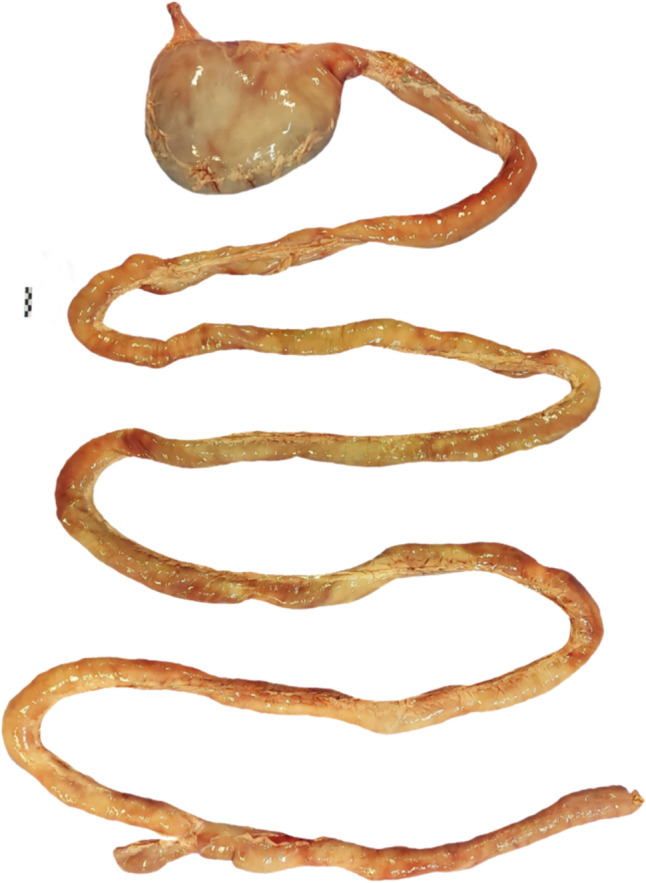 Figure 1
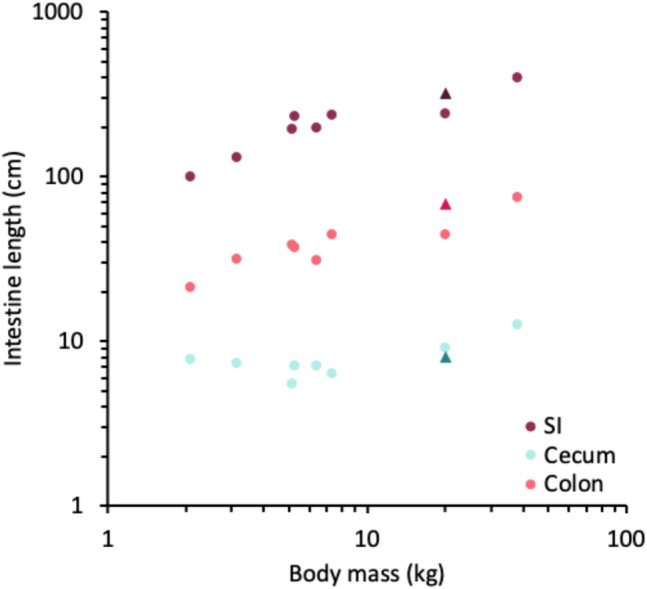 Figure 2
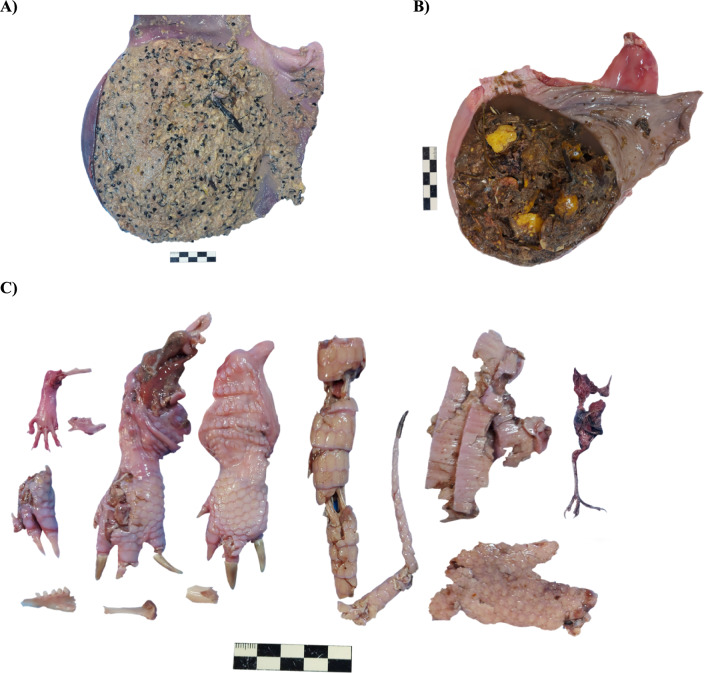 Figure 3
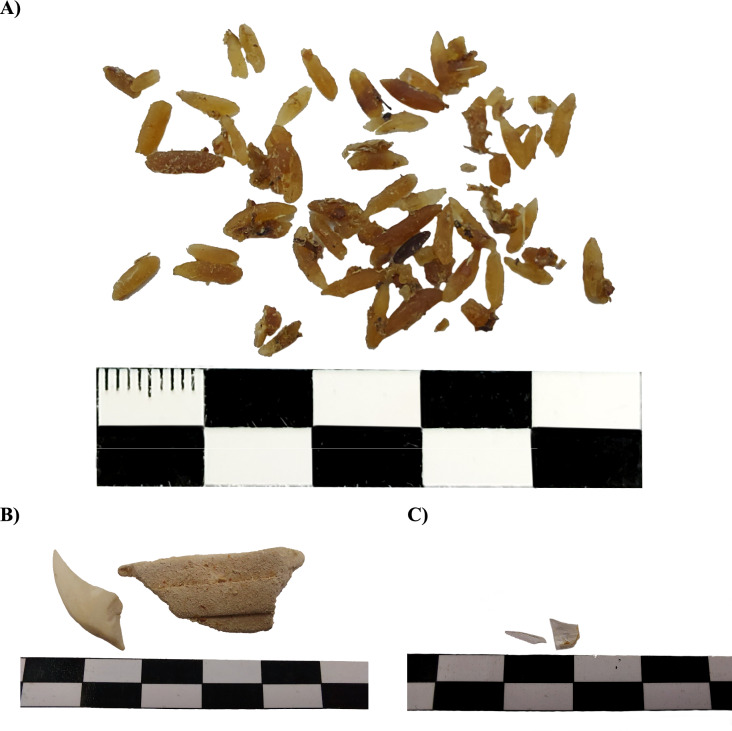 Figure 4
Peer Reviews
No public reviews on file for this paper yet. If you reviewed it on a platform where reviews are public (OpenReview, ICLR, NeurIPS, ICML), you can paste yours below so the community can read it here.
Videos
No videos yet. Explain this paper in a talk, walkthrough, or lecture? Add one.
Taxonomy
TopicsWildlife Ecology and Conservation · Evolution and Paleontology Studies · Bat Biology and Ecology Studies