Characteristics, management and factors associated with poor outcomes in COVID-19 patients in Burkina Faso: insights from a 2021 large-scale ambispective study
Ariane Mamguem Kamga, Samiratou Ouédraogo, Firmin Nongodo Kaboré, Isidore Tiandiogo Traoré, Esperance Ouédraogo, Armel Poda, Arnaud Eric Diendéré, Dramane Kania, Hermann Badolo, Guillaume Sanou, Amariane Koné, Therese Samdapawindé Kagoné, Blahima Konaté, Rachel Médah

TL;DR
This study in Burkina Faso found that age, residence, and comorbidities are linked to worse outcomes in COVID-19 patients.
Contribution
The study provides insights into risk factors for severe outcomes in a West African population.
Findings
Most patients recovered without complications, with only 5.2% experiencing complications and 3.3% dying.
Age, urban residence, and comorbidities were identified as significant predictors of poor outcomes.
The majority of patients were treated with Azithromycin-hydroxychloroquine.
Abstract
To assess treatment and identify predictive factors of worsening in COVID-19 patients. This study was ambispective (both prospective and retrospective) and part of a multidisciplinary, multicenter project designed to generate epidemiological, sociological and anthropological data about the COVID-19 epidemic in Burkina Faso. Medical records of patients admitted for COVID-19 at the hospitals of Ouagadougou and Bobo-Dioulasso from March 2020 to April 2021 were reviewed. To identify predictive factors of severe complications, we used Poisson regression models. In total, 1,511 patients were included, of whom 70% were aged ≤50 years, 59% were men and 97% were living in an urban area. Of the 86% of patients treated, 92.9% of them received the combo Azithromycin-hydroxychloroquine. A total of 78 (5.2%) patients experienced complications during hospitalization, and 49 (3.3%) patients died.…
Genes, proteins, chemicals, diseases, species, mutations and cell lines named across the full text — each resolved to its canonical identifier and authoritative record.
Click any figure to enlarge with its caption.
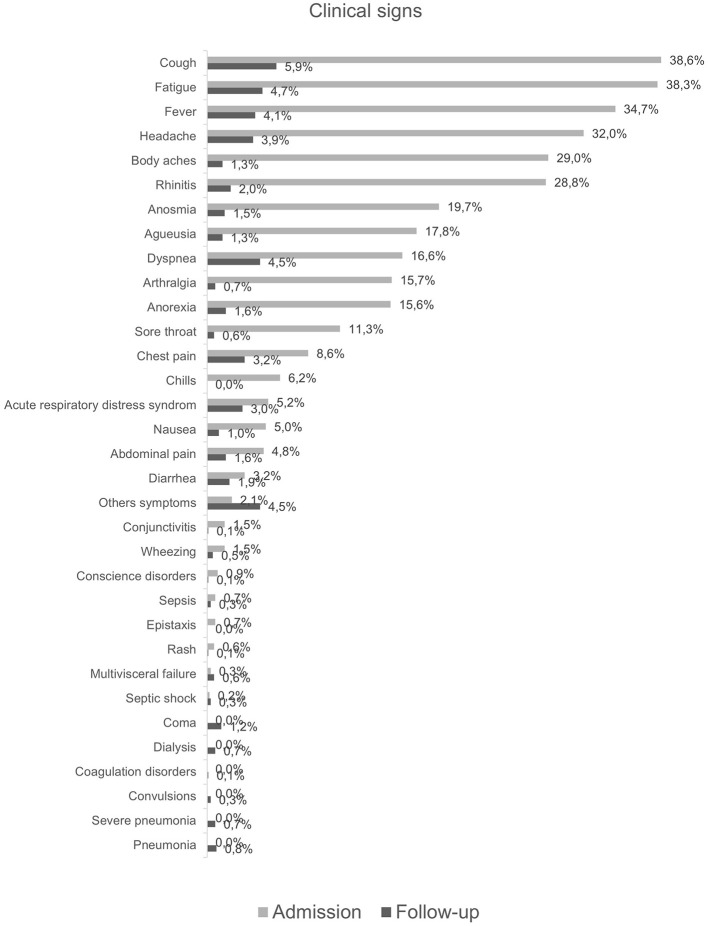 Figure 1
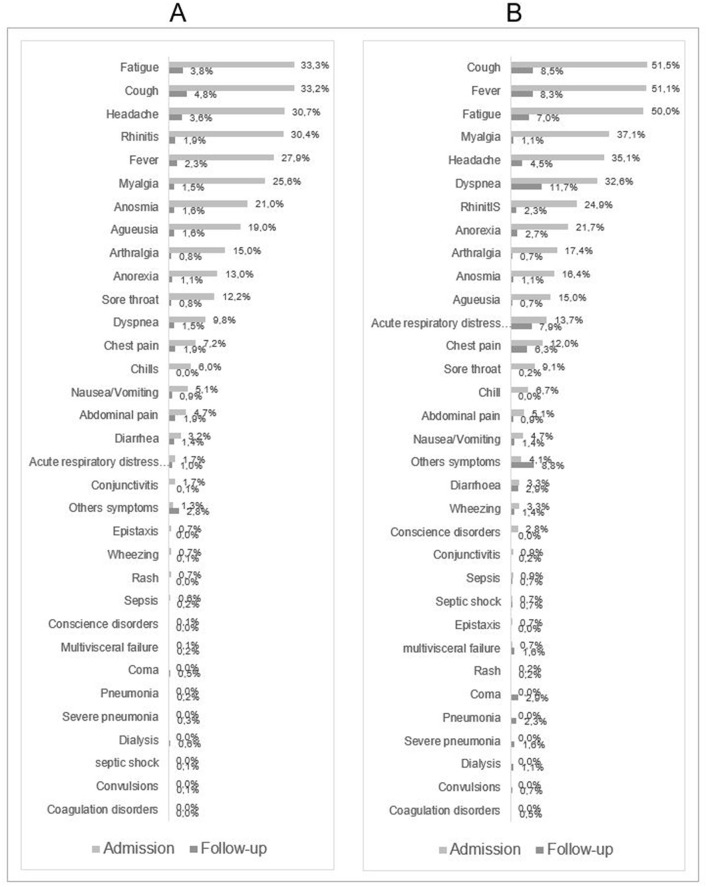 Figure 2
Peer Reviews
No public reviews on file for this paper yet. If you reviewed it on a platform where reviews are public (OpenReview, ICLR, NeurIPS, ICML), you can paste yours below so the community can read it here.
Videos
No videos yet. Explain this paper in a talk, walkthrough, or lecture? Add one.
Taxonomy
TopicsCOVID-19 epidemiological studies · COVID-19 Clinical Research Studies · Long-Term Effects of COVID-19