Arsenic toxicity in the Drosophila brain at single cell resolution
Anurag Chaturvedi, Vijay Shankar, Bibhu Simkhada, Rachel A. Lyman, Patrick Freymuth, Elisabeth Howansky, Katelynne M. Collins, Trudy F. C. Mackay, Robert R. H. Anholt

TL;DR
The study uses fruit flies to explore how arsenic affects brain cells at a detailed level, revealing sex-specific responses and conserved effects in humans.
Contribution
The study introduces a novel approach using Drosophila to analyze arsenic-induced transcriptional responses at single-cell resolution and translates findings to human neurogenetic networks.
Findings
Females survive longer than males after arsenic exposure but show earlier sensorimotor impairment.
Single-nuclei RNA sequencing reveals sex-antagonistic transcriptional responses with distinct cell-type biases.
Arsenic-induced gene expression changes in Drosophila are translatable to human neurogenetic networks.
Abstract
Arsenic is an ubiquitous environmental toxicant with harmful physiological effects, including neurotoxicity. Modulation of arsenic-induced gene expression in the brain cannot be readily studied in human subjects. However, Drosophila allows quantification of transcriptional responses to neurotoxins at single cell resolution across the entire brain in a single analysis. We exposed Drosophila melanogaster to a chronic dose of NaAsO2 that does not cause rapid lethality and measured survival and negative geotaxis as a proxy of sensorimotor integration. Females survive longer than males but show earlier physiological impairment in climbing ability. Single-nuclei RNA sequencing showed widespread sex-antagonistic transcriptional responses with modulation of gene expression in females biased toward neuronal cell populations and in males toward glial cells. However, differentially expressed genes…
Genes, proteins, chemicals, diseases, species, mutations and cell lines named across the full text — each resolved to its canonical identifier and authoritative record.
Click any figure to enlarge with its caption.
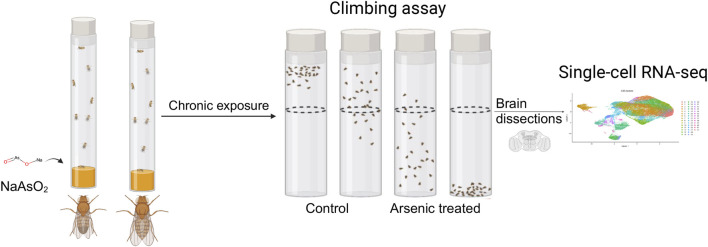 Figure 1
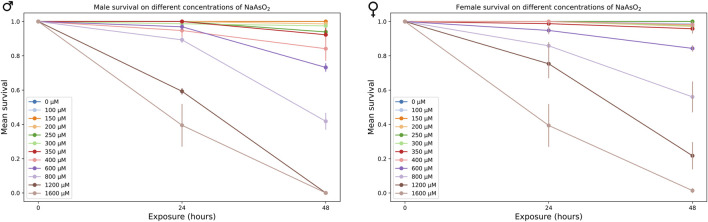 Figure 2
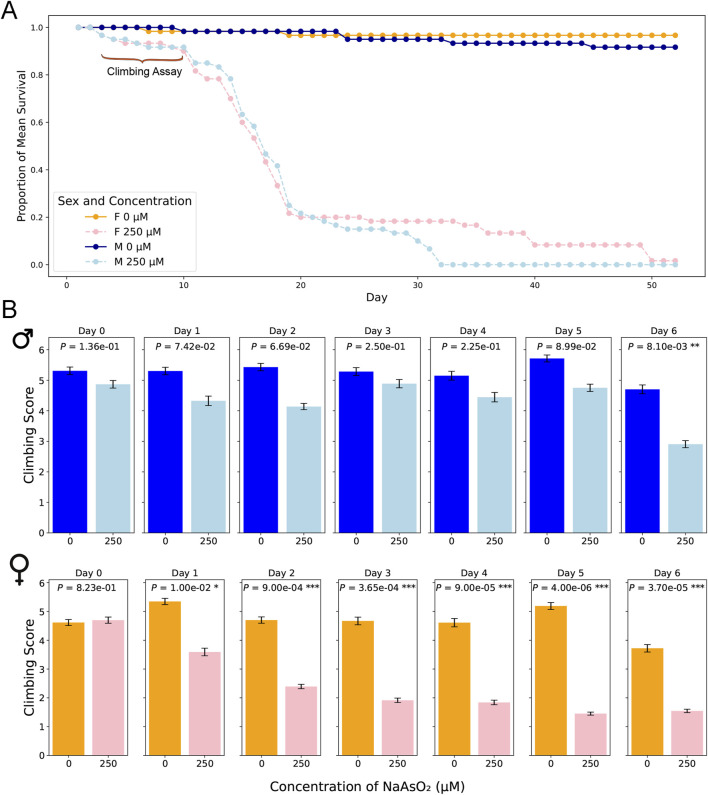 Figure 3
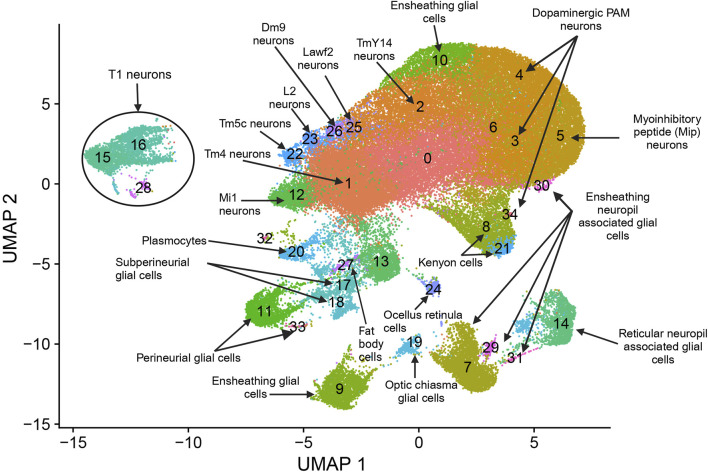 Figure 4
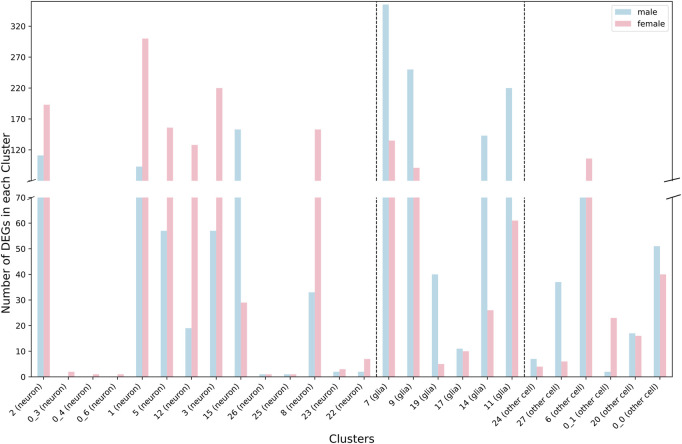 Figure 5
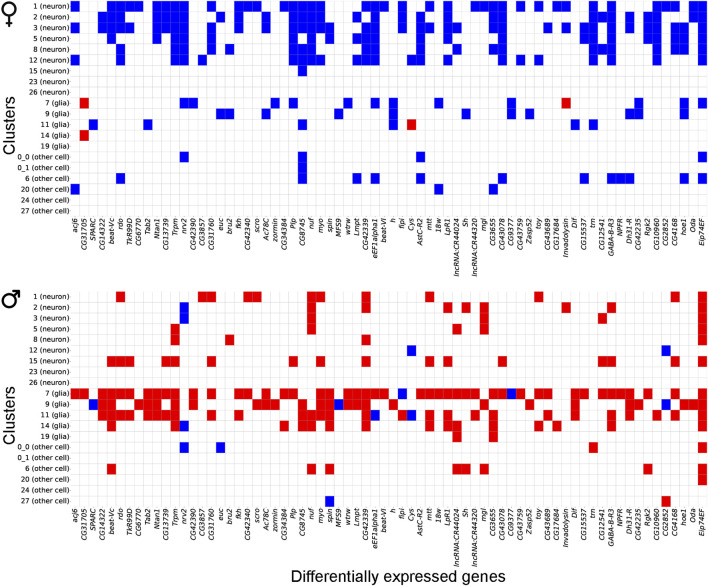 Figure 6
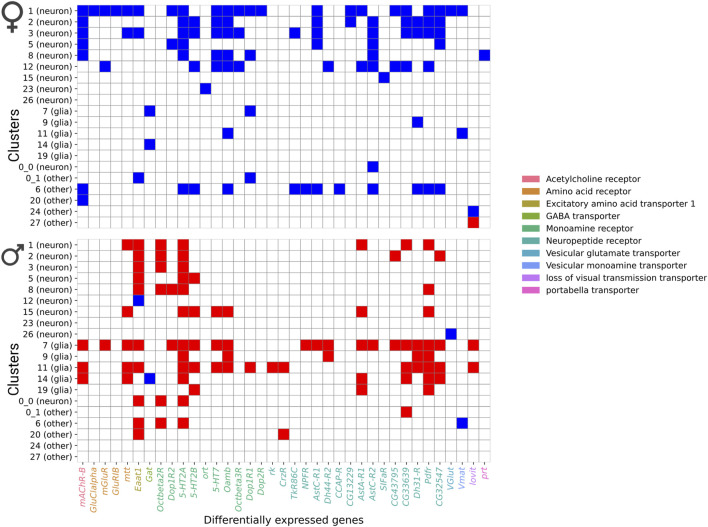 Figure 7
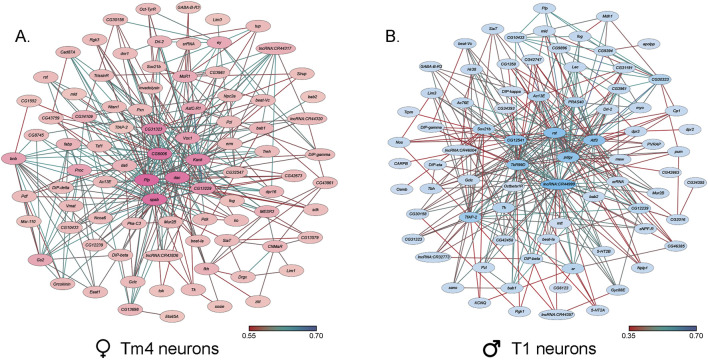 Figure 8
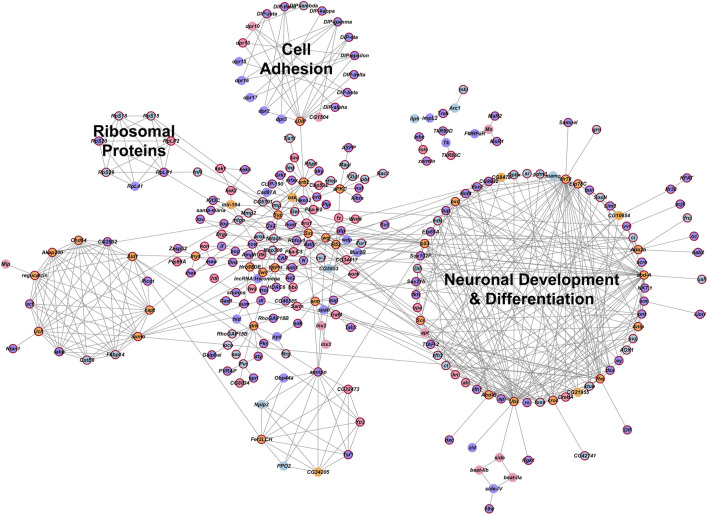 Figure 9
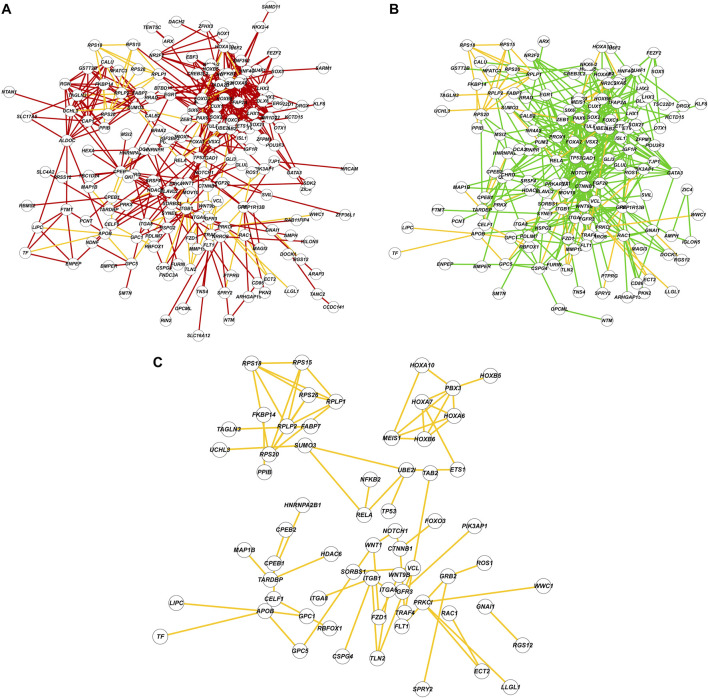 Figure 10
Peer Reviews
No public reviews on file for this paper yet. If you reviewed it on a platform where reviews are public (OpenReview, ICLR, NeurIPS, ICML), you can paste yours below so the community can read it here.
Videos
No videos yet. Explain this paper in a talk, walkthrough, or lecture? Add one.
Taxonomy
TopicsSingle-cell and spatial transcriptomics · bioluminescence and chemiluminescence research · Electrochemical Analysis and Applications