Phenylalanine modulates casein synthesis in bovine mammary epithelial cells by influencing amino acid transport and protein synthesis pathways
Yuanyuan Xing, Yixuan Luo, Mei Sun, Jing Yang, Shaoxiong Lin, Xiaojia Mu, Xiaoyu Niu, Dabiao Li, Yuanyuan Liu

TL;DR
Phenylalanine at 0.14 mM boosts milk protein production in cow mammary cells by improving amino acid transport and activating key protein synthesis pathways.
Contribution
This study reveals how phenylalanine concentration affects amino acid transport and protein synthesis in bovine mammary cells.
Findings
Casein synthesis peaks at 0.14 mM phenylalanine with upregulated amino acid transporters and increased uptake of specific amino acids.
High phenylalanine concentrations (0.56 mM) reduce amino acid transporter expression and utilization efficiency.
Phenylalanine hydroxylase activity is inhibited at low concentrations but enhanced at higher ones, affecting tyrosine conversion and uptake.
Abstract
The efficiency of phenylalanine (Phe) utilization for milk protein synthesis in dairy cows is limited, and its uptake and metabolic mechanisms in the mammary tissue remaining unclear. This study investigated the effects of Phe availability (0.07, 0.14, 0.28, and 0.56 mM) on amino acid metabolism and casein synthesis in bovine mammary epithelial cells (BMECs) cultured for 24 h. Results showed that αS1-casein, β-casein, and κ-casein expression peaked at 0.14 mM Phe (p < 0.05). At this optimal concentration, amino acid transporters (SLC7A5, SLC7A8, and SLC38A2) were upregulated, corresponding with enhanced uptake of Met, Ile, His, and Arg (p < 0.05). The mammalian target of rapamycin (mTOR) signaling pathway was activated as evidenced by increased phosphorylation of P70 S6 kinase (P70S6K) and mTOR (p < 0.05), while the general control nonderepressible 2 (GCN2) pathway was suppressed…
Genes, proteins, chemicals, diseases, species, mutations and cell lines named across the full text — each resolved to its canonical identifier and authoritative record.
Click any figure to enlarge with its caption.
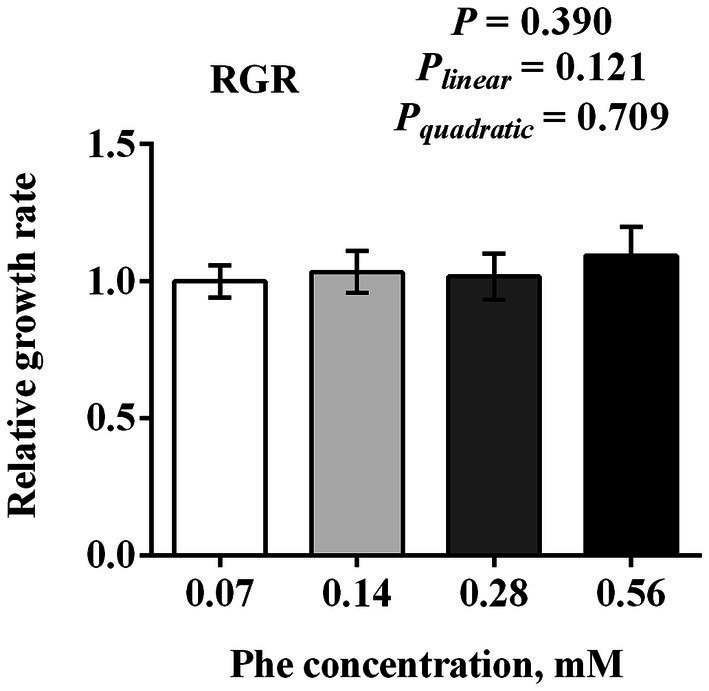 Figure 1
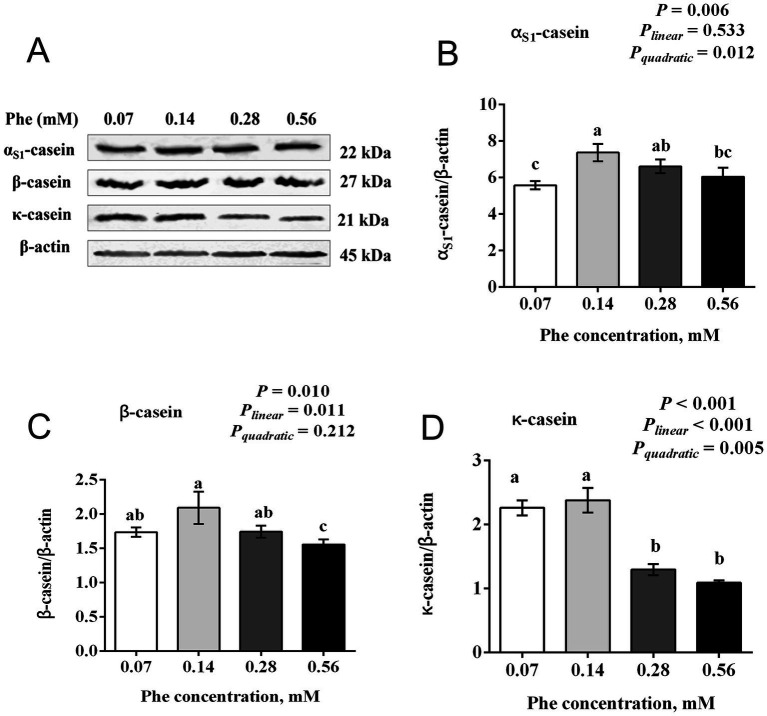 Figure 2
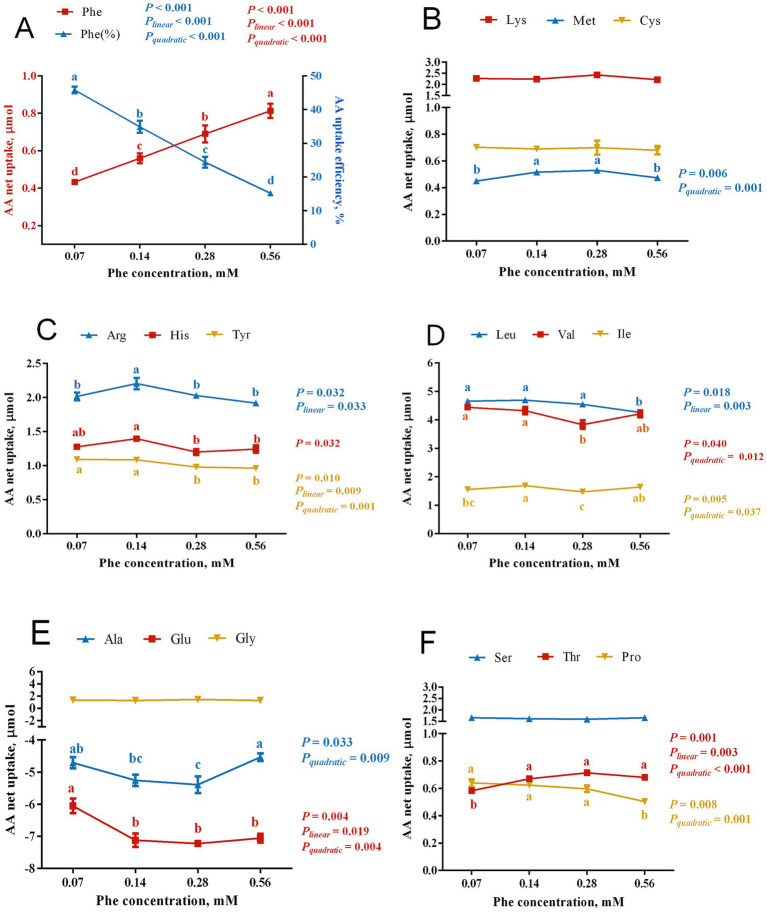 Figure 3
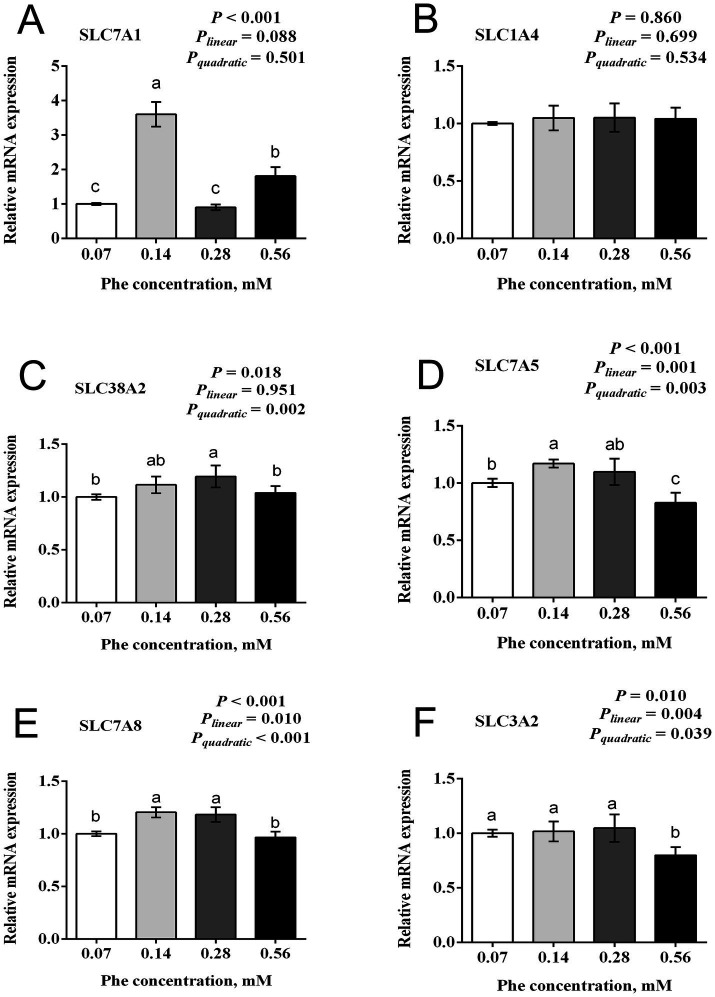 Figure 4
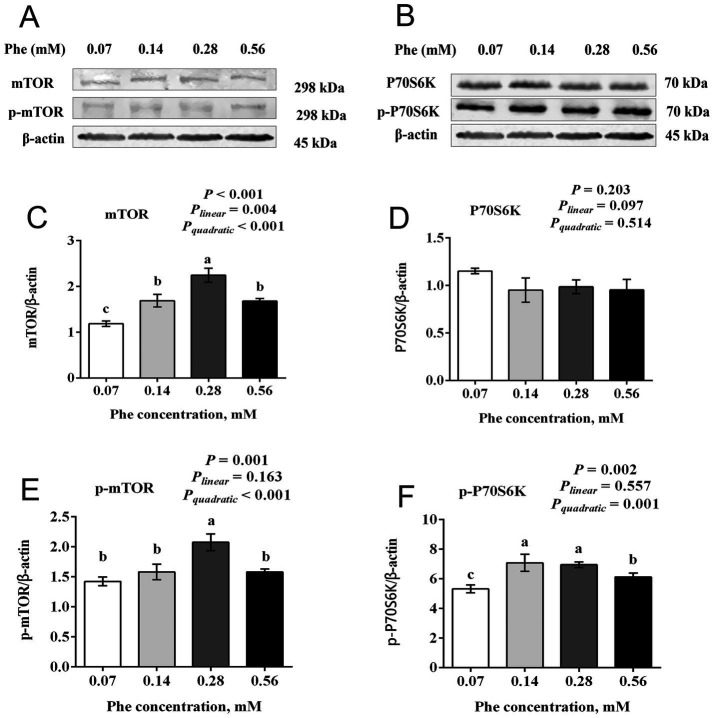 Figure 5
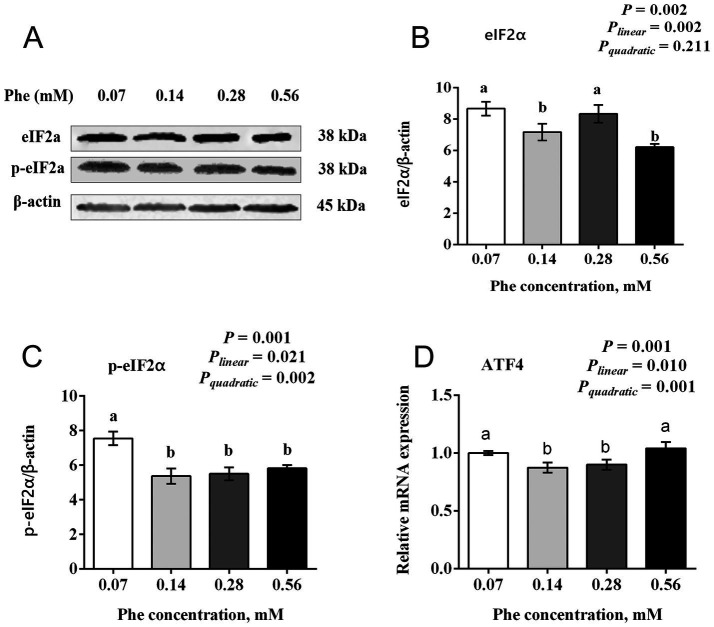 Figure 6
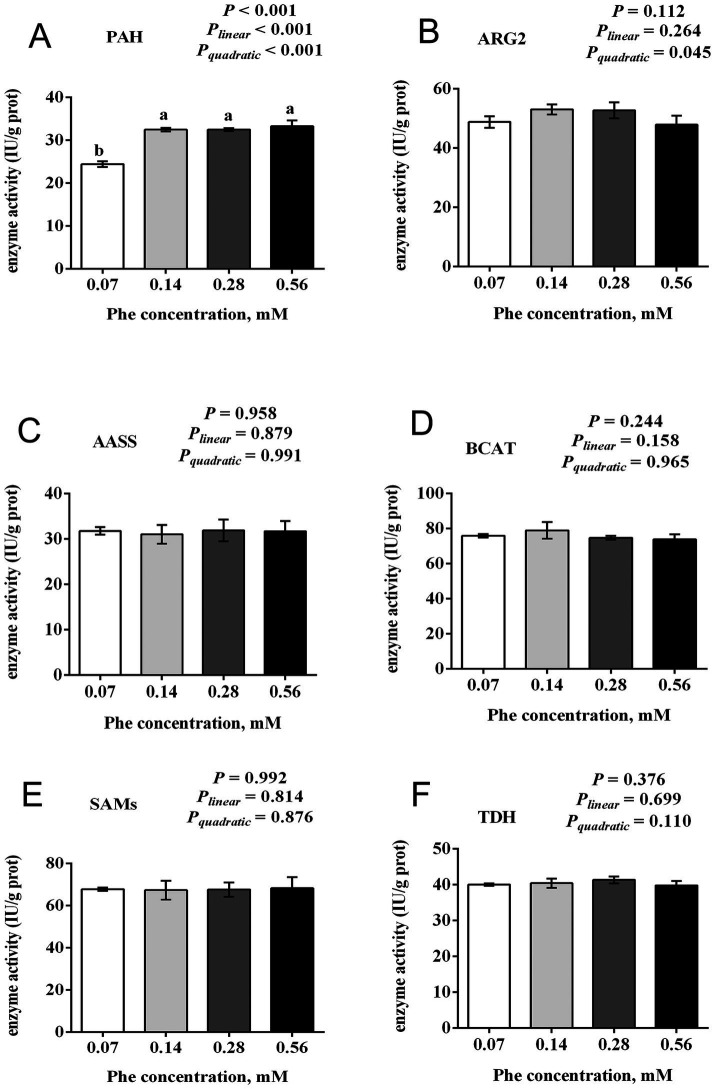 Figure 7
Peer Reviews
No public reviews on file for this paper yet. If you reviewed it on a platform where reviews are public (OpenReview, ICLR, NeurIPS, ICML), you can paste yours below so the community can read it here.
Videos
No videos yet. Explain this paper in a talk, walkthrough, or lecture? Add one.
Taxonomy
TopicsProtein Hydrolysis and Bioactive Peptides · Probiotics and Fermented Foods · Polyamine Metabolism and Applications