High Glucose Promotes the Ferroptosis and Dysfunction of Endothelial Cells by Downregulating SLC3A2 and Promoting the Development of Nephropathy
Yingying Ji, Qi Wang, Jun Wang, Qi Zhang, Ying Jiang, Peipei Luan

TL;DR
High glucose causes endothelial cell dysfunction and ferroptosis, contributing to diabetic nephropathy, with SLC3A2 identified as a key regulator.
Contribution
Identifies SLC3A2 as a novel regulator linking high glucose, ferroptosis, and diabetic nephropathy.
Findings
High glucose exposure leads to endothelial dysfunction, ENDMT, and ferroptosis activation.
Reduced SLC3A2 expression correlates with increased inflammation, fibrosis, and ferroptosis.
A STAT1 inhibitor and antiferroptosis drug like fludarabine show potential in alleviating endothelial dysfunction.
Abstract
Background: Diabetic nephropathy, a leading cause of end-stage renal disease, is a major health concern. Its early-stage signs are unclear. Endothelial dysfunction, an early indicator, is suitable for early detection and intervention. However, current treatments mainly focus on glycemic and blood pressure control, lacking specific methods for targeting this dysfunction. Method: We reanalyzed GSE13535 dataset, which has single-cell RNA-seq of high-glucose-exposed endothelial cells. HUVECs were cultured in high-glucose and TNF-α. We conducted RNA extraction, qPCR, western blotting, iron measurement, TUNEL assay, and bioinformatics analysis. An antiferroptosis drug was used in STZ-treated diabetic mice. Results: Single-cell RNA-seq showed early endothelial cell dysfunction, along with ENDMT, cytokine release, and ferroptosis activation. SLC3A2 was identified as a key; its reduced…
Genes, proteins, chemicals, diseases, species, mutations and cell lines named across the full text — each resolved to its canonical identifier and authoritative record.
Click any figure to enlarge with its caption.
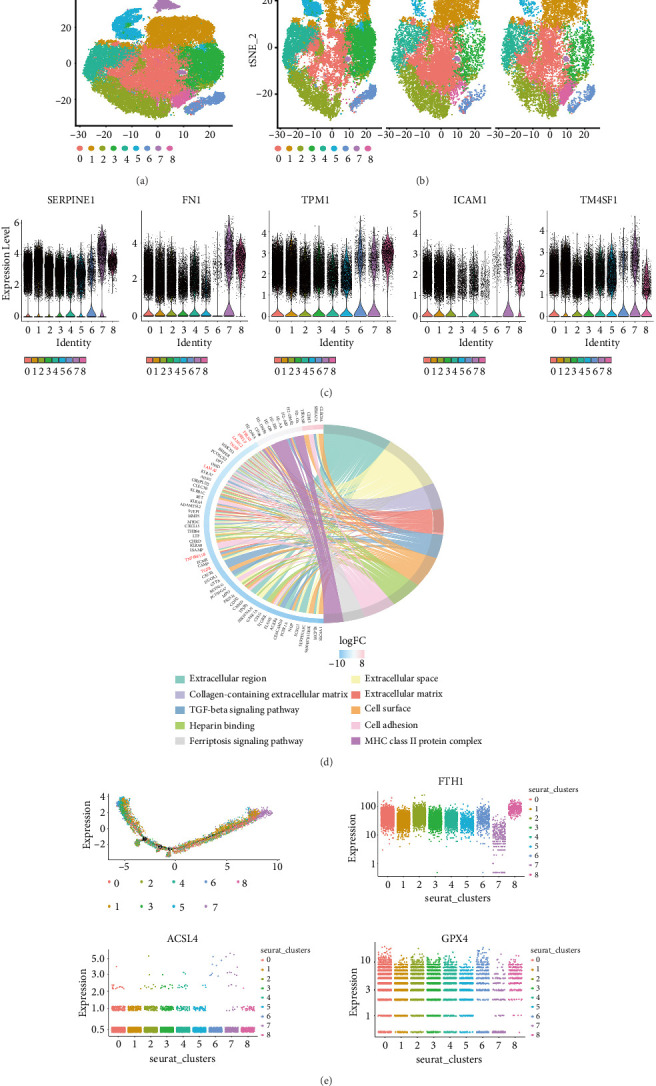 Figure 1
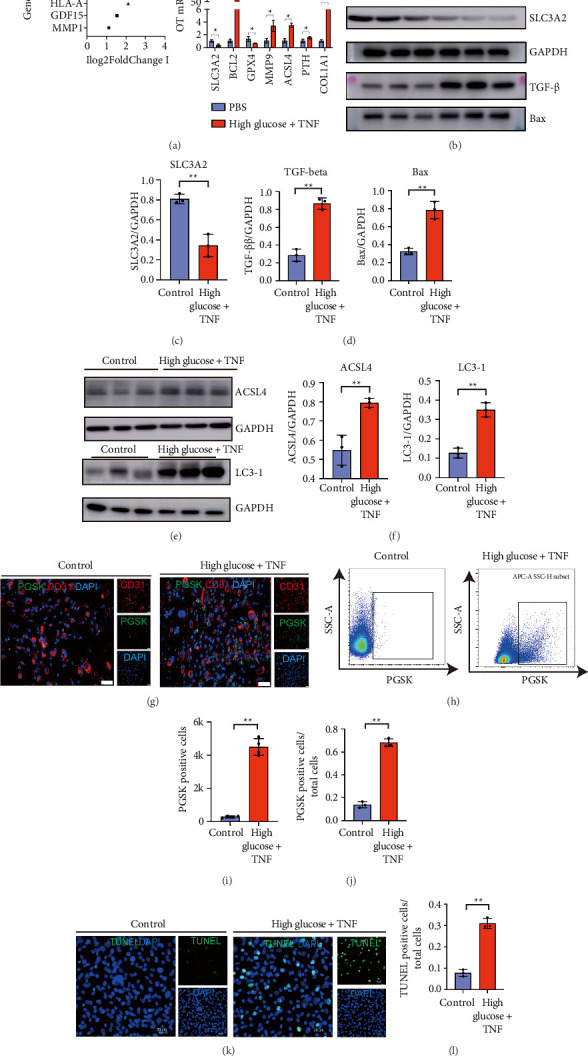 Figure 2
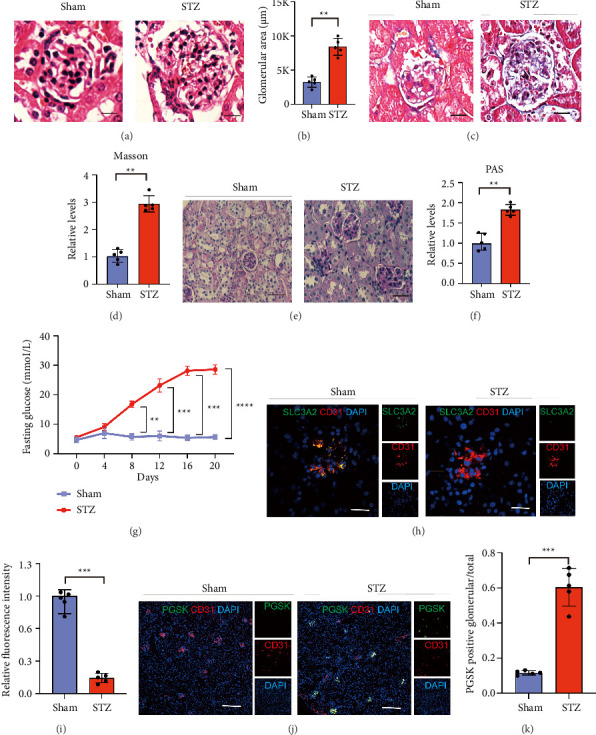 Figure 3
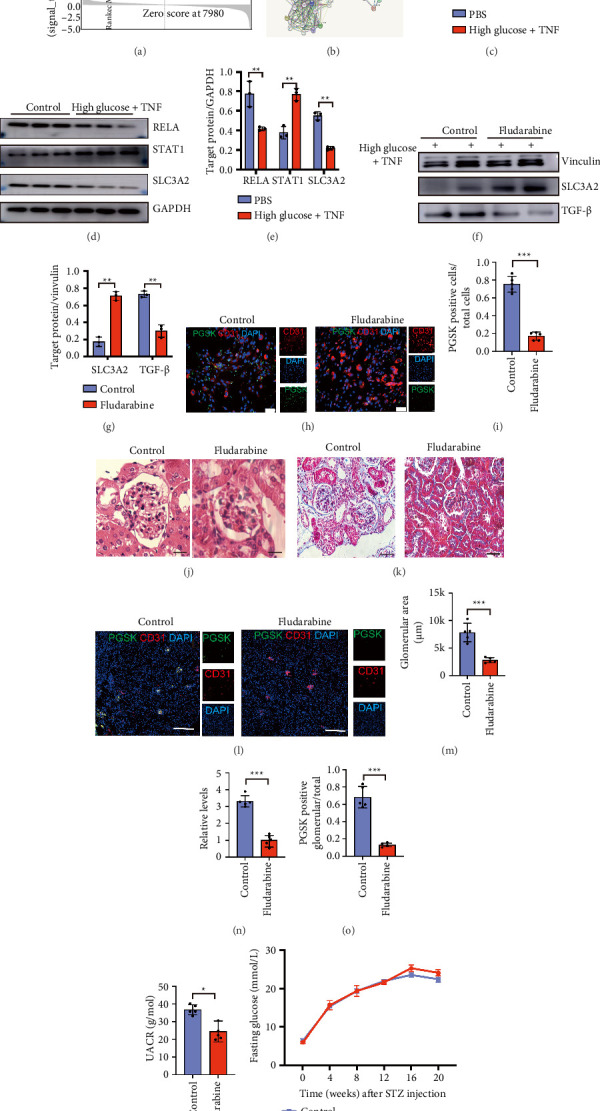 Figure 4
Peer Reviews
No public reviews on file for this paper yet. If you reviewed it on a platform where reviews are public (OpenReview, ICLR, NeurIPS, ICML), you can paste yours below so the community can read it here.
Videos
No videos yet. Explain this paper in a talk, walkthrough, or lecture? Add one.
Taxonomy
TopicsFerroptosis and cancer prognosis · Single-cell and spatial transcriptomics · Cancer-related molecular mechanisms research