Butylated Hydroxyanisole (BHA) Disrupts Brain Signalling in Embryo–Larval Stage of Zebrafish Leading to Attention Deficit Hyperactivity Disorder (ADHD)
Kandhasamy Veshaal, Ramasamy Vasantharekha, Usha Rani Balu, Mahesh Vallabi Aayush, Saheshnu Sai Balaji Pillai, Winkins Santosh, Barathi Seetharaman

TL;DR
This study shows that BHA, a common preservative, harms zebrafish embryos and larvae, causing ADHD-like symptoms through disrupted brain signaling and oxidative stress.
Contribution
The study reveals BHA's impact on zebrafish brain development and behavior, linking it to ADHD-like effects at low concentrations.
Findings
BHA exposure caused developmental deformities and reduced hatching and heart rates in zebrafish embryos.
BHA led to increased apoptosis and oxidative stress, with reduced antioxidant enzyme activity in larvae.
BHA decreased AChE activity, serotonin levels, and gene expression of DRD4, COMT, 5-HTR1aa, and BDNF, causing anxiety and memory impairment.
Abstract
Background: Butylated hydroxyanisole (BHA) has been extensively used in several commercial industries as a preservative. It causes severe cellular and neurological damage affecting the developing fetus and might induce attention deficit hyperactivity disorder (ADHD). Methods: Zebrafish embryos were subjected to five distinct doses of BHA—0.5, 1, 2, 4, and 8 ppb up to 96 h post fertilization (hpf). Hatching rate, heart rate, and body malformations were assessed at 48 hpf, 72 hpf, and 48–96 hpf, respectively. After exposure, apoptotic activity, neurobehavioral evaluation, neurotransmitter assay, and antioxidant activity were assessed at 96 hpf. At 120 hpf, the expression of genes DRD4, COMT, 5-HTR1aa, and BDNF was evaluated by real-time PCR. Results: BHA exposure showed a delay in the hatching rate and a decrease in the heart rate of the embryo when compared with the control. Larvae…
Genes, proteins, chemicals, diseases, species, mutations and cell lines named across the full text — each resolved to its canonical identifier and authoritative record.
Click any figure to enlarge with its caption.
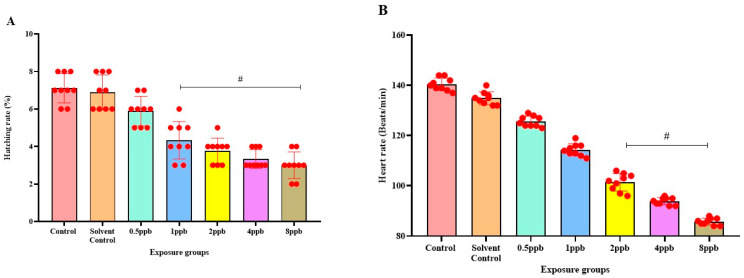 Figure 1
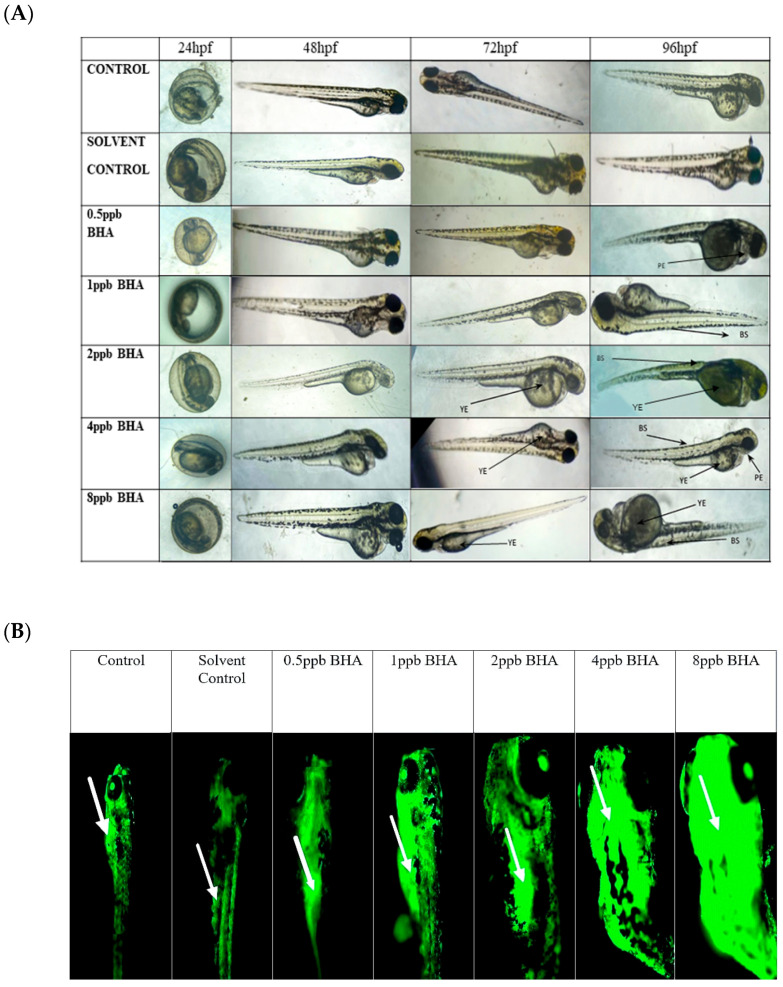 Figure 2
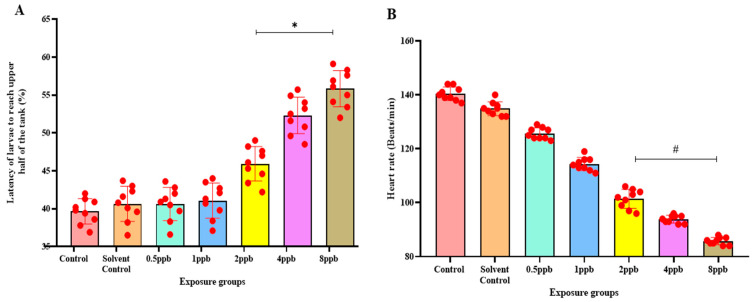 Figure 3
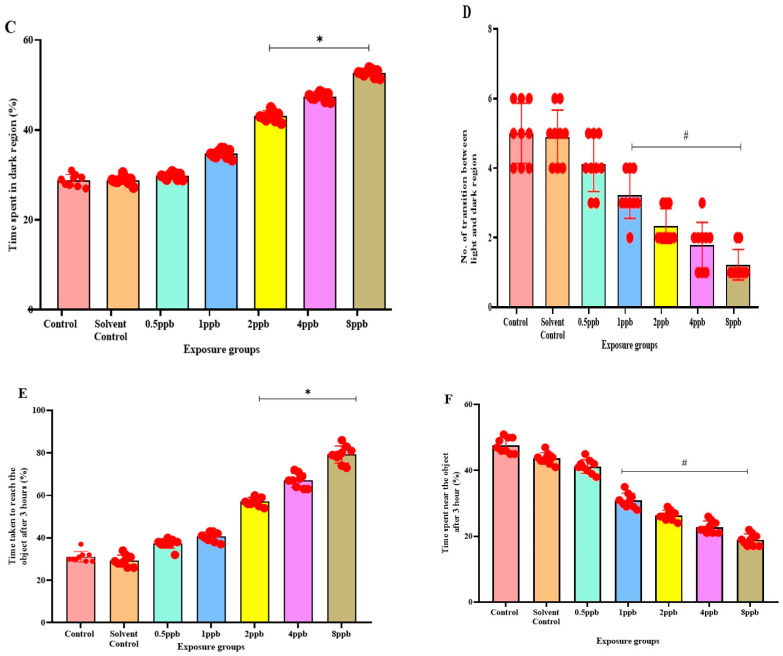 Figure 4
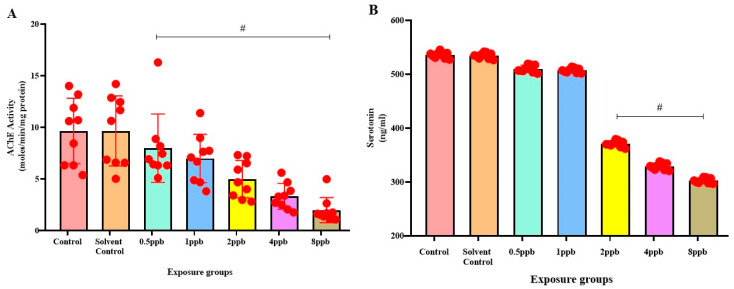 Figure 5
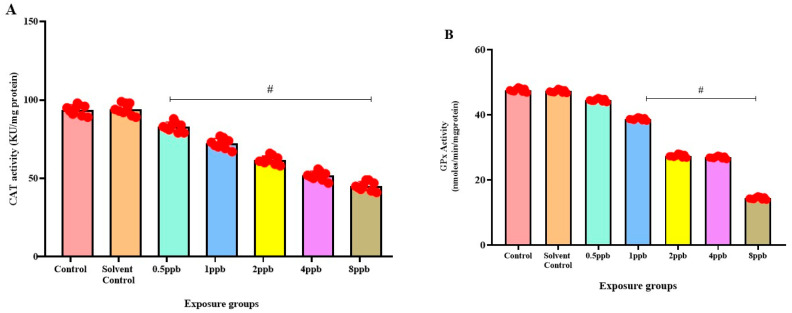 Figure 6
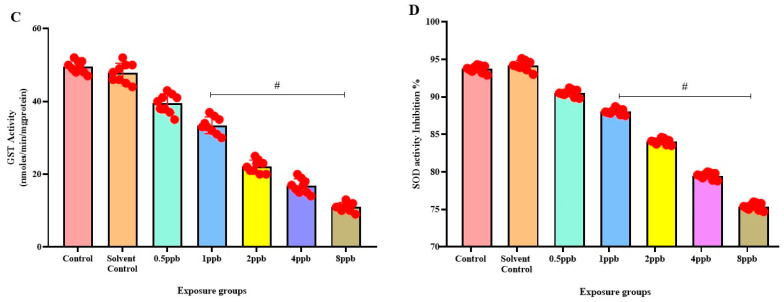 Figure 7
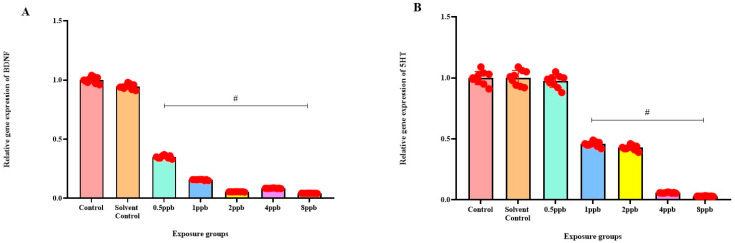 Figure 8
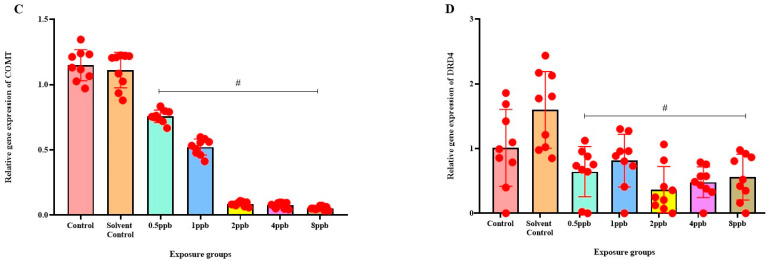 Figure 9
Peer Reviews
No public reviews on file for this paper yet. If you reviewed it on a platform where reviews are public (OpenReview, ICLR, NeurIPS, ICML), you can paste yours below so the community can read it here.
Videos
No videos yet. Explain this paper in a talk, walkthrough, or lecture? Add one.
Taxonomy
TopicsAttention Deficit Hyperactivity Disorder · Zebrafish Biomedical Research Applications · Retinopathy of Prematurity Studies