Next-Generation Protein–Ligand Interaction Networks: APEX as a Powerful Technology
José Miguel Quintero-Ferrer, Lucas Silva de Oliveira, Paula Marian Vieira Goulart, Thiago Albuquerque Souza Campos, Coralie Martin, Philippe Grellier, Izabela Marques Dourado Bastos, Sébastien Charneau

TL;DR
This paper reviews APEX, a powerful peroxidase tool for studying protein interactions in living cells with high precision.
Contribution
The paper provides a comprehensive overview of APEX's evolution and its novel applications in mapping biological interactions.
Findings
APEX enables high-resolution mapping of protein–ligand interactions in living cells.
Genetic engineering has enhanced APEX's utility for proteomic and transcriptomic studies.
Recent innovations in substrates expand APEX's applicability in biological research.
Abstract
Peroxidases are essential enzymes that catalyze redox reactions, with wide-ranging biological implications. Among these, an enhanced ascorbate peroxidase (APEX) has emerged as a valuable tool for studying intricate intracellular events with spatiotemporal precision, particularly in protein–protein, protein–RNA, and protein–DNA interaction networks in living cells. This review discusses APEX’s structural and functional attributes, its evolution through genetic engineering, and its transformative applications in high-resolution mapping used for proteomic and transcriptomic studies. Furthermore, it highlights recent advancements in substrate innovation and addresses current challenges and future directions in leveraging APEX for cutting-edge biological research.
Genes, proteins, chemicals, diseases, species, mutations and cell lines named across the full text — each resolved to its canonical identifier and authoritative record.
Click any figure to enlarge with its caption.
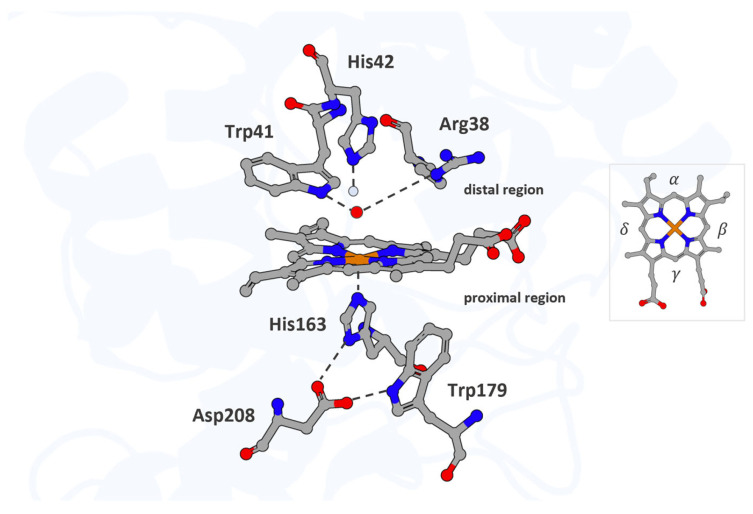 Figure 1
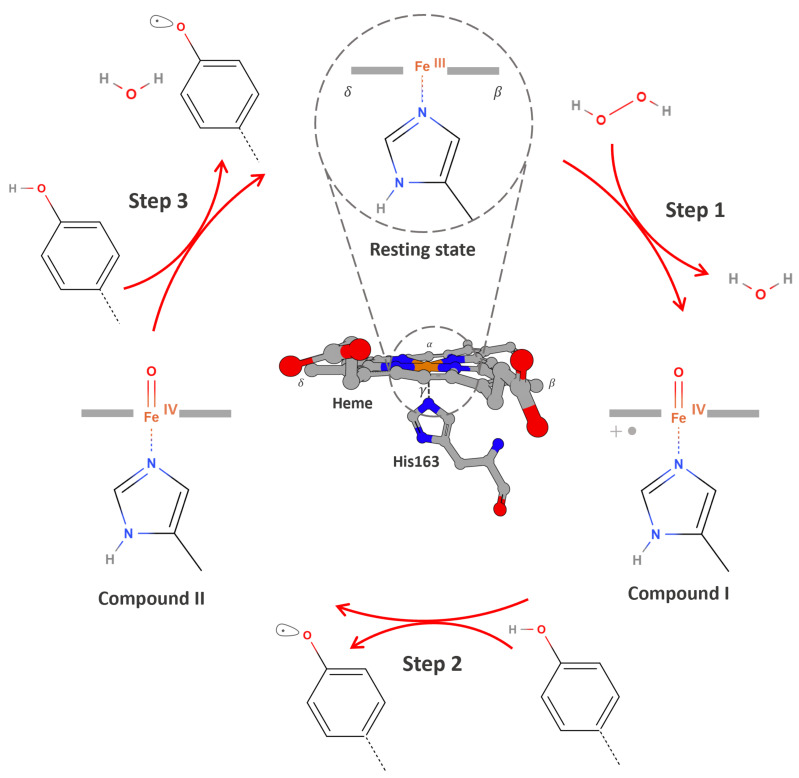 Figure 2
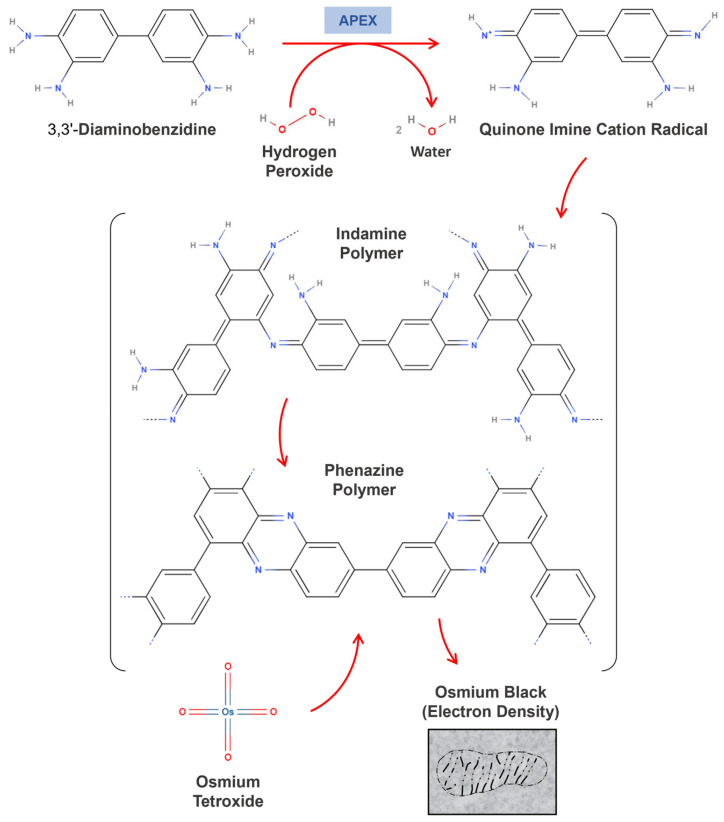 Figure 3
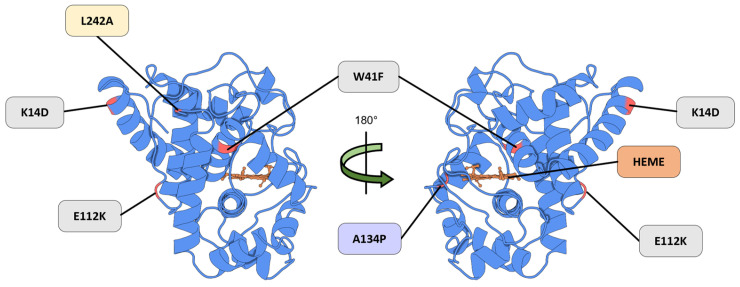 Figure 4
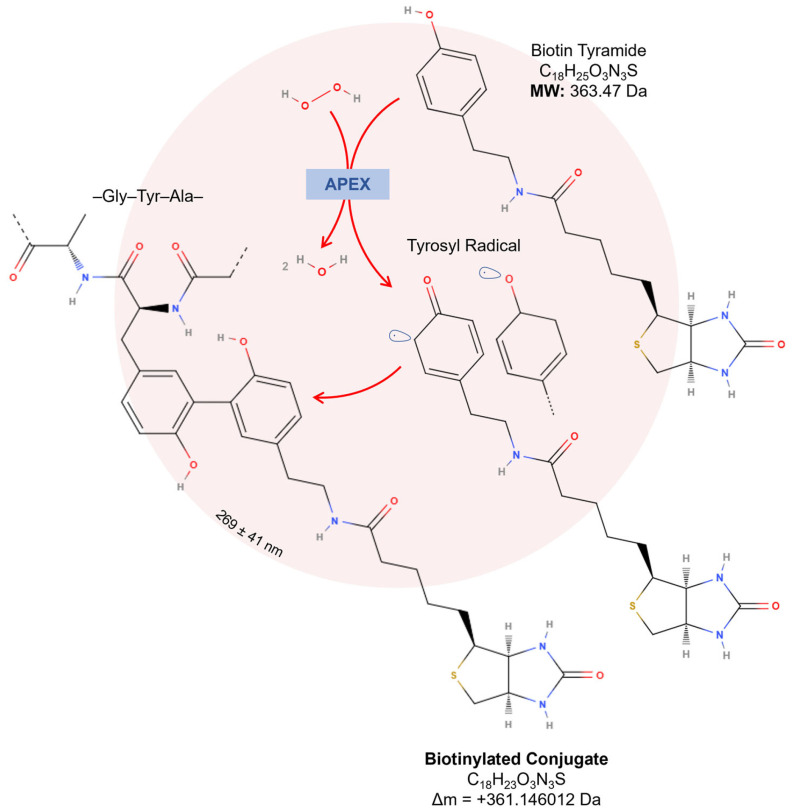 Figure 5
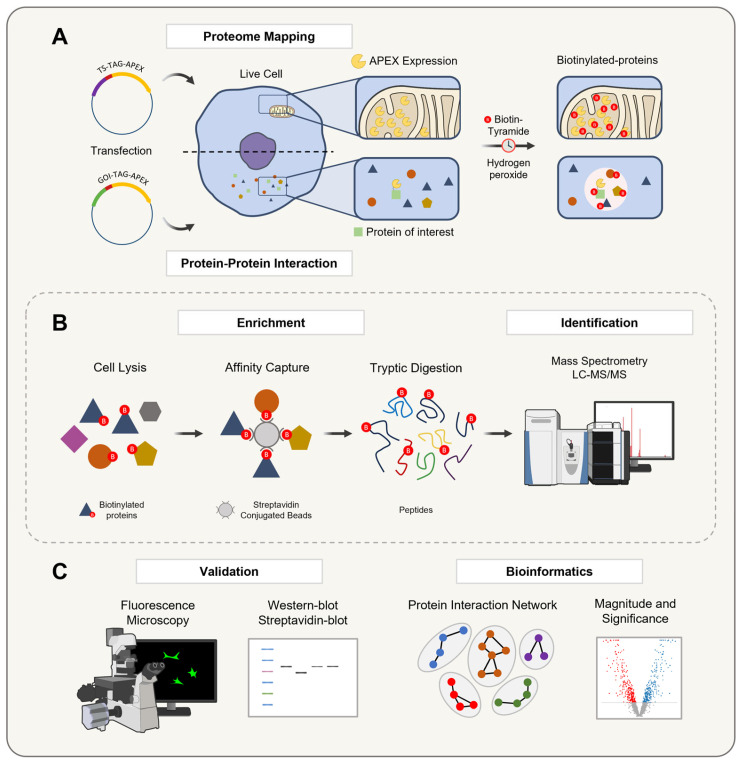 Figure 6
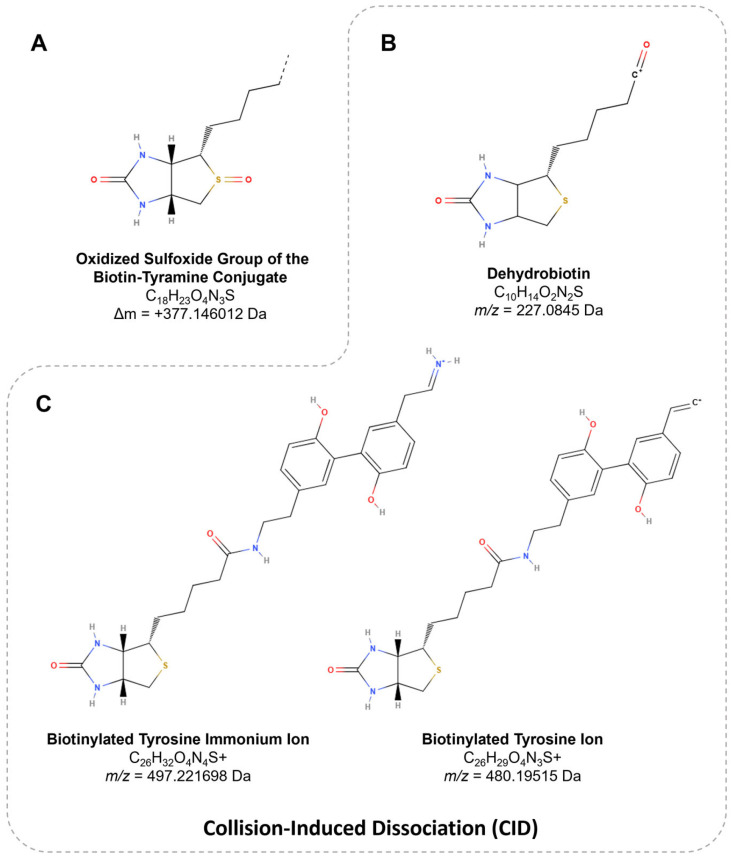 Figure 7
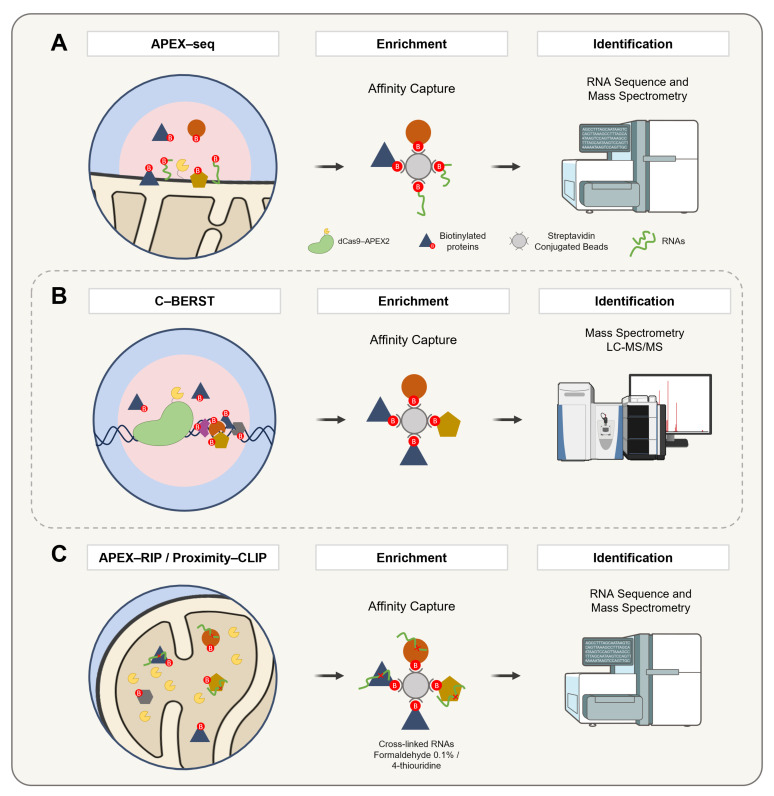 Figure 8
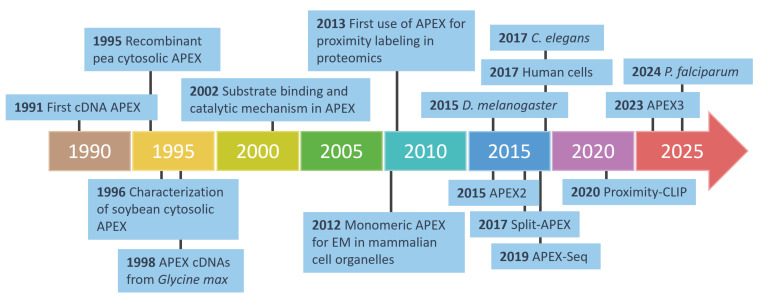 Figure 9
Peer Reviews
No public reviews on file for this paper yet. If you reviewed it on a platform where reviews are public (OpenReview, ICLR, NeurIPS, ICML), you can paste yours below so the community can read it here.
Videos
No videos yet. Explain this paper in a talk, walkthrough, or lecture? Add one.
Taxonomy
TopicsBiotin and Related Studies · Electrochemical sensors and biosensors · bioluminescence and chemiluminescence research