Is Hydra Axis Definition a Fluctuation-Based Process Picking Up External Cues?
Mikhail A. Zhukovsky, Si-Eun Sung, Albrecht Ott

TL;DR
This paper explains how Hydra regenerates its body axis using fluctuating gene activity and external cues like temperature gradients.
Contribution
A novel theoretical model explains Hydra axis definition through gene expression fluctuations and mechanical signaling with minimal parameters.
Findings
The model quantitatively reproduces the expression pattern of the gene ks1 during axis formation.
Hydra's axis positioning is sensitive to weak temperature gradients in a non-intuitive way.
Fluctuation-based symmetry breaking aligns with experimental findings on actin filaments and mechanical stimulation.
Abstract
Axis definition plays a key role in the establishment of animal body plans, both in normal development and regeneration. The cnidarian Hydra can re-establish its simple body plan when regenerating from a random cell aggregate or a sufficiently small tissue fragment. At the beginning of regeneration, a hollow cellular spheroid forms, which then undergoes symmetry breaking and de novo body axis definition. In the past, we have published related work in a physics journal, which is difficult to read for scientists from other disciplines. Here, we review our work for readers not so familiar with this type of approach at a level that requires very little knowledge in mathematics. At the same time, we present a few aspects of Hydra biology that we believe to be linked to our work. These biological aspects may be of interest to physicists or members of related disciplines to better understand…
Genes, proteins, chemicals, diseases, species, mutations and cell lines named across the full text — each resolved to its canonical identifier and authoritative record.
Click any figure to enlarge with its caption.
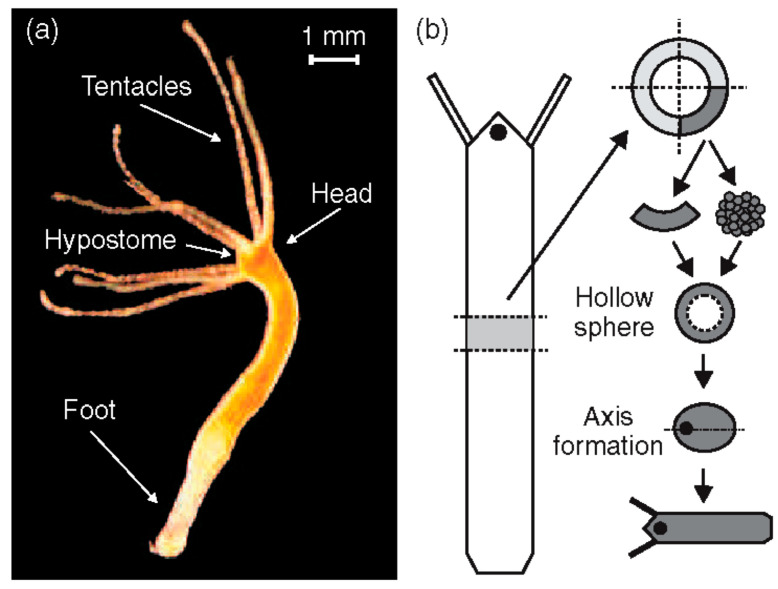 Figure 1
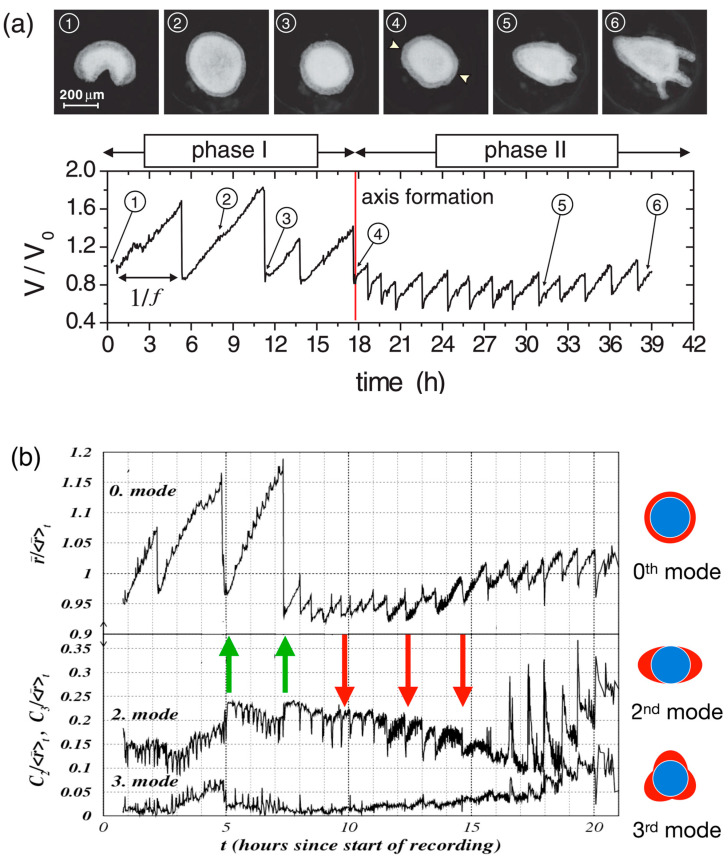 Figure 2
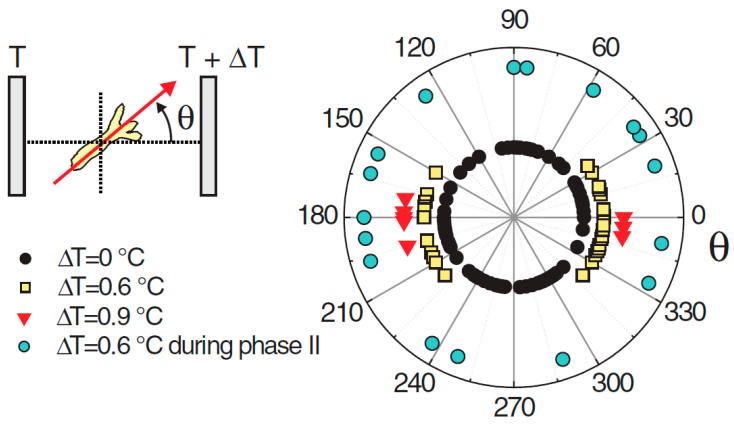 Figure 3
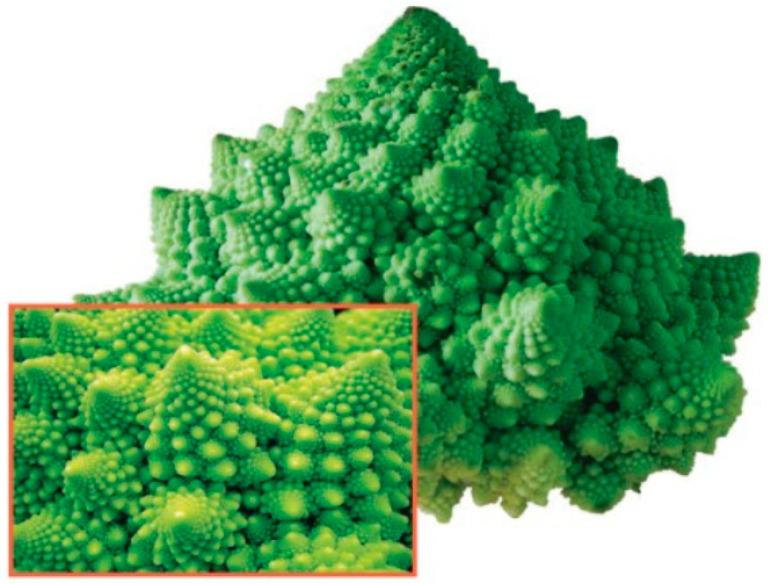 Figure 4
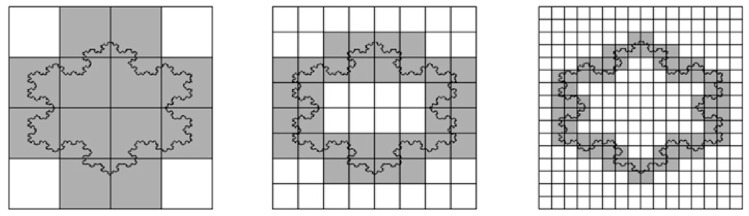 Figure 5
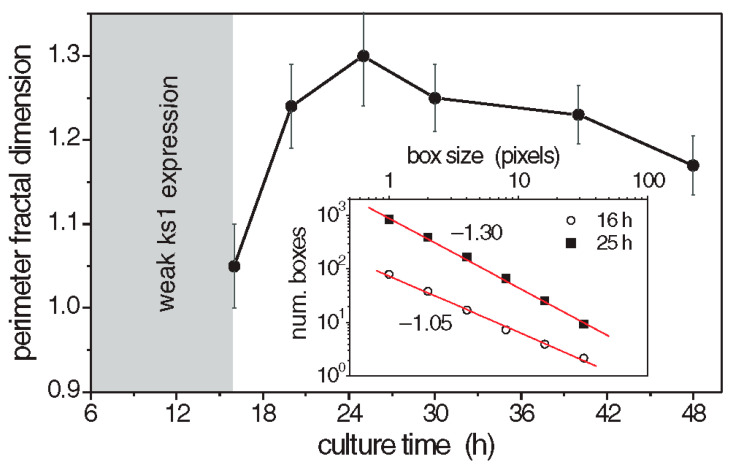 Figure 6
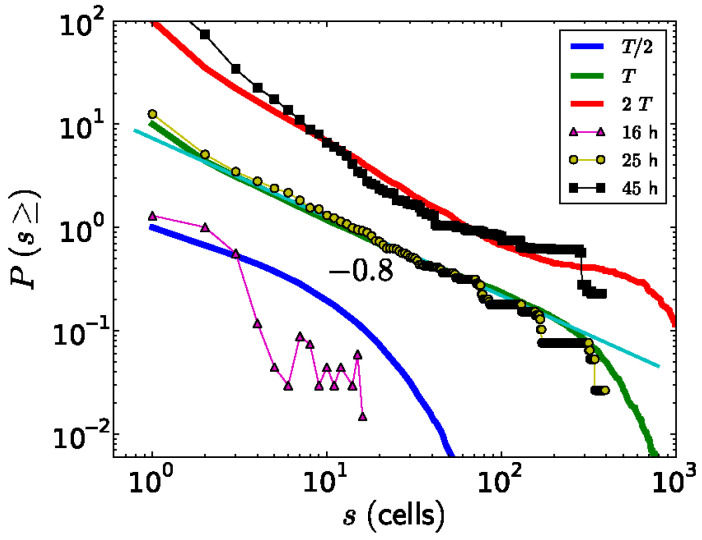 Figure 7
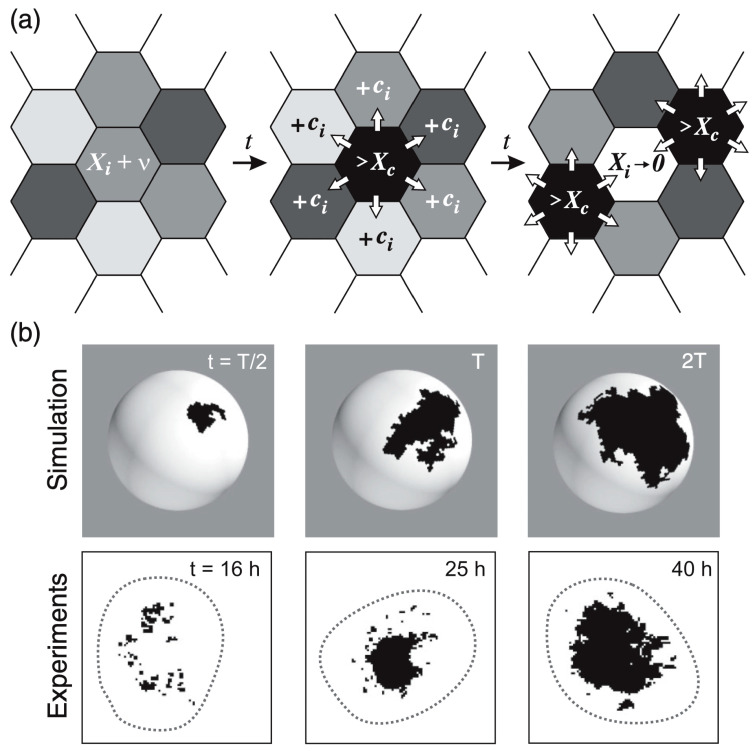 Figure 8
Peer Reviews
No public reviews on file for this paper yet. If you reviewed it on a platform where reviews are public (OpenReview, ICLR, NeurIPS, ICML), you can paste yours below so the community can read it here.
Videos
No videos yet. Explain this paper in a talk, walkthrough, or lecture? Add one.
Taxonomy
TopicsMarine Invertebrate Physiology and Ecology · Planarian Biology and Electrostimulation · Cellular Mechanics and Interactions