Cervical Lateral Mass and Pedicle Fracture Reduced with a Herbert Screw: A Technical Note
Antonio Colamaria, Francesco Carbone, Augusto Leone, Giuseppe Palmieri, Savino Iodice, Bianca Maria Baldassarre, Giovanni Cirrottola, Valeria Ble, Uwe Spetzger, Giuseppe Di Perna

TL;DR
A 30-year-old woman with a cervical spine fracture was successfully treated with a Herbert screw, offering a less-invasive alternative to traditional surgery.
Contribution
This paper introduces the use of a Herbert screw for cervical lateral mass and pedicle fractures as a less-invasive surgical option.
Findings
Herbert screw fixation achieved significant fracture reduction and early bone fusion in a 30-year-old patient.
The patient experienced improved functional mobility without complications after the procedure.
Preoperative planning using 3D-printed models and fluoroscopic guidance enhanced surgical precision.
Abstract
Background: Traumatic fractures of the cervical spine pose significant challenges in management, particularly in young patients, where preserving mobility is crucial. Patient Characteristics: A 30-year-old woman presented with a C3 lateral mass and pedicle fracture following a motor vehicle collision. Initial conservative management with a rigid cervical collar for three months failed to reduce the diastasis, and the debilitating neck pain worsened. Preoperative imaging confirmed fracture instability without spinal cord compression. Intervention and Outcome: Preoperative screw trajectory planning was conducted with the My Spine MC system (Medacta), and fine-tuning was achieved on a 3D-printed model of the vertebra. A posterior midline approach was employed to expose the C3 vertebra, and a Herbert screw was inserted under fluoroscopic guidance. Imaging at three months demonstrated…
Genes, proteins, chemicals, diseases, species, mutations and cell lines named across the full text — each resolved to its canonical identifier and authoritative record.
Click any figure to enlarge with its caption.
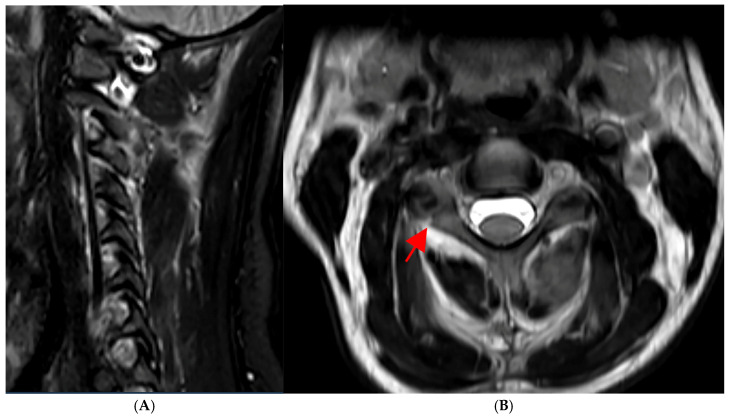 Figure 1
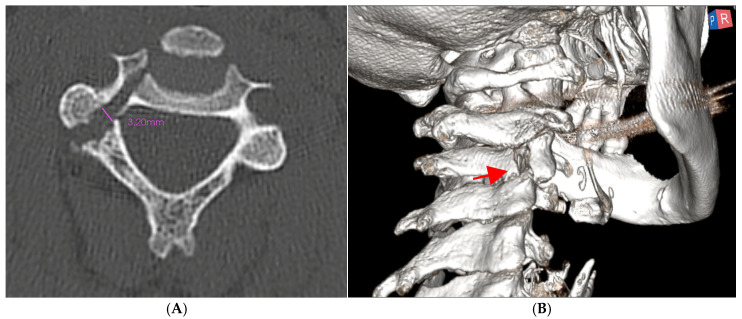 Figure 2
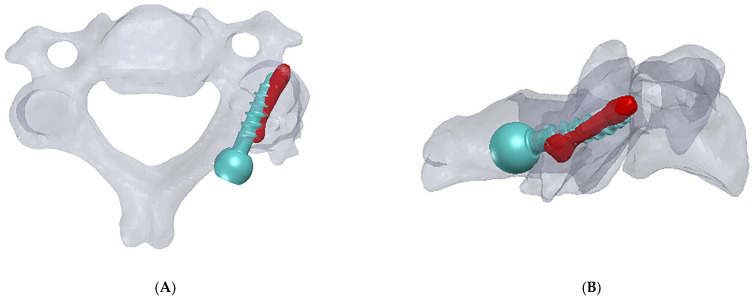 Figure 3
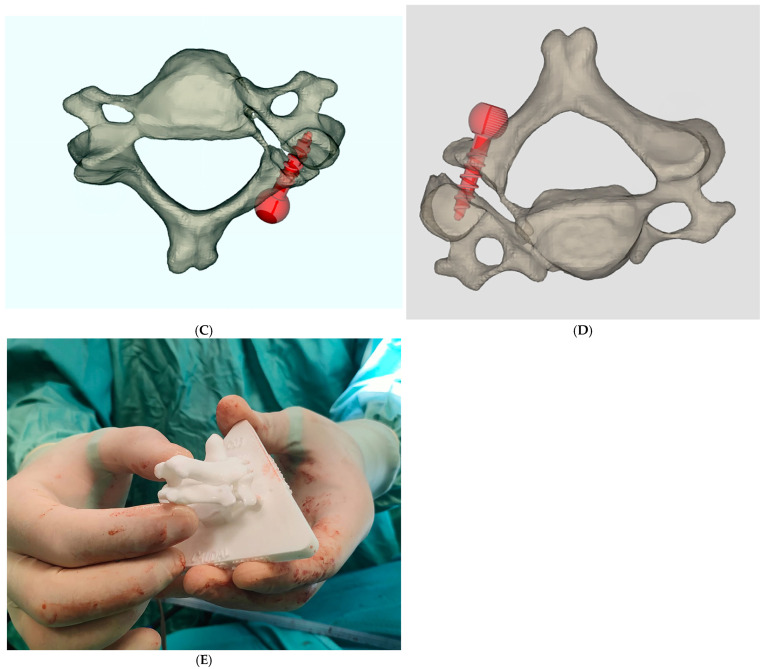 Figure 4
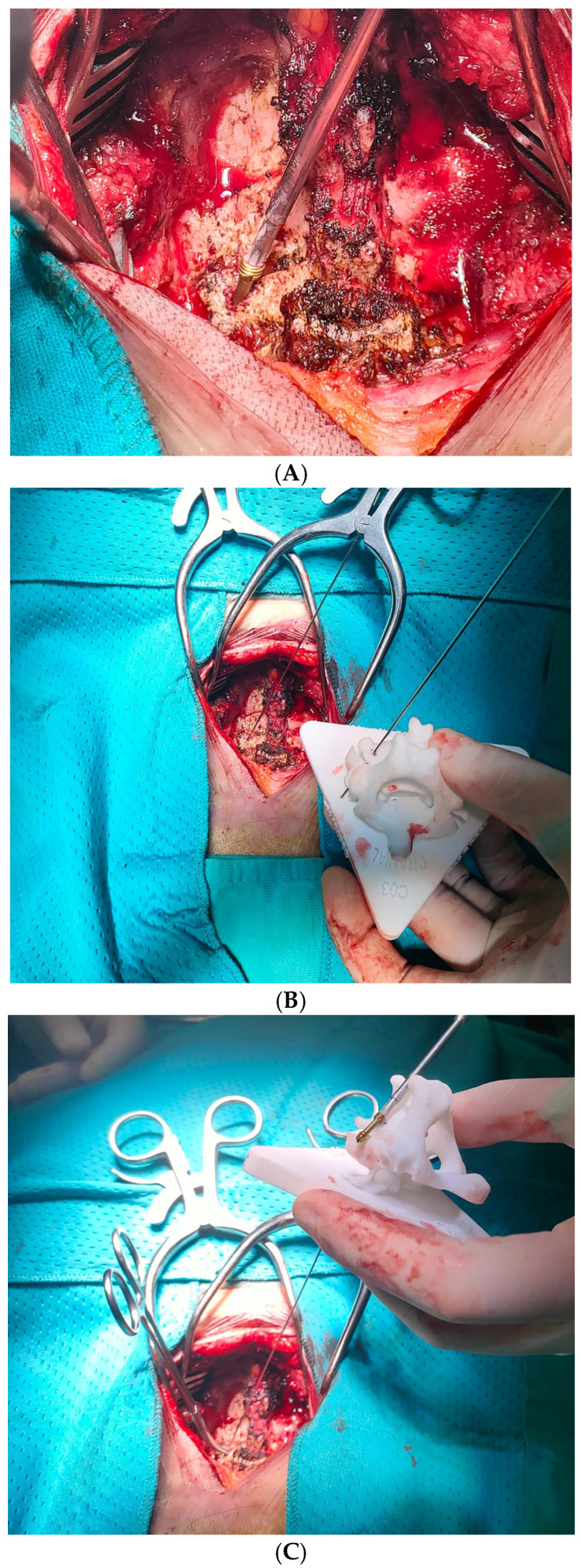 Figure 5
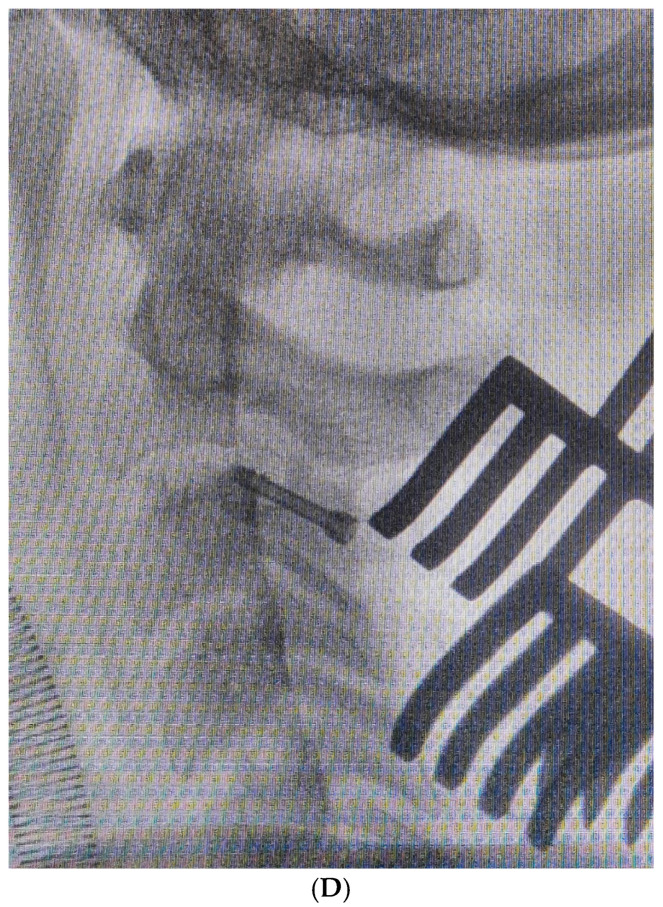 Figure 6
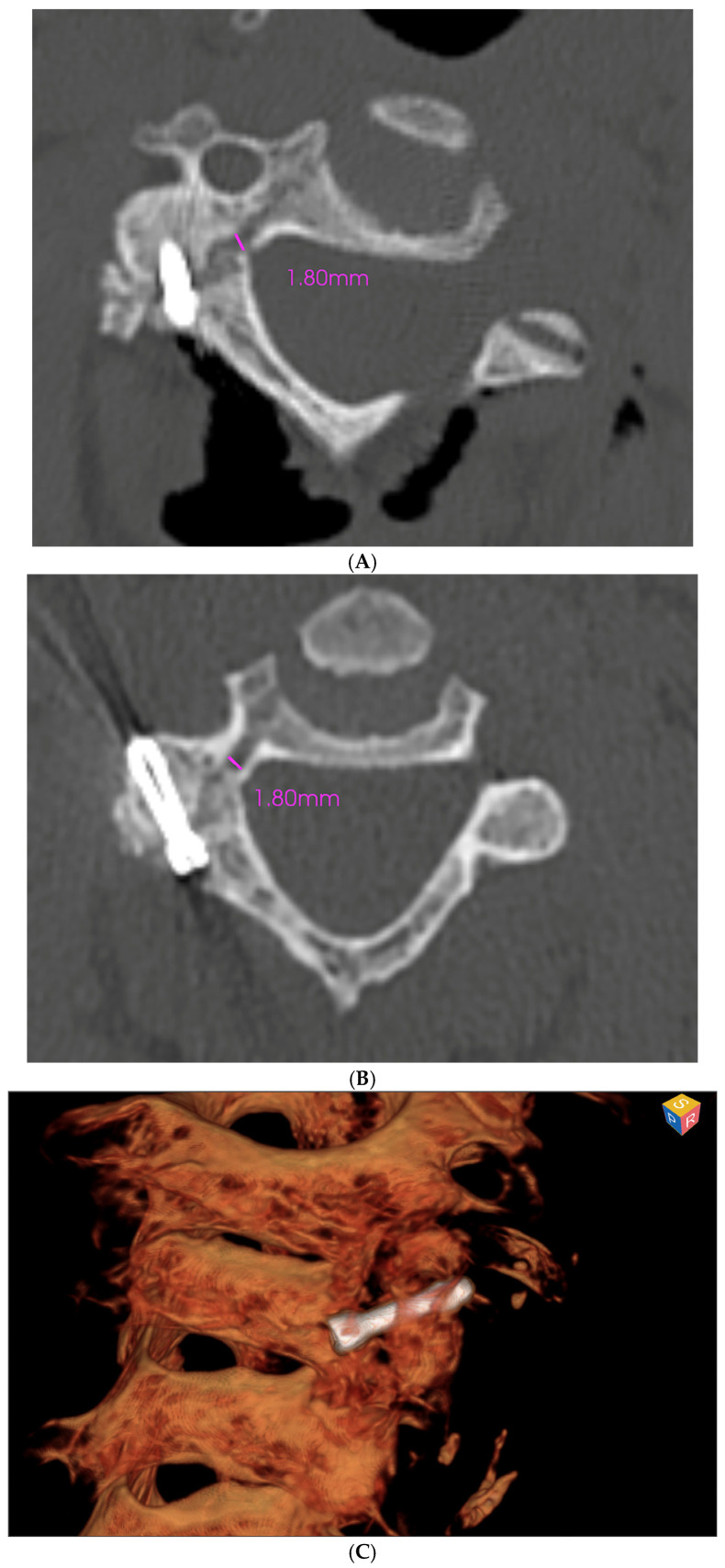 Figure 7
Peer Reviews
No public reviews on file for this paper yet. If you reviewed it on a platform where reviews are public (OpenReview, ICLR, NeurIPS, ICML), you can paste yours below so the community can read it here.
Videos
No videos yet. Explain this paper in a talk, walkthrough, or lecture? Add one.
Taxonomy
TopicsSpinal Fractures and Fixation Techniques · Spine and Intervertebral Disc Pathology · Pelvic and Acetabular Injuries