Vestibular Dysfunction and the Leftward Deviation in the New Line Bisection Task Using Three-Dimensionally Transformed Rectangles
Teru Kamogashira, Shinnosuke Asakura, Hideaki Funayama, Kenji Ito, Noriaki Sunaga, Nao Shikanai, Fumihiko Itagaki, Toshitaka Kataoka, Shizuka Shoji, Megumi Koizumi, Shinichi Ishimoto

TL;DR
This study introduces a new line bisection task using 3D rectangles to assess how vestibular dysfunction affects spatial perception and deviation.
Contribution
The novel line bisection task with 3D transformations is proposed to evaluate vestibular dysfunction's impact on spatial perception.
Findings
Vestibular dysfunction was associated with significant leftward deviation in the new LBT.
Age-related rightward deviation was also observed in the task.
The task showed potential as a diagnostic tool for vestibular dysfunction.
Abstract
Background/Objectives: The line bisection task (LBT) is a well-known test in which a horizontal line is presented in front of the subject and the subject is asked to draw a mark vertically bisecting the line. We developed the new LBT using three-dimensionally transformed rectangles to enhance the sense of depth and evaluated the influence of vestibular dysfunction on the deviation. Methods: One hundred participants were recruited from patients referred to the vertigo outpatient clinic. The average deviation in the LBT was the leftward deviation in the figures viewed from the right side and the rightward deviation in the figures viewed from the left side, indicating that the figures were perceived three-dimensionally, with the division point deviating to the far side. Results: In multivariate analysis of variance (MANOVA) analyses, the significant leftward deviation was observed in the…
Genes, proteins, chemicals, diseases, species, mutations and cell lines named across the full text — each resolved to its canonical identifier and authoritative record.
Click any figure to enlarge with its caption.
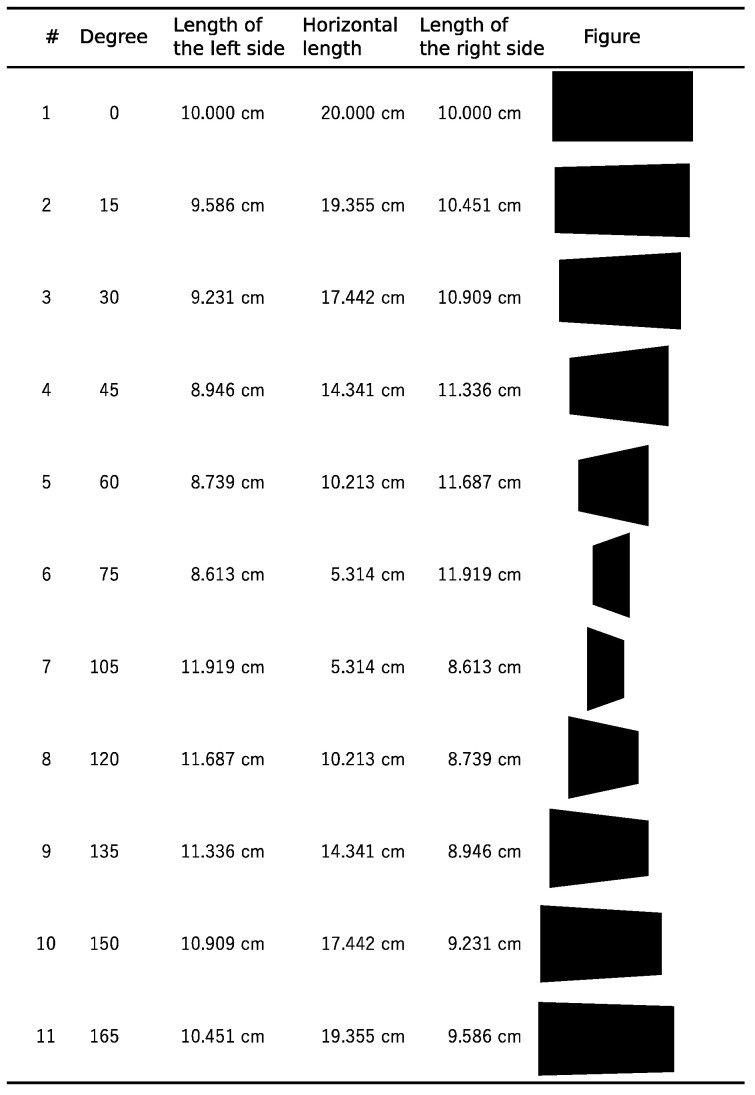 Figure 1
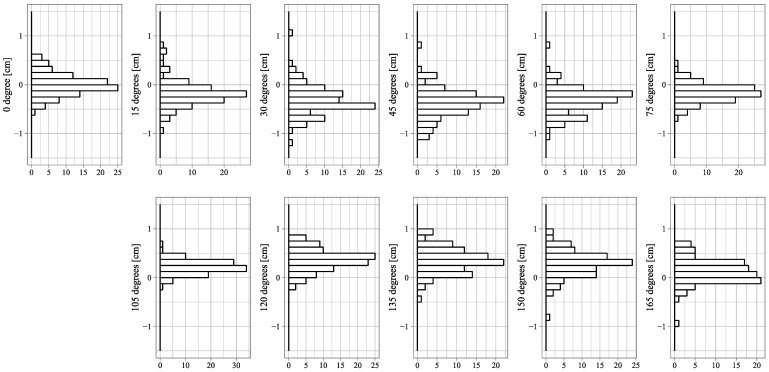 Figure 2
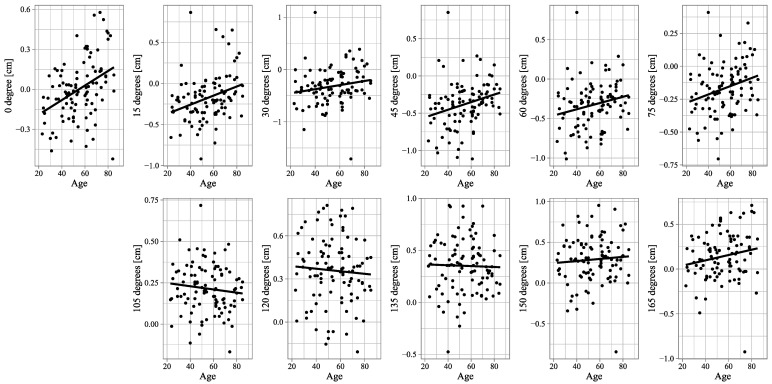 Figure 3
Peer Reviews
No public reviews on file for this paper yet. If you reviewed it on a platform where reviews are public (OpenReview, ICLR, NeurIPS, ICML), you can paste yours below so the community can read it here.
Videos
No videos yet. Explain this paper in a talk, walkthrough, or lecture? Add one.
Taxonomy
TopicsSpatial Neglect and Hemispheric Dysfunction · Vestibular and auditory disorders · Hemispheric Asymmetry in Neuroscience