Efficacy and Safety of Adenotonsillectomy for Pediatric Obstructive Sleep Apnea Across Various Age Groups: A Systematic Review
Mohammed Halawani, Arwa Alsharif, Omar Ibrahim Alanazi, Baraa Awad, Abdulaziz Alsharif, Hawazen Alahmadi, Rayan Alqarni, Rahaf Mohammed Alhindi, Abdulmohsen H. Alanazi, Abdulmajeed Hassan Alshamrani

TL;DR
This study reviews how effective and safe adenotonsillectomy is for treating sleep apnea in children, finding it most beneficial for those aged 3 to 7.
Contribution
The paper provides age-specific insights into the efficacy and safety of adenotonsillectomy for pediatric obstructive sleep apnea.
Findings
Children under 7 years old showed greater improvement in sleep apnea severity and cardiovascular function after surgery.
Surgical complications were notably higher in children under 3 years old.
Cognitive and behavioral improvements were more linked to follow-up duration than age at surgery.
Abstract
Objectives: To assess the safety and efficacy of adenotonsillectomy (AT) for treating uncomplicated pediatric obstructive sleep apnea (OSA) in children of different ages. Methods: A systematic search was conducted in four electronic databases, and 71 studies with a total of 9087 participants were included in the analysis. The studies were all before-and-after studies, cohort studies, and randomized controlled trials. Surgical results were analyzed according to age, disease severity, and follow-up duration. Results: Children younger than 7 years at the time of AT had a significantly greater decrease in disease severity, a greater decrease in hypoxemic burden, improved sleep quality, and improved cardiovascular function than children older than 7 years. Both cognitive and behavioral performance improved postoperatively, although these changes were more significantly associated with the…
Genes, proteins, chemicals, diseases, species, mutations and cell lines named across the full text — each resolved to its canonical identifier and authoritative record.
Click any figure to enlarge with its caption.
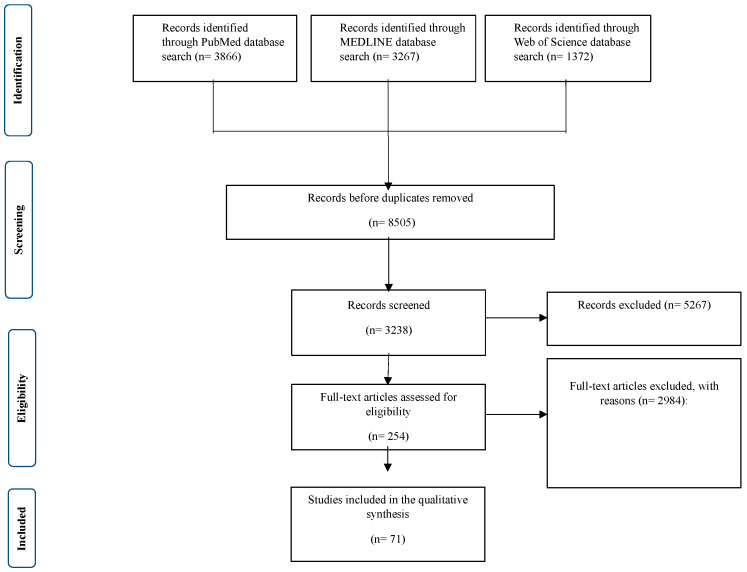 Figure 1
 Figure 2
Peer Reviews
No public reviews on file for this paper yet. If you reviewed it on a platform where reviews are public (OpenReview, ICLR, NeurIPS, ICML), you can paste yours below so the community can read it here.
Videos
No videos yet. Explain this paper in a talk, walkthrough, or lecture? Add one.
Taxonomy
TopicsObstructive Sleep Apnea Research · Neuroscience of respiration and sleep · Cardiovascular and Diving-Related Complications