Reactive Molecules in Cigarette Smoke: Rethinking Cancer Therapy
Vehary Sakanyan

TL;DR
This paper explores how reactive molecules in cigarette smoke contribute to cancer and suggests that smoking cessation is the most effective treatment.
Contribution
The paper introduces a new approach using fluorescent protein detection to study ROS-electrophile interactions in cancer development.
Findings
Fluorescent in-gel detection helps understand ROS-electrophile interactions with proteins.
Current anti-ROS inhibitors are lacking for treating tobacco-related cancers.
Smoking cessation is highlighted as the most effective cancer prevention strategy for smokers.
Abstract
Science has made significant progress in detecting reactive oxygen species (ROS) in tobacco smoke, which is an important step for precision cancer therapy. An important advance is also the understanding that superoxide can be produced by electrophilic molecules. The dual action of hydrogen peroxide, directly or via electrophilic molecules, in the development of oxidative stress allows for the identification of target proteins that can potentially stop unwanted signals in cancer development. However, despite advances in proteomics, reliable inhibitors to stop ROS-associated cancer progression have not yet been proposed for the treatment of tobacco cigarette smokers. This is likely due to an imperfect understanding of the diversity of molecular mechanisms of anti-ROS action. Fluorescent protein detection in living cells, called in-gel, offers a direct route to a better understanding of…
Genes, proteins, chemicals, diseases, species, mutations and cell lines named across the full text — each resolved to its canonical identifier and authoritative record.
Click any figure to enlarge with its caption.
 Figure 1
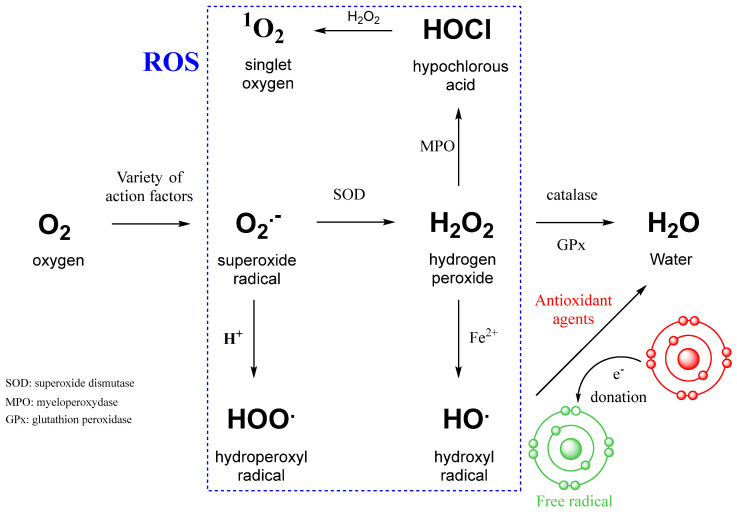 Figure 2
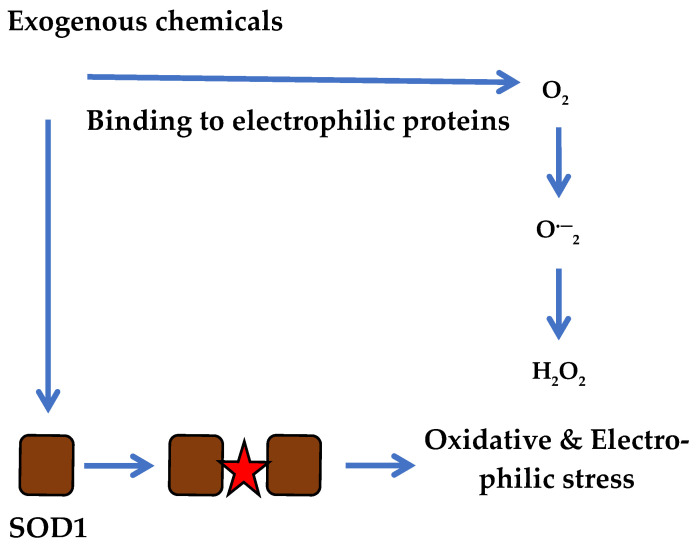 Figure 3
 Figure 4
Peer Reviews
No public reviews on file for this paper yet. If you reviewed it on a platform where reviews are public (OpenReview, ICLR, NeurIPS, ICML), you can paste yours below so the community can read it here.
Videos
No videos yet. Explain this paper in a talk, walkthrough, or lecture? Add one.
Taxonomy
TopicsFree Radicals and Antioxidants · Genomics, phytochemicals, and oxidative stress · Antioxidant Activity and Oxidative Stress